纺织业

Search documents
市场最前沿 | 从“一根丝”的突破,看民营企业创新活力
Xin Hua She· 2025-12-24 11:42
Group 1: Industry Transformation and Innovation - The textile industry is undergoing a transformation, with private enterprises focusing on innovation and technology to enhance productivity and competitiveness [1][2] - Erdos Cashmere Group has achieved large-scale production of seamless knitted products and complex fashion items by integrating 5G technology into its production lines [1] - The core of China's cashmere industry development is to achieve high-quality growth through innovation and systematic upgrades, rather than mere scale expansion [1] Group 2: Technological Advancements - Weiqiao Group has collaborated with research institutions to develop all-cotton functional nano-fiber composite yarns, which provide temperature-regulating capabilities [2] - Changfei Fiber Optic Cable Co., Ltd. has made significant advancements in optical fiber technology, becoming a leader in the global market by mastering all key technologies related to optical fibers and cables [3] - The company has established joint laboratories to tackle fundamental technology challenges and promote collaborative innovation between research and industry [3] Group 3: Material Performance Breakthroughs - Ningbo Bowei Precision Alloy Wire Co., Ltd. has achieved unprecedented precision in cutting wire, essential for manufacturing high-precision components [4] - Ounait Cable Group has developed cables that maintain flexibility at extremely low temperatures and resist harsh environmental conditions, showcasing the importance of innovation in specialized products [4] - The focus on deep specialization and continuous innovation has led to significant contributions from private enterprises, accounting for 70% of the country's technological innovations [4] Group 4: Supportive Policies for Private Enterprises - The implementation of the Private Economy Promotion Law in May aims to support private enterprises in participating in national technology projects and encourages innovation [5] - This law is seen as a stabilizing force for private enterprises and a catalyst for innovation, enhancing their role in national technological advancements [5]

市场最前沿|从“一根丝”的突破,看民营企业创新活力
Xin Hua She· 2025-12-24 11:35
Group 1 - The textile industry is undergoing a transformation, with private enterprises innovating in niche areas to enhance productivity and competitiveness, exemplified by the Erdos Cashmere Group's shift to automated production and integration of 5G technology [1] - The core of China's cashmere industry is to elevate its position in the global value chain through innovation and systematic upgrades, focusing on technology empowerment and value reconstruction rather than mere scale expansion [1] - Collaborations between private enterprises and research institutions are driving innovation, such as the development of functional cotton nano-fiber composite yarns by Shandong Weiqiao Group, which offers temperature-regulating fabric [1] Group 2 - Changfei Fiber Optic Cable Co., Ltd. has emerged as a leader in the next-generation fiber optic sector, showcasing its advancements at the "China Optics Valley" International Optoelectronic Expo, and has mastered all key technologies from preform to fiber and cable [3] - The company has established joint laboratories to tackle fundamental technologies and facilitate the industrialization of core materials, emphasizing a collaborative approach to innovation that directly addresses production challenges [3] - The focus on application-oriented research and development has allowed Changfei to become a standard-setting leader in the industry, demonstrating the importance of aligning scientific inquiry with market needs [3] Group 3 - Ningbo Bowei Alloy Precision Fine Wire Co., Ltd. has achieved remarkable precision in cutting wire, essential for manufacturing high-precision components, continuously pushing the limits of diameter reduction from 0.33mm to 0.015mm over the past decade [5] - Ounait Cable Group has developed cables that maintain flexibility in extreme cold and resist harsh environmental conditions, showcasing the importance of innovation in creating specialized products for specific market needs [5] - Private enterprises contribute significantly to technological innovation in China, accounting for 70% of the nation's technological advancements and encompassing a large portion of specialized and high-tech enterprises [5]

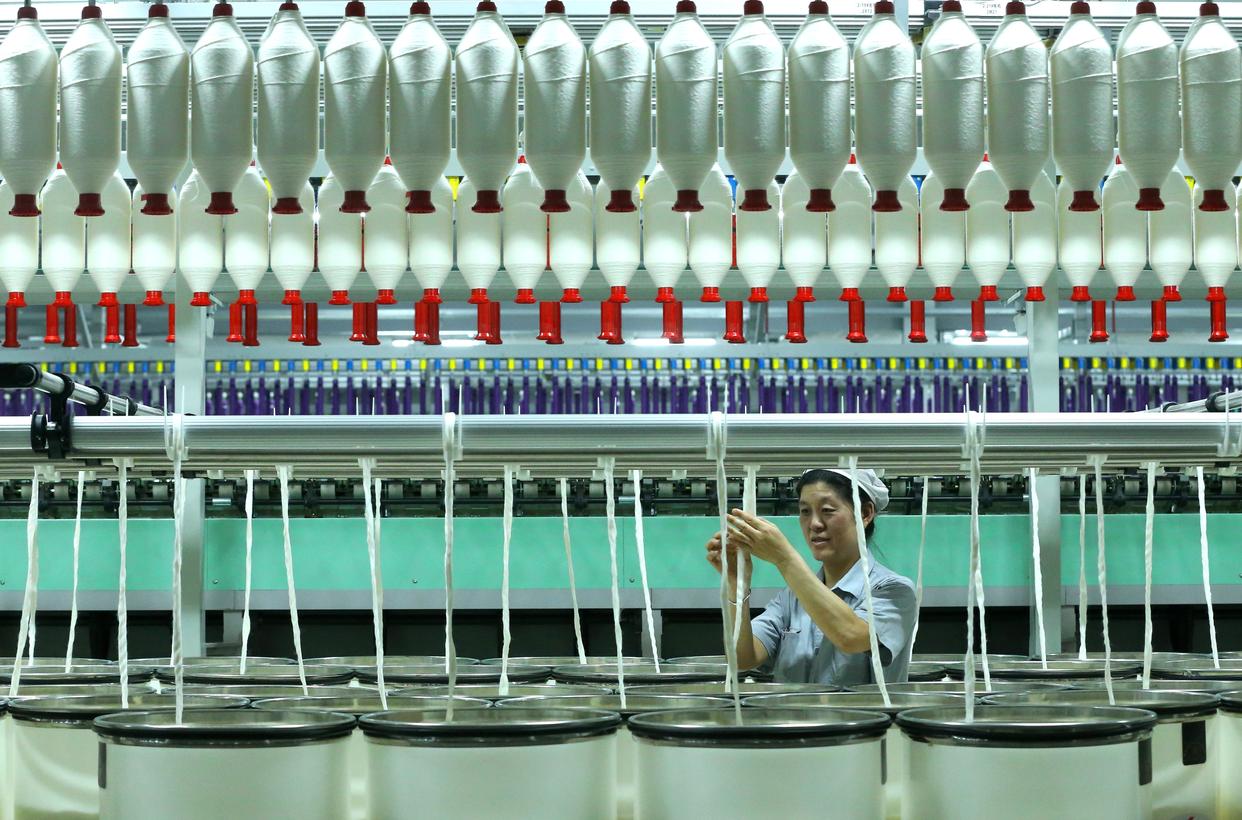
市场最前沿丨从“一根丝”的突破,看民营企业创新活力
Xin Hua Wang· 2025-12-24 11:30
Core Viewpoint - The textile industry is undergoing significant transformation through innovation and technology, with private enterprises playing a crucial role in enhancing productivity and competitiveness in both traditional and emerging sectors [2][8]. Group 1: Industry Transformation - The evolution of the textile industry is exemplified by companies like Erdos Cashmere Group, which has transitioned from manual operations to managing 16 fully automated machines, integrating 5G technology into smart production lines [2]. - The focus of the Chinese cashmere industry is shifting towards high-end global value chains, emphasizing innovation and systematic upgrades for high-quality development [2]. - The transformation is not solely confined to production facilities; it also involves collaborations between private enterprises and academic institutions to develop advanced materials, such as functional cotton nano-fiber composite yarns [3]. Group 2: Technological Advancements - Changfei Fiber Optic Cable Co., Ltd. has made significant strides in the optical fiber sector, showcasing cutting-edge technology at international exhibitions and establishing itself as a leader in the field [5]. - The company has developed a comprehensive understanding of key technologies, moving from reliance on imports to mastering the entire production process of optical fibers and cables [5]. - The collaborative approach in research and development, where enterprises and research teams work together to address industry challenges, has been highlighted as a key driver of innovation [5]. Group 3: Material Innovation - Companies like Ningbo Bowei Alloy Precision Fine Wire Co., Ltd. have achieved remarkable precision in manufacturing cutting wires, pushing the limits of diameter from 0.33mm to 0.015mm [7]. - Ounait Cable Group has developed cables that maintain flexibility in extreme temperatures and harsh environmental conditions, showcasing the importance of tailored solutions for specific industry needs [7]. - The commitment to innovation and overcoming challenges has led to significant contributions from private enterprises, which account for 70% of national technological innovations and a majority of specialized small giant enterprises [7]. Group 4: Policy Support - The implementation of the Private Economy Promotion Law in May aims to bolster private enterprises' participation in national technology projects and enhance innovation capabilities [8]. - This law is viewed as a stabilizing force for private enterprises and a catalyst for innovation, encouraging them to take on significant technological challenges [8].
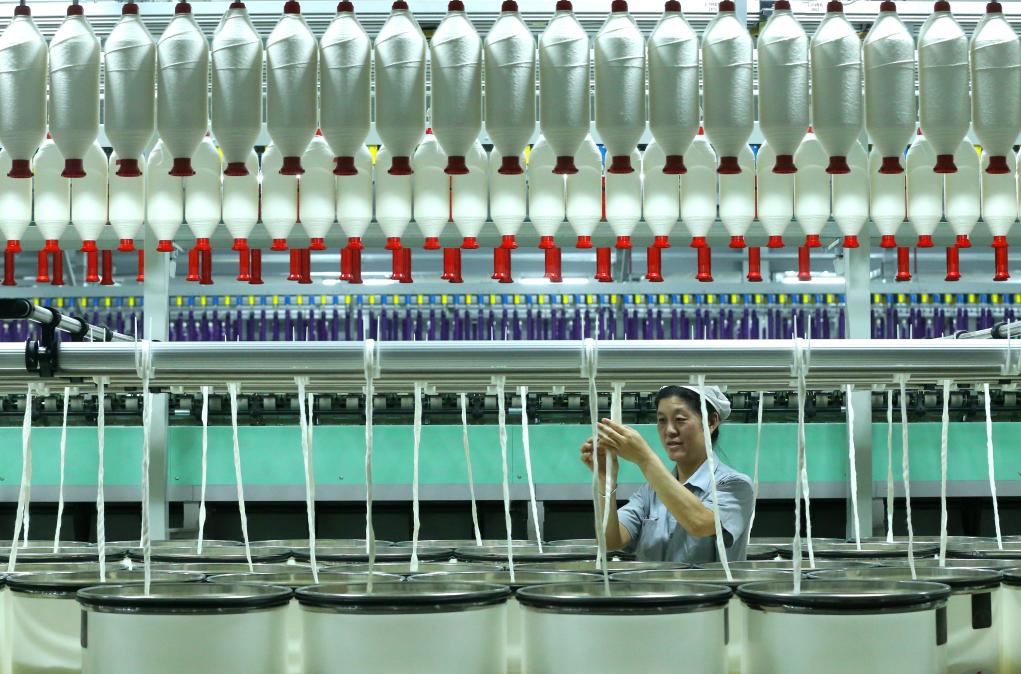
彩蝶实业:部分募集资金投资项目延期
2 1 Shi Ji Jing Ji Bao Dao· 2025-12-24 10:59
南财智讯12月24日电,彩蝶实业公告,公司募投项目"年产62,000.00吨高档功能性绿色环保纺织面料技 改搬迁项目"计划投资总额为58,346.00万元,拟使用募集资金49,635.00万元,资金来源为首次公开发行 股票募集资金,用于高档功能性绿色环保纺织面料的技改搬迁。因染整第四车间改建过程中受客观因素 影响,基建工程进度延迟约一至两个月,导致设备安装与调试等后续环节顺延,公司决定将项目达到预 定可使用状态日期由2025年12月延期至2026年3月。本次延期未改变项目实施主体、募集资金用途及投 资规模,不会对公司主营业务、财务状况及整体募资安排产生重大不利影响,亦不存在变相改变募集资 金投向或损害股东利益的情形。 ...

彩蝶实业:年产62000吨纺织面料技改搬迁项目延期至2026年3月
Xin Lang Cai Jing· 2025-12-24 10:54
Core Viewpoint - The company announced a delay in the "Annual Production of 62,000 Tons of High-end Functional Green Environmental Textile Fabric Technological Transformation and Relocation Project" to the end of March 2026 due to objective factors affecting the renovation of the dyeing and finishing workshop [1] Group 1 - The total investment for the project is 583 million yuan, with 496 million yuan raised for investment [1] - As of November 30, 2025, the company has invested 501 million yuan of the raised funds, exceeding the committed investment by 0.95% [1] - The delay does not change the implementation主体,用途, or规模 of the project and will not have a significant adverse impact on project advancement or company operations [1]
千年商脉中的鲁商风华
Qi Lu Wan Bao· 2025-12-24 10:54
Group 1 - The article highlights the resurgence of interest in traditional business culture through the popular TV series "The Great Businessman," which portrays the legendary story of late Qing Dynasty merchants who contributed to the nation through commerce [2] - Shandong merchants, known as "Lu merchants," are recognized as one of the five major merchant groups in China, alongside Huizhou, Jin, Zhejiang, and Cantonese merchants, characterized by their Confucian values and commitment to integrity and innovation [3][4] Group 2 - The origins of Lu merchants can be traced back to the Qi state during the pre-Qin period, where the promotion of commerce and trade was encouraged, leading to a rich commercial culture [4] - The economic policies of historical figures like Jiang Taigong and Guan Zhong in the Qi state laid the foundation for a thriving commercial environment, emphasizing the importance of trade and economic development [4] Group 3 - The article discusses the evolution of commerce in Shandong from the Tang Dynasty onwards, highlighting the establishment of bustling markets and the emergence of a vibrant commercial atmosphere [7] - During the Song Dynasty, Shandong merchants continued to thrive, benefiting from the region's rich resources and the establishment of new trade routes, which facilitated commerce [8] Group 4 - Lu merchants demonstrated a strong sense of social responsibility, often investing in education and community welfare, as seen in the philanthropic efforts of merchants like Feng Bingzhong, who funded schools in Beijing [11] - The enduring spirit of Lu merchants is encapsulated in the principle of balancing righteousness and profit, which remains relevant in contemporary business practices [11]
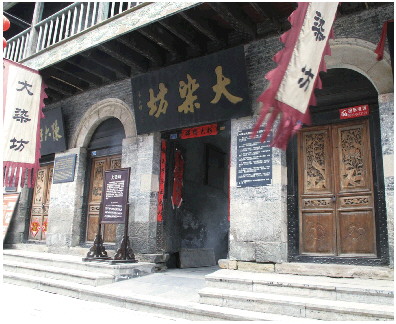
智成智能化第一分厂:向内挖潜提质效 精细管理赢未来
Xin Lang Cai Jing· 2025-12-24 10:32
Core Insights - The company is implementing a management philosophy focused on "internal potential exploration and refined management" to achieve cost reduction and efficiency enhancement, leading to improved profitability levels since September [1][9]. Group 1: Cost Control Measures - The factory prioritizes raw material control as the primary area for cost reduction, implementing refined management through quality selection and storage environment [2][10]. - A quality monitoring mechanism has been established to preemptively address abnormal batches, minimizing losses [2][10]. - Innovative strategies such as precise humidification have been introduced to stabilize raw material moisture content, enhancing utilization efficiency and yarn quality [2][10]. Group 2: Process Optimization - The factory focuses on technological innovation and process optimization as core strategies, improving efficiency in the cleaning process through equipment upgrades [3][11]. - Significant achievements have been made in the carding process through systematic upgrades and process innovations [3][11]. Group 3: Differentiated Production Strategies - The factory adopts differentiated production strategies to address specific product characteristics, optimizing equipment parameters and production organization to achieve precise energy consumption control [6][15]. - This approach allows for substantial electricity savings while maintaining quality standards, showcasing the potential of refined management [6][15]. Group 4: Innovation and Collaboration - The factory has developed specialized detection tools for precise control of cotton loss data and standardization of machine parameters, leading to a continuous decrease in overall cotton loss rates [5][14]. - A collaborative effort is encouraged among production units to learn from best practices and adapt them to their specific contexts, aiming for higher profitability targets [8][17].
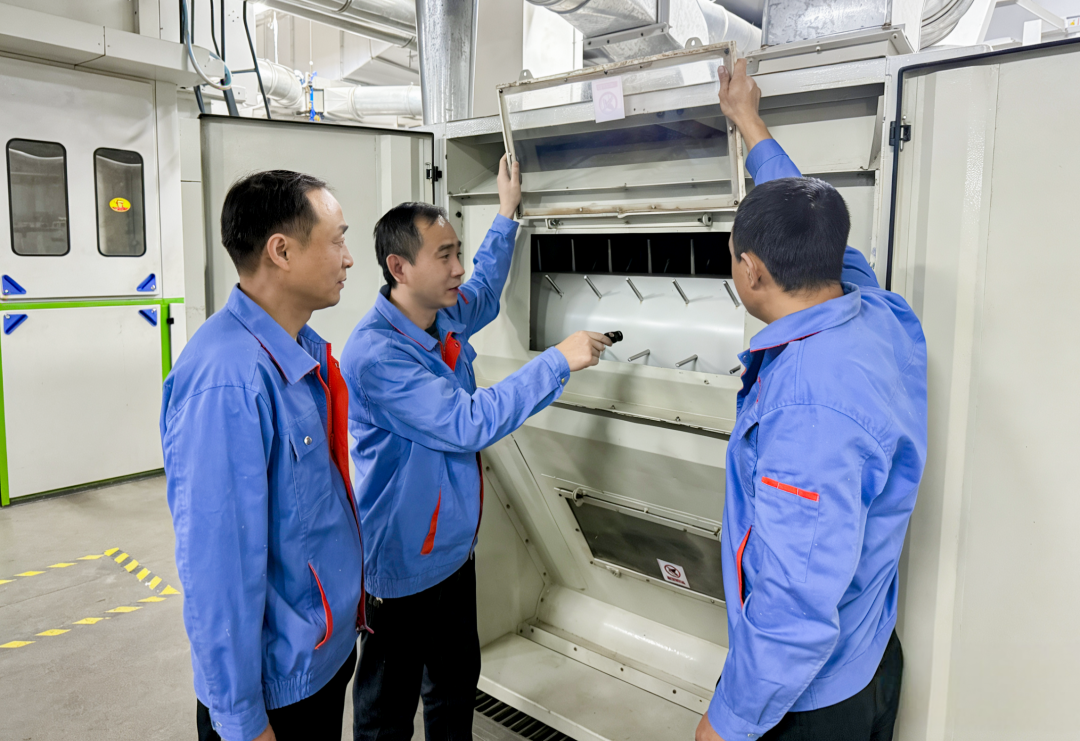
福恩股份IPO将上会,3.81亿分红“惹眼”
Sou Hu Cai Jing· 2025-12-24 10:09
Core Viewpoint - The company, Hangzhou Fu'en Co., Ltd., a leading supplier of recycled fabrics in China, is set to have its IPO application reviewed on December 26, with plans to raise 1.25 billion yuan primarily for capacity expansion. However, it faces significant risks due to high customer concentration and governance issues related to family control [3][4][5]. Group 1: Company Overview - Fu'en Co. is recognized as a leader in the recycled fabric industry, collaborating with major international brands like Uniqlo and H&M, leveraging its green and eco-friendly concept [3][6]. - The company has transitioned from a collective ownership model to a family-controlled structure, with the founder and his family holding 83.89% of the voting rights as of the IPO application date [4][5]. Group 2: Financial Performance - Fu'en's revenue increased from 1.764 billion yuan in 2022 to 1.813 billion yuan in 2024, with net profits consistently exceeding 200 million yuan during this period. In the first half of 2025, revenue and net profit were reported at 938 million yuan and 105 million yuan, respectively [7]. - Over 70% of Fu'en's revenue comes from its top five clients, which is significantly higher than the industry average, indicating a high customer concentration risk [6][8]. Group 3: IPO and Fundraising - The company plans to raise 1.25 billion yuan through its IPO, with nearly 60% allocated for capacity expansion projects, including the development of integrated recycled fabric production [9]. - Regulatory scrutiny has arisen regarding the necessity and rationality of the proposed capacity expansion, given the current utilization rate of 93% and concerns about potential overcapacity [9][10]. Group 4: Market Risks - Fu'en's performance is closely tied to the inventory levels of its major clients, which could lead to reduced orders if these brands experience prolonged inventory turnover periods [8]. - The global textile supply chain is shifting towards Southeast Asia, which may increase the risk of client dependency for Fu'en if major clients diversify their supplier base [8][10]. Group 5: Technological and Competitive Landscape - The rapid technological evolution in the recycled fabric industry poses a risk of obsolescence for Fu'en's production technologies if new eco-friendly materials emerge [10]. - Competition is intensifying, with other companies like Kaimeng Textile and Zhejiang Sanyuan gaining market share, which could impact Fu'en's future performance if it fails to effectively manage new product absorption [10].

深纺织A(000045)披露子公司开展外汇套期保值业务议案获股东会通过,12月24日股价上涨1.43%
Sou Hu Cai Jing· 2025-12-24 10:07
公司近日发布公告称,深圳市纺织(集团)股份有限公司于2025年12月23日召开2025年第五次临时股东 会,审议通过了《关于子公司开展外汇套期保值业务的议案》。出席会议的股东及授权代表共215人, 代表股份255,670,177股,占公司有表决权股份总数的50.4756%。表决结果显示,A股和B股股东对该议 案的同意比例分别为99.7590%和100.0000%。会议采用现场与网络投票相结合方式召开,广东卓建律师 事务所出具法律意见书,认为本次股东会的召集、召开程序、出席人员资格、表决程序及结果均合法有 效。 最新公告列表 截至2025年12月24日收盘,深纺织A(000045)报收于12.06元,较前一交易日上涨1.43%,最新总市值 为61.09亿元。该股当日开盘11.89元,最高12.12元,最低11.86元,成交额达5747.59万元,换手率为 1.05%。 以上内容为证券之星据公开信息整理,由AI算法生成(网信算备310104345710301240019号),不构成 投资建议。 《广东卓建律师事务所关于深圳市纺织(集团)股份有限公司2025年第五次临时股东会的法律意 见书》 《2025年第五次临时 ...

产品出海,枢纽联通:摩洛哥投资与出口的双轮驱动
Sou Hu Cai Jing· 2025-12-24 07:58
Core Insights - Morocco is transforming into a pivotal point for intercontinental supply chains, leveraging its unique agricultural exports and the operation of world-class ports like the Tangier Mediterranean Port [1][4] - The country is increasingly attracting international investments through systematic policies, establishing a development pattern that connects product exports with logistics hubs, thereby enhancing its role in the global economic system [1][4] Agricultural Exports - Morocco has evolved from a traditional supplier to a significant exporter of high-value agricultural products, ranking among the top suppliers of tomatoes and citrus fruits globally [4] - Over the past 20 years, Morocco's total fruit and vegetable production has increased by 25%, with fruit production rising by 33% from under 4 million tons to over 5 million tons, and vegetable production growing by 17% [4] - The agricultural export value has surged nearly 500% over the past two decades, with tomato exports to Europe projected to reach €1 billion in 2024 [4] - For the 2024-2025 season, Morocco's fruit and vegetable exports are expected to reach 1.6 million tons, marking an 18% year-on-year increase [4] Market Expansion - The Asian market is emerging as a new growth area for Moroccan agricultural exports, with significant increases in the export of fruits and vegetables, particularly blueberries and citrus products [5] - Modern processing centers have been established to cater specifically to the Asian market, showcasing the potential for further growth in this region [5] Logistics and Infrastructure - Morocco has developed a dual logistics network of air and sea transport to ensure the freshness of its agricultural products, with direct cargo routes to Hong Kong and Singapore for high-value items [8] - The Tangier Mediterranean Port plays a crucial role in supporting Morocco's agricultural exports, ranking 17th among the world's major container ports, with a throughput of 141.2 million tons in 2024, accounting for nearly 59% of the country's total port throughput [11][15] - The port's infrastructure has seen significant growth, with a 15.2% increase in total throughput in 2024, driven by simultaneous growth in imports, exports, and transshipment [11] Investment and Economic Strategy - Morocco is implementing a dual-engine strategy focused on investment and export, attracting investors from various sectors including automotive, battery, aviation, textiles, and digital industries [16][18] - The Moroccan Investment and Export Development Agency is actively supporting local businesses and SMEs in expanding their global market presence, aiming to establish "Made in Morocco" as a credible international brand [18] - In 2024, Morocco's goods trade export value reached $45.49 billion, a 5.8% increase, with key exports including automobiles ($15.76 billion), phosphates ($8.67 billion), and agricultural products ($8.58 billion) [20]