家居建材

Search documents
调研速递|箭牌家居接待浙商证券等2家机构调研 2026年推进店效倍增项目全覆盖 1.5亿回购股份将用于股权激励
Xin Lang Zheng Quan· 2025-12-24 11:44
Group 1 - The core viewpoint of the news is that Arrow Home Group is focusing on retail channel development and product upgrades as dual drivers for growth in 2025 and 2026 [1] - In 2025, the company significantly improved retail revenue through the "Store Efficiency Doubling Project," which will be expanded to more stores in 2026 [1] - The company plans to replicate its refined management model across various channels to promote coordinated development [1] Group 2 - The company is implementing a "Product + Marketing" dual strategy, having launched new products like the Hongmeng Smart Shower in 2025, which has improved gross margins [2] - In 2026, the company aims to deepen cooperation with Hongmeng Smart to enhance internal operations for new product planning, development, and launch [2] - The company has seen a decline in overseas revenue due to challenges in the North American market but has achieved significant growth in other international markets through various initiatives [2] Group 3 - The company has repurchased over 150 million yuan worth of shares as part of its stock incentive plan, aimed at aligning the interests of the core team with the company's long-term development [2]

周十条丨11月BHI回落、多家家居建材上市公司高层变动、美克家居拟收购万德溙控制权…
Sou Hu Cai Jing· 2025-12-22 03:00
Group 1 - The national building materials and home furnishings market is entering a traditional winter off-season, with the Building Materials Home Index (BHI) for November at 114.18, down 10.55 points month-on-month and 4.06 points year-on-year [2] - The sales revenue of large-scale building materials and home furnishing markets in November was 1296.31 billion yuan, a month-on-month decrease of 12.85% and a year-on-year decrease of 5.75% [2] - Cumulative sales from January to November 2025 reached 13231.85 billion yuan, reflecting a year-on-year decline of 3.24% [2] Group 2 - The home furnishing and building materials industry is experiencing a wave of equity changes, with companies like MengTian Home and PiA诺 announcing share transfers, indicating strategic adjustments in response to market challenges [5] - PiA诺's founder Ma Libin signed share transfer agreements involving complex voting rights arrangements, potentially changing the controlling shareholder to Chuxinwei and the actual controller to Yin Jiayin [6] - MengTian Home completed the transfer of 6.86% of its shares to Jiaxing Huixin for approximately 267 million yuan [8] Group 3 - Several home furnishing companies, including Jiangshan Oupai, are downsizing operations due to the overall downturn in the real estate sector and increasing market competition, exemplified by the closure of production bases in Henan and Chongqing [10] - Meike Home announced plans to acquire control of Shenzhen Wandeli Technology Co., indicating a strategic move to enhance its market position [8] Group 4 - TATA Wood Doors launched three new products focused on smart technology and acoustic materials, showcasing innovation in the home furnishing sector [14] - Arrow Home and Juran Home signed a strategic cooperation agreement aimed at enhancing user-centered solutions in the bathroom living space [19] Group 5 - Oriental Yuhong announced plans to acquire 60% of Brazilian company Novakem for approximately 144 million yuan, as part of its international expansion strategy [17]


整合优势资源 提供优质服务 抱团高效发展
Xin Lang Cai Jing· 2025-12-19 20:27
转自:贵州日报 联盟首批入驻商户张超在商贸城6号楼经营已有五年,主要提供地暖、空调、新风、净水等家居服 务。"过去,自己单打独斗,主要依赖销售跑小区、线上推广等渠道,加入联盟后,优质商家抱团取 暖,相互带动优势明显。"张超介绍,7月以来,店铺已完成上百单业务,产值同比提升30%至50%。 贵阳日报融媒体记者 黄菊 近日,贵阳西南国际商贸城好货联盟家居建材集采中心在白云区景融云湖里设立的运营中心正式开业, 并与房开企业景融集团、贵阳市福建商会签约,打响了"走出去"的第一枪,也意味着商贸城的家居商贸 服务开始从"等商上门"迈向"上门找商"的新阶段。 作为全省商贸业集聚发展的重要载体,经过多年发展,西南国际商贸城业态涉及传统商贸、物流仓储、 会展服务等多个板块,入驻商户超1.5万家,年总产值突破500亿元。然而,在商贸业转型过程中,行业 采购成本高、供应商渠道有限等痛点日益凸显。具体到家居板块,存在资源分散、各自为政等问题,直 接影响客户体验和品牌口碑。 在此背景下,观山湖区商贸物流集聚服务中心积极支持企业探索新发展模式,加快破解行业痛点。今年 6月,由第一批家居优质商户组建的好货联盟正式成立,好货联盟家居建材集采 ...
以标提质·透明消费丨千年舟共启质量分级新篇,重塑家居消费信任
Sou Hu Cai Jing· 2025-12-19 11:19
Group 1 - The core event focused on the quality upgrade and transparency trends in the home furnishing industry, with the launch of a quality grading system [4] - The China Standardization Association's Home Furnishing and Building Materials Quality Committee led the establishment of an expert working group to create a collaborative standard development system involving various stakeholders [4] - The working group conducted extensive field research across over ten key industrial areas to identify industry pain points and consumer needs, resulting in a quality grading system for nine core categories [4] Group 2 - A total of 963 quality grading evaluation certificates have been issued to 63 companies, with notable brands like Huawei and Xiaomi receiving 5A ratings [5] - The launch of the "Quality Grading Information Public Service Platform" aims to address information asymmetry in the industry, providing consumers with easy access to quality grading results [11] - The event marked a new phase in the construction of the home furnishing industry's quality grading system, transitioning from traditional price competition to a focus on quality and value [21] Group 3 - The roundtable discussion featured industry leaders discussing the role of quality grading in empowering industrial upgrades and corporate responsibility in the era of transparent consumption [15] - The commitment to transparent consumption was emphasized as a promise to consumers, with the company aiming to deepen its quality grading practices [17] - The event showcased the company's diverse product range, reinforcing its commitment to quality and consumer trust [18] Group 4 - The company aims to integrate green health concepts with standardized production, establishing itself as a quality benchmark in the industry [21] - Future efforts will focus on ensuring that every consumer enjoys a quality and warm home living experience [21]

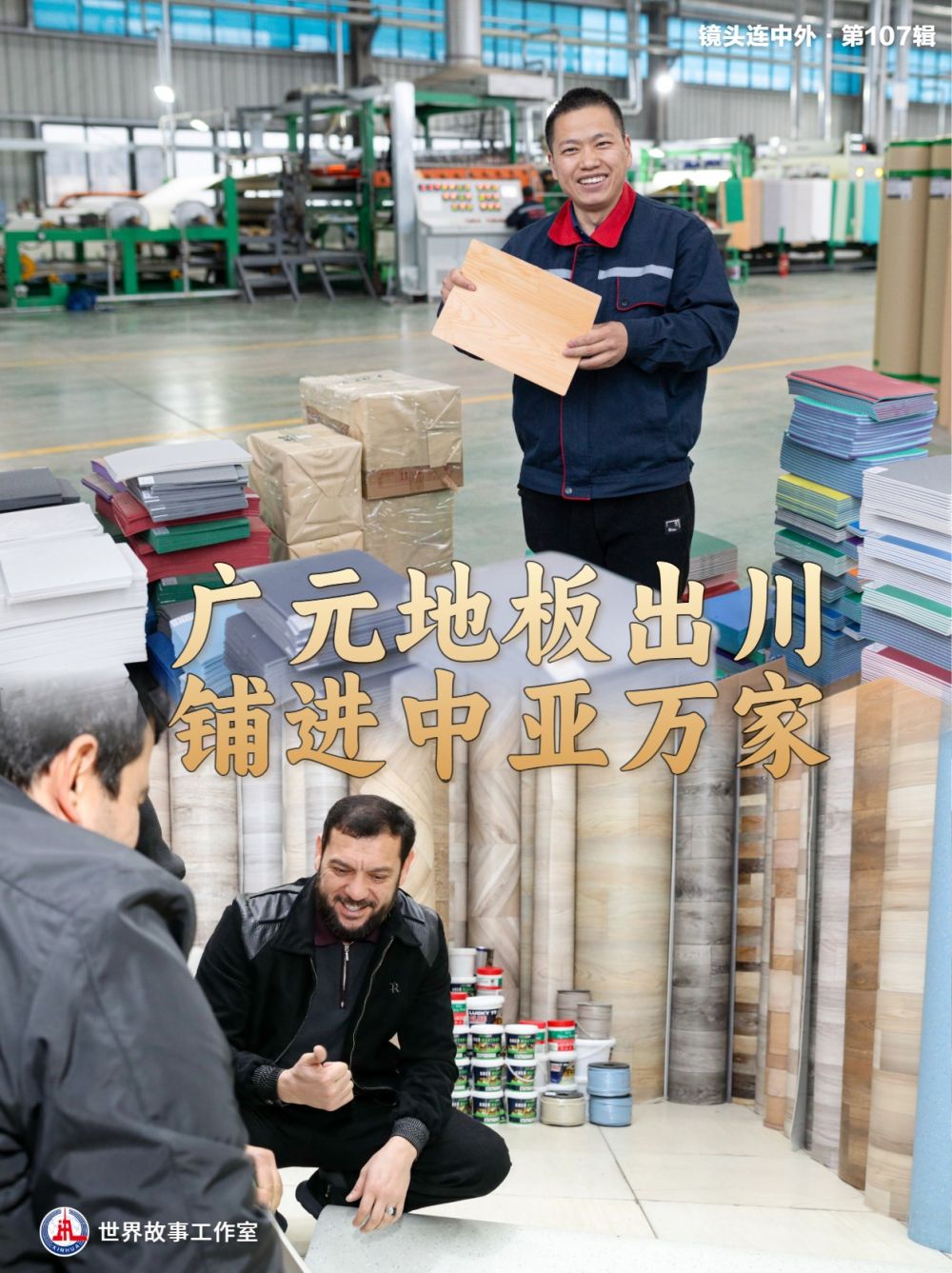
广元地板出川 铺进中亚万家丨镜头连中外·第107辑
Xin Hua Wang· 2025-12-18 04:10
↑点击观看视频 作为蜀道入川第一站 四川广元 曾以"难于上青天"闻名 如今交通变,生活新,百业兴 广元绿色家居产业 展现出蓬勃活力 ↑这是12月12日在四川省广元市拍摄的一家卷材地板制造车间(无人机照片)。 ↑12月12日,工人在四川省广元市一家卷材地板制造车间比对样品颜色。 ↑这是12月12日在四川省广元市拍摄的一家卷材地板制造车间的颜料区(无人机照片)。 ↑12月12日,工人在四川省广元市一家卷材地板制造车间监控浆液流量。 ↑12月12日,工人在四川省广元市一家卷材地板制造车间的生产线上工作(无人机照片)。 ↑12月12日,工人在四川省广元市一家卷材地板制造车间的生产线上工作。 ↑12月12日,工人在四川省广元市一家卷材地板制造车间整理离型纸。 ↑12月12日,工人在四川省广元市一家卷材地板制造车间进行装车作业(无人机照片)。 ↑12月12日,工人在四川省广元市一家卷材地板制造车间进行装车作业。 ↑12月12日,四川省广元市一家卷材地板公司的经理杨耀超介绍产品特征。 ↑12月12日,在四川省广元市,一辆载有卷材地板的货车驶出制造车间(无人机照片)。 凭借优异的产品力 当地家居产业城的卷材地板 远销国内外 ...
兔宝宝参股企业IPO临考:产业协同背后的关联交易之辨
Xin Lang Cai Jing· 2025-12-17 08:42
Core Viewpoint - The dual role of Rabbit Baby as both a shareholder and a core customer of its invested company, Jiangsu Jiashijia New Materials Group Co., Ltd., adds uncertainty to the IPO process of Jiashijia, attracting increased scrutiny from regulatory bodies [1][4]. Regulatory Scrutiny of Related Transactions - Regulatory rules emphasize the importance of related transactions during the IPO review process, focusing on commercial necessity, procedural compliance, and fair pricing [2][5]. - Rabbit Baby's role as a strategic shareholder and key raw material purchaser creates inherent related transaction attributes, raising concerns about potential conflicts of interest [2][5]. - Jiashijia must demonstrate to regulators that its ongoing transactions with Rabbit Baby are based on independent and fair commercial logic, rather than potential profit transfer [2][5]. Balancing Industrial Synergy and Independence - Rabbit Baby's investment in upstream suppliers like Jiashijia reflects a strategic intent to strengthen its core supply chain and build an industrial ecosystem, ensuring stable and quality raw material supply [3][7]. - The close relationship between Rabbit Baby and Jiashijia can validate commercial rationale, but excessive reliance on transactions may raise doubts about Jiashijia's independence and sustainable profitability [3][7]. - Jiashijia's ability to clearly define its business boundaries with Rabbit Baby in its prospectus will be crucial for passing the IPO review, demonstrating its capability to independently secure market orders [3][7]. - The situation highlights a classic market dilemma: encouraging industrial integration while ensuring the independence of listed companies and the fairness of transactions [3][7].

燕加隆集团:以BuildMost平台构建产业互联网生态
Sou Hu Cai Jing· 2025-12-17 06:37
Core Viewpoint - Yanjialong Group, founded in 1997, has evolved into a global leader in integrated engineering project solutions under the leadership of Chairman He Yixin, covering the entire home building materials industry chain and industrial internet platform operations [1] Group Overview - The company aims to "create beautiful living spaces for humanity" and has developed a unique "offline full-chain service + online platform ecosystem" dual-engine model [3] - Yanjialong provides comprehensive one-stop integrated solutions for high-end engineering projects, serving over 100,000 projects in more than 200 countries and regions [3] - The online platform BuildMost integrates nearly 20,000 Chinese factories and over 60,000 global design service providers, attracting over 300,000 professional buyers [3] Competitive Advantages - The company's core competitiveness stems from three unique systems: a full-cycle service chain that reduces costs while enhancing project quality, an all-encompassing industrial internet ecosystem, and a strong capability in global resource integration developed over nearly 30 years [4] - Yanjialong has successfully navigated international trade barriers, achieving significant victories in various international intellectual property and anti-trade barrier lawsuits, which have lowered industry patent fees by at least 35% [5] Strategic Developments - In 2018, the company upgraded its strategy to create the BuildMost international industrial internet platform, transitioning from product supplier to an industrial ecosystem operator [6] - The platform aims to link factories, design service providers, construction service providers, investors, and consumers globally, establishing a multi-language online and offline market [7] Future Outlook - The company faces challenges in the export economy, including uncertainties in the SWIFT payment system and logistics cost fluctuations [7] - Yanjialong's vision is to become the "global resource allocation hub" in the engineering project field, ensuring that every building and living space meets human expectations for a better life [7]

佳饰家冲刺IPO背后 兔宝宝“股东+客户”身份引争议
Bei Jing Shang Bao· 2025-12-16 16:19
Core Viewpoint - The dual role of Rabbit Baby as both a shareholder and a core customer of Jiangsu Jiashijia New Materials Group, which is preparing for an IPO, has attracted market attention due to potential regulatory scrutiny regarding related party transactions [1][6]. Group 1: Company Background and Investment - Rabbit Baby invested 63.7 million yuan to acquire a 4.84% stake in Jiashijia in 2021, establishing a significant strategic partnership while maintaining a stable procurement relationship [3][4]. - Jiashijia specializes in decorative printing paper and related materials, which are essential for Rabbit Baby's products, indicating a strong business interdependence [3][4]. Group 2: Regulatory Scrutiny and Compliance - The relationship between Rabbit Baby and Jiashijia has raised concerns regarding related party transactions, which require thorough examination of necessity, fairness, and procedural compliance during the IPO review process [1][6]. - Regulatory guidelines emphasize that related party transactions must adhere to principles of fair pricing and proper disclosure, with a focus on the commercial substance of the transactions [6][7]. Group 3: Financial Implications and Market Position - Rabbit Baby's financial performance has been positively impacted by its investment in Jiashijia, with expectations of significant gains if Jiashijia successfully completes its IPO [9]. - The successful listing of Jiashijia is anticipated to enhance Rabbit Baby's brand recognition and market trust, further strengthening their collaborative business efforts [9]. Group 4: Strategic Investment and Supply Chain Management - Rabbit Baby's investment strategy aims to solidify its supply chain by partnering with key suppliers, thereby enhancing operational efficiency and market competitiveness [8]. - The company is focused on fostering a collaborative ecosystem among suppliers to drive innovation and improve product offerings in the high-end home furnishing market [8].
“股东+客户”双重身份引关注 兔宝宝产业链投资再下一城
Bei Jing Shang Bao· 2025-12-15 14:46
Core Viewpoint - The company Tubaobao's investment in the surface materials company Jiashijia has completed its IPO guidance and is preparing to enter the A-share market, raising market attention due to its dual role as a shareholder and core customer [1][3]. Group 1: Investment and Shareholding - Tubaobao invested 63.7 million yuan to acquire a 4.84% stake in Jiashijia in 2021, establishing a significant strategic partnership while maintaining a core raw material procurement relationship [3][4]. - Jiashijia's main products include decorative printing paper and impregnated paper, which are essential for Tubaobao's operations in the home building materials sector [3][4]. Group 2: Regulatory and Compliance Issues - The dual relationship of Tubaobao as both a shareholder and a core customer has triggered regulatory scrutiny regarding related party transactions during Jiashijia's IPO process [1][5]. - Regulatory rules require that related party transactions must adhere to principles of fair pricing, compliance in the review process, and proper information disclosure [5][6]. Group 3: Financial Implications - Tubaobao's revenue for the first three quarters was 6.319 billion yuan, a year-on-year decrease of 2.25%, while net profit increased by 30.44% to 629 million yuan, largely due to the fair value changes from its investment in the listed company Hanhigh Group [8]. - The successful IPO of Jiashijia is expected to provide Tubaobao with significant financial returns and improve the liquidity of its investment assets [8]. Group 4: Strategic Importance - Tubaobao's investment strategy focuses on binding with upstream suppliers to enhance supply chain collaboration, which is crucial in a competitive market environment [7]. - The listing of Jiashijia is anticipated to strengthen the business synergy between the two companies, enhancing Tubaobao's access to high-quality raw materials and fostering innovation in product development [8].
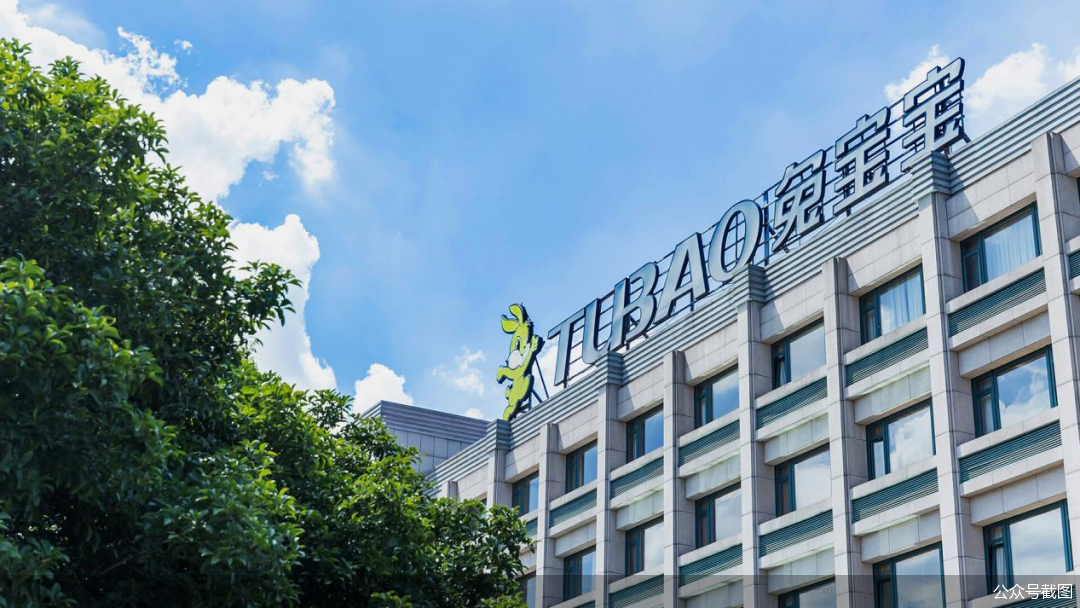
探秘品质内核 解码未来之家|12月15日,兔宝宝媒体工厂行,共鉴“好房子”真实模样
Xin Lang Cai Jing· 2025-12-11 10:10
Core Viewpoint - The company Tubao is actively participating in the construction of the "Good House" project in Zhejiang, showcasing its strength and commitment to quality in the home improvement sector [1][19][20]. Group 1: Event Overview - Tubao will host a media event on December 15, 2025, inviting various authoritative media outlets to visit the "Good House" exhibition and explore the brand's commitment to quality [1][20]. - The event will focus on in-depth discussions about product quality, brand service, and corporate culture, allowing media representatives to experience Tubao's comprehensive capabilities [3][22]. Group 2: Company Strengths - As a leading brand in the home building materials industry, Tubao emphasizes consumer-centricity and integrates product philosophy into every aspect of its operations, aiming for excellence in quality [19][38]. - Tubao has a well-established sales network that serves customers nationwide, ensuring high-quality products reach numerous households [19][38]. - The company has contributed to significant national projects, including the Shanghai Expo, G20 Summit, and the Hangzhou Asian Games, demonstrating its industry leadership and reliability [19][38]. Group 3: Product Innovations - The "Good House" project features innovative designs such as a multifunctional storage cabinet with large capacity and an electric rotating shoe rack for easy access [7][27]. - The project also includes a pet-friendly area made from safe and environmentally friendly materials, designed to protect pet health and provide dedicated play spaces [31]. - Additional features include an electric movable cabinet that allows for flexible space adjustments, catering to various usage needs [14][33].