
科学仪器

Search documents
2%巅峰对决:"3i奖-优秀新品"20年见证仪器市场创新力量
仪器信息网· 2025-12-31 09:02
Core Viewpoint - The "3i Award - Excellent New Products" has recognized a total of 429 outstanding new products over the past 20 years, highlighting the importance of innovation in the scientific instrument industry and its role in driving economic and technological advancement [1][4]. Group 1: Importance of Scientific Instruments - Technological innovation is a core driving force for economic and social development, with scientific instruments serving as critical tools for research and innovation [2]. - Advanced scientific instruments facilitate exploration in both fundamental and applied research, revealing natural laws and accelerating the development and commercialization of new technologies [2]. Group 2: Overview of the 3i Award - The "3i Award - Excellent New Products" was initiated in 2006 to objectively showcase innovative scientific instruments and encourage manufacturers to meet user needs [3]. - The award has gained significant recognition over 20 years, becoming one of the most authoritative awards in China's scientific instrument industry, with nominations from nearly 300 manufacturers and around 700 new products each year [3]. Group 3: Award Statistics - The award has a low winning ratio, with about 20% of nominated products receiving a nomination and less than 2% winning the Excellent New Product Award, enhancing the award's prestige [3]. - The top 10 companies recognized for their outstanding new products include Thermo Fisher (41 awards), Focused Photonics (24), Agilent (19), and others, reflecting their commitment to innovation in the Chinese scientific instrument market [5][6][7]. Group 4: Future Outlook - As of December 29, 2025, over 200 domestic and international instrument companies have submitted 529 new products for the 2024 and 2025 awards, indicating a vibrant and innovative industry [7]. - The application period for the "3i Award - Excellent New Products (2025)" will close on January 15, 2026, inviting manufacturers to participate in this significant event [7][9].


字节跳动跨界冷冻电镜,布局千亿科学仪器市场
仪器信息网· 2025-12-31 09:02
Core Viewpoint - ByteDance is making significant strides in the "AI for Science" sector, particularly through its recent patent in cryo-electron microscopy, indicating a comprehensive strategy that integrates algorithm development, capital investment, and cloud service implementation [1][3]. Market Context - The global cryo-electron microscopy market is projected to exceed $4 billion by 2035, marking a shift from traditional physical models to data and algorithm-driven approaches in structural biology [3]. - Cryo-electron microscopy has become foundational in structural biology and modern drug discovery, yet faces challenges such as low signal-to-noise ratios in images and complex, time-consuming data processing reliant on expert experience [4]. Technological Innovation - The newly patented "cryo-electron microscopy image processing method" offers a novel solution to the core challenges in the field, utilizing a deep learning framework that directly maps raw images to protein models [5]. - This innovation incorporates physical and chemical constraints into the AI model, allowing for a more accurate understanding of biological structures and their dynamic conformational changes [5]. Validation and Impact - The patent, published in 2023, has quickly transitioned from concept to validation, with results from ByteDance's research being published in a leading journal in November 2024 [6][8]. - The successful validation of the technology demonstrates ByteDance's capability to produce scientifically rigorous results, indicating a potential paradigm shift in data analysis processes across various scientific fields [9]. Capital Strategy and Ecosystem - ByteDance's strategy includes significant investments in key companies within the cryo-electron microscopy sector, revealing a dual focus on technology development and industry application [10]. - Collaborations with industry leaders have led to the creation of cloud-based solutions aimed at reducing data processing costs by over 50%, establishing a clear "AI-technology-industry investment-cloud platform" ecosystem [12]. Competitive Landscape - The entry of major tech companies like Google, NVIDIA, and Microsoft is fundamentally altering the competitive dynamics in cryo-electron microscopy, shifting the focus from software functionality to integrated AI-driven workflows [15]. - The industry is moving towards a model where AI capabilities are deeply integrated into scientific tools, redefining efficiency boundaries in research [15]. Conclusion - ByteDance's comprehensive approach, characterized by a patent, a published paper, strategic investments, and a cloud platform, outlines a clear strategic map for the future of scientific instrumentation [16]. - The industry is transitioning from "software-defined instruments" to "intelligent-driven discoveries," emphasizing the importance of building an "AI + instruments + cloud" ecosystem for future competitiveness [16].

2025年中国科学仪器行业十大关键词
仪器信息网· 2025-12-31 09:02
Core Viewpoint - The article highlights the significant transformations and future directions of the scientific instrument industry in 2025, emphasizing the impact of geopolitical tensions, domestic innovation, and regulatory changes on the sector's development [3]. Group 1: U.S. Export Ban - In early 2025, the U.S. Department of Commerce issued a ban on the export of high-parameter flow cytometers and high-end mass spectrometry equipment to China, citing concerns that the data generated could aid China's AI and biotechnology advancements [5]. - This ban has intensified calls for domestic alternatives, raising questions about the capabilities of Chinese scientific instrument companies to match international standards [5]. - The pressure from the ban has accelerated technological advancements among leading domestic firms, highlighting the necessity for self-reliance in core technologies [5]. Group 2: Trade War 2.0 - The trade war between the U.S. and China re-emerged in 2025, with tariffs exceeding 145% at one point, leading to a series of negotiations that resulted in a temporary ceasefire by the end of October [6]. - China has adopted proactive measures in response, including placing U.S. entities on an unreliable entity list and initiating anti-dumping investigations against U.S. medical CT tubes [6]. - The trade conflict has prompted significant advancements in domestic instrument capabilities, allowing some Chinese brands to compete effectively in specific niches [6]. Group 3: "Domestic Product" Standards - Starting January 1, 2026, the government will implement "domestic product standards" for procurement, providing a clear definition of what constitutes a domestic product [8]. - The new standards will offer a 20% price evaluation advantage for qualifying domestic products, promoting both domestic and foreign companies that meet the criteria [8]. - This policy is expected to accelerate R&D investments by domestic firms and encourage foreign companies to localize their operations to adapt to the new standards [9]. Group 4: "14th Five-Year Plan" and "15th Five-Year Plan" - The "15th Five-Year Plan" emphasizes high-end scientific instruments as a key area for breakthroughs, advocating for a comprehensive approach that spans from foundational theory to application [10]. - Local governments are aligning their plans with national priorities, focusing on high-end instruments and core technology breakthroughs [10]. - The next five years are projected to be critical for the continuous advancement and self-reliance of China's scientific instrument industry [10]. Group 5: First Sets of Major Technical Equipment - The concept of "first sets of major technical equipment" refers to domestically developed equipment that has achieved significant technological advancements and is recognized for its potential [12]. - In 2025, several domestic mass spectrometer manufacturers were recognized for their innovations, marking a significant step in the industry [12]. - Policies supporting the demonstration and application of these first sets have been established, providing financial incentives and recognition to promote domestic breakthroughs [12]. Group 6: Instrument Aftermarket - The demand for services in the instrument aftermarket is rapidly increasing due to a growing user base and the aging of existing equipment [13]. - The trade tensions have led to a surge in the second-hand instrument market, with a 62% increase in transaction volume following tariff hikes [13]. - The aftermarket is evolving from a cost center to a profit center, with new business models like second-hand sales and equipment leasing driving growth [13]. Group 7: Biotechnology and Seed Industry - The biotechnology sector, particularly in seed development, has been highlighted as a critical area for national food security, with significant investments in research and development [14][15]. - The establishment of high-level research institutions and laboratories across various provinces is aimed at fostering innovation in the seed industry [15]. - Scientific instruments play a vital role in supporting the development and application of biotechnological advancements in agriculture [15]. Group 8: 2025 Edition of the Pharmacopoeia - The 2025 edition of the Chinese Pharmacopoeia is set to significantly influence laboratory practices and instrument development, with stricter requirements for testing methods and quality control [16]. - The introduction of advanced analytical techniques in the new pharmacopoeia presents both challenges and opportunities for instrument manufacturers [16]. - The revisions are expected to drive innovation and improvements in the capabilities of analytical instruments [16]. Group 9: AI and Instruments - The year 2025 is seen as a breakthrough year for AI applications, with significant integration of AI technologies into the scientific instrument sector [17][18]. - The industry is shifting from a cautious approach to actively exploring AI's potential to enhance instrument performance and expand application areas [17]. - The challenge remains to convert AI's disruptive potential into tangible innovations that drive high-quality development in the industry [18]. Group 10: National Team of Scientific Instruments - The trend of state-owned enterprises investing in the scientific instrument sector has become more pronounced in 2025, with several significant partnerships and investments announced [19][20]. - This collaboration between state capital and independent research is seen as a pathway for domestic alternatives to gain traction in the market [19]. - National industrial clusters are emerging, enhancing collaborative capabilities and supporting the industry's self-reliance and technological advancements [20].

25亿元护航,长三角G60科创走廊锚定世界级产业集群新目标
2 1 Shi Ji Jing Ji Bao Dao· 2025-12-26 14:30
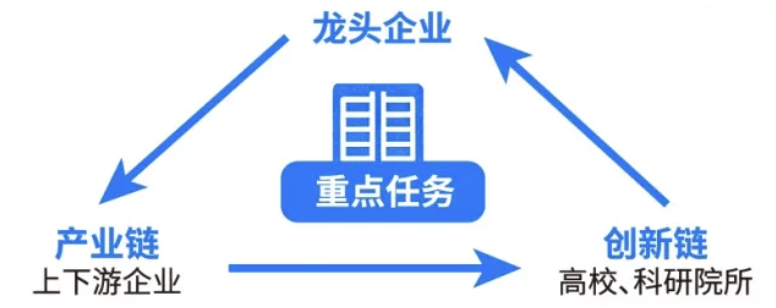
Core Insights - The Long Triangle G60 Science and Technology Innovation Corridor is entering a new policy dividend period with the issuance of measures to support its development [1] - The measures emphasize the importance of enterprises in driving innovation and establishing a multi-source investment mechanism [2] Group 1: Policy Measures - The Shanghai government plans to establish a special fund for the G60 Science and Technology Innovation Corridor, with a total investment of 2.5 billion yuan over five years, including 1 billion yuan from the municipal government and 1.5 billion yuan from district finances [1] - The measures aim to strengthen applied basic research, accelerate collaborative breakthroughs in key technologies, and build high-level collaborative innovation platforms [2] Group 2: Role of Enterprises - Enterprises are highlighted as key players in the innovation ecosystem, with a focus on organizing various research forces to conduct market-oriented applied research [2] - The measures include a mechanism for enterprises to propose projects that align with national strategic needs, facilitating collaboration with global institutions [2] Group 3: Educational and Industrial Collaboration - The Songjiang University Town is designated as a core engine for innovation, focusing on technology transfer and new industry cultivation [4] - A collaborative innovation mechanism is being established, led by major enterprises and supported by relevant universities [4] Group 4: Industry Development Focus - The measures outline a focus on accelerating the development of the new generation of electronic information and aerospace industries, with specific support for smart terminal products and satellite internet technologies [6] - Financial support is provided for key projects, including up to 5 million yuan for smart terminal manufacturing and 1 million yuan for satellite internet applications [6] Group 5: Regional Cooperation - The measures propose establishing a benefit-sharing mechanism for cross-regional industrial cooperation within the G60 corridor [7] - There is an emphasis on deepening the mutual recognition and communication of technology innovation vouchers across regions [7]
我国成功研制高通量单细胞质谱仪
仪器信息网· 2025-12-26 09:02
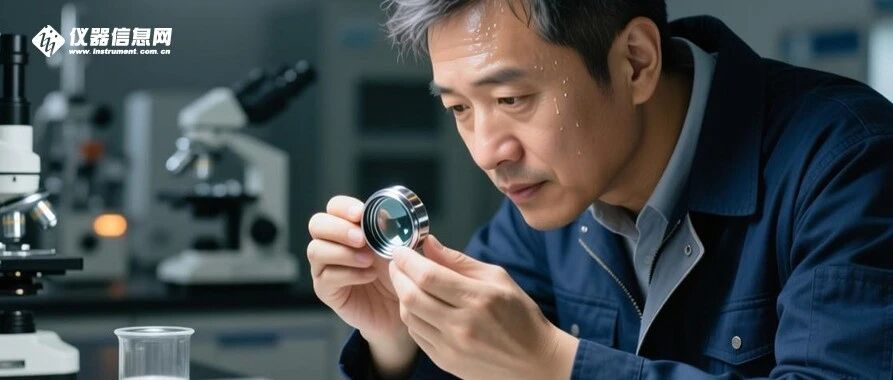
特别提示 微信机制调整,点击顶部"仪器信息网" → 右上方"…" → 设为 ★ 星标,否则很可能无法看到我 们的推送。 从市场监管总局获悉,我国日前已成功 攻克单细胞质谱分析关键技术 ,自主研制出 高通量、 高灵敏度的单细胞质谱仪 ,实现了对单细胞中多极性代谢物的自动化定性定量分析。这一重大 突破标志着我国在高端生命科学仪器领域迈出关键一步。 针对上述难题,市场监管总局组织国内优势科技力量,围绕样品高通量筛分、高效离子化与传 输、高灵敏检测及系统分析方法等关键技术展开集中攻关。科研团队完成了从样品制备、自动 取样、离子源、质量分析器到数据处理等多个系统与模块的构建与集成,最终成功研制出性能 稳定、质量可靠的高通量单细胞质谱仪, 整机具备完全自主知识产权 。 据了解,该技术实现了对单细胞中多极性代谢物的自动化、定量化分析,大幅提升了检测效率 和数据可靠性。目前,已在生命科学基础研究及临床医学领域展开示范应用,为我国单细胞分 析科研水平的提升与高端科学仪器的自主可控提供了坚实的技术支撑。 细胞之间存在显著的个体差异,深入研究其微观生物学机制,对揭示生命活动本质、推动疾病 精准诊疗及新药研发具有重大科学价值。质谱技 ...

突破!双非高校攻克高端质谱仪核心部件难关
仪器信息网· 2025-12-26 09:02
Core Viewpoint - The research team led by Professor Lei Zili from Hubei University of Technology has achieved a significant breakthrough in the field of high-end mass spectrometry, with a patent conversion amount reaching 10.5 million yuan, marking a historical high for the university [1][3]. Group 1: Breaking Foreign Monopoly - The ion source lens optical system is a core component of high-end mass spectrometers, which has long been monopolized by foreign manufacturers, hindering the autonomy of domestic mass spectrometers. The team successfully overcame key technical challenges, breaking this monopoly and filling a technological gap in the domestic market [2][6]. Group 2: Promoting Domestic Mass Spectrometer Industrialization - The patent conversion amount of 10.5 million yuan indicates that the technology has entered the industrial application phase. Domestic mass spectrometer companies can now utilize the independently developed ion source lens optical system, leading to an increase in market share from 5% in 2020 to 15% by 2025 [3][4]. Group 3: Enhancing Performance and Market Competitiveness - The core advantages of the ion source lens optical system include its modular architecture and adaptive temperature control technology, which significantly improve the focusing precision and stability of the ion beam. This enhancement has led to a more than 30% increase in detection efficiency and a 40% reduction in equipment procurement costs, making domestic mass spectrometers more competitive in the market [4][5]. Group 4: Supporting Technological Upgrades and Expanding Application Scenarios - The breakthrough provides essential technical support for the domestic production of high-end mass spectrometers, with applications in various fields such as light industry, energy, and marine equipment. This technology enables more precise analysis of oil and gas components in energy exploration and expands the application scenarios for domestic mass spectrometers [5][6]. Group 5: Strengthening Industry Chain Security - High-end mass spectrometers are critical equipment in the modern industrial system, and their level of autonomy directly impacts national technological and industrial security. The technological breakthrough enhances the security of the industry chain and supports the national strategy for technological self-reliance, providing crucial equipment support for innovation in high-end manufacturing, new energy, and biomedicine [6].
上海出台措施支持长三角G60科创走廊策源地建设
Zhong Guo Jing Ji Wang· 2025-12-26 06:06
Core Viewpoint - Shanghai has introduced measures to support the construction of the G60 Science and Technology Innovation Corridor, aiming to upgrade it to a "world-class" level and contribute to the establishment of an international science and technology innovation center in the Yangtze River Delta [1] Group 1: Policy Measures - The measures include 23 support policies focusing on building a technology innovation source, creating world-class industrial clusters, nurturing a first-class innovation ecosystem, and sharing technology innovation resources [1] - Key initiatives involve the development of the Shanghai Songjiang University Town Science and Technology Innovation Source, as well as the layout of the scientific instrument industry and 6G industry [1] Group 2: Songjiang University Town - The Songjiang University Town Science and Technology Innovation Source consists of an innovation core area and an industrial transformation area, featuring functions such as innovation research and development, technology transformation, industrial incubation, and production [2] - The area is home to 8 universities and 120,000 faculty and students, providing a dense resource of scientific and educational talent [2] - The comprehensive empowerment center in the university town is operational, promoting the transformation of scientific research achievements from universities and aligning them with key industries in the Songjiang District [2] Group 3: G60 Corridor Development - The G60 Science and Technology Innovation Corridor has progressed from the initial stage of platform construction and brand promotion to a deeper and more practical second stage [3] - The national "14th Five-Year Plan" emphasizes forward-looking layouts for future industries and breakthroughs in critical fields such as industrial mother machines and scientific instruments, which the measures align with [3]
上海发布重磅文件
第一财经· 2025-12-26 02:25
Core Viewpoint - The article discusses the measures introduced by Shanghai to support the G60 Science and Technology Innovation Corridor in the Yangtze River Delta, focusing on building a world-class industrial cluster and fostering a high-quality innovation ecosystem [3][4]. Group 1: Support Measures - The measures include 23 support policies aimed at creating a technology innovation source, building world-class industrial clusters, nurturing a first-class innovation ecosystem, and sharing technology innovation resources [3]. - The focus is on the integration of the G60 corridor with the broader Yangtze River Delta region to enhance technological and industrial innovation [3][4]. Group 2: Industrial Focus Areas - The measures emphasize the development of the new generation of electronic information industry (smart terminals) and the aerospace industry (satellite internet) [3][4]. - A systematic layout for the scientific instrument industry is proposed, which is crucial for ensuring the autonomy of the supply chain and supporting cutting-edge technological innovation [4]. Group 3: Future Industry Goals - By 2027, the goal is to break through several disruptive technologies and cultivate around 20 leading ecological enterprises, with a target of forming strategic emerging industry clusters by 2030 [5]. - The expected industrial scale in the area is projected to exceed 1000 billion yuan by 2030, with the aim of gathering 5-8 leading enterprises and over 300 industry chain companies [5]. Group 4: Financial and Talent Support - Financial support mechanisms include funding for research and development, with up to 30% of total project investment covered, and a maximum of 3 million yuan available for specific projects [11][17]. - There is a focus on enhancing talent support through the integration of education and technology, aiming to attract high-level talent and support the development of innovative personnel [47].

推动G60科创走廊迈向“世界级” 上海提出23条支持政策 打造科技创新和产业创新开路先锋
Jie Fang Ri Bao· 2025-12-26 01:47
Core Viewpoint - The Shanghai municipal government has released a set of measures to support the development of the G60 Science and Technology Innovation Corridor, aiming to upgrade it to a "world-class" level and contribute to the establishment of an international science and technology innovation center in Shanghai [1] Group 1: Building a Science and Technology Innovation Source - The measures propose a multi-faceted investment mechanism for applied basic research, supporting enterprises to organize various industry-academia-research collaborations [2] - Establishment of high-level collaborative innovation platforms, including national key laboratories and manufacturing innovation centers [2] - The creation of the Songjiang University Town Innovation Source, which will optimize academic discipline layouts to better match industrial needs and promote technology transfer [2] Group 2: Building World-Class Industrial Clusters - The measures emphasize the high-quality development of modern industrial clusters, supporting advanced manufacturing, strategic emerging industries, and innovative industrial clusters [3] - Accelerating the development of the new generation of electronic information industry and aerospace industry, including satellite internet projects [3] - Fostering the scientific instrument industry and creating a scientific instrument innovation port to support public service platforms [3] Group 3: Layout of Scientific Instrument and 6G Industries - The measures provide a systematic layout for the scientific instrument and 6G future industries, which are crucial for building high-end industrial clusters in Shanghai [4] - The strategy for the scientific instrument industry includes domestic substitution, high-end breakthroughs, and ecological collaboration [4] - The 6G future industry aims to establish a competitive edge in global technology, with plans to cultivate around 20 leading enterprises by 2027 and achieve an industrial scale exceeding 100 billion yuan by 2030 [5][6] Group 4: Cultivating an International First-Class Innovation Ecosystem - The measures propose the establishment of high-quality incubation platforms and support for enterprises to collaborate with various industry-academia-research forces [6] - Strengthening financial support for technology and promoting cooperation between innovation funds [6] - Enhancing talent support and protection of intellectual property rights, including the establishment of a local intellectual property protection center [6] Group 5: Sharing Technology Innovation Resources - The measures aim to optimize the layout of science and technology innovation spaces and improve the comprehensive transportation system [6] - Implementation of flexible land management policies to support technology innovation projects [6] - Establishment of special funds with a total investment of 2.5 billion yuan over five years from municipal and district finances [6]
上海:高水平建设长三角G60科创走廊策源地
Xin Hua She· 2025-12-25 12:48
Core Viewpoint - Shanghai has introduced measures to support the construction of the Yangtze River Delta G60 Science and Technology Innovation Corridor, focusing on integrating technological and industrial innovation [1] Group 1: Support Measures - The measures include 23 support policies aimed at building a high-level innovation source in Songjiang District, promoting the integration of technology and industry [1] - Key areas of focus include the establishment of the Songjiang University Town Innovation Source, the layout of the scientific instrument industry, and the development of the 6G industry [1] Group 2: Innovation Ecosystem - The Songjiang University Town Innovation Source will consist of two main areas: the core area for innovation sourcing and the area for industrial transformation, facilitating R&D, technology transfer, incubation, and manufacturing [1] - Future efforts will concentrate on promoting the transformation of university scientific achievements, optimizing urban park resource utilization, enhancing collaboration between universities and enterprises, and strengthening the support for various innovation elements [1] Group 3: Industrial Cluster Development - The G60 Science and Technology Innovation Corridor has progressed to a second phase focused on deepening and amplifying effects, moving beyond initial platform construction and brand establishment [1] - Specific initiatives under the framework of building world-class industrial clusters include the creation of the Songjiang Scientific Instrument Industrial Park, the establishment of a scientific instrument innovation port, and the creation of a national 6G comprehensive testing base [1]