
Autonomous Driving

Search documents
Mobileye: A High Growth Tech Leader Trading At A Bargain Price
Seeking Alpha· 2026-01-14 10:17
Core Insights - Mobileye (MBLY) is positioned as a significant player in the autonomous driving sector, with strong growth potential due to its technology being utilized by leading OEMs for Advanced Driver Assistance Systems (ADAS) [1] Company Overview - Mobileye's technology is integral to the development of ADAS, indicating its critical role in the future of autonomous driving [1] Market Position - The firm is recognized for its impressive business model and solid potential in the rapidly evolving autonomous driving market [1]



WeRide Makes Robotaxi Booking Effortless via Tencent's Super-app WeChat in China
Globenewswire· 2026-01-14 09:00
Core Insights - WeRide has launched its Robotaxi service Mini Program "WeRide Go" on WeChat, enhancing accessibility for users in China [1][3] - The integration with WeChat allows users to book Robotaxi rides without needing a separate app, streamlining the user experience [2][3] - WeRide aims to expand its Robotaxi fleet to tens of thousands by 2030, leveraging WeChat's extensive user base to boost ride volume and user retention [4] Company Overview - WeRide is a leader in the autonomous driving sector, operating over 1,000 Robotaxis globally, with fully driverless operations in major cities like Guangzhou and Beijing [4][5] - The company has received autonomous driving permits in eight markets, including China, the UAE, and the US, showcasing its regulatory compliance and market reach [5] - WeRide's technology platform, WeRide One, supports a range of autonomous driving products and services, addressing various transportation needs [5]

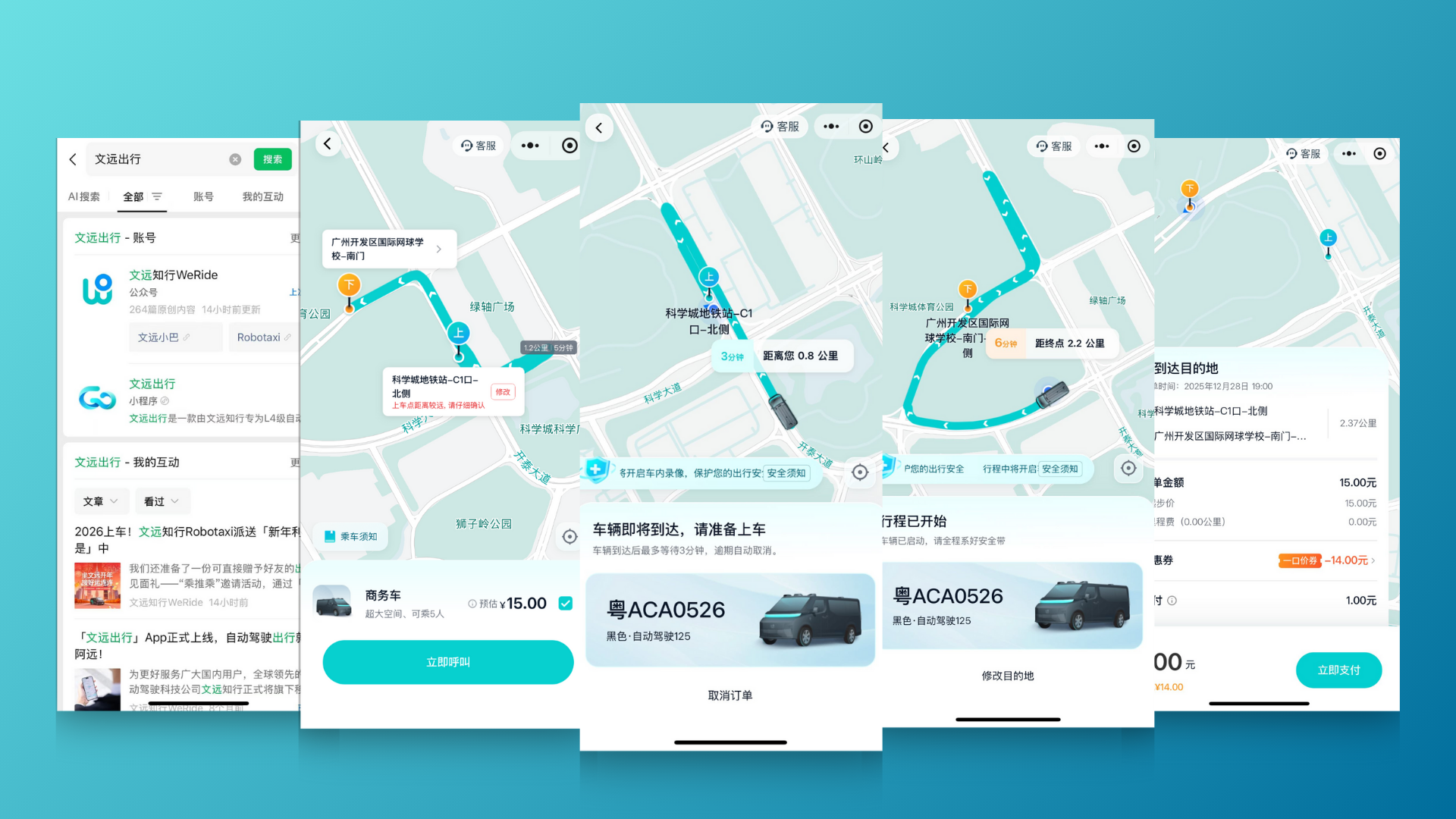
WeRide Makes Robotaxi Booking Effortless via Tencent's Super-app WeChat in China
Globenewswire· 2026-01-14 09:00
Core Insights - WeRide has launched its Robotaxi service Mini Program "WeRide Go" on WeChat, enhancing accessibility for users in China [1][3] - The integration with WeChat allows users to book Robotaxi rides without needing a separate app, streamlining the user experience [2][3] - WeRide aims to expand its Robotaxi fleet to tens of thousands by 2030, leveraging WeChat's extensive user base to boost ride volume and user retention [4] Company Overview - WeRide is a leader in the autonomous driving sector, operating over 1,000 Robotaxis globally, with fully driverless operations in major cities like Guangzhou and Beijing [4][5] - The company has received autonomous driving permits in eight markets, including China, the UAE, and the US, showcasing its regulatory compliance and market reach [5] - WeRide's technology platform, WeRide One, supports a range of autonomous driving products and services, addressing various transportation needs [5]


端到端智驾新SOTA | KnowVal:懂法律道德、有价值观的智能驾驶系统
机器之心· 2026-01-14 07:18
Core Viewpoint - The article discusses the development of KnowVal, an advanced autonomous driving system that integrates perception and knowledge retrieval to enhance visual-language reasoning capabilities, aiming for higher levels of automated driving [4][21]. Group 1: System Overview - KnowVal is a novel autonomous driving system that combines perception modules with knowledge retrieval modules to achieve visual-language reasoning [4]. - The system constructs a comprehensive driving knowledge graph that includes traffic regulations, defensive driving principles, and ethical considerations, supported by an efficient retrieval mechanism based on large language models [4][15]. - KnowVal integrates a world model and a value model within its planner to ensure value-aligned decision-making [4][11]. Group 2: Technical Framework - The system employs an open 3D perception and knowledge retrieval framework, enhancing the traditional visual-language paradigm to facilitate basic visual-language reasoning [7][9]. - It utilizes specialized perception for autonomous driving and open-world 3D perception to extract both common and rare instance features, ensuring effective feature transfer throughout the system [9]. - The knowledge graph retrieval process involves natural language processing of perception data to access relevant knowledge entries, ranked by relevance [10][15]. Group 3: Value Model and Trajectory Planning - KnowVal's trajectory planning is based on a world prediction and value model, iteratively generating candidate trajectories and evaluating them against retrieved knowledge for value assessment [11][19]. - A large-scale driving value preference dataset was created to train the value model, consisting of 160,000 trajectory-knowledge pairs, which were annotated with value scores ranging from -1 to 1 [19]. Group 4: Experimental Results - The KnowVal framework was tested against baseline models GenAD, HENet++, and SimLingo, achieving the lowest collision rate on the nuScenes dataset and the highest driving score and success rate on the Bench2Drive benchmark [21]. - The results indicate that KnowVal outperforms existing end-to-end and visual-language-action models, demonstrating its effectiveness in real-world driving scenarios [21][22]. Group 5: Qualitative Analysis - The article highlights qualitative analysis examples to illustrate KnowVal's performance in adhering to legal and ethical driving behaviors, such as slowing down in wet conditions and obeying lane change regulations in tunnels [23][25].

为什么都在期待百度拆分上市?
3 6 Ke· 2026-01-13 12:26
Core Viewpoint - Baidu's subsidiary Kunlun Chip has submitted an A1 listing application to the Hong Kong Stock Exchange, signaling a potential shift in strategy towards valuing its core assets through spin-offs [1][2]. Group 1: Spin-off Significance - The spin-off of Kunlun Chip is not just a subsidiary listing but a signal of Baidu's intent to unlock value amid a challenging environment for Chinese internet giants regarding asset separation [2]. - The market has historically undervalued Baidu, perceiving it primarily as a traditional search advertising company, despite its significant investments in AI and technology [3][4]. - Kunlun Chip, as a leading AI chip manufacturer, has been undervalued within Baidu, which limits its growth potential and financing capabilities [5][6]. Group 2: Market Dynamics and Identity - The chip industry operates on a principle of neutrality, which has hindered Kunlun Chip's growth while it remained a part of Baidu [7]. - By becoming an independent entity, Kunlun Chip can attract a broader customer base and tap into a larger total addressable market (TAM) [7]. - The financial burden of funding chip development through Baidu's advertising revenue is no longer sustainable, making the spin-off a strategic move to optimize cash flow [8]. Group 3: Future Speculations on Autonomous Driving - The potential for Baidu to spin off its autonomous driving business, particularly the Apollo project, is being speculated as the next logical step following Kunlun Chip's separation [9][10]. - The autonomous driving sector is at a critical juncture, with the need for significant investment to scale operations, which could negatively impact Baidu's financial performance if retained within the company [10][11]. - A proposed spin-off could involve creating a new company focused solely on autonomous driving, allowing for better valuation and attracting strategic investors [11][12]. Group 4: Strategic Implications - The spin-off of Kunlun Chip may serve as a precursor to further separations within Baidu, allowing each business unit to thrive independently [14][15]. - The historical context of successful spin-offs in the tech industry suggests that separating high-growth potential businesses can lead to enhanced valuations and operational efficiencies [13][14]. - Baidu's actions indicate a shift from maintaining a large conglomerate to enabling individual units with unique growth trajectories to compete effectively in their respective markets [15].

为什么自动驾驶领域内的强化学习,没有很好的落地?
自动驾驶之心· 2026-01-13 03:10
Core Viewpoint - The article discusses the challenges and advancements in reinforcement learning (RL) for autonomous driving, emphasizing the need for a balanced reward system to enhance both safety and efficiency in driving models [2][5]. Group 1: Challenges in Reinforcement Learning - Reinforcement learning faces significant issues such as reward hacking, where increased safety requirements can lead to decreased efficiency, and vice versa [2]. - Achieving a comprehensive performance improvement in RL models is challenging, with many companies not performing adequately [2]. - The complexity of autonomous driving requires adherence to various driving rules, making it essential to optimize through RL, especially in uncertain decision-making scenarios [2][5]. Group 2: Model Development and Talent Landscape - The current industry leaders have developed a complete model iteration approach that includes imitation learning, closed-loop RL, and rule-based planning [5]. - The high barriers to entry in the autonomous driving sector have led to generous salaries, with top talents earning starting salaries of 1 million and above [6]. - There is a notable gap in practical experience among many candidates, as they often lack the system-level experience necessary for real-world applications [7]. Group 3: Course Offerings and Structure - The article promotes a specialized course aimed at practical applications of end-to-end autonomous driving systems, highlighting the need for hands-on experience [8]. - The course covers various chapters, including an overview of end-to-end tasks, two-stage and one-stage algorithm frameworks, and the application of navigation information [13][14][15][16]. - It also addresses the integration of RL algorithms and trajectory optimization, emphasizing the importance of combining imitation learning with RL for better performance [17][18]. Group 4: Practical Experience and Knowledge Requirements - The final chapter of the course focuses on sharing production experiences, analyzing data, models, scenarios, and rules to enhance system capabilities [20]. - The course is designed for advanced learners with a foundational understanding of autonomous driving algorithms, reinforcement learning, and programming skills [21][22].
我们在招募这些方向的合伙人(世界模型/4D标注/RL)
自动驾驶之心· 2026-01-12 09:20
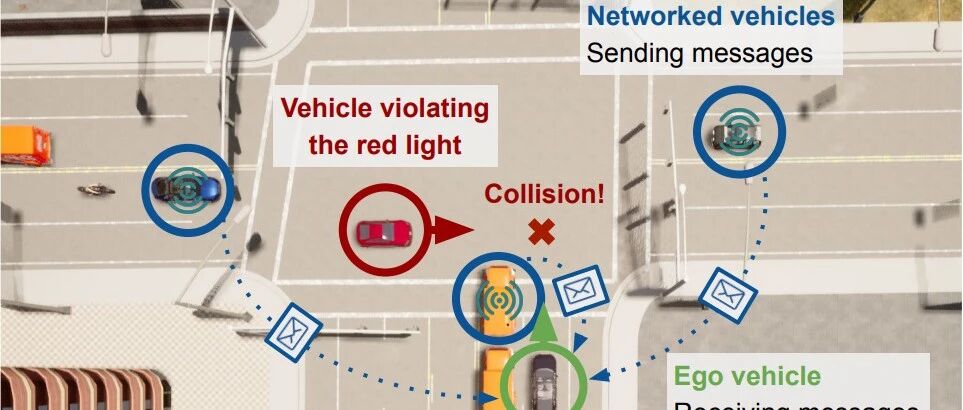
Core Viewpoint - The autonomous driving industry has entered its second phase, requiring more dedicated individuals to address its challenges and pain points [2]. Group 1: Industry Direction - The main focus areas include but are not limited to: autonomous driving product management, 4D annotation/data loop, world models, VLA, large models for autonomous driving, reinforcement learning, and end-to-end solutions [4]. Group 2: Job Description - The positions are primarily aimed at training collaborations in autonomous driving, targeting B-end (enterprises, universities, research institutes) and C-end (students, job seekers) for course development and original article creation [5]. Group 3: Contact Information - For discussions regarding compensation and collaboration methods, interested parties are encouraged to add the WeChat contact wenyirumo for further communication [6].

实车验证AlignDrive:端到端的横纵向对齐规划(西交&地平线)
自动驾驶之心· 2026-01-09 06:32
点击下方 卡片 ,关注" 自动驾驶之心 "公众号 戳我-> 领取 自动驾驶近30个 方向 学习 路线 >>自动驾驶前沿信息获取 → 自动驾驶之心知识星球 为了解决这一问题,AlignDrive 提出了一种级联框架, 使纵向规划依赖于横向路径 ,从而实现横纵规划的紧密协同。具体而言, 模型先预测横向路径(drive path) ,然后基于动态环境信息预测沿 该路径的逐时刻1D纵向位移 。可以直观地理解为:一个模块负责"转方向盘",另一个模块负责"踩油门和刹车"。这种设计让不同模块 专注于各自关键信息,尤其是纵向位移的预测,能够建立动态物体与自车行为之间更紧密的关联,使模型更充分地关注动态交互对象,从而提升对动态场景的交互建 模能力。 ★ 视频展示: 一、概述 近年来,端到端自主驾驶技术取得了显著进展,实现了感知和规划的联合处理。在规划阶段,现有的端到端模型通常将规划分解为并行的横向和纵向预测。虽然这种 方法有效,但存在两个主要问题:一是横向路径和速度之间的协调会变得更困难;二是静态信息的冗余编码,导致纵向规划未能充分利用行驶路径作为先验信息。这 些问题限制了模型在复杂场景中的表现。 论文作者 | Yanhao ...
Momenta智驾方案解析
自动驾驶之心· 2026-01-09 00:47
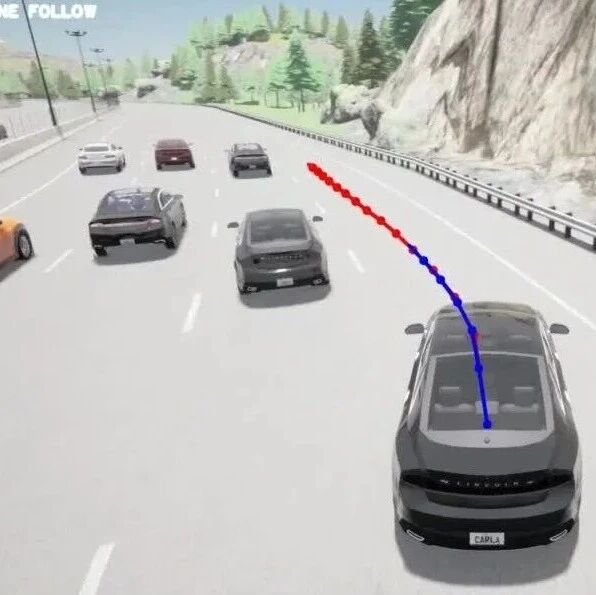
作者 | 高毅鹏@知乎 编辑 | 自动驾驶之心 原文链接: https://zhuanlan.zhihu.com/p/1981658979764568316 点击下方 卡片 ,关注" 自动驾驶之心 "公众号 戳我-> 领取 自动驾驶近30个 方向 学习 路线 >>自动驾驶前沿信息获取 → 自动驾驶之心知识星球 本文已获转载授权,转载请联系原文作者 Momenta 实现方案 Momenta 的无地图解决方案通过以下步骤实现自动驾驶功能: 数据采集与传感器输入: 感知处理: 定位计算: 路径规划与控制: 车辆配备多摄像头、激光雷达、雷达、IMU、轮速传感器和 GNSS 接收器。这些传感器持续采集环境数据和车辆状态数据。 多摄像头覆盖 360 度视野,激光雷达和雷达提供点云数据,用于构建 3D 环境模型。 感知模块接收传感器数据,使用计算机视觉和深度学习算法进行物体检测、分类和跟踪。同时,它融合多传感器数据生成局部地图,包括可行驶区域、车道线和 障碍物位置。 局部地图是实时更新的,反映了当前环境的动态变化。 定位模块融合 IMU、轮速和 GNSS 数据,通过滤波和优化算法(如 SLAM 同时定位与地图构建)计算车辆 ...
Neumann Advisory Cuts Loose Pony AI Shares Worth $23.2 Million, According to Recent SEC Filing
Yahoo Finance· 2026-01-08 15:48
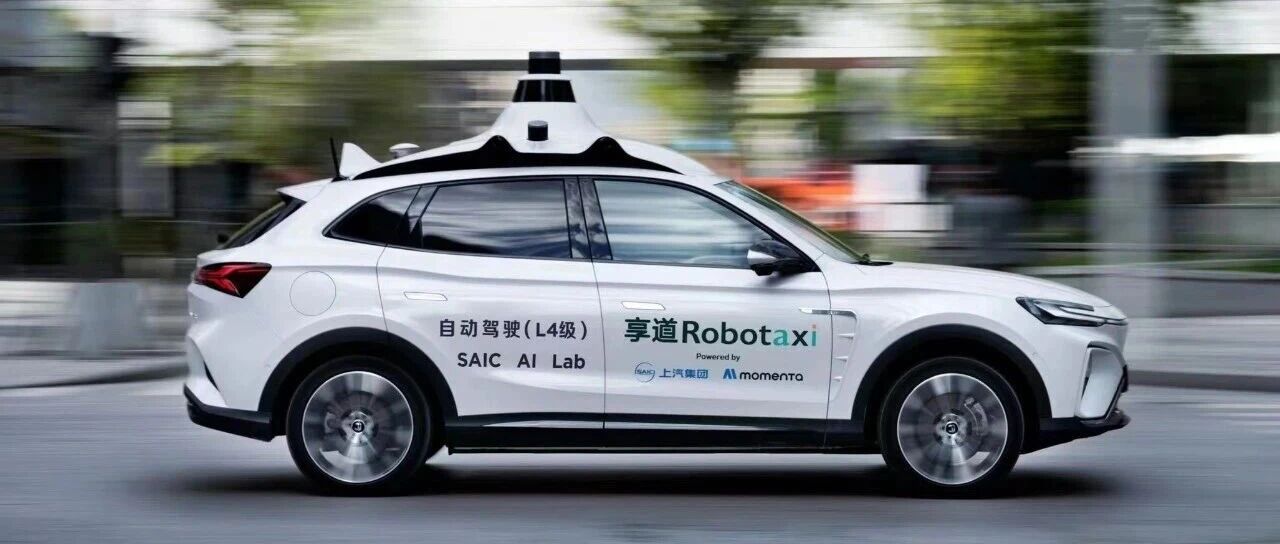
Core Insights - Neumann Advisory has completely divested its stake in Pony AI, signaling a strategic shift away from the self-driving technology sector [1][3][4] Company Overview - Pony AI Inc. specializes in autonomous driving technologies, offering services such as robotrucks, robotaxis, AV engineering solutions, and intelligent driving software [1] - The company operates in both China and the United States, with a focus on the Chinese robotaxi market [4] Financial Performance - As of January 7, 2026, Pony AI's shares were priced at $17.12, reflecting a 12.2% increase over the past year, although they have underperformed the S&P 500 by 2.15 percentage points [2] - The company reported revenue of only $75 million over the past 12 months, with a significant net loss of over $(275) million during the same period, indicating it remains a speculative startup [6] Recent Developments - Neumann Advisory sold 1,031,880 shares of Pony AI, with the estimated transaction value at $23.21 million based on quarterly average pricing [3][4] - The divested stake represented 5.9% of Neumann Advisory's assets under management (AUM) in the previous quarter [4] Future Prospects - Pony AI currently operates approximately 1,000 robotaxis across four major Chinese cities and plans to expand its operations to eight countries, including Singapore and Qatar, in the coming year [5]