医疗科技

Search documents
华检医疗(01931):杭州更好智投管理咨询正筹划收购创业慧康控制权
智通财经网· 2025-11-10 04:24
Core Viewpoint - Huajian Medical (01931) is in discussions regarding a potential control transaction involving Chuangye Huikang Technology Co., Ltd. (Chuangye Huikang) and its largest shareholder, Ge Hang [1] Group 1: Company Information - Huajian Medical has established a limited partnership enterprise in China, named Hangzhou Genghao Zhito Management Consulting Partnership (Limited Partnership), funded by its subsidiary [1] - Chuangye Huikang is a joint-stock company registered in China, listed on the Shenzhen Stock Exchange's ChiNext board [1] Group 2: Transaction Details - As of the date of the announcement, all parties are still discussing the specific terms of the potential transaction, including but not limited to transaction structure, cost, timeline, and preconditions [1] - The final terms of the potential transaction will require further negotiations and the signing of a formal agreement among the relevant parties [1]

合富中国10连板,上交所此前提醒:今日起纳入异动名单
Guan Cha Zhe Wang· 2025-11-10 03:16
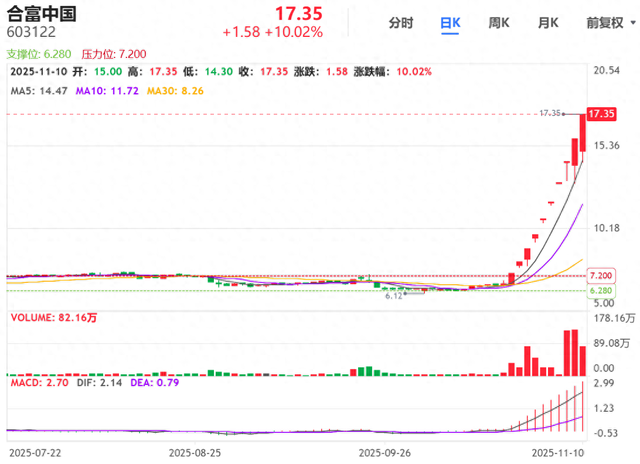
Core Viewpoint - The stock of HeFu China (603122) has experienced a significant surge, reaching a 10-day cumulative increase of 159.73%, leading to concerns about potential market overheating and irrational speculation [1][3]. Group 1: Stock Performance - HeFu China's stock has achieved a 10-day cumulative increase of 159.73%, with a closing price of 15.77 yuan per share as of November 7, 2025 [1][3]. - The stock has been on a continuous rise, hitting the daily limit price for nine consecutive trading days from October 28 to November 7, 2025 [3][4]. - The stock's price has deviated significantly from its fundamentals, with a cumulative increase of 136.08% noted [3][4]. Group 2: Trading Anomalies - HeFu China has been included in the list of stocks with significant trading anomalies, with the period of concern spanning from November 10 to November 21, 2025 [3]. - The stock has shown abnormal trading behavior, with four instances of directional abnormal fluctuations and two instances of severe abnormal fluctuations within ten trading days [3][4]. - The trading volume has surged, with turnover rates reaching 31.50% and 31.85% on November 6 and 7, respectively, indicating a "hot potato" effect in trading [4]. Group 3: Valuation Concerns - The company's current price-to-earnings ratio is significantly higher than that of its industry peers, suggesting a bubble-like characteristic in its stock price [4]. - The stock's price increase is not aligned with the company's operational performance or industry conditions, raising concerns about overvaluation [4]. - The company has advised investors to be cautious of the high valuation risks and to make rational investment decisions, as the stock price is significantly detached from its fundamentals [4].


直观复星进博会构建医疗普惠新生态:以公益守护当下,以人才赋能未来
Huan Qiu Wang· 2025-11-10 02:25
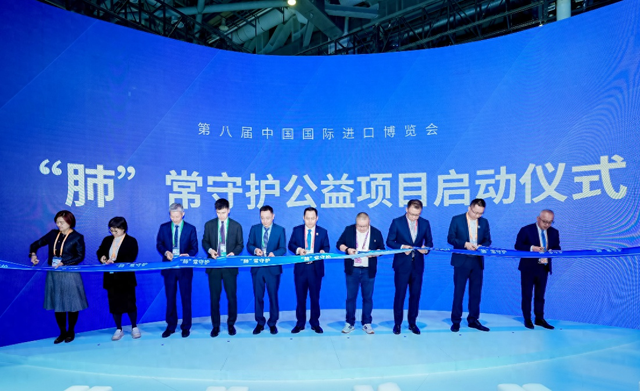
Core Insights - The eighth China International Import Expo has commenced, showcasing the integrated diagnostic and treatment solutions by the company, including advanced surgical systems and robots [1][3] - The Ion bronchoscope robot has gained significant attention, highlighting the company's commitment to lung cancer diagnosis and treatment, alongside the launch of a public welfare project aimed at high-risk occupational groups [1][3] Group 1: Event Highlights - The company presented its latest clinical applications and launched the "Lung Guardian" public welfare project in collaboration with multiple partners, focusing on providing comprehensive health protection for high-risk groups [2][3] - The establishment of the "Hema Family Medical Shape Perception Bronchoscope Robot International Training and Demonstration Center" marks a new phase in systematic technology dissemination [1][2] Group 2: Public Welfare Project - The "Lung Guardian" project aims to create a complete chain from screening to treatment for high-risk lung disease occupational groups, emphasizing the importance of early diagnosis and intervention [2][3] - Data indicates that the overall five-year survival rate for lung cancer is 19.7%, while early-stage survival rates can reach 77%-92%, underscoring the critical need for early screening [2][3] Group 3: Industry Impact - The project aligns with the "Technology for Good" philosophy promoted by the expo, facilitating collaboration among medical technology companies, public welfare organizations, and healthcare institutions [4][5] - The initiative is expected to enhance the early diagnosis and treatment of lung cancer, addressing the high incidence and mortality rates associated with the disease in China [5]
天臣国际医疗科技股份有限公司关于调整回购股份价格上限的公告
Shang Hai Zheng Quan Bao· 2025-11-09 18:27
登录新浪财经APP 搜索【信披】查看更多考评等级 ■ 天臣国际医疗科技股份有限公司 关于调整回购股份价格上限的公告 本公司董事会及全体董事保证本公告内容不存在任何虚假记载、误导性陈述或者重大遗漏,并对其内容 的真实性、准确性和完整性依法承担法律责任。 重要内容提示: ● 为保证回购股份方案顺利实施,天臣国际医疗科技股份有限公司(以下简称"公司")拟将回购价格上 限由不超过人民币28.03元/股(含)调整为不超过人民币70.00元/股(含)。 ● 除调整回购股份价格上限外,本次回购股份方案的其他内容不变。 ● 本次调整回购股份价格上限的事项已经公司第二届董事会第三十一次会议审议通过,无需提交股东会 审议。 一、回购股份的基本情况 2023年12月27日,公司召开第二届董事会第十次会议,审议通过了《关于〈公司以集中竞价交易方式回 购公司股份的方案〉的议案》,同意公司以集中竞价交易方式回购公司股份,拟用于实施员工持股计划 或股权激励,回购资金总额不低于人民币1,800万元(含),不超过人民币3,600万元(含),回购价格 不超过人民币30.00元/股,回购期限自公司董事会审议通过回购方案之日起12个月内。具体内容详 ...
AI战略全面提速 蚂蚁将健康升级为战略新支柱
Sou Hu Cai Jing· 2025-11-09 03:09
Core Insights - Ant Group's CEO announced the upgrade of the "Digital Healthcare Division" to "Healthcare Group," emphasizing the acceleration of healthcare business as a strategic pillar for the company [1][2]. Group 1: Organizational Changes - The "Digital Healthcare Division" has been upgraded to "Healthcare Group" to enhance the focus on healthcare services [1][3]. - Zhang Junjie has been appointed as the president of the new Healthcare Group, reporting directly to the CEO [3]. Group 2: Business Development - Ant Group has been investing in the healthcare sector for 11 years, starting with online appointment and payment services in 2014, and has since launched significant products like the electronic medical insurance code in 2019 and the AI Health Manager in 2025 [1][2]. - The healthcare platform has served nearly 900 million users, with three core business areas: medical insurance payment services, digital medical services, and AI healthcare services [1]. Group 3: Product Highlights - AQ, an AI health application, has become the fifth AI-native application in China to exceed 10 million monthly active users since its launch in June [2][3]. - AQ offers over a hundred AI functions, including health education, consultation, report interpretation, and personalized health advice, showcasing its capability to address health issues effectively [1][2]. Group 4: Strategic Vision - The company aims to leverage AI technology to address social healthcare challenges, with a commitment to using technology to solve societal problems [2][4]. - The focus on AI and healthcare is seen as a proactive response to industry changes and a reflection of the broader trend of AI moving from experimental phases to practical applications in the healthcare sector [2].
蚂蚁集团CEO韩歆毅:AQ承载蚂蚁健康新使命,让看病更简单、生活更健康
Huan Qiu Wang· 2025-11-08 09:45
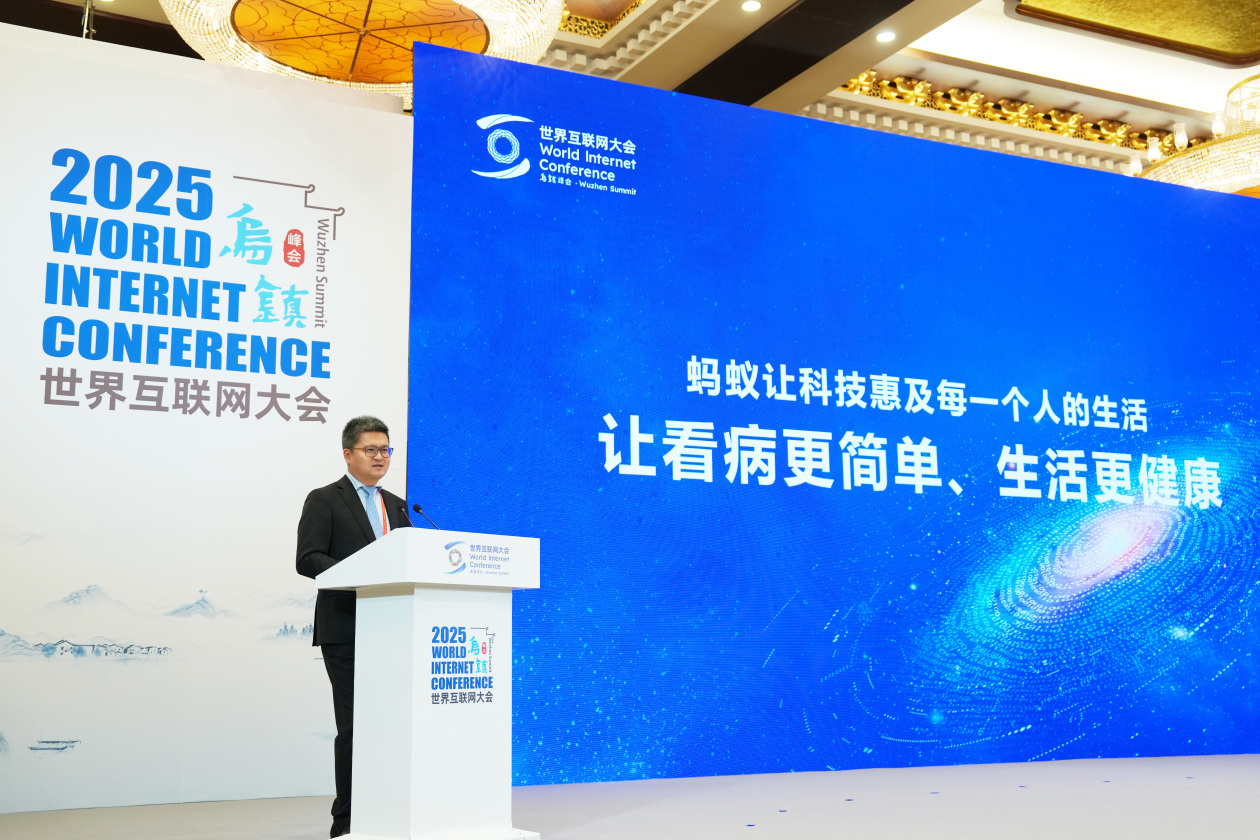
Core Insights - Ant Group's CEO, Han Xinyi, emphasized the company's commitment to AI in healthcare, aiming to simplify medical access and promote healthier living [1][4] - The establishment of the Health Business Group marks a strategic shift for Ant Group, focusing on addressing the growing health demands of the population [1][4] Group 1: Health Demand and AI Solutions - The health needs of the public are escalating, with over 500 million chronic disease patients in China facing low awareness, treatment, and control rates [3] - Ant Group's AI health application, AQ, launched in June, has surpassed 10 million monthly active users within four months, achieving a compound growth rate of 83.4%, the highest in the industry [3][4] - The application offers over a hundred AI features, including health education, consultation, report interpretation, and health records management [3] Group 2: Enhancing Medical Services - Ant Group collaborates with top-tier hospitals to create over 300 "famous doctor AI avatars," significantly increasing access to quality medical services for patients in remote areas [4] - The AI avatars have already served over 6.5 million insomnia patients, far exceeding the annual in-person consultation numbers of the hospitals [4] - The company is also focusing on chronic disease management by providing personalized health management services to over 500 million chronic disease patients [4] Group 3: Strategic Partnerships and Future Goals - Ant Group has partnered with Sichuan University West China Hospital to enhance research and service systems for chronic diseases like lung nodules [4] - The company aims to bridge the gap between AI medical research and clinical application, addressing the "last mile" challenge in healthcare [4] - Han Xinyi reiterated the company's mission to leverage technology to solve social health issues, reinforcing the strategic importance of the Health Business Group [4]
韩歆毅首谈蚂蚁健康战略方向:聚焦AI健康应用AQ,让看病更简单、生活更健康
Hua Xia Shi Bao· 2025-11-08 09:19
Core Insights - Ant Group's CEO, Han Xinyi, emphasized the company's commitment to AI in healthcare, aiming to simplify medical processes and enhance public health [1][5] - The establishment of the health business group marks a strategic pivot for Ant Group, focusing on addressing the growing health demands of the population [1][5] Group 1: Market Demand and AI Solutions - There are over 500 million chronic disease patients in China, with significant issues in awareness, treatment, and management, particularly among the 270 million hypertension patients, where over 80% are not effectively managing their condition [3] - The demand for health services is increasing among the elderly population (over 310 million) and younger generations (post-90s and post-00s), who are becoming the main consumers of health services [3] - Ant Group's AI health application, AQ, launched in June, has surpassed 10 million monthly active users within four months, achieving a compound growth rate of 83.4%, the highest in the industry [3][4] Group 2: AI Application and Healthcare Empowerment - Ant Group is expanding its AI healthcare applications, including a collaboration with Shanghai Renji Hospital to create a urology specialty AI system, which has improved diagnostic accuracy for primary care doctors by 4%-8% [3][4] - The "Digital Family Doctor" AI initiative has been implemented in Shanghai's Huangpu District, serving 400,000 residents and one million professionals [3] - Ant Group has developed over 300 "famous doctor AI avatars" in partnership with top-tier hospitals, significantly increasing access to quality healthcare services for patients across 371 cities [4] Group 3: Chronic Disease Management and Strategic Collaborations - AQ provides personalized management services for over 500 million chronic disease patients through AI health records and integration with smart health devices [4] - Ant Group has formed a strategic partnership with West China Hospital of Sichuan University to enhance research and service systems for chronic diseases, focusing on bridging the gap between AI medical research and clinical application [4]
让全球创新涌向中国 进博会这个“专区”亮了丨聚焦第八届进博会
Zheng Quan Shi Bao· 2025-11-08 06:17
Core Insights - The China International Import Expo (CIIE) has established an innovation incubation zone since 2021, focusing on creating an open, diverse, and sustainable ecosystem for global startups and talents to access technological innovation resources and collaboration opportunities in the Chinese market [1] Group 1: Innovation Incubation Zone Development - The eighth edition of the innovation incubation zone has achieved significant growth, with over 500 projects showcased and an exhibition area exceeding 5,000 square meters, marking a more than 7-fold increase in project numbers since its inception [1] - The collaboration network within the zone has evolved from "zero breakthrough" to "diverse aggregation," indicating a substantial expansion in partnerships [1] Group 2: Success Stories of Participating Companies - Canadian company Everfount Medical has participated for four consecutive years, developing innovative wearable health products and achieving annual sales exceeding 20 million yuan in China, up from zero [3] - British company Byron Technology has transitioned from laboratory products to finished goods, securing hundreds of thousands of yuan in orders and achieving an average energy savings of 30% for communication base stations [4] Group 3: New Innovations and Products - Canadian startup ClickMagic introduced the ClickCopilot, a home companion robot designed for elderly care, which autonomously moves and monitors users, with plans for international sales priced at $799 [6][9] - Hong Kong-based Ridger showcased the MIMO, the world's first AI-native storage system, capable of handling diverse AI workloads with industry-leading performance metrics [10] Group 4: International Collaboration and Ecosystem Growth - The innovation incubation zone has expanded its partnerships from 3 to over 20, including various international incubators and government innovation centers, creating a diverse ecosystem [12] - This year's zone features enhanced content, including a broader range of partner types and deeper international cooperation, with over 20 events planned for project roadshows and investment meetings [12]
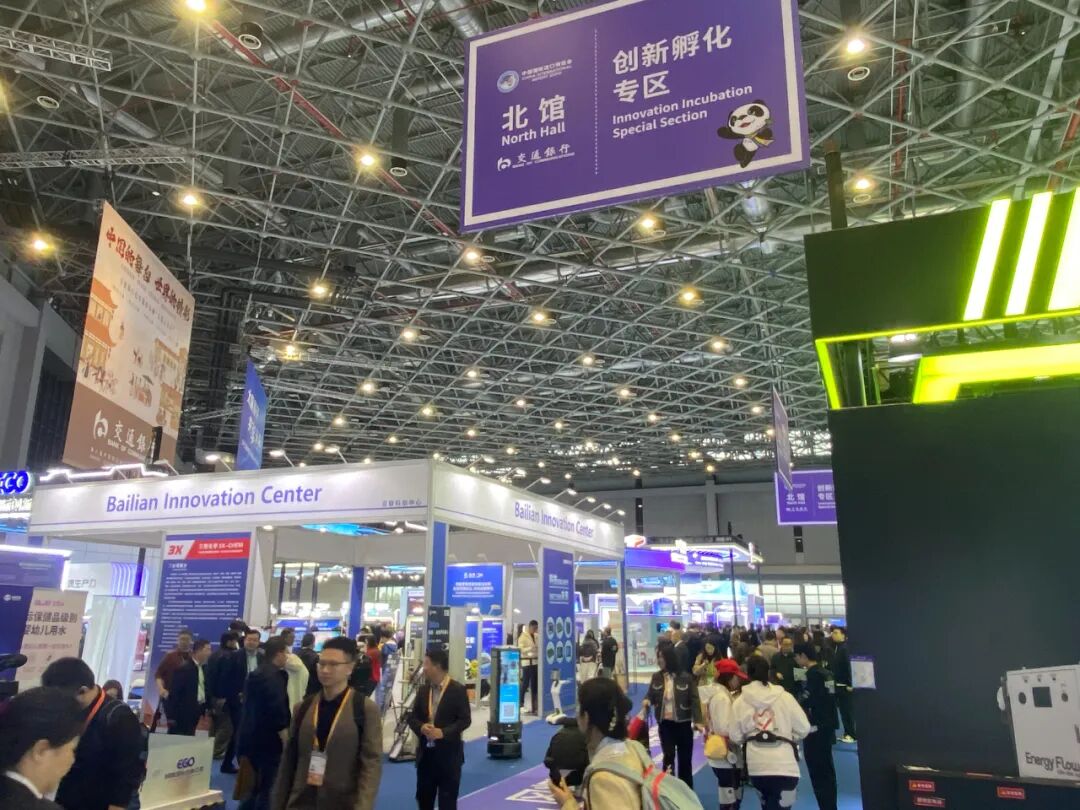
让全球创新涌向中国,进博会这个“专区”亮了丨聚焦第八届进博会
证券时报· 2025-11-08 05:56
Core Viewpoint - The China International Import Expo (CIIE) has established an innovative incubation zone since 2021, focusing on creating an open, diverse, and sustainable innovation ecosystem for global startups and talents to access technological resources and collaboration opportunities in the Chinese market [1][2]. Group 1: Development of the Innovation Incubation Zone - The innovation incubation zone has showcased over 1,000 innovative achievements and has become one of the most dynamic segments of the CIIE, with more than 500 projects displayed this year, marking a historical high in scale [2]. - The exhibition area has exceeded 5,000 square meters for the first time, with project numbers increasing over sevenfold compared to the first edition, averaging over 100 new projects annually [2]. Group 2: Success Stories of Participating Companies - Canadian company Yufan Medical has participated for four consecutive years, developing innovative wearable health products and achieving annual sales in China exceeding 20 million yuan, up from zero at the start [6]. - The company introduced a weight loss product, ObeEnd, which significantly reduced users' BMI through clinical trials conducted in China [6]. - UK-based Byron Technology reported a 30% energy savings for communication base stations using their products, which were previously in the experimental stage [7]. Group 3: New Innovations and Products - Canadian startup ClickMagic introduced the ClickCopilot, a home companion robot designed for elderly care, which autonomously moves and monitors users [9][15]. - Ridger, a Hong Kong company, showcased the MIMO, the world's first AI-native storage system, capable of handling diverse AI workloads with high performance metrics [16]. Group 4: International Collaboration and Ecosystem Growth - The incubation zone has expanded its collaboration network from three initial partners to over 20 domestic and international innovation cooperation institutions, creating a diverse ecosystem [18]. - This year's event features enhanced content, including new partners from local governments and innovation parks, as well as international organizations showcasing unique projects [18]. - The event will host over 20 activities, including project roadshows and investment meetings, facilitating further engagement between companies and investors [18].
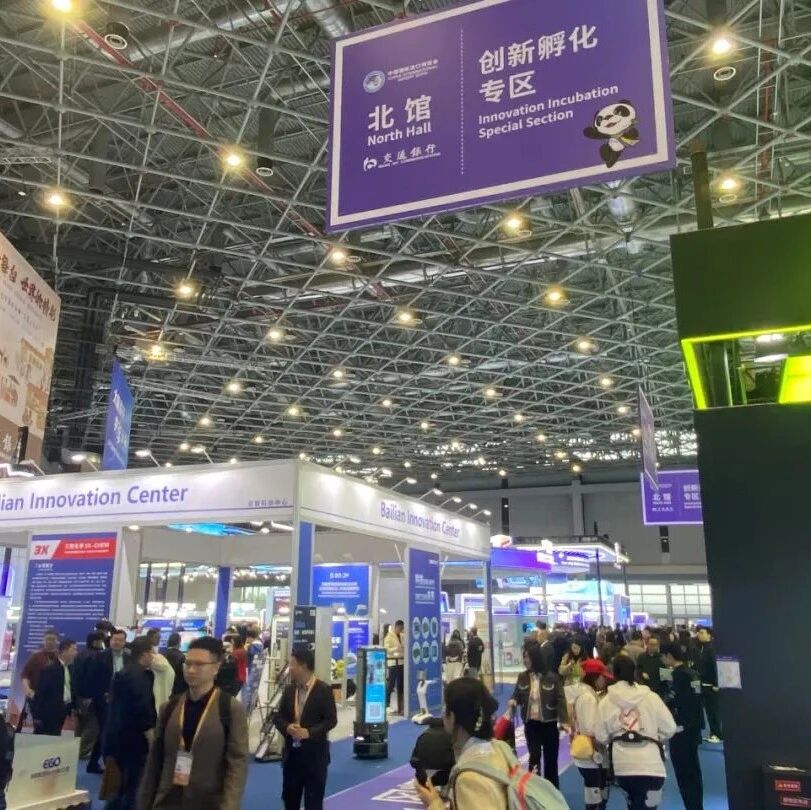
美敦力八赴进博之约
Ren Min Wang· 2025-11-08 01:00
Core Insights - The 8th China International Import Expo (CIIE) commenced on November 5, showcasing Medtronic's commitment to "co-create the future of medical technology" with over a hundred innovative products and solutions, marking the largest exhibition area and product quantity in its history [1] - Medtronic views CIIE as a vital platform for deepening strategic partnerships and gathering local insights, emphasizing the importance of the Chinese market as a key driver for global medical technology innovation [2] - The company has introduced seven new products focused on the integration of artificial intelligence and healthcare, aiming to redefine future diagnosis and treatment pathways [2] - Medtronic has transitioned from being an exhibitor to an investor, establishing multiple core bases in China, including the NIM-ECLIPSE neuromonitoring system, which received approval in Japan and represents a model for "Made in China" products entering global markets [3] - The first digital healthcare innovation base in China was launched in Beijing, intended to connect Medtronic's global innovation capabilities with local partners [3] - Medtronic announced the initiation of a localized TAVR surgical AI solution, developed in collaboration with local doctors and AI companies, aiming to create a comprehensive treatment chain [3] Company Strategy - Medtronic's strategy focuses on "global wisdom localized, Chinese innovation globalized," leveraging the CIIE's influence to upgrade from an exhibitor to an investor and facilitating the transition of innovations from "imported" to "exported" [5] - The company aims to collaborate with partners in key areas such as digital healthcare and precision medicine to invigorate the Chinese medical market and explore the future of medical technology [5]