Smartphones

Search documents
Apple loses bid to dismiss DOJ's lawsuit alleging iPhone maker operating an illegal monopoly
New York Post· 2025-06-30 19:12
Core Viewpoint - Apple is facing a lawsuit from the Justice Department accusing it of unlawfully dominating the US smartphone market through restrictions on third-party app and device developers [1][4]. Group 1: Lawsuit Details - A judge has denied Apple's motion to dismiss the lawsuit, allowing the case to proceed [1][5]. - The lawsuit, filed in March 2024, focuses on Apple's restrictions and fees imposed on app developers, as well as technical barriers to third-party devices and services [3][4]. - The DOJ, along with several states, claims that Apple's practices destroy competition and seeks to block these actions [4]. Group 2: Market Context - Sales of smartphones, particularly Apple's iPhone, totaled $201 billion in 2024, indicating the significant market presence of the company [3]. - Apple introduced a new budget model iPhone in February 2024, priced at $170 more than its predecessor, which may reflect its strategy to maintain market dominance [3]. Group 3: Apple's Defense - Apple argues that its limitations on third-party developers' access to its technology are reasonable and that sharing technology with competitors would hinder innovation [4][7]. - This case is part of a broader trend of antitrust actions against major tech companies initiated during both the Biden and Trump administrations [4].


2 Artificial Intelligence (AI) Stocks That Could Be Poised for a Big Second-Half Comeback
The Motley Fool· 2025-06-29 22:10
Core Viewpoint - The stock market has experienced volatility in the first half of the year, but major indexes have rebounded due to positive trade developments and strong earnings reports, despite some growth stocks, particularly in AI, facing declines [1][2]. Group 1: Apple - Apple has faced concerns regarding its manufacturing in China due to President Trump's tariff plans, which could impact its stock performance [4][5]. - The company is diversifying its manufacturing base, with plans for most U.S.-destined iPhones to be made in India, although India also faces tariffs [5]. - Despite a 20% decline in stock price this year, Apple is expected to rebound due to its strong financial position, with over $48 billion in cash and marketable securities [7]. - Apple's services revenue is growing significantly, supported by a large base of installed devices, and the stock is currently trading at 27 times forward earnings estimates, down from over 35 times [8]. Group 2: SoundHound AI - SoundHound AI specializes in voice AI technology and has seen its stock drop 50% this year, which is viewed as a buying opportunity [9]. - The company experienced a 150% increase in shares over the past year, leading to profit-taking by some investors [10]. - SoundHound's revenue surged 150% in the latest quarter, indicating strong growth and a diversified customer base that mitigates risk [11]. - The company holds numerous patents for its technology, which enhances speed and quality in voice recognition, and its revenue reached $29 million in the quarter [12]. - With the AI voice market projected to reach $140 billion, SoundHound is positioned for significant growth as economic uncertainty decreases [12][13].


酷赛智能港股IPO:主打“低端机出海”叙事未获外部融资 称监管程序可能“扰乱公司运营”
Xin Lang Zheng Quan· 2025-06-27 09:47
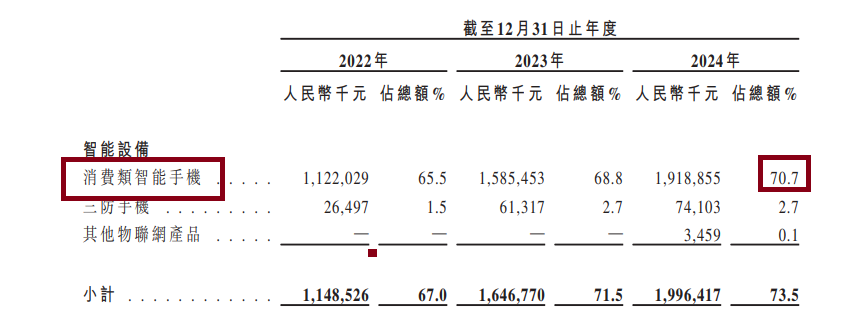
Core Viewpoint - Coosea Intelligent Technology Co., Ltd. (referred to as "Coosea Intelligent") is facing significant challenges in its upcoming IPO due to its reliance on low-end smartphones and intense market competition, particularly in overseas markets where it lacks a competitive edge against established players like Transsion and Xiaomi [1][10]. Group 1: Company Overview - Coosea Intelligent was established in 2006 and focuses on the research, design, manufacturing, and sales of smartphones and motherboards, offering comprehensive solutions including product definition, R&D, supply chain management, manufacturing, and after-sales service [2]. - The company has submitted its IPO application to the Hong Kong Stock Exchange, with CITIC Securities as the sponsor [1][2]. Group 2: Financial Performance - Coosea Intelligent's revenue for 2022, 2023, and 2024 is projected to be 1.713 billion RMB, 2.302 billion RMB, and 2.717 billion RMB, respectively, with growth rates of 34.34% and 18.04% for 2023 and 2024 [2][3]. - The net profit for the same years is expected to be 110 million RMB, 203 million RMB, and 207 million RMB, with growth rates of 84.62% and 1.68% for 2023 and 2024, indicating a significant slowdown in profit growth [2][3]. Group 3: Product and Market Strategy - In 2024, the revenue from consumer smartphones is expected to account for 70.7% of total revenue, with an average selling price of around 500 RMB, categorizing it as a low-end device [1][4][7]. - Coosea Intelligent's overseas revenue is projected to be 65% of total revenue in 2024, highlighting its strategy to focus on international markets [1][8]. Group 4: Competitive Landscape - The company faces fierce competition in the low-end smartphone market, particularly from Transsion, which dominates the African market, and Xiaomi, which leads in India [10]. - Coosea Intelligent's market presence is weak compared to competitors, lacking a strong foothold in any specific region, which raises concerns about its ability to compete effectively [10]. Group 5: Governance and Regulatory Issues - As of the IPO application date, the controlling shareholder is Chen Kaifeng, who holds 63% of the company's shares, with two other executives controlling an additional 27% [12]. - The company has faced regulatory scrutiny, including a fine related to its subsidiary, which it claims could disrupt operations, although the validity of this claim is debatable [15].
特朗普集团悄悄撤下 “美国制造 ”手机承诺
Guan Cha Zhe Wang· 2025-06-27 09:17
Core Viewpoint - Trump Group has quietly removed the statement claiming that its smartphone will be "made in America," replacing it with vague language about being "designed based on American values" and "born in the USA" [1] Group 1: Product Details - The smartphone, priced at $499 (approximately 3577 RMB), was initially set to ship in August, but this information has been changed to "later this year" [2] - The specifications of the T1 smartphone have been altered, with the screen size reduced from 6.78 inches to 6.25 inches and the previously promised 12GB of memory removed [6] Group 2: Manufacturing and Supply Chain - Trump Mobile had previously stated that production would occur in Alabama, California, and Florida, but experts question the competitiveness of using American-made components given China's dominance in the global smartphone supply chain [5] - A report from the Canada Asia Pacific Foundation indicates that China's production capabilities cover the entire smartphone supply chain, with cost savings of 20% to 50% annually compared to regional competitors due to skilled labor and a robust domestic supplier network [5] Group 3: Political Context - The initiative to produce an American-made smartphone aligns with President Trump's efforts to bring supply chains back to the U.S., reflecting ongoing dissatisfaction with reliance on foreign manufacturing, particularly in relation to Apple CEO Tim Cook's dependence on Chinese and Indian production [5]

荣耀股份改制完成,正式步入IPO辅导期,预计2026年初完成上市准备
Sou Hu Cai Jing· 2025-06-27 06:33
荣耀终端股份有限公司(以下简称"荣耀")的上市进程近日取得了重要进展。据证监会官网信息,6月 26日,荣耀已完成上市辅导备案,辅导券商选定为中信证券。按照辅导计划,该公司预计将在2026年1 月至3月期间完成上市辅导工作。 在市场竞争方面,荣耀的表现依然强劲。根据市场研究机构Canalys发布的数据,2024年全年,荣耀在 中国大陆智能手机市场的份额接近15%,位居国内市场第五位。尽管在全球市场,荣耀的销量份额仅为 5%,排名第七,但其在国内市场的稳固地位仍然为其上市提供了坚实的基础。随着华为手机业务的逐 步恢复,荣耀也面临着来自原用户市场的竞争压力。 从股东结构来看,荣耀目前拥有23家股东,其中包括深圳市鹏程新信息技术合伙企业、深圳市春芽联合 科技合伙企业、深圳市智信新信息技术有限公司、深圳市宝安区投资管理集团有限公司、国信资本、京 东方科技集团股份有限公司、中国电信、中国移动、金石星耀(深圳)智能设备私募股权投资基金合伙 企业等。值得注意的是,春芽联合集合了27家荣耀的渠道商和代理商,这显示了荣耀在渠道建设方面的 强大实力。 在资本层面,荣耀也动作频频。2024年8月下旬,荣耀宣布获得中国移动的投资。同年 ...

花旗:小米-产品发布会关键要点
花旗· 2025-06-27 02:04
Investment Rating - The report rates Xiaomi shares as "Buy" with a target price of HK$73.00, indicating an expected return of 28.3% from the current price of HK$56.90 [5][32]. Core Insights - Xiaomi's recent product launch event showcased the YU7 electric vehicle (EV) with prices starting at Rmb253,500, which is nearly 4% lower than Tesla's Model Y. Initial orders for the YU7 reached 200,000 within 3 minutes and 289,000 within 60 minutes, exceeding market expectations [1][2][16]. - The company also introduced AI glasses priced at Rmb1,999, powered by Qualcomm's Snapdragon AR1 chip, and a range of new wearables and IoT products, indicating a strong push into the smart device market [3][11]. - The earnings forecast shows significant growth, with net profit expected to rise from Rmb19.3 billion in 2023 to Rmb77.5 billion by 2027, reflecting a robust growth trajectory [4]. Summary by Sections Product Launch - Xiaomi launched the YU7 EV with three models priced at Rmb253,500, Rmb279,900, and Rmb329,900. The basic model is Rmb10,000 cheaper than Tesla's Model Y. The company is offering Rmb55,000 in freebies for early orders [1][2][12]. - The AI glasses feature a 12MP camera, five microphones, and a battery life of 8.6 hours, with an estimated demand of around 300,000 units [3]. - A variety of new wearables and IoT products were introduced, including the Xiaomi Watch S4 and Xiaomi Buds Pro, which are expected to contribute significantly to revenue [11]. Financial Performance - The earnings summary indicates a projected increase in diluted EPS from Rmb0.763 in 2023 to Rmb2.978 in 2027, with a corresponding decrease in P/E ratio from 68.2x to 17.5x, suggesting improved valuation over time [4]. - The report highlights a positive outlook for the smartphone business and gross margin due to subsidy-driven demand in China and normalized component costs [32]. Valuation - The valuation of Xiaomi shares is based on a sum-of-the-parts (SOTP) approach, with a target set at 25.5x for core smartphone, IoT, and internet services business earnings, and 1.5x for smart EV sales, reflecting a favorable growth outlook [33].
AI营销席卷中东,Infinix和Snapchat首个AI营销合作如何在当地实现破圈?
3 6 Ke· 2025-06-27 01:59
Core Insights - The AI image sector has seen a surge in popularity, with 45 out of over 200 AI image products experiencing month-on-month traffic growth, some exceeding 600% [1] - The success of AI image products is attributed to four common characteristics: low operational barriers, strong personal expression, high user engagement, and inherent shareability [1] - Snapchat stands out as a unique platform that serves both as a tool for filter creation and a distribution channel for content, having previously achieved viral success with various AI/AR filters [1][2] Snapchat's AI Lens Innovations - Snapchat's camera interface, which features millions of AR filters, has become a crucial channel for brands to engage users, with 300 million daily users utilizing these filters [2] - The introduction of Sponsored AI Lenses allows brands to create immersive experiences with lower creative barriers and faster content generation, tapping into new marketing opportunities [2][3] Advantages of Sponsored AI Lenses - Sponsored AI Lenses provide an immersive interactive experience, allowing users to quickly generate personalized content in various themes [3] - The use of AI technology reduces production costs and time for brands, enabling rapid deployment of content [3] - The design of Sponsored AI Lenses encourages sharing, leading to increased organic reach, with advertisers experiencing a 25%-45% boost in daily exposure [3] Brand Engagement Examples - Coldplay has utilized Sponsored AI Lenses to create interactive visual effects for their latest album, enhancing user engagement compared to traditional filters [5] - Infinix, a tech brand, has successfully leveraged Sponsored AI Lenses in the Middle East, aligning with the preferences of young consumers who seek personalized and expressive marketing [6][10] Infinix's Marketing Strategy - Infinix's AI filter integrates local aesthetics and product features, transforming complex product attributes into engaging user experiences [7] - The campaign achieved significant reach, with over 52 million unique users engaging with the filter and a cost-effective exposure strategy [8] Strategic Insights for Brands - The collaboration between Infinix and Snapchat highlights the forward-thinking application of generative AI technology, offering brands a chance to gain early advantages [10] - Effective localization involves understanding user preferences and creating relevant experiences rather than merely incorporating cultural elements [10] - The shift in brand marketing from mere display to co-creation emphasizes the importance of social interaction in content expression [10][12]


突破折叠屏可靠性痛点:荣耀Magic V5 铰链材料达到超级钢强度
Guan Cha Zhe Wang· 2025-06-26 11:02
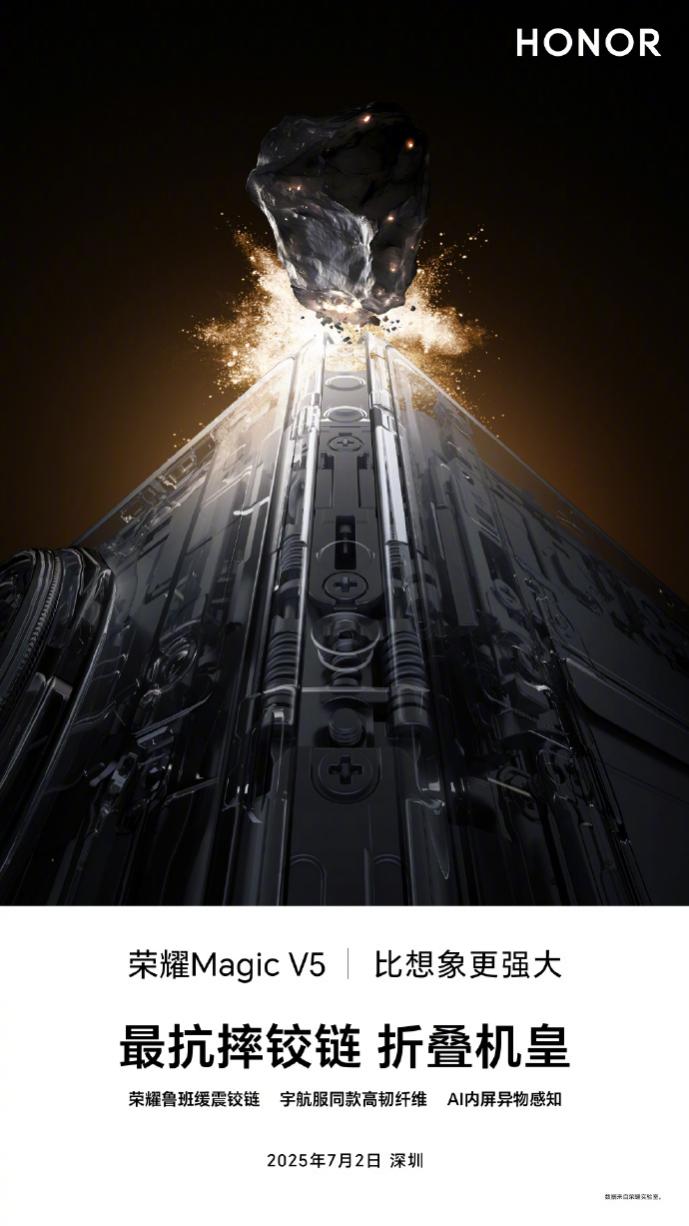
在智能手机市场竞争白热化的今天,折叠屏手机正逐渐从"技术秀场"走向"实用战场"。消费者对折叠屏 的期待早已超越了单纯的形态创新,而是渴望一款真正能兼顾轻薄、耐用与性能的全能旗舰。荣耀 Magic V5的即将登场,恰如其分地回应了这一时代需求,其铰链材料达到超级钢强度,从可靠性维度 发起了对折叠屏行业的全面革新。 折叠屏痛点凸显,耐用性成用户核心诉求 折叠屏手机自诞生以来,就面临着"轻薄与耐用不可兼得"的矛盾。早期产品为追求形态突破,往往在材 料和结构上妥协,折痕明显、铰链松动、屏幕易损等痛点始终让不少潜在的消费者对折叠屏敬而远之。 根据行业调研数据,超过20%的用户在选购折叠屏时最关注"耐用性",而市场反馈显示,折叠屏的维修 成本普遍是普通手机的2倍以上。这种痛点背后反映的是折叠屏在可靠性深层的技术挑战。 尤其是折叠屏中的关键部件——铰链。铰链作为折叠屏的"心脏",结构复杂度远超传统直板机,既要承 受反复折叠的机械应力,又要兼顾轻薄化需求,对材料和工艺提出了近乎苛刻的要求。 第二代盾构钢材料 为折叠屏铰链注入超强强度 荣耀Magic V5的出现,正是为了打破当前折叠屏手机面临的"可靠性"困局。其核心突破在于应 ...
系统设计拒绝跟进iOS 26,安卓厂商为何不再「仰望」苹果?
3 6 Ke· 2025-06-23 04:04
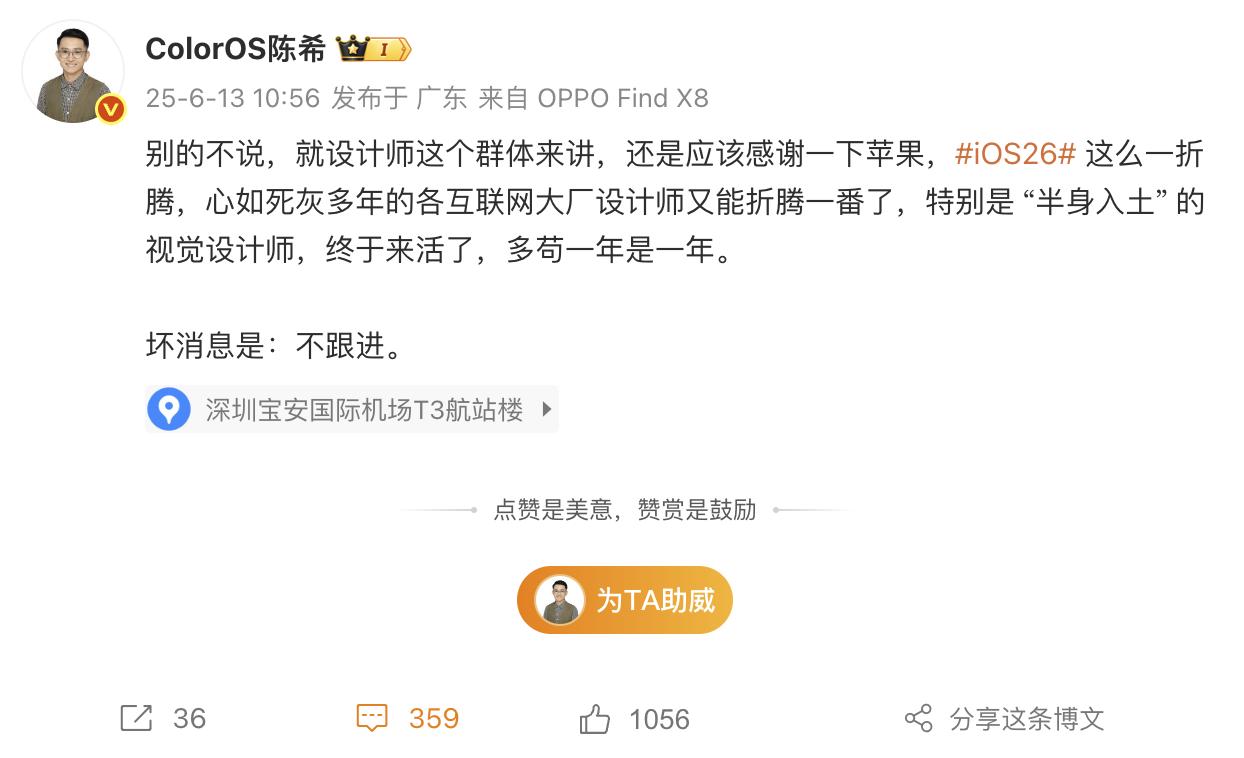
Core Viewpoint - Apple's iOS 26 has introduced significant UI changes, but it has failed to attract interest from Android manufacturers, indicating a shift in the competitive landscape where Android brands no longer feel the need to emulate Apple [1][3][4]. Group 1: iOS 26 Reception - iOS 26's new design, described as "liquid glass," has faced criticism on social media, with the hashtag iOS26Ugly trending and reaching over 79 million views [4]. - Users have expressed dissatisfaction with iOS 26, claiming it prioritizes aesthetics over practicality, comparing it unfavorably to previous designs like Windows Vista [6][10]. - The design has been criticized for lacking depth and clarity, with some suggesting it resembles third-party themes rather than a polished product [10][11]. Group 2: Competitive Response from Android Manufacturers - Android manufacturers, including OPPO and Samsung, have shown reluctance to adopt iOS 26's design, with OPPO's ColorOS designer explicitly stating they will not follow Apple's lead [3][11]. - Samsung has mocked Apple's new design, highlighting similarities with its own OneUI 7, suggesting that it has more experience in UI design [11]. - Google has pointed out that many features introduced in iOS 26 were already present in its Pixel devices, indicating that Apple is lagging in innovation [15]. Group 3: Industry Trends and Future Directions - The shift away from blindly following Apple's design choices reflects a broader trend among Android manufacturers to develop unique identities and cater to user preferences [19][20]. - As competition intensifies, differentiation through UI design and functionality is becoming crucial, with a focus on integrating AI and enhancing user experience [28]. - The industry is moving towards a more personalized approach, with manufacturers like Xiaomi and OPPO exploring their own design philosophies rather than conforming to Apple's standards [27][31].
独家丨贾净东离职,不再担任vivo品牌领域副总裁
雷峰网· 2025-06-20 07:51
Core Viewpoint - The article discusses the recent leadership change at vivo, highlighting the departure of former Vice President Jia Jingdong and the appointment of Xie Zhihan as his successor, while also noting vivo's strong market performance in the smartphone industry [2]. Group 1: Leadership Change - Jia Jingdong has left his position as Vice President of vivo for personal reasons, and the company expressed gratitude for his contributions during his tenure [2]. - Xie Zhihan, who has been with vivo for over ten years and previously served as the General Manager of the Media Management Department, will take over the role of Vice President [2]. Group 2: Market Performance - According to data from market research firms like Counterpoint, vivo has been the top-selling domestic smartphone brand in China for four consecutive years from 2021 to 2024 [2]. - In the first quarter of 2025, vivo experienced a year-on-year growth of 6% in the global smartphone market, elevating its ranking to fourth place globally [2].