
卫星制造与应用

Search documents
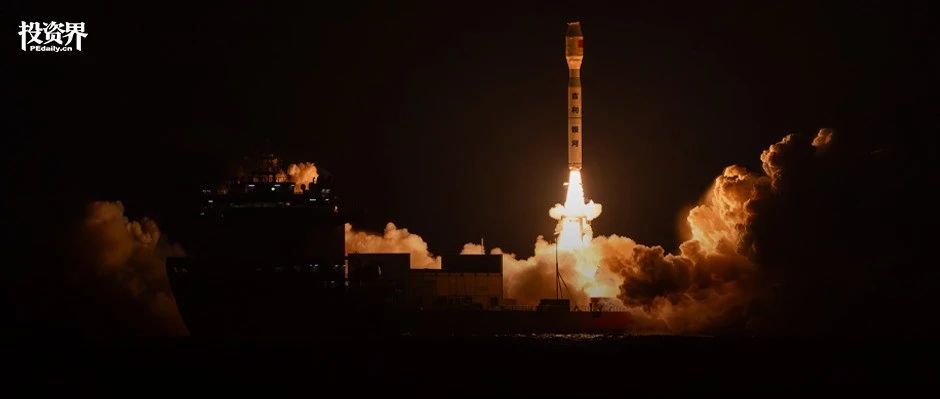
今天,浙江民营星链第四次冲上太空
投资界· 2025-08-09 07:01
Core Viewpoint - The article highlights the successful launch of 11 satellites by Geely's commercial aerospace company, Time Space Path, marking a significant milestone in China's commercial space industry, which has evolved dramatically over the past decade [3][5]. Group 1: Launch and Development - On August 9, 2023, Geely's Time Space Path successfully launched 11 satellites, increasing the total number of satellites in orbit to 41 [3][7]. - The company plans to increase the number of satellites to 64 within two months, enabling global real-time data communication, except for the polar regions [7][8]. - The construction of the Geely satellite constellation aims to provide global low-orbit satellite IoT communication services, with an initial deployment of 72 satellites [8][12]. Group 2: Market Position and Strategy - The global low-orbit satellite market is expected to see significant growth, with an estimated 57,000 low-orbit satellites deployed by 2029 [5]. - Time Space Path's strategy focuses on building a satellite constellation that addresses the communication needs of mobile scenarios, contrasting with competitors like SpaceX, which primarily offers satellite internet services [10][11]. - The company emphasizes low-cost, efficient satellite manufacturing, aiming to produce satellites in a manner similar to automobile manufacturing, significantly reducing production costs and time [14][15]. Group 3: International Expansion - Time Space Path is expanding its services internationally, establishing partnerships in over 20 countries across the Middle East, Southeast Asia, Africa, and Latin America [18][19]. - The company has successfully conducted commercial tests in Oman, achieving a communication success rate of 99.15% and network availability of over 99.97% [18][20]. - Collaborations with local telecom operators in various regions are aimed at enhancing digital infrastructure and supporting local economic development [19][21]. Group 4: Technological Innovation - The article emphasizes the importance of technological innovation in the commercial space sector, with a projected global satellite manufacturing market growth from $2.4493 billion in 2024 to $3.8969 billion by 2029, at an annual growth rate of approximately 9.73% [14]. - Time Space Path has integrated satellite communication technology into vehicles, providing emergency communication capabilities in areas without ground network coverage [16]. - The company's ultimate goal is to embed satellite capabilities into daily life, enhancing connectivity in remote areas and contributing to the development of a new infrastructure for IoT communication [12].


太空计算卫星星座专家会
2025-07-16 06:13
Summary of Conference Call on the First Space Computing Satellite Constellation Company and Industry Involved - The conference call discusses the launch of the world's first space computing satellite constellation by Hai Xing Guang Nian, a company involved in satellite technology and space computing. Core Points and Arguments 1. **Introduction of the Space Computing Constellation** The call introduces the successful launch of a groundbreaking space computing satellite constellation, which is expected to revolutionize the industry by integrating computing capabilities into space operations [1][2][3]. 2. **Concept of 3T Computing Constellation** The 3T computing constellation aims to establish a series of computing capabilities in space, moving ground-based design centers into the sky. This is seen as a disruptive innovation compared to traditional satellite systems [2][3]. 3. **Integration of Satellite Functions** The constellation will integrate various satellite functions, such as communication and navigation, into a unified platform, enhancing operational efficiency through laser connections between satellites [3][4]. 4. **Data Processing and Efficiency** The new system allows for real-time data processing and transmission, significantly improving the efficiency of high-resolution satellite data collection and reducing the need for extensive ground infrastructure [4][5]. 5. **Strategic Importance** The constellation is positioned as a strategic asset in the context of global competition, particularly between China and the US, with references to similar advancements by US companies like Black Sky [5][6]. 6. **Non-Military Focus** The constellation is primarily designed for non-military applications, focusing on scientific research and civilian use, although there is potential for future military applications [6][7]. 7. **Future Expansion Plans** The company plans to launch 1,000 satellites within five years, with an initial target of 100 operational satellites by 2027, indicating a significant scale of operations [12][13]. 8. **Support from Government and Institutions** The project has backing from the Zhejiang provincial government and various research institutions, which is crucial for its funding and operational success [13][14]. 9. **Commercialization Strategy** The constellation aims to develop a commercial model that allows for profit-sharing among various stakeholders involved in its development, indicating a shift towards a more business-oriented approach [19][20]. 10. **Technical Considerations** The call addresses technical challenges, such as thermal management in space, which have been resolved through innovative design solutions [20][21]. Other Important but Possibly Overlooked Content 1. **Comparison with US Initiatives** The discussion includes comparisons with US satellite initiatives, particularly the Starlink project, highlighting differences in focus and application between the two countries [16][17]. 2. **Potential for Ground Data Centers** The constellation may not completely replace ground data centers but will enhance their capabilities by integrating satellite data processing, suggesting a hybrid model for future operations [22][23]. 3. **Open Collaboration Model** The project promotes an open collaboration model, allowing various companies to participate in the development and operation of the satellite constellation, which could foster innovation and efficiency [24][25]. 4. **Future of Satellite Operations** The call emphasizes the need for continuous iteration and improvement of satellite technology, with a focus on long-term sustainability and operational effectiveness [13][14].
子公司再次“拖后腿” 中国卫星上半年预亏最高4120万元
Mei Ri Jing Ji Xin Wen· 2025-07-14 14:13
Core Viewpoint - China Satellite is expected to report a loss for the first half of 2025, reversing from profit in the same period last year, primarily due to a decline in revenue and poor performance from several subsidiaries [1][2]. Financial Performance - The estimated net profit for the first half of 2025 is projected to be between -41.2 million yuan and -21.2 million yuan, compared to a profit of 8.5 million yuan in the same period last year [2]. - The estimated net profit excluding non-recurring items is expected to be between -47.3 million yuan and -25.3 million yuan, down from 2.31 million yuan in the previous year [2]. Revenue Decline Factors - Revenue decline is attributed to fewer contracts meeting acceptance conditions in satellite manufacturing, leading to lower recognized income [2]. - Increased delivery of space component products was primarily from low-margin commercial space products, contributing minimally to profit [2]. Subsidiary Performance - As of the end of 2024, China Satellite had 10 wholly-owned or controlled subsidiaries, with 7 of them impacting the net profit by over 10%, three of which reported losses totaling over 157 million yuan [1][3]. - Specific subsidiaries faced challenges: - Aerospace Shenzhou Smart System Technology Co., Ltd. had to fully impair intangible assets due to business transformation [4]. - Beijing Xingdi Hengtong Information Technology Co., Ltd. experienced a significant drop in new orders due to product upgrades [4]. - Shenzhen Aerospace Dongfanghong Satellite Co., Ltd. faced late contract signings, resulting in low revenue contribution [4]. Strategic Response - In response to the anticipated losses, China Satellite plans to accelerate key project implementation and delivery, explore new avenues in commercial space and satellite applications, and enhance cost management and risk control [2].

中国卫星半年报预亏或达4120万,商业航天业务增量未能抵消传统卫星研制收入下滑影响
Shen Zhen Shang Bao· 2025-07-11 05:46
Core Viewpoint - China Satellite (600118) is expected to report a significant loss in the first half of 2025, with a projected net loss of between 21.2 million to 41.2 million yuan, a stark decline from a profit of 8.5 million yuan in the same period last year [1][2]. Group 1: Financial Performance - The company anticipates a net profit attributable to shareholders of between -41.2 million yuan and -21.2 million yuan for the first half of 2025, indicating a shift from profitability to loss [1]. - The expected net profit after deducting non-recurring gains and losses is projected to be between -47.3 million yuan and -25.3 million yuan [1][2]. - The 2024 annual report indicated a net profit decline of 82.28% to 27.914 million yuan, with a 96.67% drop in net profit excluding non-recurring items, highlighting ongoing financial pressure [3]. Group 2: Reasons for Performance Decline - The decline in performance is attributed to fewer contracts meeting acceptance conditions in satellite manufacturing, leading to a decrease in recognized revenue while operational expenses continue to rise [2]. - Although there was a significant increase in the delivery of aerospace components, the majority were low-margin commercial space products, contributing minimally to profit [2]. - The competitive landscape has intensified due to the influx of private capital in commercial aerospace, necessitating a restructuring of profit models for traditional aerospace companies [3]. Group 3: Strategic Response - The company plans to accelerate the implementation of key projects and task deliveries, focusing on industry user needs and optimizing products and services [2]. - Efforts will be made to explore new avenues in commercial aerospace and satellite applications while enhancing cost management and risk control [2]. - China Satellite is actively participating in low-orbit internet construction projects, providing various products and services, including electronic products and communication terminals [3].
中国卫星上半年预亏 多板块业务持续承压
Zheng Quan Shi Bao Wang· 2025-07-11 02:22
Group 1 - The core viewpoint of the news is that China Satellite (600118) is facing significant financial challenges, with projected net losses for the first half of 2025 ranging from 41.2 million to 21.2 million yuan, indicating increasing operational pressure [1] - The company attributes its losses to an imbalance in business structure and intensified industry competition, particularly in the aerospace manufacturing sector [1] - In the aerospace manufacturing segment, the revenue from satellite manufacturing has decreased year-on-year due to fewer contracts meeting acceptance conditions, while operational expenses continue to rise [1] Group 2 - The increase in component product deliveries during the reporting period was primarily from low-margin commercial space products, contributing minimally to overall profits [1] - Several subsidiaries of China Satellite have not shown significant improvement in their operations, affected by product upgrades and fierce market competition [1] - The company has ten wholly-owned or controlled subsidiaries, some of which reported losses in 2024, contributing to the overall decline in profit and net profit for the year [1] Group 3 - In its 2024 financial report, China Satellite explained that one subsidiary, Aerospace Shenzhou Smart System Technology Co., Ltd., faced losses due to a business transformation that rendered previous intangible assets ineffective [2] - Another subsidiary, Beijing Xingdi Hengtong Information Technology Co., Ltd., experienced a significant reduction in new orders due to product upgrades and a lack of diversification in its business [2] - The competitive landscape of China's commercial aerospace industry is rapidly evolving, leading to increased pressure on profitability for China Satellite [2]
中国卫星: 中国东方红卫星股份有限公司2025年半年度业绩预告
Zheng Quan Zhi Xing· 2025-07-10 16:23
Group 1 - The company expects a net profit attributable to the parent company for the first half of 2025 to be between -41.2 million yuan and -21.2 million yuan, indicating a loss compared to the same period last year [2][4] - The expected net profit attributable to the parent company, after deducting non-recurring gains and losses, is projected to be between -47.3 million yuan and -25.3 million yuan [2][4] - The previous year's net profit attributable to the parent company was 8.5 million yuan, with a total profit of -0.247 million yuan [2] Group 2 - The main reasons for the expected loss include a decrease in revenue from satellite manufacturing due to fewer contracts meeting acceptance conditions, and an increase in delivery volume of low-margin commercial aerospace products [2][3] - The company plans to accelerate the implementation of key projects and task deliveries, focusing on industry user needs and optimizing products and services [3]
中国卫星: 中国东方红卫星股份有限公司2024年年度权益分派实施公告
Zheng Quan Zhi Xing· 2025-06-19 09:44
Core Points - The company announced a cash dividend of 0.01 yuan per share for A shares [1] - The annual shareholders' meeting approved the profit distribution plan on May 8, 2025 [1] - The total cash dividend distribution amounts to 11,824,891.35 yuan based on a total share capital of 1,182,489,135 shares [4][5] Distribution Dates - The record date for shareholding is June 26, 2025, with the last trading day on June 27, 2025, and the ex-dividend date also on June 27, 2025 [2] Distribution Implementation - Cash dividends will be distributed through China Securities Depository and Clearing Corporation Limited Shanghai Branch to shareholders registered by the record date [2] - Shareholders who have not completed designated transactions will have their dividends held by the clearing company until the transactions are completed [2] Taxation on Dividends - Individual shareholders holding shares for over one year are exempt from personal income tax on dividend income [3] - For qualified foreign institutional investors (QFII), dividends will be distributed at 0.009 yuan per share after a 10% corporate income tax deduction [4] - Other institutional investors and corporate shareholders are responsible for their own tax declarations [5]
“四川造”十二星将算力送上天 全球首个太空计算星座发射入轨
Si Chuan Ri Bao· 2025-05-15 00:23
Core Insights - The launch of the "021" mission marks the first deployment of the "Star Computing" plan by Guoxing Aerospace and the inaugural launch of the "Three-Body Computing Constellation" led by Zhijiang Laboratory [1][4] Group 1: Mission Overview - The "Star Computing" plan aims to establish a network of 2,800 computing satellites in space, interconnected with over 100 ground computing centers, creating an integrated computing network [1] - The mission successfully deployed 12 satellites, achieving a maximum single-satellite computing power of 744 TOPS (trillions of operations per second) and an overall in-orbit computing capability of 5 POPS (quintillion operations per second) with 30 TB of storage [1][4] Group 2: Technological Advancements - The satellites are equipped with onboard intelligent computing systems and inter-satellite communication systems, enabling them to perform in-orbit computing and establish a space-ground integrated network [1][5] - Each satellite carries a space-based model with 8 billion parameters for processing satellite data in orbit, facilitating tasks such as inter-satellite laser access and astronomical observations [1][5] Group 3: Strategic Importance - The launch represents a significant breakthrough in transitioning from "ground computing" to "space computing," addressing the increasing demand for real-time computation in space [5] - The establishment of a space computing constellation is expected to enhance the computing power of individual satellites from T-level to P-level, fostering profound changes in the aerospace industry [5][6] Group 4: Future Developments - The "Star Computing" plan's second group of satellites is currently in the design and development phase, with Guoxing Aerospace's satellite team working on more powerful satellite models [7]
算力上天、在轨组网,一箭十二星!我国开启“太空计算”新时代
Yang Shi Wang· 2025-05-14 10:23
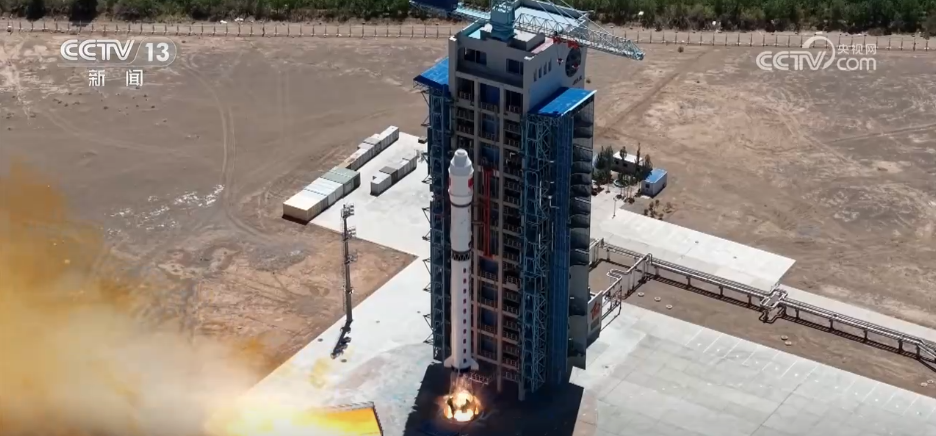
央视网消息:5月14日12时12分,我国在酒泉卫星发射中心使用长征二号丁运载火箭,成功将太空计算卫星星座发射升空,卫星顺利进入 预定轨道,发射任务获得圆满成功。 "星算"计划的建设将构建未来算力网络,实现特定场景由"天数地算"向"天数天算"转变,满足日益增长的太空即时计算需求,助力我国在 全球率先建成太空计算基础设施,突破人工智能领域边界从地面迈向太空。 打造2800颗算力卫星的天基算力网 此次发射任务的成功标志着全球首个太空计算卫星星座成功入轨,将开启全球"太空计算时代"新篇章。 "星算"计划首发星座12颗计算卫星采用国星宇航自研的智能网联卫星平台,搭载了之江实验室星载智能计算机、星载高速路由器等载荷, 实现了"算力上天、在轨组网",每颗卫星均搭载了星载智算系统、星间通信系统,具备太空计算、太空互联能力,星座组网后将形成全球最强 的太空计算能力。 该星座通过星间激光高速互联、星座稳定组网和算力分布式调度,构建出开放共享的太空计算系统,打造天基智能计算基础设施。将完成 太空计算系统建链、组网、成云等天基计算基础功能的在轨验证和应用。 全球首个太空计算卫星星座成功入轨 除计算与互联能力外,首发星座卫星还配置了对 ...
我国构建地月空间三星星座,背后上演惊险“太空卫星极限救援”
Xin Jing Bao· 2025-04-16 02:10
中国深空探测正在走向更远、更深的新阶段。"地月空间DRO探索研究学术研讨会"4月15日举办,记者 从会上获悉,由中国科学院A类战略性先导专项"地月空间DRO探索研究"部署研制的DRO-A/B两颗卫 星,在抵达并驻留地月空间"远距离逆行轨道(Distant Retrograde Orbit,简称DRO)"后,已与先前发射 的DRO-L近地轨道卫星建立起星间测量通信链路。 这标志着我国已成功构建国际首个基于DRO的地月空间三星星座,并取得多项原创性成果,为我国开 发利用地月空间,引领空间科学前沿探索奠定了坚实基础。 连接地球、月球、深空的"十字路口" 据中国科学院空间应用中心研究员王文彬介绍,目前大部分航天器都是在距离地球表面3.6万公里以内 的近地轨道运行。地月空间是从近地轨道、近月轨道向外拓展的新空域,距离地球最远可达200万公 里;相对近地轨道空间,其三维空间范围扩大上千倍。 远距离逆行轨道(DRO)是地月空间中一类三体动力学轨道,顺行绕地、逆行绕月。"三体指的就是航 天器、地球和月球。地球和月球质量比是81:1,在太阳系空间从来没有这样的质量比,最小的质量比是 10000:1,由于地球、月球的质量具有一定 ...