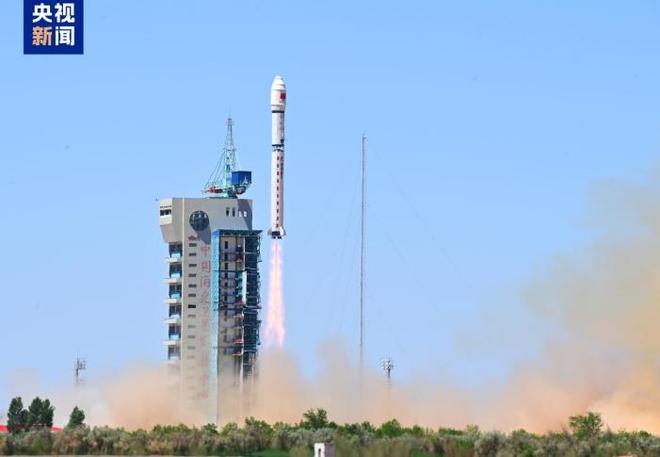
太空计算卫星星座

Search documents
太空算力竞赛:马斯克负责画饼,中国人负责落实
创业邦· 2026-03-26 03:10
Core Viewpoint - The article discusses the emerging trend of "space computing" in China, highlighting the strategic importance of deploying computational power in space to enhance data processing capabilities and ensure data sovereignty in the AI era [6][10][16]. Group 1: Space Computing Developments - China is the first country to launch a space computing satellite constellation, with the first mission involving 12 satellites capable of achieving a combined computational power of 5POPS, supporting large AI models in orbit [11]. - The ultimate goal of the space computing initiative is to deploy a constellation of 1,000 satellites by 2030, with a long-term vision of 2,800 satellites to create a robust space computing network [11][16]. - The shift from ground-based data processing to in-orbit computation is driven by the need to efficiently handle the vast amounts of data generated by remote sensing satellites, which currently only transmit a fraction of their data back to Earth [13][14]. Group 2: Strategic Importance - The future of space computing is seen as a potential "strategic switch" akin to GPS, where control over space computing resources could influence national security and data sovereignty [16]. - The ability to process data in space allows for quicker decision-making and reduces reliance on ground-based data centers, which may be vulnerable to delays and high costs [13][14]. - This strategic move is essential for China to secure its data sovereignty and ensure that critical services are not dependent on foreign technologies [16]. Group 3: Manufacturing and Cost Efficiency - The article emphasizes that the competitive edge in space computing lies in China's manufacturing capabilities, which have significantly reduced the costs of satellite production and launch [18][23]. - The cost of launching small satellites has decreased from approximately 1 million yuan to around 200,000 yuan due to increased competition among domestic companies [23]. - Innovations in manufacturing, such as using industrial-grade components and adopting a distributed supply chain, have further driven down costs and improved efficiency in satellite production [23][28]. Group 4: Global Implications - The deployment of space computing infrastructure has the potential to provide global benefits, as demonstrated by projects like SAT-CARE, which aims to deliver agricultural insights to farmers in Tanzania [30]. - Unlike private initiatives like Starlink, which may prioritize profit and control, China's approach to space computing emphasizes collaborative international efforts and equitable access to technology [34]. - The vision for space computing is to transform it into a global industrial resource, making advanced computational capabilities accessible to all nations, thereby fostering a new era of technological cooperation [34].


地区生产总值超3600亿 成都高新区加快建设世界领先科技园区
Mei Ri Jing Ji Xin Wen· 2026-02-27 08:44
Core Insights - Chengdu High-tech Zone achieved a GDP of 366.15 billion yuan in 2025, with a growth rate of 6.1% [1] - The zone aims to establish itself as a world-leading technology park by 2035, focusing on innovation and industrial development [4] Economic Performance - In 2025, the total retail sales of consumer goods reached 114.83 billion yuan, growing by 4.0% [1] - Fixed asset investment totaled 80.55 billion yuan, with industrial investment at 45.06 billion yuan, marking a significant growth of 59.1% [1] - The total import and export volume reached 550.8 billion yuan, accounting for 53.4% of the province and 64.8% of the city [1] Industry Development - The electronic information industry saw a 10.0% increase in industrial added value, with the launch of the first high-generation AMOLED production line [2] - The pharmaceutical and health industry introduced major projects, including the establishment of a global new drug discovery center [2] - The digital economy sector achieved a core industry added value of 186.02 billion yuan, growing by 10.8% [2] Innovation and Talent - The zone has established 70 national-level innovation platforms and incubated 59 companies with significant technological advancements [3] - By 2025, the number of new enterprises increased by 48,600, a growth of 7.9%, with a total of 274,100 existing enterprises [3] Strategic Goals - The Chengdu High-tech Zone aims to solidify its foundation during the 14th Five-Year Plan and transition from "catching up" to "leading" by 2035 [4] - The strategy includes five unifications in planning, goal setting, role performance, methods, and mindset to ensure cohesive development [4] Functional Enhancements - The zone will strengthen five key functions: innovation transformation, high-end industry leadership, inland openness, and urban development [5] - Plans include creating high-energy innovation platforms and fostering key technology breakthroughs [5] Development Focus for 2026 - The focus for 2026 includes high-quality and connotative development, with breakthroughs planned in seven key areas such as supporting national strategies and enhancing economic stability [6]
开局定调,四川为何要说“过经过脉”?
Mei Ri Jing Ji Xin Wen· 2026-02-03 16:13
Core Insights - The Sichuan Provincial Government's work report emphasizes the need for actionable and detailed implementation of policies, moving from broad planning to specific execution [1][2] - The report sets a GDP growth target of approximately 5.5% for the year, highlighting the importance of consumer spending and investment in driving economic growth [2][6] Economic Development - Sichuan's social retail sales exceeded 2.9 trillion yuan, with a growth rate of 5.1%, ranking second among ten major economic provinces [2][6] - The government aims to stimulate consumption through various sectors, including transportation, home services, and digital entertainment, integrating youth-driven economic initiatives into new consumption categories [6][7] Tourism and Cultural Integration - Tourism is identified as a key driver for consumption, with over 1.1 billion visitors in the previous year, including 3.4 million international tourists [7][8] - The report outlines specific projects for cultural and tourism integration, such as optimizing "transportation-tourism" synergies and developing cultural-tech industry zones [8][9] Industrial Strategy - The report emphasizes a shift from project-based development to ecosystem-based strategies, focusing on proactive planning in rapidly evolving industries [9][10] - Specific actions include targeting key industries like integrated circuits and biomedicine, with plans to establish a commercial aerospace hub and promote innovation in various sectors [10][11] County-Level Economic Development - The report highlights the importance of county-level economies, proposing to empower 29 selected counties to achieve high-quality growth and develop distinct economic centers [12][15] - The strategy includes fostering leading industries in agriculture, manufacturing, and tourism to enhance regional economic balance and growth potential [15][16]

商业航天开启黄金发展期 关注三大投资机遇
Zhong Guo Zheng Quan Bao· 2026-01-07 20:50
Core Viewpoint - The commercial aerospace sector is experiencing a significant surge, with the Wind commercial aerospace theme index showing a cumulative increase of over 60% from November 21, 2025, to January 7, 2026, indicating strong market interest and potential [1] Group 1: Industry Trends and Developments - The commercial aerospace industry is entering a concentrated "breakthrough period" for large-capacity reusable rockets, supported by a comprehensive policy framework [1][2] - The market is witnessing a structural shift towards high-quality economic development, with commercial aerospace emerging as a core representative of new productive forces [2] - The dual support of technological breakthroughs and systematic policy support is driving the current market dynamics, with significant advancements expected in 2025-2026 [3][4] Group 2: Catalysts and Events - Key catalysts for the industry include the successful launch of the Zhuque-3 rocket and upcoming launches of various models like Tianlong-3 and Zhishen-1, which will validate technological advancements [3][5] - The establishment of the National Commercial Aerospace Development Fund and the inclusion of commercial aerospace in the fifth set of listing standards on the Sci-Tech Innovation Board are expected to provide diverse financing channels for industry players [4][5] Group 3: Investment Opportunities - The investment focus should be on three core areas: rocket manufacturing and operation, satellite manufacturing and operation, and ground terminal applications [8] - Companies with strong capabilities in reusable technology and large-capacity launch capabilities are expected to lead the market [8] - The anticipated acceleration of satellite constellation networks will create significant demand for satellite production, benefiting upstream component suppliers [7][8] Group 4: Future Outlook - The commercial aerospace industry is projected to transition from concept speculation to performance realization, with companies possessing substantial technological reserves and order support expected to stand out [8] - The long-term growth logic of the commercial aerospace sector remains intact, driven by continuous technological breakthroughs and supportive policies, indicating a golden period for high-quality development across the entire industry chain [8]

中信建投任宏道: 商业航天开启黄金发展期 关注三大投资机遇
Zhong Guo Zheng Quan Bao· 2026-01-07 20:46
Core Insights - The commercial aerospace sector is a strong focus for investment, with the Wind commercial aerospace theme index showing a cumulative increase of over 60% from November 21, 2025, to January 7, 2026 [1] - Analysts believe that China's large-capacity reusable rockets are entering a critical breakthrough period, supported by a comprehensive policy framework, with significant events such as IPOs and rocket launches expected in 2026 [1][4] - The transition from speculative investment to performance realization in commercial aerospace is anticipated, with a focus on three core areas: rocket manufacturing, satellite networking, and downstream applications [1][8] Market Dynamics - The commercial aerospace sector is seen as a representation of structural market trends during a phase of high-quality economic development, with differentiated growth across various industries [2] - The sector's growth is driven by technological breakthroughs and supportive policies, including the establishment of the National Space Administration's commercial aerospace division and the launch of development funds [3][4] Technological and Policy Support - The sector is experiencing a multi-dimensional driving logic, with technological advancements since 2015, particularly in reusable rocket technology, providing solid support for market performance [3] - A series of policy measures have been implemented to support the industry, including the adjustment of listing standards for the Sci-Tech Innovation Board and the promotion of private investment [4][5] Upcoming Catalysts - Key events in 2026 include the anticipated IPO of Blue Arrow Aerospace, which is expected to set a benchmark for private rocket companies, and multiple rocket launches to validate technological advancements [6][8] - The domestic aerospace industry is rapidly closing the gap with international counterparts, particularly in areas such as rocket recovery and satellite production [6][8] Investment Opportunities - The commercial aerospace industry is transitioning from technology validation to commercial application, presenting investment opportunities across the entire value chain [7] - Key focus areas for investment include rocket manufacturing and operation, satellite production, and ground terminal applications, with an emphasis on companies that possess reusable technology and large-capacity launch capabilities [8][9] Strategic Recommendations - Investors are advised to consider companies' core positions within the industry, competitive stability, and financial health when selecting investment targets [9] - The commercial aerospace sector is expected to shift from speculative hype to tangible performance, with companies demonstrating substantial technological capabilities and order support likely to emerge as leaders [9]

马斯克画的上天大饼,中国人已经在做了|硅谷观察
Xin Lang Ke Ji· 2025-11-24 23:52
Core Viewpoint - Elon Musk's ambitious plans for space-based AI data centers highlight a competitive landscape where companies are racing to establish advanced computing capabilities beyond Earth, with China already making significant strides in this area [2][28]. Group 1: Space-Based AI Data Centers - Musk's vision includes launching AI satellites to create a super AI data center in space, with plans to deploy these satellites within five years [6][14]. - The energy demands of data centers are driving the need for innovative solutions, with Musk's proposed space-based centers potentially offering superior energy efficiency compared to terrestrial options [12][26]. - The operational costs of space data centers could be significantly lower than those on Earth, with estimates suggesting they could be one-tenth of terrestrial data center costs [26]. Group 2: Competitive Landscape - Major tech companies like Amazon and Google are exploring similar concepts, with Amazon's Blue Origin and Google's Project Suncatcher aiming to establish space-based data processing capabilities [15][18]. - The competition is intensifying, as various companies are investing in technologies to reduce launch costs and improve the feasibility of space data centers [26][20]. - China's advancements in space computing, including the launch of a satellite constellation for on-orbit processing, position it as a frontrunner in this emerging field [29][30]. Group 3: Technical Challenges and Innovations - The construction of space data centers faces significant technical challenges, including radiation protection and the need for robust hardware capable of withstanding harsh space conditions [23][24]. - Innovative cooling solutions, such as radiative cooling in the vacuum of space, could address some of the limitations faced by terrestrial data centers [13][12]. - The successful deployment of AI satellites will depend on advancements in chip production and the ability to transport necessary equipment to space efficiently [14][26].

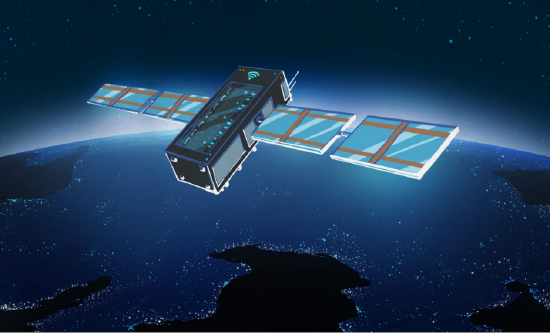
把数据中心建在太空 无需冷却也不缺能源 马斯克重大宣布:我们能做到!中国企业也传来好消息
Mei Ri Jing Ji Xin Wen· 2025-11-09 11:50
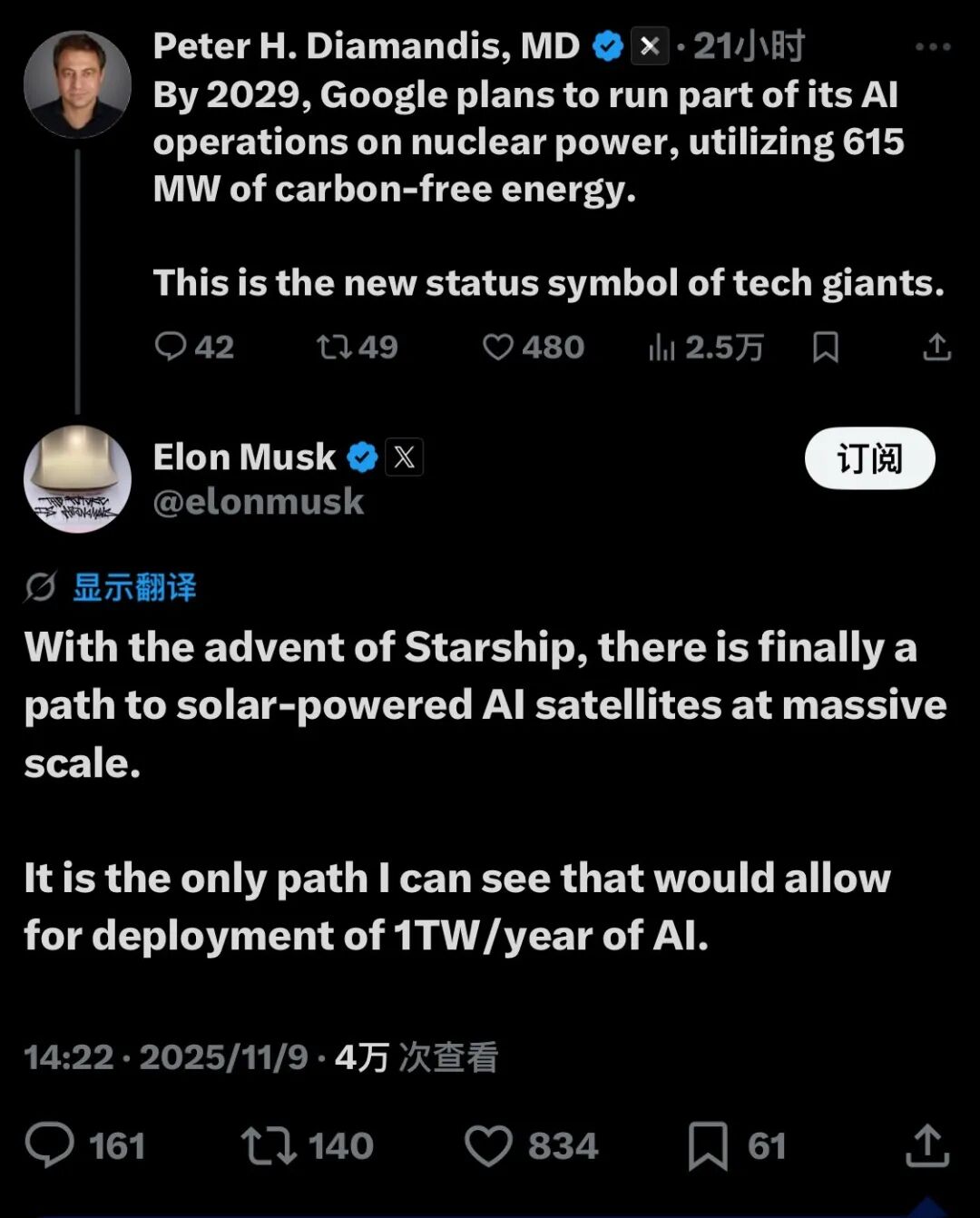
Group 1 - Elon Musk announced that the advent of Starship opens the path for large-scale deployment of solar-powered AI satellites, which he believes is the only way to achieve 1 terawatt (1TW) of AI computing power annually [1] - The energy demand for data centers in the U.S. is expected to nearly double by 2027, creating a significant bottleneck for AI data center construction [3] - The construction of data centers in space is becoming a viable option for many Silicon Valley tech companies due to power limitations on Earth [4] Group 2 - StarCloud successfully launched a test satellite equipped with NVIDIA H100 chips and Google Gemini models, planning to build a 5-gigawatt orbital data center powered by large solar and cooling panels [4] - Google's "Project Suncatcher" aims to establish the first space data center, with plans to launch prototype satellites by 2027 in collaboration with Planet [5] - The commercial aerospace sector in China is expected to accelerate satellite launches, with significant market opportunities anticipated in the coming years [6]
把数据中心建在太空,无需冷却也不缺能源,马斯克重大宣布:我们能做到!中国企业也传来好消息
Mei Ri Jing Ji Xin Wen· 2025-11-09 11:44
Core Insights - Elon Musk announced that the advent of Starship paves the way for large-scale deployment of solar-powered AI satellites, which he believes is the only path to achieve 1 terawatt (1TW) of AI computing power annually [1] - The energy supply shortage is a critical bottleneck for AI data center construction, with FTI Consulting predicting that energy demand for data centers in the U.S. will nearly double by 2027 [4] - Companies are increasingly considering building data centers in space due to the limitations of terrestrial power supply [4] Group 1: Space Data Centers - StarCloud successfully launched a satellite equipped with NVIDIA H100 chips and Google Gemini models, which will provide 100 times the GPU computing power of previous space computing facilities [4] - StarCloud plans to construct a 5-gigawatt orbital data center with large solar and cooling battery panels, measuring approximately 4 kilometers in width and length [4] - The space data center will not require water for cooling and will not depend on batteries or backup power, potentially offering unlimited low-cost renewable energy [4] Group 2: Google’s Initiatives - Google is exploring the idea of equipping its Tensor Processing Units (TPUs) on satellites with solar panels that can generate power almost continuously, with an efficiency eight times that of similar panels on Earth [5] - This initiative, named "Project Suncatcher," aims to establish the first space data center, with plans to launch prototype satellites by 2027 in collaboration with Planet [5] Group 3: Industry Trends - The U.S. has launched over 10,000 satellites, with significant implications for the ongoing conflict in Ukraine, prompting expectations for accelerated launch schedules in China [6] - The commercial aerospace sector is anticipated to experience significant growth in the coming years, with strong performance observed in the A-share commercial aerospace sector recently [6]


从数字和细节看“十四五”成就 向经济强省跨越 看四川五年跨度
Si Chuan Ri Bao· 2025-09-20 01:19
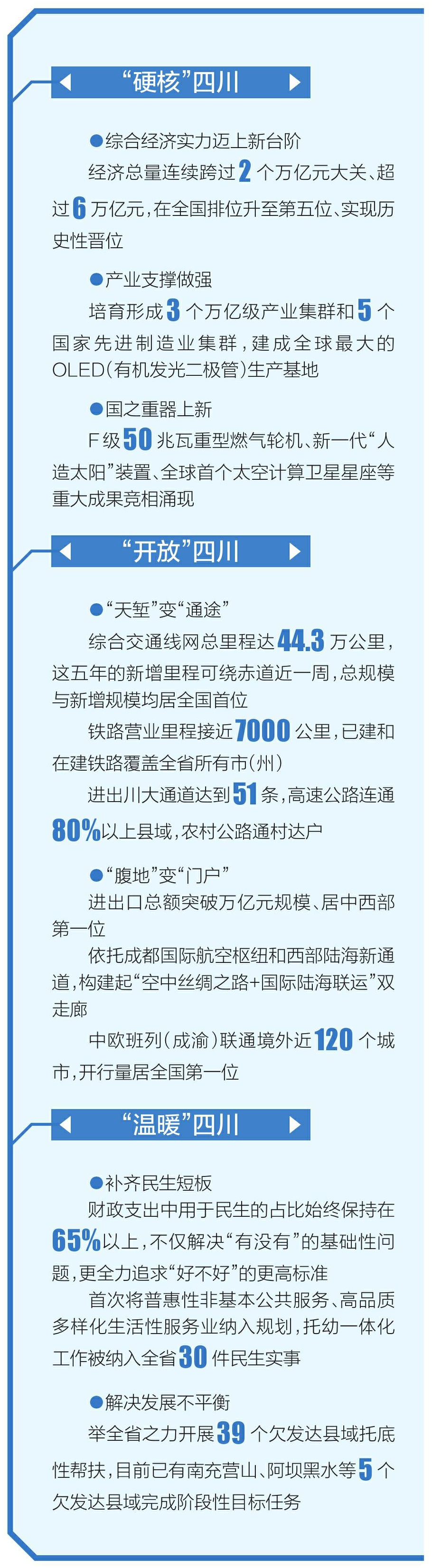
Economic Strength - Sichuan's GDP has surpassed 6 trillion yuan, achieving a historic ranking of fifth in the nation, marking a significant improvement in comprehensive economic strength [9][10] - The province has developed three trillion-yuan industrial clusters and five national advanced manufacturing clusters, establishing the world's largest OLED production base [9][10] Industrial Development - Strategic emerging industries now account for 30% of the value added in regulated industries, while the service sector contributes over 60% to economic growth, indicating a shift towards high-tech and high-value-added manufacturing [10] - The annual power generation from clean energy exceeds 4 trillion kilowatt-hours, representing over 80% of the total, ranking first in the nation [10] Transportation Infrastructure - The total length of Sichuan's comprehensive transportation network has reached 443,000 kilometers, with new additions over the past five years sufficient to circle the equator nearly once [11] - The province has established 51 major transportation corridors, with over 80% of counties connected by highways, and rural roads reaching every village [11] Trade and Openness - Sichuan's total import and export volume has exceeded 1 trillion yuan, ranking first in the central and western regions of China [11] - The Chengdu Tianfu International Airport has significantly increased its international passenger and cargo routes, enhancing the province's global connectivity [11] Social Welfare - Fiscal spending on people's livelihoods has consistently accounted for over 65% of total expenditures, addressing both basic needs and higher standards of living [12][13] - The province has implemented various social programs, including improved nutritional support for rural students and increased access to public education for migrant children [13]
电动车模式上太空?“中美太空竞争发生重大转变”
Guan Cha Zhe Wang· 2025-07-10 14:09
Core Viewpoint - The successful launch of China's first space computing satellite constellation marks a significant advancement in its space capabilities, contrasting with the turmoil faced by NASA due to budget cuts and leadership changes [1][3][5]. Group 1: Satellite Launch and Technology - The launch of 12 satellites under the Space Computing Constellation 021 mission was conducted by Guoxing Aerospace at the Jiuquan Satellite Launch Center, establishing the world's first space computing satellite constellation [1][3]. - Each satellite is equipped with an onboard intelligent computing system and inter-satellite communication system, enabling in-orbit computing capabilities and the formation of a global space computing infrastructure [3][5]. - The "Star Computing Plan" aims to deploy a total of 2,800 satellites, creating a comprehensive terrestrial and space-integrated computing network, positioning China as a leader in space computing technology [3][5]. Group 2: Strategic Implications and Global Competition - Analysts suggest that the development of this satellite constellation could provide China with a strategic advantage in military and intelligence operations, as it allows for data processing in space without relying on terrestrial data centers [5][6][7]. - The initiative is seen as part of China's broader strategy to establish leadership in emerging technologies, similar to its approach in the electric vehicle sector [5][6]. - The U.S. response to China's advancements includes budget cuts to NASA and increased military rhetoric regarding space threats, indicating a heightened competitive atmosphere in space exploration and technology [9][10].