潮玩

Search documents
2026,预见之四:权益篇——慢牛求真:从预期浪潮回归基本面航道
Xin Lang Cai Jing· 2026-01-09 09:27
Group 1 - The core view is that despite short-term market fluctuations, a medium to long-term "slow bull" market is expected in 2026, driven by profit recovery, ample liquidity, and industrial trends [2][13] - The investment focus is shifting from concept expectations to fundamental verification, indicating a more balanced and refined market style in 2026 [4][15] Group 2 - In 2025, the Chinese capital market saw significant developments, with the A-share market's total market value surpassing 100 trillion yuan and trading volume reaching historical highs, reflecting deep market participation and confidence recovery [3][14] - The rise of new consumption, particularly in AI-integrated sectors, is expected to create new growth momentum, aligning with policies aimed at expanding domestic demand [3][14] Group 3 - The investment theme for 2026 is anticipated to center around AI applications, as the focus shifts from infrastructure to actual applications and commercialization, creating clear business models and profit growth points [4][15] - Key financial indicators to watch include the "computing-storage-power-manufacturing" chain and the commercialization rhythm of application endpoints, alongside sectors like energy storage and medical devices [5][16] Group 4 - The macro environment is characterized by mixed signals, with supportive factors such as anti-involution policies improving corporate profitability and a potential shift of resident asset allocation towards equity markets [7][18] - Opportunities are identified in technology, new consumption, and overseas expansion, particularly in AI-powered platforms and innovative consumer electronics [8][19]
一周4000万曝光,喜茶找了下一个“Labubu”联名
东京烘焙职业人· 2026-01-09 08:34
Core Viewpoint - The collaboration between Heytea and Pop Mart's IP "Starry Person" has emerged as a significant event in the beverage industry, marking a successful global launch of a new product line that has generated substantial consumer interest and engagement [6][11]. Group 1: Collaboration Highlights - The partnership represents the first global collaboration in the tea beverage industry, covering multiple dimensions including product, materials, space, and international markets [7]. - The new product "Tiramisu · Rich Chocolate" was launched on December 29, 2023, and sold out quickly, with social media discussions reaching over 40 million views [6][7]. - The collaboration features a series of themed products, including drinks and pastries, enhancing the consumer experience through unique design elements that encourage social sharing [7][9]. Group 2: Market Impact - The collaboration has been strategically timed to coincide with the Christmas and New Year period, allowing for a synchronized global launch across multiple countries, including Malaysia and the United States [9][17]. - Heytea has expanded its international presence, with over 100 overseas stores, including more than 30 in the United States, providing a broader market reach for the collaboration [9][11]. - The partnership is expected to significantly contribute to Pop Mart's revenue, with predictions indicating that "Starry Person" could account for 8% of total sales by 2027 [6][11]. Group 3: Strategic Approach - Heytea's cautious yet flexible approach to collaborations has allowed for focused marketing efforts, with only two IP collaborations launched in 2025, ensuring high levels of attention and engagement [14][15]. - The innovative use of materials and interactive marketing strategies has enhanced the consumer experience, allowing for creative expressions of the "Starry Person" brand [15][17]. - The collaboration exemplifies a shift in both brands towards becoming cultural symbols, moving beyond their original product categories to create a broader lifestyle narrative [17][18].



国产IP如何从爆红到长红?拉布布研究奢侈品逻辑要上价值?
Nan Fang Du Shi Bao· 2026-01-09 07:44
Core Insights - LABUBU, a character created in 2015, became a global sensation in 2025, marking a significant breakthrough for the Chinese潮玩 (trendy toy) industry, transitioning from niche to mainstream appeal [1][3] - The explosive popularity of LABUBU led to substantial investments in the潮玩 sector from various industries, including internet, education, film, and gaming, but concerns arose about the sustainability of growth following the character's peak [1][6] Industry Overview - LABUBU's rise was characterized by a rapid increase in demand, with limited availability leading to a phenomenon known as "one doll hard to find," and significant media attention from celebrities [3][4] - The character's design, featuring a "cute but ugly" aesthetic, resonated with younger audiences, and its marketing strategy effectively utilized social media to break through different consumer segments [3][4] Financial Performance - In August 2025,泡泡玛特 reported a 668% increase in revenue from its THE MONSTERS IP, reaching 4.8 billion yuan, which constituted 34.7% of its total revenue, significantly boosting its stock price [4] - Following the peak,泡泡玛特's stock price experienced a decline of approximately 40% from its August high of 339.8 HKD per share, reflecting market concerns over reliance on a single IP [12][13] Investment Trends - The潮玩 industry saw a surge in capital investment, with multiple brands, including布鲁可 and 52TOYS, pursuing public listings and securing significant funding [6][7] - New潮玩 brands like OHKU raised nearly 100 million yuan in their first round of financing, indicating strong investor interest in the sector [7] Market Dynamics - The secondary market for LABUBU products experienced a significant price correction, with some items dropping in value by as much as 88% from their peak prices due to increased supply and reduced scarcity [9][10] -泡泡玛特's strategy to increase production capacity aimed to mitigate the influence of scalpers and stabilize market prices, leading to discussions about the implications of reduced scarcity on brand value [10][11] Future Outlook - Analysts predict a shift from explosive growth to sustainable growth for泡泡玛特, with a focus on diversifying revenue streams beyond LABUBU [13][14] - The introduction of luxury brand executives to泡泡玛特's board suggests a strategic pivot towards creating a broader cultural platform, potentially expanding into lifestyle products [13][14]
Labubu不再是“理财产品”!多系列线下门店大补货,消费者排队买“娃”,直呼太爽!
Xin Lang Cai Jing· 2026-01-09 04:20
转自:中国商报 (来源:中国商报) 【Labubu不再是"理财产品"!多系列线下门店大补货,消费者排队买"娃",直呼太爽!】Labubu不 再"一布难求"。据记者了解,1月8日,泡泡玛特全国多家门店在社群内发布补货通知,其中包括Labubu 象棋大冒险系列的两款产品、Labubu可口可乐系列以及旗下另一热门IP crybaby的SHINY SHINY系列。 记者实探多家门店发现,补货通知一出,全国多地线下门店开启抢购热潮,即便在工作日的上午,多门 店内消费者也排起了长队,等待选购。去年7月以来,由于Labubu热度飙升,二手市场价格猛涨,线下 排队抢购严重,官方基本取消了线下发售。有资深玩家表示,Labubu近期的补货力度明显加大,不定 时的补货越来越频繁。该玩家也注意到,发售规则也出现松动,从早期仅限线上抢购,转变为消费者可 以直接进店购买。高频的补货也让Labubu的二手市场价格回归理性。从"一娃难求"到"惊喜相遇",以 Labubu为代表的潮玩市场正在往理性与健康的方向回归。有业内人士认为,泡泡玛特正通过稳定的产 品供给不让Labubu成为昙花一现的流行产品,本质上这是品牌夺回定价权的举措,同时也是IP ...
从蜜雪冰城到泡泡玛特,河南品牌全球征战,“中原生长模式”为什么赢麻了?
3 6 Ke· 2026-01-09 00:24
Core Insights - The article highlights the rise of Henan brands in the consumer market, emphasizing their deep integration into daily life and their unique growth model rooted in local consumer needs [3][4][10]. Group 1: Brand Performance - The sales of the retail chain "胖东来" (Pang Dong Lai) have shown significant growth, with projected sales reaching 235.31 billion yuan by 2025, marking a 38.71% increase [6]. - "胖东来" achieved approximately 70 billion yuan in sales in 2022, increasing to about 107 billion yuan in 2023, and expected to reach 170 billion yuan in 2024 [7]. - "巴奴火锅" (Ba Nu Hot Pot) is positioned as a high-end brand with a customer unit price of 138 yuan, significantly higher than competitors like 海底捞 (Haidilao) at 97.9 yuan [8]. Group 2: Global Expansion - "蜜雪冰城" (Mixue Ice City) opened its first store in Los Angeles, marking a significant step in its global strategy, with a total of 53,014 stores worldwide as of mid-2025 [12]. - "泡泡玛特" (Pop Mart) has expanded its global presence with over 500 stores across more than 80 countries, reporting a 365%-370% increase in overseas revenue in Q3 2025 [15]. Group 3: Supply Chain and Production - Henan's agricultural strength supports its brands, with the province producing 1/10 of the country's grain and housing major companies like 牧原股份 (Muyuan Food) and 双汇集团 (Shuanghui Group) [10][18]. - "蜜雪冰城" operates five production bases, with the largest capable of supplying 121 million tons of beverage ingredients annually, supported by a logistics system that can deliver within 12 hours [18]. Group 4: Consumer Behavior and Market Positioning - Henan brands cater to a large population, with a focus on cost-effective products that resonate with local consumers' practical spending habits [19]. - The founders of these brands often come from humble beginnings, which helps them understand consumer needs and market dynamics better [20]. Group 5: Challenges and Market Dynamics - Despite their success, brands like "巴奴" and "胖东来" have faced scrutiny over product quality and service, highlighting the challenges of maintaining trust during rapid expansion [25][26]. - The article emphasizes the need for these brands to balance fast growth with product integrity and consumer trust in a changing market landscape [27].
资本市场年度人物 老将承压,新生代突围
Nan Fang Du Shi Bao· 2026-01-08 23:12
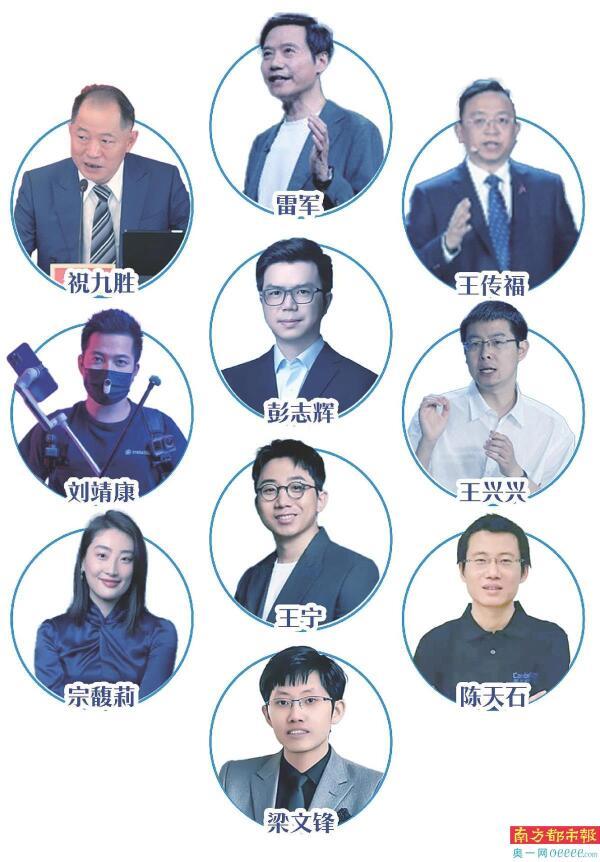
Capital Market Trends - The Chinese capital market in 2025 is characterized by the rise of new tech players and deep adjustments in traditional industries, indicating a shift from scale expansion to value return and from concept speculation to solid capabilities [2] - The experiences of key figures in the market reflect a clear trend: only by respecting risks, adhering to fundamentals, and embracing innovation can one maintain a foothold in the changing capital landscape [2] Challenges for Established Players - The resignation of Vanke's former CEO, Zhu Jiusheng, marks a significant event in the real estate sector, revealing the vulnerabilities of high-leverage models amid a downturn, as Vanke faces over 36 billion in public debt due in 2025 [3] - Xiaomi's CEO Lei Jun faces scrutiny as the company transitions into the automotive sector, with safety concerns and brand reputation challenges arising despite impressive sales figures [3] New Generation Entrepreneurs - Liu Jingkang, born in 1991, leads Ying Shi Innovation to a market cap of 70 billion after a strong debut on the Sci-Tech Innovation Board, but faces intense competition from established players like DJI [5] - Peng Zhihui, known as Zhi Hui Jun, transitions from Huawei to entrepreneurship, achieving a remarkable 1820.29% stock price increase for Wei Xin New Materials, but must now focus on sustainable profitability [5] - Wang Xingxing's Yushut Technology aims for an IPO, showcasing advanced robotics technology, with the success of its commercialization path being crucial for the industry's future [5] Family Business Dynamics - In 2025, Zong Fuli faces legal challenges and internal power struggles at Wahaha, highlighting the complexities of succession and governance in private enterprises [6] Market Volatility and Value Reconstruction - Bubble Mart's LABUBU 3.0 series drives a significant stock price increase, but the subsequent decline in IP premium raises questions about sustainable growth strategies [6] - Cambricon Technologies experiences a turnaround with four consecutive profitable quarters, driven by core technology accumulation, positioning itself as a leader in the AI computing sector [6] Innovation in AI - Liang Wenfeng, founder of DeepSeek, gains recognition for significant advancements in AI, emphasizing that market presence will ultimately yield to technological strength and continuous innovation [7]
“谷子经济”正热,又一家卡牌要去IPO了
Yang Zi Wan Bao Wang· 2026-01-08 13:57
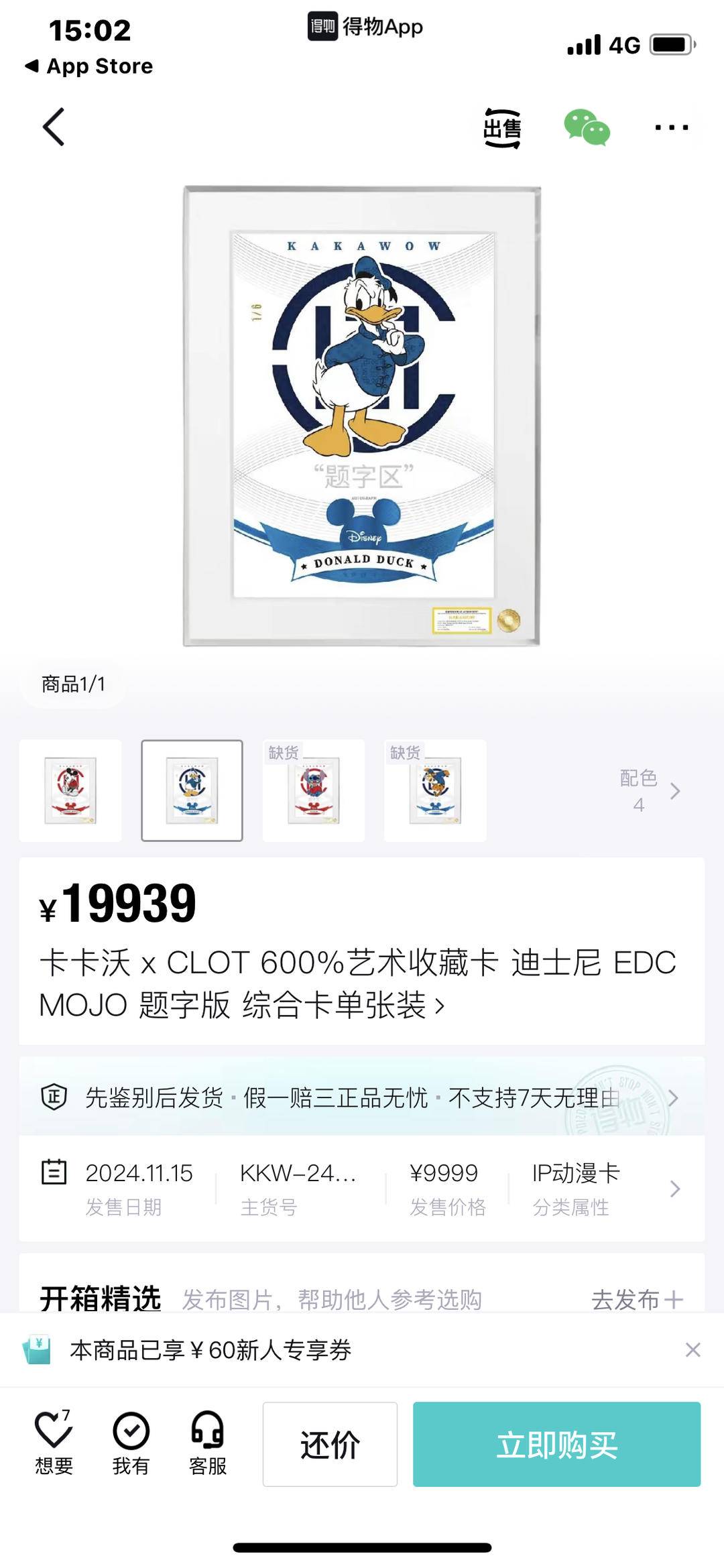
Core Insights - The article highlights the emergence of the "Guzi Economy" in China, particularly focusing on the collectible card market, which is entering a 2.0 phase characterized by asset collection. Suplay, a company specializing in high-end collectible cards, has submitted its listing application to the Hong Kong Stock Exchange, revealing significant growth potential in this emerging sector [1]. Company Overview - Suplay was founded in 2019 by Huang Wanjun, who previously worked at Huaxing Capital and co-founded Modian. Initially targeting the secondary market for blind box products, the company pivoted in 2020 to focus on the adult collectible card market, launching its own brand "Kakawo" [2]. - Kakawo differentiates itself from traditional trading cards aimed at children by focusing on high-end collectible cards priced over 10 yuan each, incorporating complex craftsmanship and collaborating with international grading institutions like PSA [2]. Market Position - As of 2024, Kakawo is the leading brand in China's collectible non-battle card market, holding a market share greater than the combined total of its second and third competitors. It is also the only Chinese brand among the top five globally [2]. - The popularity of Kakawo is evident, with specific cards, such as the Kakawo x CLOT 600% art collectible card, being sold for as high as 19,939 yuan, indicating strong demand and market interest [2]. Financial Performance - Suplay's revenue from its collectible card business has surged, with projections showing an increase from 146 million yuan in 2023 to 281 million yuan in 2024. By the first three quarters of 2025, revenue reached 283 million yuan, surpassing the total for the previous year [7]. - The adjusted net profit is expected to rise from a marginal profit in 2023 to 86.42 million yuan in the first three quarters of 2025, achieving a net profit margin close to 30% [7]. Growth Drivers - The company's growth is heavily reliant on a strong portfolio of IP licenses, including major global brands like Disney and Harry Potter, as well as exclusive licenses from significant shareholders like miHoYo, which includes popular game IPs such as Genshin Impact [7]. - The collectible card business contributes over 70% of Suplay's total revenue, showcasing the profitability of its business model [7]. Challenges and Risks - Despite its success, Suplay faces challenges, including a significant dependency on IP licenses, with proprietary IP revenue dropping to 4.1%. The company's core profits are closely tied to top-tier IP licenses [8]. - The reliance on distributor channels limits direct-to-consumer control, and as the company scales, the risk of inventory impairment is increasing [8]. Industry Outlook - The Chinese pan-entertainment card market is projected to reach 50 billion yuan by 2027, indicating a robust growth trajectory for the sector [14]. - Suplay has successfully carved out a niche in a market traditionally dominated by children's products, targeting adult collectors aged 18-35 with a unique blend of emotional value, collectible craftsmanship, and market liquidity expectations [14].
潮玩赛道资本涌动,上市公司多元化布局“抢地盘”
证券时报· 2026-01-08 09:07
Core Viewpoint - The潮玩 (trendy toy) industry is experiencing significant growth and investment opportunities, particularly in 2025, which is seen as a pivotal year for the sector's expansion and market penetration [3][5][12]. Group 1: Industry Growth and Investment - The潮玩 market has seen a resurgence in financing activities in 2025, with over 15 significant financing events reported, marking a notable increase compared to 2022 and 2023 [5][6]. - Major financing rounds include元气玛特's nearly 100 million C-round financing in January 2025 and闪魂's several hundred million financing in August 2025 [5][6]. - The market is characterized by high frequency and high amounts of financing, indicating strong investor interest and confidence in the潮玩 sector [5][6]. Group 2: Corporate Strategies and Market Entry - Companies are increasingly entering the潮玩 market through various strategies, including investments, acquisitions, and building in-house teams [8][9]. -恺英网络's CEO emphasized that their entry into AI潮玩 is a strategic move based on technological capabilities and user demand, rather than a mere trial [8][9]. -元隆雅图 is diversifying its channels by establishing retail stores and online platforms to capture the growing consumer demand for潮玩 and cultural products [9][10]. Group 3: Market Potential and Consumer Trends - The潮玩 market is driven by a significant consumer demand for emotional and interactive products, particularly among younger demographics [10][12]. -泡泡玛特 reported a revenue growth of 245% to 250% year-on-year in Q3 2025, with overseas market revenue increasing by 365% to 370% [12]. - The industry is viewed as a "super track" with immense growth potential, attracting attention from both venture capital and publicly listed companies [12][13]. Group 4: Strategic Collaborations and Future Outlook - Companies like万达电影 are leveraging investments in潮玩 brands to enhance their strategic collaborations and consumer engagement [13][15]. - The unique capabilities developed through experience in producing licensed products for major events provide元隆雅图 with a competitive edge in the潮玩 market [15][16]. -恺英网络 is focusing on partnerships that enhance their IP capabilities, indicating a trend towards collaborative models in the潮玩 industry [16].
家电轻工2026年策略报告:重点关注内需供给优化,外需新品类新市场-20260108
GOLDEN SUN SECURITIES· 2026-01-08 07:57
Group 1: Industry Overview - The home appliance and light industry in 2026 should focus on four investment themes: domestic demand supported by old-for-new policies, supply-side improvements in the power bank industry, and the rise of niche consumer products in service consumption [1] - The white goods sector is expected to benefit from the old-for-new policy, with a significant increase in consumer spending projected [44] - The overall performance of the light industry outperformed the CSI 300 index, with a cumulative increase of 24.68% from January to December 2025 [12][15] Group 2: Key Companies - Midea Group is developing a second growth curve through its B-end business, particularly in data center liquid cooling, which shows significant potential [2] - Haier Smart Home is enhancing its operational system through a data-driven approach, improving competitiveness across product, cost, and supply chain [2] - TCL Electronics and other companies in the black goods sector have shown strong performance, benefiting from the old-for-new subsidy policy [21] Group 3: Market Trends - The power bank industry is expected to see improved market conditions due to new regulations, which will raise industry standards and potentially eliminate many low-quality brands [2] - The "Guzi economy" is tapping into emotional consumption needs, with domestic IP supply increasing and consumer spending on IP expected to grow significantly [3] - The folding bicycle market is transitioning from niche to mainstream, with significant growth potential driven by urban mobility needs [3] Group 4: Export and New Markets - The export chain is gradually recovering from tariff disruptions, with a focus on companies that have strong overseas production capabilities to mitigate tariff risks [3] - New product categories, such as pool cleaning robots, have substantial growth potential, with Chinese companies expected to increase their market share [3] - Emerging markets in Africa and Latin America present new opportunities for multinational hygiene product companies [3]



国盛证券:重点关注家电内需供给优化 外需新品类新市场
智通财经网· 2026-01-08 06:45
Group 1: Home Appliance and Light Industry Investment Opportunities - The home appliance and light industry should focus on four investment themes by 2026: 1) The white goods sector, supported by trade-in policies, is expected to have good allocation value due to its dividend yield; 2) The power bank industry is anticipated to improve due to new regulations, while the domestic hardware market share is set to rise [1] - The white goods sector has strong defensive attributes and offers good value in terms of dividend yield. Midea Group's B-end business, particularly in data center liquid cooling, shows significant growth potential, with its current P/E ratio being relatively low [1] - Haier Smart Home is enhancing its competitive edge through a new operational system focused on "data-driven intelligent decision-making and closed-loop optimization" [1] - The power bank industry is expected to see improved market conditions with the upcoming release of the "Mobile Power Safety Technical Specification" in Q1 2026, which will raise industry standards and potentially eliminate many white-label brands [1] Group 2: Consumer Trends and New Market Opportunities - The "lipstick effect" and social currency attributes are driving demand for emotional consumption, with the IP-based spiritual consumption sector in China experiencing rapid growth and increasing supply of domestic IPs [2] - Companies like Pop Mart, which have strong IP operation capabilities, and Blukoo, which has significant room for channel expansion, are recommended [2] - The folding bicycle market is gaining traction due to its convenience and efficiency in urban settings, with Dahan Technology leading the industry in mainland China [2] - The consumer-grade 3D printer market is evolving from a niche tool for professionals to a widely accessible device, with Chuangxiang Sanwei expected to list on the Hong Kong Stock Exchange [2] Group 3: Export Chain Recovery and New Product Opportunities - The Chinese home appliance and light manufacturing industry remains globally competitive, with a focus on companies that have strong product and channel development capabilities and overseas factories to mitigate tariff risks [3] - New product opportunities include pool cleaning robots, which have significant room for market penetration, and companies like Wangyuan Technology are expected to list on the Hong Kong Stock Exchange [3] - There is a focus on multinational hygiene product companies like Leshushi that are targeting rapidly developing emerging markets in Africa, Latin America, and Central Asia [3]