
显示产业

Search documents
惠科进军机器人!
WitsView睿智显示· 2025-09-12 03:16
Core Viewpoint - The strategic cooperation agreement between Huike and Zhifang marks a significant milestone in the intelligent transformation of the display industry, with plans to deploy over 1,000 intelligent robots in production bases globally within three years, amounting to nearly 500 million yuan in orders [2][5]. Group 1: Strategic Cooperation - Huike's subsidiary, Shenzhen Huizhi Internet of Things Technology Co., Ltd., signed a comprehensive strategic cooperation agreement with Zhifang (Shenzhen) Technology Co., Ltd. in the semiconductor display field [2]. - The agreement includes the deployment of over 1,000 intelligent robots across Huike's global production bases, covering the entire process from warehousing logistics to quality inspection [2][5]. Group 2: Application and Technology Development - The PCB operation has been selected as the first demonstration scenario for the intelligent robots, which are driven by the "Vision-Language-Action" (VLA) model [4]. - Huike plans to integrate AI edge models into its production line control systems to achieve lower latency in real-time decision-making and more efficient energy management [5]. - A specialized technical team will be formed to develop next-generation models for industrial operations, aiming to create "intelligent workers" that understand the screen manufacturing process [5].


签约/揭牌,江浙地区2个显示项目有新动态
WitsView睿智显示· 2025-09-11 10:08
Core Viewpoint - The domestic display industry is experiencing significant project advancements, including the introduction of the Korean JHONE semiconductor wafer carrier project in Haimen Economic Development Zone and the inauguration of Zhejiang's first electronic paper world exhibition hall in Tongxiang [2]. Group 1: Haimen Economic Development Zone and JHONE Project - Haimen Economic Development Zone signed an investment agreement with Korean JHONE for a semiconductor wafer carrier project on September 8 [3]. - The total investment for the project is 300 million yuan, with 180 million yuan allocated for equipment. The project aims to establish a platform focused on DSP Carrier and OLED CVD FMM Sticker, with plans to expand into various consumables such as wafer boxes and electrostatic chucks [5]. - JHONE is one of the few companies capable of developing and manufacturing high-precision components and core consumables for OLED and semiconductors, supplying products to several internationally renowned companies [5]. - The semiconductor industry is a key development direction for Haimen Economic Development Zone, which has attracted nine projects this year, including JHONE [5]. Group 2: Zhejiang Electronic Paper World Exhibition Hall - Zhejiang's first electronic paper world exhibition hall, created by Electronic Paper Technology (Zhejiang) Co., Ltd., was officially inaugurated on September 9 [6]. - The project focuses on the research and production of electronic paper and new display products, including a 2.2 mm ultra-narrow bezel high-resolution (235 DPI) electronic paper and a 3.98-inch high-definition module with rounded corners (238 DPI) [7]. - The project is progressing smoothly, with the first phase of a cleanroom facility completed and production equipment being installed and debugged, expected to commence production by mid to late October. The total investment for both phases is approximately 100 million yuan, with an anticipated annual output value exceeding 500 million yuan upon reaching full capacity [7].

TCL科技(000100.SZ):AI终端设备的快速发展有望为小尺寸OLED市场带来持续的增长动力
Ge Long Hui· 2025-09-04 13:22
Core Viewpoint - The integration of AI technology into terminal devices is expected to enhance consumer demand for smarter and more efficient products, driving growth in the small-sized OLED market [1] Company Insights - TCL Technology is actively monitoring the evolution of AI technology and its integration with the display industry [1] - The company believes that the rapid development of AI terminal devices will provide sustained growth momentum for the small-sized OLED market [1]

TCL科技:公司2025年上半年实现经营现金流净额273亿元
Zheng Quan Ri Bao Zhi Sheng· 2025-09-02 11:13
Core Insights - TCL Technology announced that it expects to achieve a net operating cash flow of 27.3 billion yuan in the first half of 2025, primarily driven by cash flow contributions from TCL Huaxing [1] - The company reported that TCL Zhonghuan has maintained positive operating cash flow despite being at the bottom of the industry cycle [1] - The rapid growth in operating cash flow for TCL Huaxing is attributed to significant profitability growth despite high depreciation, along with improvements in inventory turnover and accounts receivable management [1] Financial Performance - TCL Technology's capital expenditures are on a declining trend as both the display and photovoltaic industries have passed their investment peaks, indicating a stable growth in future free cash flow [1] - The company plans to increase its equity stake in certain panel production lines to enhance parent company profits [1] - Management of the debt-to-asset ratio is a priority, with a focus on reducing financial costs [1] Shareholder Returns - The company has a long-standing commitment to shareholder returns and will continue to implement a proactive dividend strategy [1]
超1000亿!京东方公布上半年业绩
WitsView睿智显示· 2025-08-27 15:09
Core Viewpoint - The company achieved a revenue of 101.28 billion yuan in the first half of the year, representing a year-on-year growth of 8.45%, while the net profit attributable to shareholders increased by 42.15% to 3.25 billion yuan [1][2]. Financial Performance - Revenue for the reporting period was 101,278,182,135 yuan, up from 93,386,241,632 yuan in the same period last year, marking an increase of 8.45% [2]. - Net profit attributable to shareholders was 3,246,885,779 yuan, compared to 2,284,051,354 yuan in the previous year, reflecting a growth of 42.15% [2]. - The net profit after deducting non-recurring gains and losses was 2,282,236,531 yuan, a 41.45% increase from 1,613,403,381 yuan [2]. - The net cash flow from operating activities decreased by 8.61% to 22,736,307,086 yuan from 24,878,969,292 yuan [2]. - Basic and diluted earnings per share both increased by 50% to 0.09 yuan [2]. - The weighted average return on equity rose to 2.45% from 1.75% [2]. Asset Overview - Total assets at the end of the reporting period were 425.80 billion yuan, a slight decrease of 0.97% from 429.98 billion yuan at the end of the previous year [2]. - Net assets attributable to shareholders were 132,991,322,618 yuan, showing a marginal increase of 0.04% from 132,937,555,308 yuan [2]. Revenue Structure - The display business generated revenue of 843.32 billion yuan, accounting for 83.27% of total revenue, with a year-on-year growth of 8.10% [3]. - The IoT innovation business contributed 181.91 billion yuan, representing 17.96% of total revenue, with a growth of 6.03% [3]. - The sensor business saw a significant increase of 36.80%, reaching 223.58 million yuan [3]. - MLED business revenue was 4.35 billion yuan, up 7.76% [3]. - The smart medical engineering business generated 917.49 million yuan, with a modest growth of 1.52% [3]. - Other businesses and inter-segment eliminations accounted for -6.73 billion yuan, a decrease of 2.19% [3]. Subsidiary Performance - Chongqing BOE Optoelectronics Technology Co., Ltd. reported revenue of 8.57 billion yuan and a net profit of 1.80 billion yuan [4]. - Hefei Xinsheng Optoelectronics Technology Co., Ltd. achieved revenue of 14.07 billion yuan with a net profit of 1.00 billion yuan [4]. - Fuzhou BOE Optoelectronics Technology Co., Ltd. generated revenue of 5.64 billion yuan and a net profit of 1.02 billion yuan [4]. Business Development - The company continues to strengthen its leading position in the semiconductor display field, optimizing product structure in the LCD sector and increasing shipments of flexible OLED products [5]. - The MLED direct display business is expanding, with multiple benchmark projects launched in collaboration with Shanghai Film Group [5]. - The sensor business is advancing with the construction of advanced packaging lines and the mass production of various models [5]. - The digital hospital segment is also seeing steady growth in outpatient and discharge volumes [5].

一个“零跑腿”与“加速跑”的陕西故事 _陕西日报数字报-群众新闻网
Shan Xi Ri Bao· 2025-08-26 21:06
Core Viewpoint - The article highlights the successful collaboration between the government and the company, Visionox, in overcoming operational challenges and enhancing the business environment for innovation and growth in the LED display industry [1][2]. Group 1: Company Overview - Visionox is a leading enterprise in the ultra-high-definition display industry in Guangdong Province, known for its innovative products such as LCD display control boards and interactive smart panels [2]. - The company established a strategic foothold in Xi'an, with its subsidiary, Qingsong Optoelectronics, leading the LED integrated machine market in China for six consecutive years [2][4]. Group 2: Government Support and Collaboration - In January 2024, Visionox faced a bottleneck in its Northwest Regional Headquarters project due to incomplete construction acceptance records, which hindered property registration and financing [2]. - The Fengdong New City Management Committee intervened, providing a "zero-run" service to expedite the necessary approvals and registrations, demonstrating effective government support [3][4]. - Within 50 days, all construction acceptance procedures were completed, showcasing the efficiency of the collaborative efforts between the company and various government departments [4]. Group 3: Business Development and Innovation - Visionox has expanded its strategic layout in Xi'an, establishing additional subsidiaries in education, computing, and energy storage, while upgrading its R&D capabilities [4][5]. - The Northwest headquarters has become a global hub for Visionox's LED business, attracting over 500 R&D professionals and significantly contributing to technological innovation in the sector [5][6]. - The company's self-developed teaching model has reduced preparation time for teachers by 70%, benefiting approximately 10 million educators nationwide [5][6]. Group 4: Economic Impact and Future Outlook - Visionox's annual R&D investment exceeds 1 billion yuan, creating a strong technological moat and positioning the company as a chain leader in the industry [6]. - The article emphasizes the positive impact of a supportive business environment on the growth of private enterprises, illustrating how government services can enhance competitiveness and foster innovation [6].
美国康宁发起“337调查”,中国显示供应链遭遇全球围堵
Hu Xiu· 2025-08-15 23:22
Core Viewpoint - Corning Inc. has initiated a series of legal actions, including a "337 investigation," against several leading Chinese companies in the new display industry, indicating a significant escalation in the competition between U.S. and Chinese firms in the display supply chain [1][2][6][14]. Group 1: Overview of the Investigation and Lawsuits - The "337 investigation" by Corning is a critical phase in the legal battle, with evidence submission deadlines set by the U.S. International Trade Commission (ITC) [1][10]. - Corning has filed a total of 13 lawsuits against Chinese companies, including Rainbow Technology, TCL Huaxing Optoelectronics, and Huike, across multiple jurisdictions such as the U.S., EU, and India [2][9]. - The investigation targets the entire display industry chain, from materials to end products, highlighting the comprehensive nature of the legal actions [9][21]. Group 2: Market Dynamics and Implications - China's display panel production accounts for approximately 50% of the global market, with over 70% of shipments originating from China [4][19]. - Corning, along with two Japanese companies, dominates about 90% of the glass substrate market, posing a significant challenge for Chinese firms like Rainbow Technology, which has recently achieved a 10% market share [4][15]. - The legal actions are seen as an attempt by Corning to maintain its market position and limit the production capacity of Chinese companies, which have begun to break the technological monopoly in the glass substrate market [14][16]. Group 3: Technological and Competitive Landscape - The glass substrate is a crucial material in the display supply chain, akin to silicon wafers in the semiconductor industry, making the ongoing legal battles pivotal for the future of the Chinese display industry [5][15]. - Both Corning and Rainbow Technology utilize the "overflow method" for glass substrate production, which is essential for achieving the required precision and quality [21]. - The competition is not only about market share but also revolves around intellectual property rights, with Corning leveraging its patents to create barriers for Chinese competitors [22][23]. Group 4: Future Outlook and Industry Response - The outcome of these legal battles could significantly impact the Chinese display industry's ability to secure its supply chain and maintain competitive pricing, as evidenced by the drop in glass substrate prices due to increased local production [16][17]. - Experts emphasize the need for China to develop its own intellectual property in the glass substrate sector to ensure long-term sustainability and independence in the display industry [25][29]. - The ongoing disputes reflect broader trends in global trade and technology competition, with potential implications for other sectors as well [30][31].

美国康宁发起“337调查”和多国诉讼 中国显示供应链遭遇全球围堵
经济观察报· 2025-08-15 15:48
Core Viewpoint - The article discusses the ongoing legal battles initiated by Corning Inc. against several leading Chinese companies in the new display industry, highlighting the implications for the industry and the potential risks to China's market position due to patent and intellectual property disputes [2][4][20]. Group 1: Legal Actions and Investigations - As of mid-August this year, Corning has initiated a total of 13 lawsuits related to patents and intellectual property against Chinese companies such as Rainbow Technology, TCL Huaxing Optoelectronics, and HKC in various regions including the US, EU, India, and China [2][4]. - The critical date for evidence submission in the "337 investigation" by the US International Trade Commission (ITC) is set for August 8, 2025, marking a significant point in the legal proceedings [2][8]. - Corning has filed two applications for "337 investigations" against Chinese companies within a short span from late 2024 to early 2025, accusing them of infringing on its patents and trade secrets in the glass substrate sector [6][10]. Group 2: Industry Context and Market Dynamics - The display industry chain is divided into three segments: glass substrates (upstream), liquid crystal panels (midstream), and electronic displays (downstream), with downstream applications in TVs, smartphones, computers, and automotive displays [3]. - China currently accounts for approximately half of the global display panel output value and over 70% of the shipment volume, having invested over 1.5 trillion yuan to establish more than 60 production lines with an annual capacity of about 250 million square meters [4][14]. - Despite this growth, around 90% of the glass substrate market is dominated by Corning and two Japanese companies, with Rainbow Technology being the only Chinese firm to recently overcome the technical barriers of the 8.5-generation production line [4][12]. Group 3: Implications of the Legal Battles - The ongoing legal disputes are seen as a significant threat to the Chinese display industry's future, as the outcome could determine the ability of Chinese companies to maintain their market share and technological advancements [12][20]. - The legal actions initiated by Corning are perceived as efforts to restrict the production capacity of Chinese firms, which have recently begun to challenge the long-standing technological monopoly held by multinational corporations [13][21]. - The article emphasizes the importance of intellectual property rights in the glass substrate market, as both Corning and Rainbow Technology utilize similar manufacturing processes, making the protection of patents crucial for competitive advantage [16][18].


美国康宁发起“337调查”和多国诉讼 中国显示供应链遭遇全球围堵
Jing Ji Guan Cha Wang· 2025-08-15 03:49
Core Viewpoint - The ongoing legal battles initiated by Corning Inc. against leading Chinese display companies represent a significant confrontation in the global display industry, particularly focusing on the glass substrate market, which is crucial for the entire display supply chain [2][4][10]. Group 1: Industry Overview - China's display panel output accounts for approximately half of the global market, with over 70% of shipments originating from the country [3]. - The Chinese display industry has invested over 1.5 trillion yuan, establishing more than 60 production lines with an annual capacity of about 250 million square meters, making it the largest display industry hub globally [3][16]. - Despite this growth, around 90% of the glass substrate market is dominated by Corning and two Japanese companies, with only Rainbow Optoelectronics recently breaking through the 8.5-generation production line technology [3][11]. Group 2: Legal Actions and Investigations - Corning has initiated multiple "337 investigations" against Chinese companies, including Rainbow Optoelectronics, TCL Huaxing, and others, alleging patent and trade secret infringements related to glass substrates [5][6][10]. - The "337 investigation" process is critical, involving evidence disclosure and hearings, which can significantly impact the outcomes of these legal disputes [2][8]. - As of mid-August 2025, Corning has filed a total of 13 lawsuits against Rainbow Optoelectronics across various regions, including the U.S., EU, and India, focusing on patent and intellectual property issues [2][7]. Group 3: Market Dynamics and Implications - The glass substrate is a foundational material in the display supply chain, and the ongoing patent disputes are pivotal for the future of the Chinese display industry [4][14]. - Corning's dominance in the glass substrate market, holding over 50% market share, poses a significant threat to Chinese companies that are beginning to gain market share [10][19]. - The legal actions taken by Corning are seen as attempts to limit the production capacity of Chinese firms, thereby maintaining its market position and preventing price reductions in glass substrates [11][12]. Group 4: Future Outlook - The outcome of these legal battles will have profound implications for the Chinese display industry's ability to secure its supply chain and maintain competitive pricing [11][12]. - Experts emphasize the need for China to develop its own intellectual property in the glass substrate sector to ensure the industry's long-term sustainability and independence [17][18].
合肥国显8.6代AMOLED生产线项目主厂房封顶
Yang Guang Wang· 2025-08-12 08:19
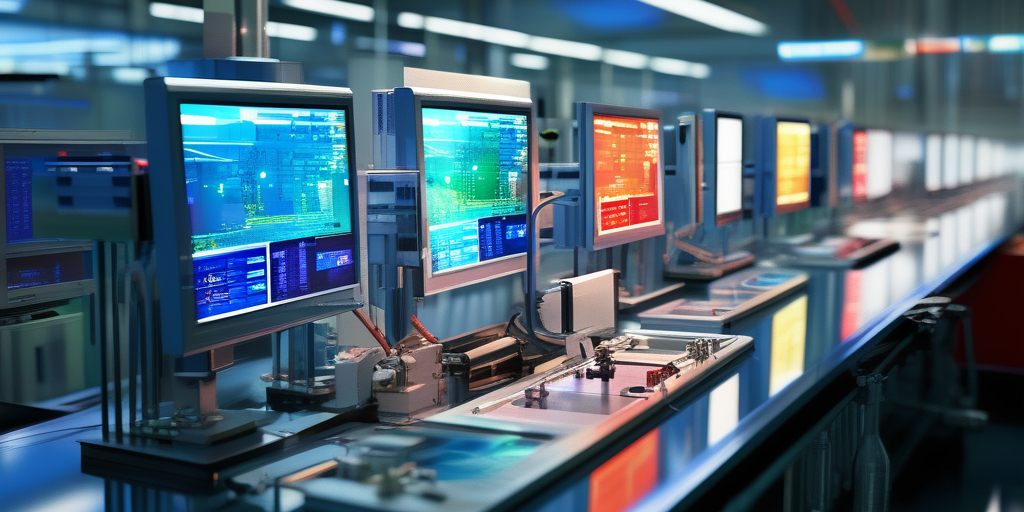
Core Viewpoint - The Hefei Guoxian 8.6-generation AMOLED production line project has successfully topped out its main plant, marking a significant milestone in the development of high-generation AMOLED technology and the display industry in Hefei [1][2]. Group 1: Project Overview - The project is located in Hefei New Station High-tech Zone, covering an area of approximately 1040 acres, with the main plant having a construction area of about 800,000 square meters, making it the largest single plant in the semiconductor industry in the Yangtze River Delta region [2]. - The total investment for the project is 55 billion yuan, making it the largest single investment in the new display industry in Hefei's history [3]. - The project has achieved the topping out of the main plant in just 168 days, setting a global record for the construction speed of similar scale plants [2]. Group 2: Technological Advancements - The production line is the world's first to utilize the ViP technology, which enhances AMOLED production by overcoming limitations of traditional FMM processes, resulting in independent pixels, high precision, and high yield [4]. - The design capacity of the plant is 32,000 glass substrates per month, enabling the production of larger AMOLED panels for various applications, including tablets, laptops, automotive displays, and monitors [3]. Group 3: Market Trends - The penetration rate of AMOLED technology in medium and large-sized applications is accelerating, driven by the rapid growth in demand for high-end displays in consumer electronics and smart automotive markets [5]. - According to Omdia, the compound annual growth rates for medium-sized IT products and automotive products are projected to be 26.5% and 30.6%, respectively, with IT product shipments expected to reach 84.2 million units by 2030 [5]. Group 4: Industry Development - The Hefei New Station High-tech Zone has established a comprehensive display industry cluster, including upstream equipment, materials, and downstream terminal products, achieving a complete industrial chain from raw materials to finished products [6][7]. - The area has become a significant hub for display production, with annual output accounting for about one-seventh of the national total and over two-thirds of the city's enterprises involved in the display industry [7]. - The local government is implementing a "1324" development strategy to enhance advanced manufacturing, focusing on the integration of TFT-LCD, AMOLED, and silicon-based OLED technologies [8].