
综合能源服务

Search documents
《分布式能源规划员》(综合能源服务方向)培训通知丨系列培训
中国能源报· 2025-12-22 08:23
培训 地点 : 线上 关于 举办 《分布式能源规划员》(综合能源服务方向)培训通知 各企事业单位: 《中华人民共和国能源法》 提出,鼓励发展分布式能源和多能互补、多能联供综合能源 服务,提高终端消费清洁化、高效化、智能化水平。多能联供综合能源服务 成为现代能 源产业发展的重要方向和实现碳中和的重要路径。 电力、冷热、用户之间的关系变得越来越紧密,打破不同能源品种单独规划、设计、运行 的传统模式,实现横向 "电热冷气水"能源多品种之间、纵向"源网荷储用"能源多供应环 节之间的协同,以及生产侧和消费侧的互动 ,正成为行业趋势。 目前,在我国熟悉用户用能特性,掌握能源规划、转化、智能控制等技术,并具备能效 碳排放 评估,通晓末端节能 减碳 、投资、建设、运营等跨 学科专 业 应用 人才匮乏, 严重影响各能源企业向综合能源服务转型和发展的进程。为此,中国能源报社 特 开 展 《分布式能源规划员》(综合能源服务方向)培训 ,参加培训并经考核合格者,由人力资 源和社会保障部 社会保障能力建设 中 心 颁 发 《 分 布 式 能 源 规 划员 》 (综 合 能 源 服 务 方 向)培训证书。 一、培训 形式 及时间 5 . ...


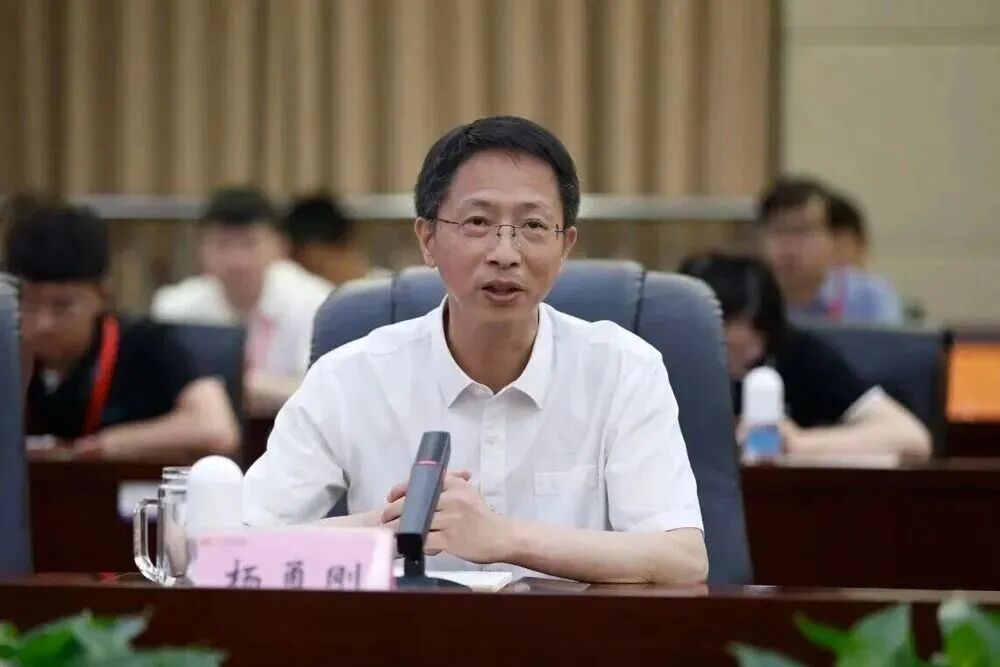
杨勇刚任济南能源集团总经理
Zhong Guo Dian Li Bao· 2025-12-22 02:05
11月24日,中共济南市委组织部发布干部任前公示,其中,现任济南能源集团有限公司党委副书记、董事的杨勇刚,拟任市管企业正职。 济南能源集团官网显示,公司是经济南市政府批准的市属一级国有独资大型能源企业,注册资本100亿元,员工12000余人,资产规模980.85亿 元,主营业务包括热力生产与供应、管道燃气供应、供冷、发电、加气站、加氢站、充电桩、城市供热、城市照明、水利工程、市政工程设 计、施工和经营管理、新能源技术研发等,开展综合能源利用(包括电力、燃气、太阳能等能源)和服务(包括投资、设计、工程、技术研发 和运营等)。 来源:山东财经报道、济南能源集团官网 索比光伏网 https://news.solarbe.com/202512/22/50015167.html 上述消息显示,杨勇刚已任济南能源集团党委副书记、总经理。 公开资料显示,杨勇刚,男,汉族,1974年8月生,大学,中共党员。 据济南能源集团官网消息,12月17日,济南能源集团2025年第四季度安委会工作会议召开。集团党委书记、董事长潘世英,党委副书记、总经 理杨勇刚出席并讲话,集团安全总监曹连伟主持会议。 ...
京东方控股子公司更新IPO状态
WitsView睿智显示· 2025-12-18 04:56
Core Viewpoint - 京东方能源科技 is focused on comprehensive energy services, with a stable gross margin of over 34% across its three main business segments, which include comprehensive energy services, energy utilization, and zero-carbon services [2]. Group 1: Business Overview - The company operates in three main segments: comprehensive energy services (including EPC for renewable energy and energy management), energy utilization (operating approximately 368 MW of solar power plants), and zero-carbon services (carbon asset development and consulting) [2]. - The customer concentration is decreasing year by year, with significant orders from state-owned enterprises like the National Energy Group providing cash flow security [2]. Group 2: Financial Performance - From 2022 to 2024, 京东方能源科技's revenue is projected to grow from 642 million to 1.012 billion, achieving a compound annual growth rate of over 25% [2]. - The net profit attributable to shareholders is expected to slightly decline to 112 million in 2024 [2]. Group 3: IPO Details - The company initially planned to issue up to 414 million shares to raise approximately 813 million, but the latest plan has reduced the total fundraising amount to 469 million, with 400 million allocated for working capital [2].
“增储上产”构筑中国石油高质量发展底气
Zheng Quan Ri Bao· 2025-12-12 16:40
Core Insights - The breakthrough at the ZI201 well in Sichuan marks China's first successful extraction of high-yield commercial gas flow from Cambrian shale, indicating significant advancements in deep shale gas exploration [1][2] - China National Petroleum Corporation (CNPC) is enhancing its traditional oil and gas reserves while actively investing in renewable energy, aiming for sustainable growth through innovative technologies [1][3] Natural Gas Production Growth - Following the success of the ZI201 well, CNPC is accelerating exploration and evaluation in the area, with the establishment of the ZI201H2 platform for pilot testing development techniques [2] - The pilot tests achieved four significant milestones, including reducing drilling cycles to under 100 days and implementing advanced monitoring systems in deep shale gas wells [2] Industry Development and Trends - Sichuan Basin is recognized as China's most promising area for natural gas exploration, with the highest total resource volume, particularly in shale gas [3] - Natural gas is expected to play a crucial role in China's energy transition, with medium to long-term consumption projected to grow at a moderate to high rate, enhancing CNPC's profitability in this sector [3] Enhancing Industry Resilience - The Xiangguosi gas storage facility in Chongqing is part of a strategy to create a "Southwest 10 billion gas storage center," contributing significantly to national gas supply stability [4] - The facility has achieved a 15% actual peak shaving task against its design capacity, showcasing its operational efficiency and technological advantages [4] Digital Transformation and Efficiency - The gas storage facility has implemented digital operations, reducing inspection cycles by 60% and increasing efficiency by 200% through the use of automated systems and intelligent robots [5] - CNPC's Suining gas purification plant has become the largest in China, achieving rapid production milestones and adopting a smart management model for enhanced operational efficiency [5] Transition to Comprehensive Energy Stations - CNPC is transforming traditional gas stations into comprehensive energy stations, integrating various services such as refueling, charging, and retail [6] - The Yongquan comprehensive energy station in Chengdu exemplifies this transition, featuring advanced charging infrastructure and a diverse range of services [6][7] Future Outlook - CNPC aims to maintain its core oil and gas business while innovating in comprehensive energy services, focusing on long-term growth and value creation for shareholders [7]

年碳减排2400吨 这个企业用AI破解制造业转型困局
中国基金报· 2025-12-12 02:36
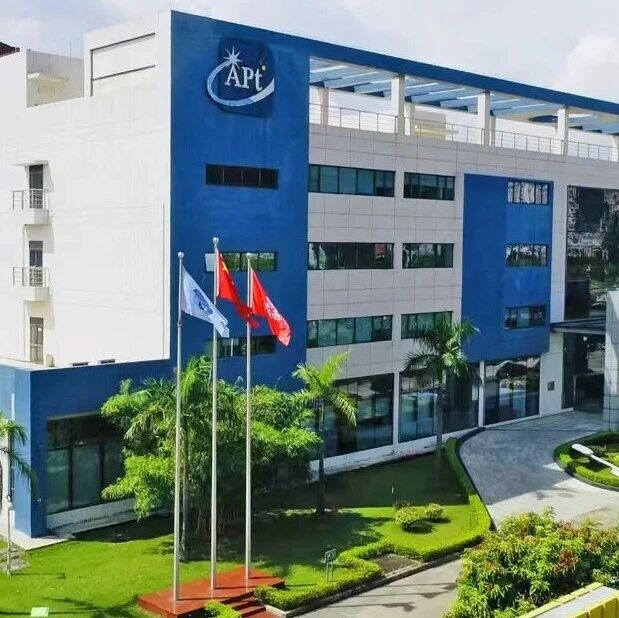
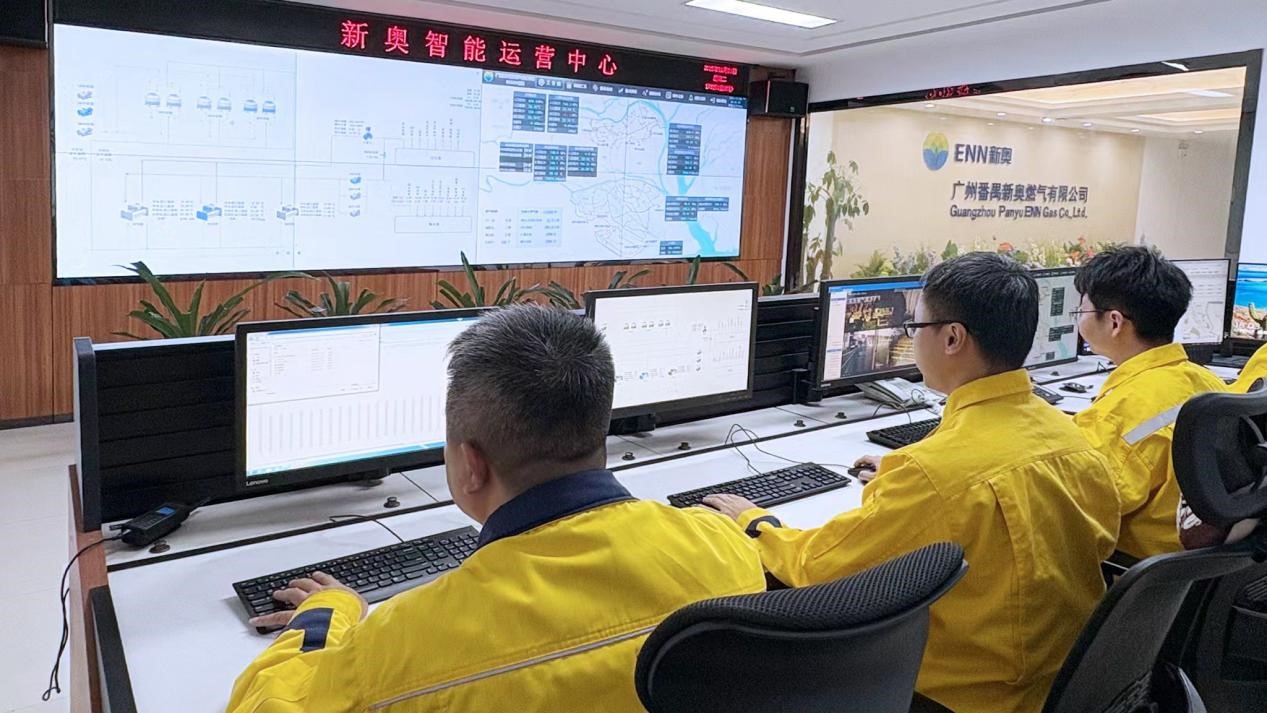
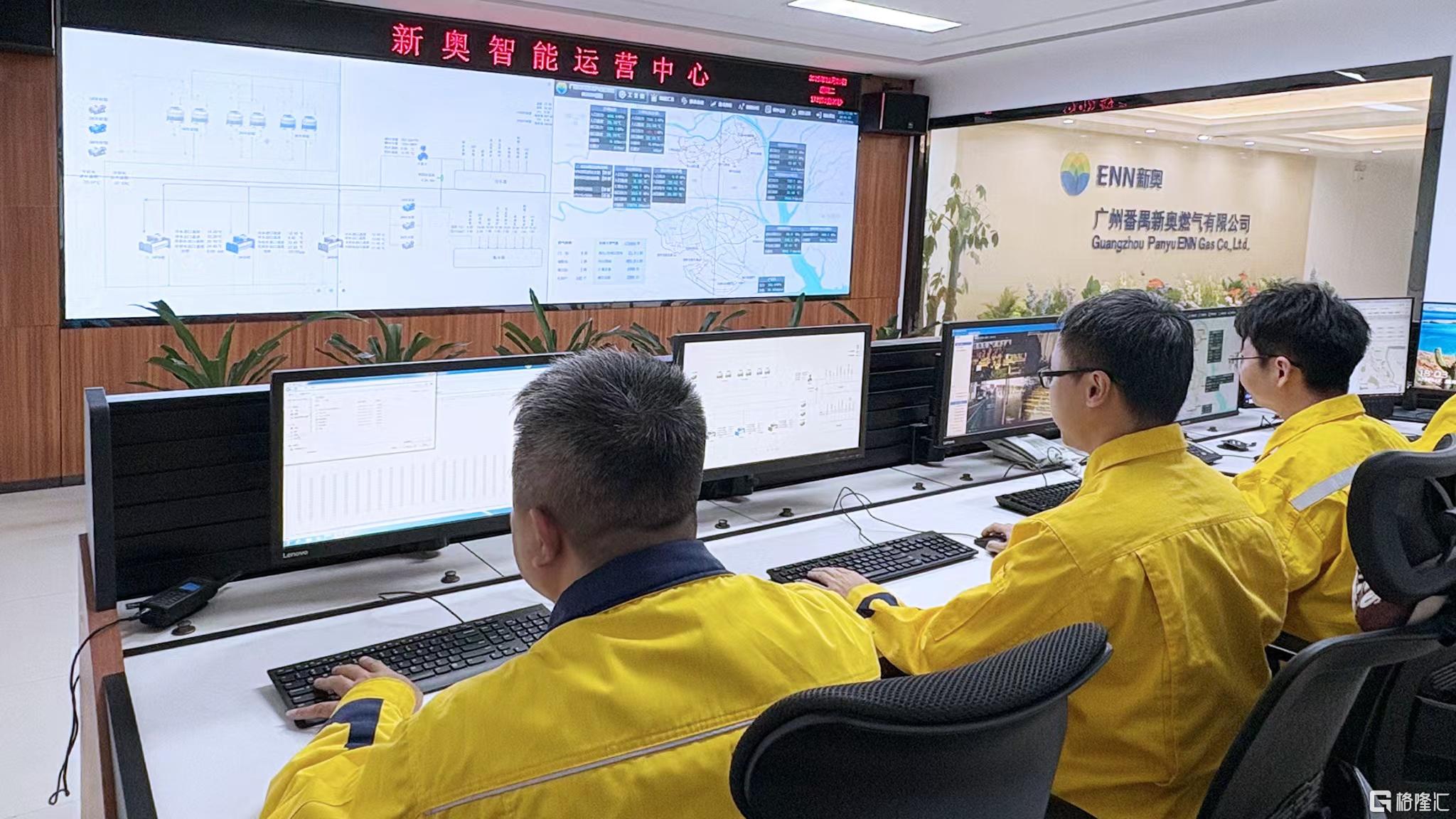
Core Viewpoint - The article discusses the challenges faced by manufacturing companies, particularly in energy efficiency, as they transition towards high-end and green production. It highlights the case of Guangdong Jinko Electronics, which, despite its technological advancements, struggled with energy system efficiency until a low-carbon smart factory project was implemented by New Energy, significantly improving energy efficiency and reducing costs [1][2]. Group 1: Energy Efficiency Challenges - Manufacturing companies are encountering a common challenge of energy system efficiency becoming a bottleneck, even when they lead in product technology [1]. - Jinko Electronics' cooling system efficiency was at the industry average, and the lack of an integrated smart management platform limited its competitiveness in terms of cost and sustainability [1]. Group 2: Low-Carbon Smart Factory Project - In 2023, New Energy initiated a low-carbon smart factory project for Jinko Electronics, integrating photovoltaic systems, high-efficiency cooling stations, and energy storage as the hardware foundation [1]. - The project led to a significant increase in cooling system efficiency, improving by over 50%, while achieving full system intelligent control and substantial energy savings [1]. Group 3: New Energy Service Model - The project represents a shift in energy service models, moving from traditional energy supply to comprehensive energy service solutions, demonstrating New Energy's transformation from a gas supplier to an integrated energy service provider [4]. - New Energy's approach involved a gradual, modular upgrade path tailored to the specific energy needs of the electronics manufacturing sector, ensuring stability and efficiency [4][6]. Group 4: AI Integration in Energy Management - The deployment of the "Pan-Energy Network Edge Cloud Collaborative Smart Platform" by New Energy transformed energy management from manual inspections to real-time, AI-driven optimization [8][9]. - AI algorithms enhanced system efficiency by an additional 5% to 10% under similar operating conditions, showcasing the potential of digital intelligence in energy management [9]. Group 5: Value Creation and ESG Performance - The low-carbon smart factory not only improved energy efficiency but also embedded carbon management and smart work order capabilities, transitioning Jinko Electronics from an energy consumer to an energy participant [14]. - The project resulted in significant environmental benefits, including a reduction of 731 tons of carbon emissions annually, enhancing the company's ESG performance and brand image [14][15]. Group 6: Replicability of the "Jinko Model" - The low-carbon smart factory project is positioned as a replicable industry model, with a modular and standardized energy solution that can be adapted across various sectors [16]. - New Energy aims to leverage the "Jinko Model" to expand its role from a project service provider to an industry energy system integrator, capitalizing on the scalability and adaptability of the solution [17]. Group 7: Future Outlook - The integration of AI and system efficiency improvements is seen as a critical path for manufacturing industries to address low-carbon transition challenges and promote regional industrial upgrades [18].
年碳减排2400吨 这个企业用AI破解制造业转型困局
Zhong Jin Zai Xian· 2025-12-12 01:57
Core Insights - The article discusses the challenges faced by manufacturing companies, particularly in energy efficiency, as they transition towards high-end and green production. Despite technological advancements, energy systems often become bottlenecks for growth [1] - Jinko Solar, a leader in LED visual technology, has struggled with energy efficiency in its operations, prompting a partnership with New Energy to develop a low-carbon smart factory project that significantly improves energy efficiency [1][3] - The project demonstrates a new model of energy service that integrates AI and system efficiency, shifting the competitive edge of manufacturing from singular technological advancements to comprehensive system performance [2] Group 1: Project Overview - New Energy has designed a low-carbon smart factory project for Jinko Solar, incorporating photovoltaic systems, high-efficiency cooling stations, and energy storage as hardware foundations, along with a smart management platform [1][4] - The cooling system's energy efficiency improved by over 50% post-implementation, achieving full system intelligent control and resulting in significant energy savings and cost reductions [1][3] Group 2: Energy Management and AI Integration - The New Energy platform enhances energy management by integrating AI, allowing for real-time monitoring and dynamic optimization of energy systems, which is crucial for the electronic manufacturing sector [7][9] - The AI system not only connects data from various energy devices but also predicts energy needs based on multiple factors, leading to a 5%-10% increase in overall system efficiency through optimized scheduling [9][10] Group 3: Economic and Environmental Benefits - The low-carbon smart factory project enables Jinko Solar to transition from being an energy consumer to an energy participant, allowing for reduced reliance on the grid and participation in demand-side response [12] - The project is expected to generate additional revenue through energy storage and demand response, with projected annual earnings of 90,000 yuan from the energy storage system alone [13] Group 4: Replicability and Industry Impact - The modular and standardized energy solution developed for Jinko Solar is seen as a replicable model for other companies in the Pearl River Delta region, which share similar energy needs [14] - The "Jinko Model" is evolving into a broader industry energy solution, positioning New Energy as a system integrator rather than just a project service provider [14][15]

年碳减排2400吨!这个企业用AI破解制造业转型困局
Ge Long Hui· 2025-12-12 01:23
Core Insights - The article discusses the challenges faced by manufacturing companies, particularly in energy efficiency, as they transition towards high-end and green production methods [1][2] - Jinko Solar, a leading company in LED visual technology, has struggled with energy system efficiency despite its product innovation achievements [1][3] - A significant transformation began in 2023 when New Energy planned a low-carbon smart factory project for Jinko Solar, integrating photovoltaic systems, high-efficiency cooling stations, and energy storage [1][4] Group 1: Energy Efficiency and System Integration - The project led to a remarkable improvement in the factory's cooling system efficiency, increasing by over 50% while achieving intelligent control across the entire system [1][4] - New Energy's approach emphasizes a modular and progressive energy upgrade path, addressing the specific needs of the electronic manufacturing sector [4][5] - The AI-driven "Pan-Energy Network Edge Cloud Collaborative Platform" enhances energy management by enabling real-time monitoring and dynamic optimization of energy systems [6][7] Group 2: Economic and Environmental Impact - The low-carbon smart factory not only improves energy efficiency but also incorporates carbon management and virtual power plant capabilities, transforming the company from an "energy consumer" to an "energy participant" [11][12] - The project is expected to reduce carbon emissions significantly, with annual reductions estimated at 2,400 tons, enhancing the company's ESG performance and brand image [11][12] - The energy management system's ability to generate carbon asset reports positions the company favorably for future participation in carbon trading markets [11][12] Group 3: Replicability and Industry Impact - The "Jinko Model" is identified as a replicable industry benchmark, showcasing a modular, standardized, and systematic energy solution adaptable across various sectors [12][13] - New Energy aims to evolve from a project service provider to an industry energy system integrator, leveraging the scalability of the "Jinko Model" in similar enterprises [12][13] - The integration of AI and system efficiency is highlighted as a critical factor for the future of manufacturing, with comprehensive service models aiding companies in their low-carbon transition [13]
经纬股份:拟将部分募投项目节余募集资金永久补充流动资金
Zheng Quan Ri Bao Wang· 2025-12-10 07:13
Core Viewpoint - The company plans to use surplus funds from specific projects to permanently supplement its working capital for daily operations and business development, pending shareholder approval [1] Group 1 - The company announced the convening of its fourth board meeting on December 5, 2025 [1] - The board approved a proposal to use surplus funds from the "Comprehensive Energy Service Capability Enhancement Project" and the "Research and Development Center Construction Project" [1] - The actual balance of surplus funds will be determined based on the bank interest accrued on the transfer date [1]
分布式能源规划员(综合能源服务方向)培训火热报名中丨系列培训
中国能源报· 2025-12-09 08:30
关于举办《分布式能源规划员》(综合能源服务方向)培训通知 各企事业单位: 《中华人民共和国能源法》提出,鼓励发展分布式能源和多能互补、多能联供综合能源服 务,提高终端消费清洁化、高效化、智能化水平。多能联供综合能源服务成为现代能源产 业发展的重要方向和实现碳中和的重要路径。 电力、冷热、用户之间的关系变得越来越紧密,打破不同能源品种单独规划、设计、运行 的传统模式,实现横向"电热冷气水"能源多品种之间、纵向"源网荷储用"能源多供应环节 之间的协同,以及生产侧和消费侧的互动,正成为行业趋势。 目前,在我国熟悉用户用能特性,掌握能源规划、转化、智能控制等技术,并具备能效碳 排放评估,通晓末端节能减碳、投资、建设、运营等跨学科专业应用人才匮乏,严重影响 各能源企业向综合能源服务转型和发展的进程。为此,中国能源报社特开展《分布式能源 规划员》(综合能源服务方向)培训,参加培训并经考核合格者,由人力资源和社会保障 部社会保障能力建设中心颁发《分布式能源规划员》(综合能源服务方向)培训证书。 三、培训对象 一、培训形式及时间 培训地点: 线上 培训时间:2 0 2 5年1 2月1 0日—13日 二、培训组织机构 主办单位 ...

经纬股份拟将部分闲置场地对外出租
Zhi Tong Cai Jing· 2025-12-09 03:51
Core Viewpoint - The company plans to lease out part of its idle space located in Hangzhou, which is part of a previously completed fundraising investment project [1] Summary by Categories Company Actions - The company intends to lease an area of 20,314.46 square meters [1] Project Details - The leased space is associated with the "Comprehensive Energy Service Capability Enhancement Construction Project," which has already been completed [1]