
eVTOL

Search documents
以数据见证专业:QYResearch行业数据引用案例精选( 2025年10月)
QYResearch· 2025-10-31 10:48
Core Insights - QYResearch has established a strong brand reputation due to frequent citations by renowned domestic and international companies, securities firms, and media outlets, ensuring the credibility and professionalism of its industry analyses and customized reports [1] Group 1: Market Predictions - The global sodium-ion battery market is projected to reach a sales figure of 152.13 billion yuan by 2031, with a compound annual growth rate (CAGR) of 88.9% [3] - The global medical device market is expected to reach 862.6 billion USD by 2030, driven by factors such as aging population, rising chronic disease prevalence, and advancements in medical technology [5][51] - The global eVTOL market is anticipated to grow from 14.8 billion USD in 2024 to 220 billion USD by 2031, with a CAGR of 45% [7] - The global automotive interior and exterior parts market is expected to reach 149 billion USD in 2024, 157.18 billion USD in 2025, and 224.23 billion USD by 2031, with a CAGR of 6% [9] - The global commercial cleaning robot market is projected to reach 1.71 billion USD by 2031, indicating significant growth potential [11] - The global MLCC release film market is estimated to grow from 3.678 billion USD in 2024 to 5.792 billion USD by 2031, with a CAGR of approximately 6.8% [21] - The global household NAS device market is expected to grow from 2.44 billion yuan in 2023 to 28.93 billion yuan by 2030 [25] Group 2: Company Performance - Shenzhen Mindray Bio-Medical Electronics Co., Ltd. is leveraging the AI wave in healthcare to tap into a 6 trillion yuan international market [5] - Zhejiang Tiancheng Self-Control Co., Ltd. reported a 158% increase in net profit in Q3, driven by the low-altitude economy [7] - Huaxi Biological Technology Co., Ltd. reported nearly 1 billion yuan in revenue for Q3, with a net profit increase of over 50% [17] - Jiangsu Double Star Plastic New Materials Co., Ltd. is breaking through technology monopolies in the MLCC release film and carrier copper foil sectors [21] Group 3: Industry Trends - The global market for sodium-ion batteries is expected to see rapid growth, reflecting a shift towards alternative energy storage solutions [3] - The medical device sector is experiencing robust growth due to demographic changes and technological advancements [5][51] - The eVTOL market is gaining traction as urban air mobility solutions become more viable [7] - The automotive parts market is evolving with increasing demand for innovative interior and exterior solutions [9] - The commercial cleaning robot market is expanding as automation in cleaning processes becomes more prevalent [11]


Archer Aviation or EHang: Who Will Lead the Future of Air Mobility?
ZACKS· 2025-10-30 18:31
Core Insights - The eVTOL industry is emerging as a crucial component of future urban transportation, driven by the demand for cleaner and smarter travel [1][3] - Archer Aviation and EHang are two major players in this sector, each pursuing different technological and regulatory paths to reshape urban air mobility [3][14] Archer Aviation (ACHR) Highlights - Archer Aviation is nearing Federal Aviation Administration (FAA) approval for its Midnight aircraft, with plans to commence commercial air taxi operations by the end of 2025 [2] - The company signed an agreement with Korean Air in October 2025 to introduce its Midnight eVTOL in South Korea, with Korean Air intending to purchase up to 100 aircraft [4] - Archer secured a bid to acquire Lilium GmbH's portfolio of approximately 300 advanced air mobility patents for about $20.9 million, enhancing its technological capabilities [5] - A partnership with Cleveland Clinic Abu Dhabi aims to establish the first hospital-based vertiport in the UAE, expanding Archer's presence in the Middle East [6] EHang Holdings Limited (EH) Highlights - EHang is focusing on fully autonomous, pilotless aircraft and has received type certification for its autonomous eVTOL from China's aviation authority, providing a competitive edge [2][10] - The company launched the AAM Sandbox Initiative in Thailand in October 2025, aiming to accelerate the commercial use of its EH216-S pilotless eVTOL through a new regulatory model [7] - EHang introduced the new-generation long-range pilotless eVTOL aircraft, the VT35, designed for medium to long-range routes, further solidifying its position in the low-altitude aerial mobility network [8] Financial Performance and Market Position - The Zacks Consensus Estimate indicates that Archer Aviation's loss per share for 2025 and 2026 shows year-over-year improvement, with estimates remaining stable over the past 60 days [9] - EHang's earnings estimates for 2025 and 2026 have shown positive movement, reflecting improving business prospects [12] - Year-to-date stock performance shows EHang shares have outperformed Archer, with gains of 20.3% compared to Archer's 14.7% [12] - Archer's Price/Book ratio stands at 4.29X, while EHang's is significantly higher at 9.66X, indicating a more attractive valuation for Archer [13] Conclusion - EHang appears to be better positioned to lead the next stage of air mobility, bolstered by its early approval for autonomous operations and recent technological advancements [14][15] - Archer Aviation faces regulatory challenges and has not seen changes in its earnings estimates, which may impact its competitive stance in the eVTOL market [18]


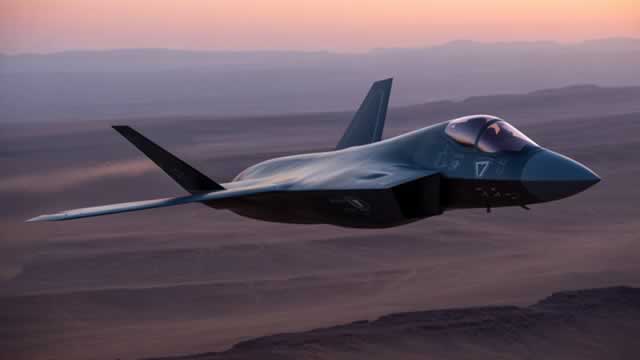
Should Investors Buy This $11 Stock Before Henry Ford's Prophecy Comes True at Last?
Yahoo Finance· 2025-10-30 10:15
Core Insights - Archer Aviation has signed a deal with Korean Air to introduce eVTOLs in South Korea, with plans for Korean Air to purchase up to 100 Midnight aircraft [1] - The eVTOL industry is projected to be a $1.5 trillion sector by 2040, with potential FAA approval for commercial flights as early as 2026 [2][4] - Archer expects to generate its first commercial revenue in late 2025 through an agreement with Abu Dhabi Aviation, anticipating low tens of millions in payments over the next 18 to 24 months [5] - Archer has acquired a patent portfolio from Lilium GmbH for over $20 million, gaining control of approximately 300 patents related to advanced air mobility technologies [6] - Archer's liquidity stands at $2 billion, significantly higher than its nearest rival, Joby Aviation, which has $991 million [10] - Wall Street has shown strong interest in Archer, with major firms like BlackRock and Vanguard purchasing millions of shares [12] Company Overview - Archer Aviation is based in San Jose, California, employs 774 full-time staff, and is currently valued at $7.2 billion while still in its pre-revenue phase [1] - The company is led by CEO Adam Goldstein, who has achieved notable milestones recently [1] - Archer reported an adjusted net loss of $114 million in Q2 and expects to burn through $110 million to $130 million in the current quarter, indicating a multiyear runway due to its liquidity [11] Industry Context - The average American loses 43 hours a week in traffic, highlighting the potential demand for eVTOLs as a solution to urban congestion [3] - The eVTOL market is gaining traction, with expectations for the first commercial flights to begin in the near future, potentially transforming urban transportation [4][8] - Archer's competitive position may improve if it secures FAA certification ahead of its rivals, providing a first-mover advantage in the growing eVTOL sector [9]
Joby Aviation stock jumped after Nvidia deal: beware of key risks
Invezz· 2025-10-29 13:02
Core Insights - Joby Aviation's stock price surged to $16.95 following the announcement of a new partnership with Nvidia, the largest company globally [1] - The stock has experienced a remarkable increase of 250% from its lowest point this year [1] Company Summary - Joby Aviation is an eVTOL (electric Vertical Take-Off and Landing) company that is gaining attention due to its strategic partnership with Nvidia [1] - The partnership with Nvidia is expected to enhance Joby Aviation's technological capabilities and market position [1] Industry Context - The eVTOL industry is witnessing significant developments, with partnerships between technology companies and aviation firms becoming increasingly common [1] - The rise in Joby Aviation's stock reflects broader investor interest in innovative transportation solutions within the aerospace sector [1]



Will Joby Aviation or Archer Aviation Cash In Big on Earnings Next Week?
Yahoo Finance· 2025-10-27 16:40
Core Insights - Joby Aviation and Archer Aviation are set to release their third-quarter earnings reports on November 5 and 6, respectively, attracting significant investor attention in the eVTOL sector [1] - Both companies are currently pre-revenue, focusing on development and operational momentum rather than traditional financial metrics like EPS or revenue growth [2] - The eVTOL industry is projected to reach $29 billion by 2030 and between $1 trillion and $5 trillion by 2040, emphasizing the importance of operational direction over immediate financial performance [3] Company Strategies - Joby Aviation aims for a 2026 launch in Dubai, partnering with the UAE government for air taxi services, while also developing vertiport infrastructure in New York and California in collaboration with Delta Air Lines [5] - Archer Aviation is pursuing global expansion with a similar 2026 rollout in the UAE and a manufacturing facility in Georgia, targeting U.S. East Coast deployments and shuttle services between Chicago and Ohio by late 2026 [6] - Joby plans to own and operate its fleets for better control, whereas Archer focuses on selling aircraft to operators, which may accelerate revenue but reduce margins [7] Operational Execution - Joby's pilot program with Uber Technologies aims for seamless app-based bookings, while Archer's partnership with United Airlines could provide airport access [8] - Both companies' strategies depend on integrating eVTOL with existing transportation systems, with updates on their progress expected as 2025 approaches [8]
Should You Buy Joby Aviation Stock Now or Wait for a Dip?
The Motley Fool· 2025-10-24 08:40
Core Viewpoint - Joby Aviation's stock has surged approximately 166% over the past six months, reflecting strong investor optimism regarding its future growth prospects in the electric vertical takeoff and landing (eVTOL) industry, with plans to commence commercial air taxi operations next year [1][2]. Company Valuation - Joby's current market capitalization exceeds $15 billion, categorizing it as a large-cap stock, which typically implies established and stable businesses [4]. - Analysts project the entire eVTOL aircraft market to be valued at just under $5 billion by 2030, indicating that Joby's valuation already surpasses the expected market size [5]. Market Potential and Risks - The eVTOL market is still in its infancy, and Joby has not yet initiated commercial operations, leading to uncertainties regarding its valuation and the overall market [6]. - The future of eVTOLs remains uncertain, with potential delays in widespread adoption, which could impact Joby's financial performance as it scales production [6][12]. - Long-term projections suggest that the global eVTOL market could reach up to $9 trillion by 2050, but such forecasts are highly speculative and subject to change [8][10]. Investment Considerations - Investing in Joby carries inherent risks, particularly given its early-stage development and the unpredictable nature of the eVTOL industry [11][13]. - The stock's current valuation raises concerns about potential declines if the company's growth does not meet investor expectations [7][12]. - A cautious approach may be advisable for investors, as the stock's future performance is tied to numerous unknown factors, including revenue generation and production scaling [11][13].
中国电机供应商_宏观驱动的回调带来机遇;结构性催化因素依然存在China Electric Motor Suppliers_ Macro-driven pullback presents opportunity; structural catalysts remain intact
2025-10-23 13:28
Summary of Conference Call Notes Industry and Companies Involved - **Industry**: Electric Motor Suppliers in China - **Companies**: Johnson Electric and Wolong Electric Core Insights and Arguments - **Valuation-Driven Correction**: The recent share price correction for Johnson Electric and Wolong Electric is viewed as valuation-driven rather than based on the underlying investment thesis [2][8] - **Muted Earnings Expectations**: Anticipated muted earnings for 3Q25 for both companies, but the long-term structural drivers remain intact [2][8] - **Core Structural Drivers**: The three main structural drivers identified are: - AI Data Centers (AIDC) - Humanoid/Industrial Robotics - eVTOL (Electric Vertical Takeoff and Landing) and low-altitude economy [2][4] Key Developments - **AIDC Developments**: - Nvidia's Blackwell Ultra platform deployment is ramping up in October, with the first US-made Blackwell wafer unveiled on October 17 [4] - Alibaba announced a new green AI data center in Dubai expected to be operational by 2026, indicating global AI compute expansion [4] - **Robotics Sector Growth**: - Zhiyuan launched its Elf G2 and expects robotics revenue to grow more than tenfold YoY in 2025 [4] - Shanghai's AI terminal action plan prioritizes humanoid robots, benefiting companies like Shanghai Electric, a partner of Johnson [4] - UBTECH secured additional orders for its Walker S-series, reinforcing the acceleration of humanoid adoption [4] Policy and Market Indicators - **20th CCP Fourth Plenary Session**: Expected to reaffirm national strategic technologies, including AI industrialization and low-altitude economy ecosystems [2][8] - **eVTOL as a Strategic Priority**: The low-altitude economy and eVTOL are anticipated to be elevated as strategic national development priorities during the Fourth Plenary [8] Investment Outlook - **Investment Ratings**: - Johnson Electric is rated as Overweight (OW) due to its superior operating leverage in AIDC and humanoid robotics [8] - Wolong Electric is rated Neutral (N) as its structural story remains compelling, but near-term valuation is less favorable [8] - **Catalysts to Monitor**: Key catalysts include order wins, production ramp updates, and policy support that could influence the investment case for both companies [6][7] Additional Important Points - **Market Dynamics**: The report emphasizes that the recent pullback in stock prices is driven by macroeconomic factors rather than the companies' fundamental performance [8] - **Potential Risks**: Risks include faster-than-expected adoption of next-gen cooling technologies that could impact demand for existing products [7] This summary encapsulates the key points from the conference call, focusing on the industry context, company-specific developments, and investment outlook.
Archer Buys Rival's Patent Treasure Trove in Strategic Move
MarketBeat· 2025-10-16 21:28
Core Insights - Archer Aviation has acquired the entire patent portfolio of Lilium GmbH for approximately €18 million (around $21 million), a significant strategic move in the eVTOL industry [1][2][3] - The acquisition strengthens Archer's technological foundation and competitive position, expanding its patent portfolio to over 1,000 assets worldwide [4][5] - Archer's stock price surged to a new 52-week high of $14.62 following the announcement, reflecting strong market enthusiasm [1][6] Financial Performance - Archer's stock has increased over 45% in the last month and more than 36% year-to-date, indicating robust market performance [2] - The company's market capitalization reached over $8.4 billion, with a one-year stock performance gain of over 327% [6] - Archer has approximately $1.8 billion in liquidity as of its second quarter 2025 earnings report, showcasing a strong financial position [14] Strategic Implications - The acquisition of Lilium's patents, which include valuable ducted fan technology, is expected to accelerate Archer's R&D efforts and save significant development time and costs [4][3] - This move positions Archer as a consolidator in the eVTOL industry, securing valuable U.S.-held intellectual property [5] - Analysts have a consensus rating of Moderate Buy for Archer, with some high-end price targets suggesting further growth potential [7][8] Recent Developments - The acquisition follows a series of successful flight test milestones and a public demonstration of Archer's Midnight aircraft, enhancing public confidence [10][11] - Archer's strategic actions, including the establishment of a new vertiport partnership, demonstrate its commitment to commercial plans and industry leadership [11][12] - The combination of technical validation and strategic IP consolidation solidifies Archer's status as a leader in the eVTOL space [12][13]
eVTOL独角兽,完成数亿元融资
DT新材料· 2025-10-16 16:05
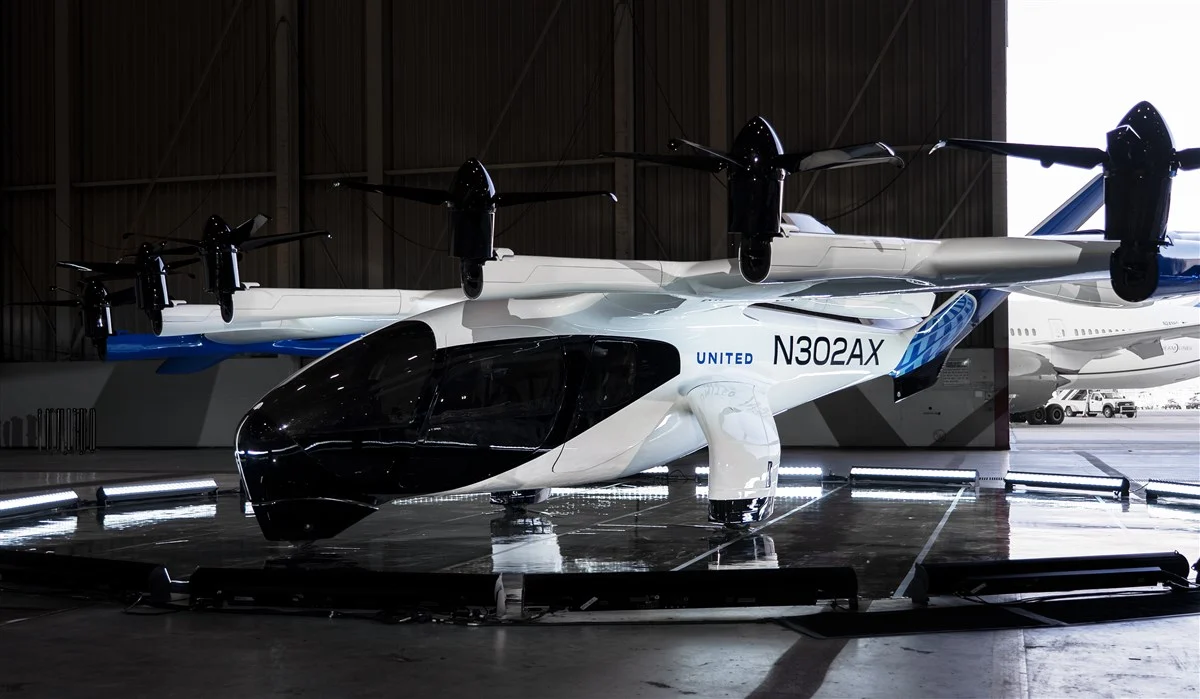
Core Viewpoint - The article highlights the recent developments in the eVTOL industry, particularly focusing on the financing and growth of the company沃兰特, as well as the broader market trends and opportunities within the low-altitude economy sector [2][3]. Group 1: Company Developments -沃兰特 has completed a multi-billion B round financing, indicating strong investor interest in the eVTOL sector [2]. - The company, established in June 2021, specializes in the development of electric vertical take-off and landing aircraft, with its first product, the VE25-100 "Tianxing," targeting the commercial passenger market [2]. - The operational cost of the VE25-100 is estimated to be only 1/8 to 1/10 of similar helicopters per kilometer, which positions it competitively in the market [2]. -沃兰特 has secured confirmation orders from leading domestic airlines and leasing companies, including 南航通航 and 亚捷航空 [2]. Group 2: Industry Trends - The low-altitude economy sector has seen a decrease in heat compared to last year, but the maturity of the industry and policy support continue to improve [3]. - In June, the China Securities Regulatory Commission announced the reintroduction of a listing standard for unprofitable companies, which now includes the low-altitude economy sector, providing targeted support for eVTOL companies [3]. Group 3: Market Participation - Several automotive companies are actively entering the eVTOL market, including 吉利, 小鹏, and 广汽集团, each developing their own eVTOL models with various technological advancements [2]. - Recent announcements from listed companies indicate a growing interest in the eVTOL sector, particularly from battery manufacturers like 赣锋锂业 and 孚能科技, which are developing high-energy batteries suitable for low-altitude applications [4]. - The collaboration between battery manufacturers and eVTOL companies is expected to enhance the performance and viability of eVTOL aircraft in the market [4][5].

第二届全球低空经济论坛年会将于12月举行
Zheng Quan Shi Bao Wang· 2025-10-16 11:04
Core Insights - The second Global Low Altitude Economy Forum will be held in mid-December in Beijing, focusing on "Redefining Urban Transportation" [1] - Major industry leaders and investment institutions from various fields such as drones, eVTOL, avionics, and operations will attend the conference [1] - The event will feature over ten specialized sessions, including the launch of the book "Low Altitude Economy 2" and the release of reports on low altitude traffic standards and development trends [1] Industry Overview - Low altitude economy is recognized as a national strategy and has garnered significant attention from various sectors of society [1] - Current progress in major cities across the country indicates that there are still many areas requiring discussion and exchange [1] - The ongoing "14th Five-Year Plan" period is crucial for further understanding the essential characteristics of the low altitude economy and grasping its development trends and patterns to promote high-quality growth [1]