
Autos

Search documents
BYD Company Ltd. (OTCMKTS: BYDDY) Quarterly Earnings Preview and Financial Overview
Financial Modeling Prep· 2026-03-20 16:00
Core Viewpoint - BYD Company Ltd. has established itself as a leading player in the electric vehicle (EV) market, surpassing Tesla in sales and expanding its global presence, despite facing challenges in the competitive Chinese market [2][3][6]. Financial Performance - BYD is set to release its quarterly earnings on March 26, 2026, with an estimated earnings per share (EPS) of $0.19 and projected revenue of $35.63 billion [2][6]. - The company's financial metrics include a P/E ratio of 21.41, a price-to-sales ratio of 0.96, and an enterprise value to sales ratio of 0.97, indicating a moderate financial position [5][6]. Market Position - In 2025, BYD exported over one million cars, capturing 4.8% of the EV market share in Europe, which is crucial for its international growth strategy [3]. - The company has recently surpassed Tesla as the top-selling EV brand, reflecting its growing global market presence [2][6]. Stock Performance - BYD's stock opened at $12.28, down by 0.9%, with a fifty-day moving average of $12.35 and a 200-day average of $12.82 [4]. - Over the past year, the stock has fluctuated between a low of $11.20 and a high of $20.05, indicating market volatility [4].


At $60,000, Is Rivian's R2 Dead on Arrival? Not So Fast!
Yahoo Finance· 2026-03-20 15:20
Core Insights - The automotive industry is currently facing complex challenges, including electric vehicle (EV) demand, auto tariff costs, and policy changes affecting federal tax credits for EVs [1] Group 1: Rivian Automotive's R2 Pricing Strategy - Rivian's R2 is being launched at a price of $60,000, which is higher than the initially promised price of $45,000 [2][3] - The decision to start with a higher-priced trim aligns with industry practices where automakers release top-tier models first to maximize profit margins and offset initial production costs [4] - Rivian plans to introduce lower-priced variations of the R2, including a premium trim at approximately $55,500 later this year and a standard long-range model priced at $49,985 in the first half of 2027 [7] Group 2: Market and Production Considerations - Factors such as limited supply chain components and rising gasoline prices due to geopolitical conflicts may influence automakers to prioritize high-margin vehicles [5] - Launching higher-priced trims can enhance Rivian's brand perception by showcasing advanced technology and features, which is crucial for a new automaker [6]

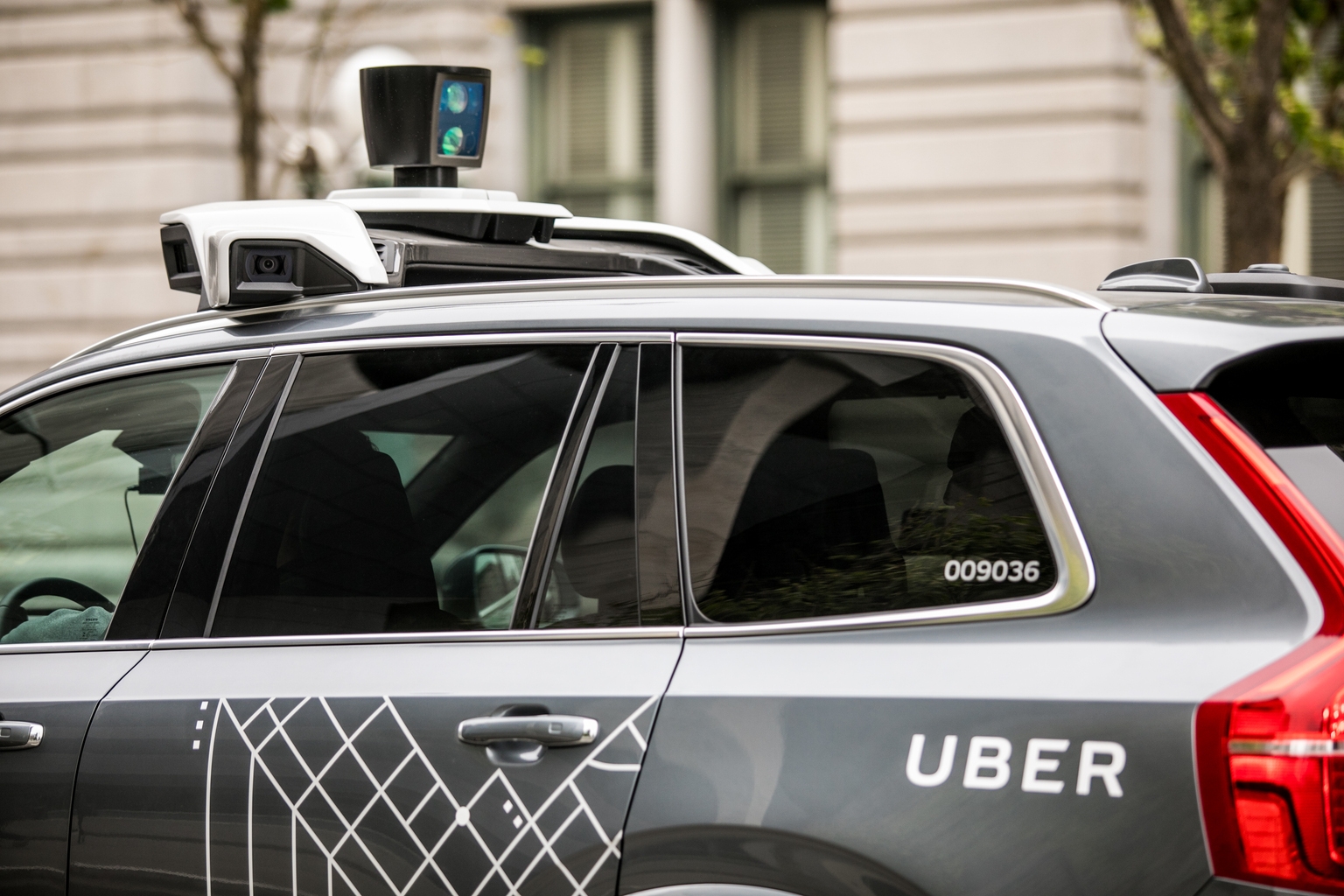
Is Uber's Mega Deal With Rivian a Game-Changer in the Robotaxi Space?
ZACKS· 2026-03-20 14:51
Core Insights - Uber Technologies is making a significant investment in robotaxis, which could serve as a major growth driver for the company [1] Investment and Partnership Strategy - Uber plans to invest up to $1.25 billion in Rivian Automotive to deploy 10,000 fully autonomous R2 robotaxis, with an initial investment of $300 million committed [3][10] - The rollout of these robotaxis is set to begin in San Francisco and Miami in 2028, with plans to expand to 25 cities by 2031 [2][10] - The agreement includes an option to negotiate the purchase of up to 40,000 additional autonomous Rivian R2 vehicles starting in 2030 [4] Market Potential - The global autonomous vehicle market is projected to grow from $4.44 trillion in 2023 to $41.75 trillion by 2034, with a compound annual growth rate of 32.3% from 2026 to 2034 [5] Collaborative Efforts - Uber is adopting a partnership-focused approach to establish a strong presence in the robotaxi market, collaborating with third-party autonomous technology developers to mitigate R&D costs [6] - A strategic partnership with Amazon's Zoox aims to launch purpose-built robotaxis in Las Vegas by summer 2026, with plans for expansion to Los Angeles by mid-2027 [7][8] Financial Performance - Uber's shares have declined over 7% in 2026, underperforming the Zacks Internet-Services industry [9] - The company trades at a 12-month forward price-to-sales ratio of 2.59X, indicating it is relatively inexpensive compared to its industry [12]


深夜美股存储芯片重挫,超微电脑狂跌28%,中概股跳水,黄金跌破4560美元,白银大跌5%
21世纪经济报道· 2026-03-20 14:50
Market Overview - The U.S. stock market experienced a decline, with the Dow Jones down 0.61%, S&P 500 down 0.93%, and Nasdaq down 1.27% as of March 20 [1] - Major technology stocks continued to fall, with Tesla dropping over 2%, and other tech giants like Nvidia, Amazon, Microsoft, Google, and Facebook each declining more than 1% [2] Company-Specific Movements - Supermicro Computer saw a significant drop of over 28%, reaching a new low since November 2024, due to involvement in a smuggling case violating U.S. export controls [3][4] - Other notable declines included Western Digital and SanDisk, both down over 5% [4] - In the Chinese stock market, the Nasdaq Golden Dragon China Index fell by 1.78%, with major Chinese stocks like Kingsoft Cloud down over 11% and XPeng Motors down nearly 5% [4] Commodity Market - Gold and silver prices experienced sharp declines, with gold dropping over 2% to $4,555 per ounce and silver falling over 5% to $69 per ounce, erasing all gains for the year [5] - The decline in gold prices is attributed to rising energy prices and inflation concerns, leading to expectations that central banks will maintain high borrowing costs [5][6] Economic Indicators - The yield on the U.S. 10-year Treasury bond rose to 4.36%, the highest level since August [7] - International oil prices increased, with WTI crude oil rising by 1.05% to $96.552 per barrel and Brent crude oil up by 1.39% to $105.221 per barrel [6]


Tesla stock slides 2% as regulatory risks, Robotaxi doubts mount
Invezz· 2026-03-20 14:37
Core Viewpoint - Tesla's stock has declined over 2% amid rising regulatory risks and doubts surrounding its robotaxi initiatives, reflecting broader market weaknesses and geopolitical tensions [1][2][3]. Group 1: Stock Performance and Market Context - Tesla shares fell more than 2% to $372, contributing to a broader decline in U.S. markets, with the Dow Jones down 163 points (0.4%) and the S&P 500 down 0.8% [1][2]. - The Nasdaq Composite decreased by 1.2%, indicating a trend of investor sentiment remaining fragile due to escalating geopolitical tensions, particularly between Iran and Israel [2]. Group 2: Valuation and Investor Sentiment - Despite a 15% decline this year, Tesla maintains a market valuation of approximately $1.5 trillion, making it one of the largest companies in the S&P 500 [3]. - Investor focus is shifting towards future growth areas like robotaxis and humanoid robots, with UBS analyst Joseph Spak noting a potential 18% quarter-over-quarter decline in deliveries, suggesting that delivery numbers may no longer significantly influence Tesla's stock price [4][3]. Group 3: Robotaxi Concerns - Analysts are raising concerns about slowing momentum in Tesla's robotaxi initiatives and increasing competition from companies like Waymo and Nvidia, which are advancing in autonomous driving technology [7][6]. - Updates on Tesla's robotaxi and humanoid robot projects have been slower than expected, contributing to a more cautious investor sentiment [8]. Group 4: Regulatory Risks - U.S. regulators have intensified scrutiny of Tesla's driver-assistance systems, with the National Highway Traffic Safety Administration upgrading its investigation into Tesla's Full Self-Driving system, affecting around 2.4 million vehicles [9]. - Analyst Gordon Johnson indicated that issues related to visibility detection failures might necessitate hardware changes, raising the risk of a significant recall that could impact Tesla's robotaxi ambitions [10]. Group 5: Solar Expansion Plans - Tesla is exploring expansion in its energy business, planning to purchase up to $2.9 billion worth of solar manufacturing equipment from Chinese suppliers to build large-scale solar capacity in the U.S. [11]. - CEO Elon Musk has stated the goal of deploying 100 gigawatts of solar manufacturing capacity domestically by 2028 [11].

XPeng Drops 5%: Is This Tesla Rival’s Autonomous Driving Bet Enough to Justify the Risk?
Yahoo Finance· 2026-03-20 14:23
Core Viewpoint - XPeng's stock is experiencing a sell-off primarily due to weak Q1 2026 guidance, which indicates a substantial decrease in deliveries and revenue, raising concerns among investors after a record quarter [1][7][6] Financial Performance - XPeng achieved full-year vehicle deliveries of 429,445 units, representing a 125.9% year-over-year increase, which drove full-year revenues to RMB76.72 billion [2][7] - The company reported its first-ever quarterly net profit in Q4 2025, with gross margins reaching a record high of 21.3%, indicating improved cost structure and pricing discipline [3][7] Market Challenges - The Chinese EV market is facing significant challenges, including pricing wars among competitors and diminishing government subsidies, which are compressing margins across the sector [6][8] - XPeng's weak Q1 guidance suggests that near-term market challenges will outweigh its recent profitability milestone [6][8] Stock Performance - XPeng's stock (XPEV) fell by 5% in early trading, moving towards $18 after closing at $19.15 the previous day, reflecting investor nervousness despite strong earnings [5][4] - Year-to-date, XPEV shares are down 5.57% and have decreased nearly 20% over the past year, with the recent drop erasing much of the recovery seen in the month leading up to earnings [4][5] Competitive Landscape - XPeng is positioned against Tesla, which has a market cap of $1.41 trillion compared to XPeng's $14.13 billion, and is focusing on building a differentiated edge through its AI-native autonomous driving platform and partnerships [6][14] - The company aims to deliver between 550,000 to 600,000 units in 2026, supported by the launch of four new SUV models and expansion into European markets, although trade policy risks may complicate this strategy [11][14] Future Outlook - The key focus for analysts will be on Q1 2026 delivery data and updates regarding the European launch, which could influence future outlooks [17] - XPeng's cash position of $6.79 billion provides a buffer to absorb a soft quarter without needing to tap capital markets, allowing continued investment in R&D [16]

Rivian Automotive (NASDAQ:RIVN), Tesla (NASDAQ:TSLA), Uber Technologies (NYSE:UBER)
Benzinga· 2026-03-20 14:15
Core Insights - Rivian and Uber plan to deploy up to 50,000 R2 robotaxis across 25 cities in the U.S., Canada, and Europe by 2031, shifting the focus from technology superiority to achieving scale first [1][2] - The partnership between Rivian and Uber aims to combine demand and hardware to accelerate the timeline from development to real-world deployment, indicating a move from experimentation to execution [2][4] Industry Dynamics - The competition in autonomous driving is evolving from a focus on vehicle technology to the importance of data accumulation, with a larger fleet generating more data for faster learning [3] - The collaboration between Rivian and Uber could potentially narrow the competitive gap with Tesla, which currently has an advantage due to its existing global fleet [3] Market Implications - The rollout of robotaxis across multiple cities and continents signifies a shift towards commercialization of autonomous driving, indicating that success may depend on the ability to integrate technology with distribution and execution [4] - The competitive landscape is changing, as companies like Rivian and Uber enter the market, suggesting that Tesla is no longer the sole leader in the race for autonomous vehicle deployment [4]
Tesla's Robotaxi Ambition Faces A New Threat: A 50,000-Vehicle Alliance
Benzinga· 2026-03-20 14:15
Core Insights - Rivian and Uber plan to deploy up to 50,000 R2 robotaxis across 25 cities in the U.S., Canada, and Europe by 2031, marking a significant shift in the autonomous vehicle landscape from technology competition to scaling execution [1][2] - The partnership between Rivian and Uber aims to streamline the transition from development to real-world deployment by combining Uber's demand with Rivian's hardware, indicating a more execution-focused approach rather than mere experimentation [2][4] Industry Dynamics - The competition in autonomous driving is evolving into a philosophical divide, where scale is not only about the number of vehicles but also about data accumulation, with a larger fleet generating more data for faster learning [3] - The introduction of a multi-city, multi-continent rollout of robotaxis signifies a move towards commercialization in the autonomous vehicle market, suggesting that success may depend on the ability to integrate technology with distribution and execution rather than just having the best model [4]
Uber Technologies: Full Stack AV Evolution (NYSE:UBER)
Seeking Alpha· 2026-03-20 14:09
Core Viewpoint - Uber Technologies is facing significant challenges due to the rapid advancement of autonomous vehicle technology, with analysts predicting potential obsolescence in the face of competitors like Waymo and Tesla [1] Group 1: Company Overview - Uber has been identified as being on the "endangered list" in the context of the evolving autonomous vehicle landscape [1] Group 2: Industry Context - The competition in the autonomous vehicle sector is intensifying, particularly with advancements from companies such as Waymo and Tesla, which are perceived as threats to Uber's market position [1]
XPENG Q4 Earnings Call Highlights
Yahoo Finance· 2026-03-20 14:06
Core Insights - XPeng reported significant growth in Q4 2025, with total revenue reaching RMB 22.25 billion, a 38.2% increase year-over-year and a 9.2% increase sequentially [1] - The company achieved a gross margin of 18.9% for fiscal year 2025, up 4.6 percentage points from the previous year, and generated approximately RMB 5 billion in free cash flow [2] - Vehicle deliveries surged to 42,945 units in 2025, marking a 126% year-over-year increase, and the company recorded its first quarterly profit in Q4 2025 [6] Financial Performance - Total revenue for Q4 was RMB 22.25 billion, with vehicle sales revenue at RMB 19.07 billion and services revenue at RMB 3.18 billion, which increased by 121.9% year-over-year [1] - The gross margin for Q4 was 21.3%, up from 14.4% a year earlier, while vehicle margin was 13.0%, reflecting ongoing cost reductions and an improved product mix [6] - R&D expenses rose to RMB 2.87 billion, a 43.2% increase year-over-year, driven by new model and technology development [7] Product and Technology Developments - XPeng plans to launch four new models in 2026, including the flagship GX, which will support L4-level hardware and software [15] - The VLA 2.0 autonomous system has passed a "physical Turing test" and is set for user rollout, with plans for Robotaxi pilot operations in Guangzhou [5][11] - The company aims to achieve mass production of its humanoid robot, IRON, by the end of 2026, targeting commercial deployment in various scenarios [19] International Expansion - XPeng's overseas deliveries nearly doubled to 45,000 units in 2025, contributing over 15% of total revenue, with a goal to double overseas deliveries again in 2026 [16] - The company plans to expand its self-operated ultra-fast charging network to 10 overseas markets and aims to reach 680 overseas sales and service stores by the end of 2026 [16] - Europe is identified as the largest overseas market, representing about 50% of overseas volume, with growth opportunities in Southeast Asia and other regions [17][18] Future Guidance - For Q1 2026, XPeng expects deliveries between 61,000 and 66,000 units, with revenue projected at RMB 12.2 billion to RMB 13.2 billion [4][20] - The company anticipates a sequential increase in March deliveries by 69% to 101% [20]