
乡村建设

Search documents
3万余方弃渣变废为宝
Xin Lang Cai Jing· 2026-02-24 23:26
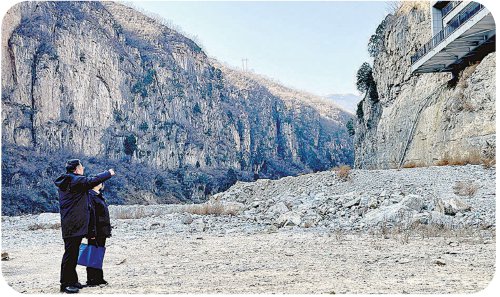
Core Viewpoint - The article highlights the successful collaboration between the Zezhou County Procuratorate and local authorities to address significant environmental and safety issues caused by the accumulation of construction waste in the Bai Shui River, ultimately restoring the river's flood control capacity and benefiting local communities [2][10]. Group 1: Environmental Issues - The Bai Shui River had been obstructed by over 30,000 cubic meters of construction waste, creating a significant flood risk during the rainy season [3][5]. - The waste accumulation formed a "man-made dam" that obstructed the natural flow of the river, posing a threat to downstream communities [3][5]. - The river's flood control capacity was reduced by approximately 43% due to the encroachment of waste into the riverbed [5]. Group 2: Response and Actions Taken - The Zezhou County Procuratorate initiated a public interest litigation process to address the environmental hazards, issuing recommendations for the removal of the waste within 15 days [4][5]. - A multi-agency investigation was conducted using aerial and ground methods to assess the extent of the waste and its impact on flood safety [5][6]. - A collaborative meeting was held to discuss the best methods for waste removal, leading to a comprehensive plan that prioritized ecological restoration and community benefits [7][8]. Group 3: Implementation and Outcomes - The waste removal project commenced on August 5, 2024, with funding secured for the necessary equipment and labor [9]. - After 20 days of continuous work, the waste was completely cleared, restoring the river's flood control capacity to its original standards [9][10]. - The repurposed waste was utilized for local infrastructure projects, including road repairs and the construction of a public parking lot, enhancing community resources [9][10]. Group 4: Long-term Strategies - The success of the Bai Shui River project has led to the establishment of a collaborative mechanism for ongoing river and lake ecological protection, emphasizing information sharing and joint inspections [10]. - The Zezhou County Procuratorate aims to shift from reactive measures to proactive environmental governance, ensuring sustainable management of river systems [10].

新春走基层丨一把把扫帚“扫”出的示范村
He Nan Ri Bao· 2026-02-08 23:35
Core Viewpoint - The transformation of Wanzhang Village from a "hollow village" to a model village is attributed to the collective efforts of the community, emphasizing the importance of grassroots participation in rural revitalization [1][2]. Group 1: Community Engagement - The village initiated a community mobilization meeting on February 19, leading to the establishment of three teams: the Beautiful Village Construction Council, grid members, and a women's publicity team to engage residents [1]. - Over 200 villagers participated in daily cleaning and construction activities, fostering a sense of unity and responsibility among the community [2]. Group 2: Resource Utilization - The village adopted a cost-effective approach by utilizing idle assets and local materials, transforming waste into valuable resources, such as using old bricks for pathways and repurposing abandoned houses [3]. - Community members contributed resources, including food and monetary donations, to support the village's revitalization efforts, showcasing the power of collective action [2]. Group 3: Sustainable Practices - Wanzhang Village established a weekly "volunteer cleaning day" to maintain the environment, encouraging participation from all age groups and fostering a culture of communal responsibility [3]. - The village's success is seen as a model for other villages, with plans to share experiences and training with over 160 village officials in the region [3].
以务实管用为导向,因地制宜推进乡村建设
Jing Ji Ri Bao· 2026-02-07 06:15
Group 1 - The core viewpoint of the article emphasizes the need for improving rural infrastructure, public services, and living conditions to fulfill the aspirations of farmers for a better life [1] - The recent Central Document No. 1 outlines a gradual approach to enhance rural living conditions, focusing on practical and localized strategies for rural development [1] - Despite significant achievements in rural construction, there remain substantial gaps in infrastructure and public services compared to urban areas, with about 25% of rural households lacking sanitary toilets and nearly half of administrative villages not effectively managing wastewater [1] Group 2 - The document stresses the importance of optimizing rural land use and resource allocation to avoid waste and ensure effective public service delivery [2] - It highlights the necessity of tailored infrastructure development based on the diverse needs of rural areas, including improvements in roads, water supply, and public services like education and healthcare [2] - The article points out the increasing demand for professional management of modern facilities in rural areas, suggesting the introduction of market mechanisms for integrated planning and maintenance [2] Group 3 - The article advocates for a correct performance evaluation perspective in rural construction, focusing on the immediate needs of farmers and setting realistic construction goals [3] - It encourages the involvement of farmers in planning and managing their villages, emphasizing the importance of sustainable financial practices in rural development [3] - The document also calls for cultural empowerment and governance improvements in rural areas, aiming to preserve local traditions while enhancing modern living conditions [3]
金观平:因地制宜推进乡村建设
Jing Ji Ri Bao· 2026-02-06 05:32
Core Viewpoint - The central government emphasizes the need for improving rural infrastructure, public services, and living conditions to fulfill the aspirations of millions of farmers for a better life [1] Group 1: Rural Infrastructure and Services - The recent central document highlights the need to gradually enhance the completeness of rural infrastructure, convenience of public services, and comfort of living environments [1] - Approximately 25% of rural households lack access to sanitary toilets, and nearly half of administrative villages do not effectively manage domestic sewage [1] - There is a significant gap in the quality of compulsory education, healthcare, and elderly care services between rural areas and cities [1] Group 2: Population and Rural Development - By 2025, the rural resident population in China is projected to be 451 million, a decrease of 13.69 million from 2024 and a 47.5% drop from the peak in 1995 [1] - The trend indicates a concentration of rural population towards urban areas, leading to a differentiation in village structures, with some villages declining, others merging with towns, and some attracting more population and industries [1] Group 3: Planning and Resource Allocation - The document calls for a coordinated optimization of rural land use, industrial development, infrastructure construction, and ecological protection to avoid ineffective investments and resource wastage [2] - It emphasizes the importance of practical planning that considers the diverse needs of farmers and the varying conditions of rural areas [2] Group 4: Governance and Cultural Development - A correct performance evaluation perspective is essential for rural construction, focusing on the immediate needs of farmers and avoiding superficial projects [3] - The document advocates for a governance system that combines self-governance, rule of law, and moral governance, alongside promoting cultural resources and improving rural cultural offerings [3] - The goal is to ensure that rural areas can provide modern living conditions, allowing farmers to enjoy a modern lifestyle [3]
2025年武汉新签约楚商、校友项目214个,引资超千亿元
Chang Jiang Ri Bao· 2026-02-05 13:46
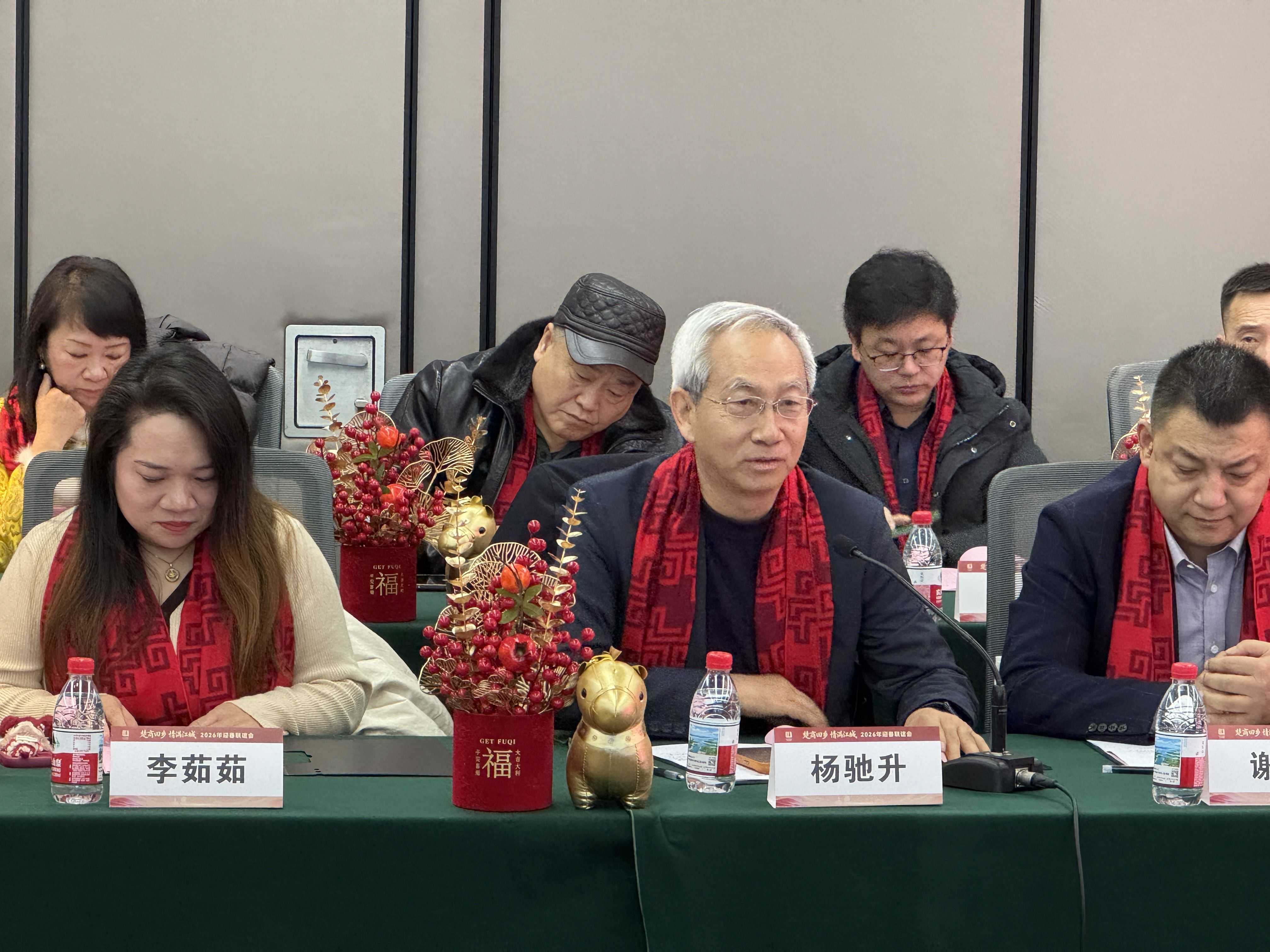
Core Insights - The event "Chushang Returns Home, Full of Jiangcheng" held on February 5 highlighted the increasing opportunities in Wuhan, leading to a return of entrepreneurs from various regions [1] - In 2025, Wuhan signed 214 projects with Chushang and alumni, with a total contract value exceeding 100 billion yuan [1] Group 1: Investment and Economic Development - Entrepreneurs are investing significantly in their hometowns, with one representative mentioning over 100 million yuan invested in rural revitalization projects [4] - The establishment of companies like Tongwan Group in Jiangxia has generated an annual output value exceeding 5 billion yuan [4] - The food industry park by Desheng Group in Dongxihu is expected to achieve an annual output value of over 4 billion yuan [4] Group 2: Government Support and Services - The local government has improved its administrative services, making processes like business registration and project approval more efficient through online platforms [4] - The Wuhan Investment Promotion Bureau aims to provide continuous support for projects, ensuring smooth implementation and addressing challenges [12] Group 3: Educational Initiatives - The Shenzhen Hubei Chamber of Commerce has invested several hundred million yuan in educational projects in Wuhan, aiming to create a destination for educational tourism in Central China [8]
生态“金果”筑屏障民生工程惠万家
Zhong Guo Fa Zhan Wang· 2026-02-05 03:08
Core Viewpoint - The development of the seabuckthorn industry in Qinghai Province is creating a harmonious relationship between ecological protection and economic growth, leading to increased income for local farmers and contributing to rural revitalization [1][3][9]. Group 1: Seabuckthorn Industry Development - The seabuckthorn industry in Shenzhong Township is being developed as a key feature, with significant investments and technological support leading to the establishment of a 600-acre seabuckthorn forest [2]. - A comprehensive industrial chain approach is being adopted, including cold chain storage to preserve the freshness of seabuckthorn, and a cooperative model that connects enterprises, cooperatives, village collectives, and farmers [2][3]. - The seabuckthorn forest has created over 60 job opportunities and increased farmers' income by more than 55,000 yuan, demonstrating the economic benefits of ecological initiatives [3]. Group 2: Employment and Skill Development - The "work-for-relief" projects in Qinghai are enhancing employment opportunities for local farmers, with a total investment of 1.19 billion yuan aimed at constructing high-standard farmland [4][5]. - These projects have successfully employed 1,590 individuals, distributing 16.16 million yuan in labor remuneration and providing skills training to 891 participants [5]. - The focus is on transforming laborers into skilled workers, enabling them to earn sustainable incomes and improve their livelihoods [5][6]. Group 3: Rural Infrastructure and Living Conditions - Qinghai Province is investing in rural infrastructure, with 2.73 million households undergoing housing safety improvements and significant upgrades to living conditions [7][9]. - The province has implemented a comprehensive waste management system, achieving effective waste governance in 96.2% of administrative villages [8]. - Cultural heritage is being preserved and utilized to boost rural tourism, enhancing both community identity and economic opportunities [8][9].
锚定农业农村现代化 中央一号文件精准落子
Xin Lang Cai Jing· 2026-02-04 11:16
Core Insights - The 2026 Central No. 1 Document focuses on agricultural and rural modernization as a key aspect of China's overall modernization strategy, emphasizing the need to address shortcomings in the agricultural sector [1][3] - The document outlines specific strategies to enhance agricultural production, rural construction, and farmers' income, marking a shift towards a more targeted approach in rural development [3][8] Group 1: Agricultural Production - The document prioritizes "enhancing agricultural comprehensive production capacity and quality efficiency," aiming to increase crop yields and improve the quality of agricultural products [3][4] - It emphasizes the integration of artificial intelligence and advanced technologies such as drones and IoT in agriculture, marking a significant step towards smart agricultural practices [3][4] Group 2: Rural Construction - The principle of "tailoring to local conditions" is highlighted as essential for rural construction, avoiding a one-size-fits-all approach and ensuring that projects meet the actual needs of farmers [5][6] - The document calls for a systematic improvement in rural infrastructure, public services, and living conditions, aiming to create a more comfortable and sustainable rural environment [6][7] Group 3: Farmers' Income - The document stresses the importance of increasing farmers' income as a core objective, linking it to the overall goal of enhancing the quality of life for rural residents [7][8] - It proposes a multi-channel approach to income growth, focusing on industry development, employment support, and the cultivation of local industries to empower farmers economically [9][10]
宁波37个村获评省级未来乡村 累计建成未来乡村162个
Feng Huang Wang Cai Jing· 2026-01-26 01:52
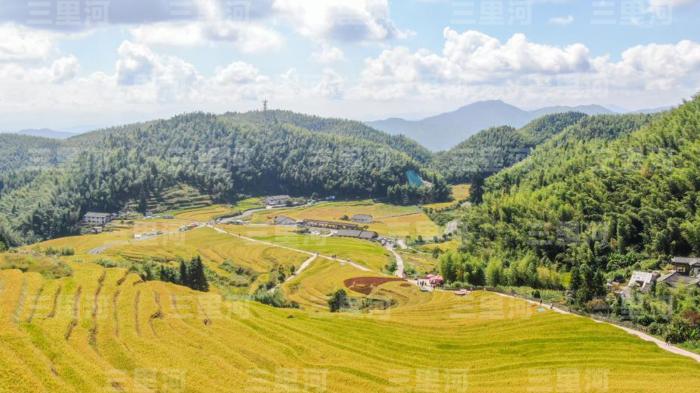
Core Viewpoint - The Zhejiang Provincial Department of Agriculture and Rural Affairs and the Provincial Department of Finance have announced the latest performance evaluation results for future rural areas, with a total of 342 villages recognized, highlighting the ongoing development and transformation of rural communities in the region [1] Group 1: Performance Evaluation Results - A total of 342 villages in Zhejiang Province have been awarded the title of future rural areas, with Ningbo leading the province with 37 recognized villages [1] - In Ningbo, the distribution of recognized villages includes 6 in Yinzhou and Fenghua, 4 in Yuyao, Beilun, and Ninghai, 3 in Xiangshan and Cixi, 2 in Zhenhai, Jiangbei, and Haishu, and 1 in Qianwan New Area [1] - Ningbo has established a total of 162 future rural areas, creating exemplary rural community models with significant demonstration and promotion value [1] Group 2: Future Rural Development Strategy - The future rural initiative is an upgraded version of the beautiful countryside project and continues the "Thousand Villages Demonstration, Ten Thousand Villages Rectification" program, focusing on systematic restructuring of rural space, industrial development, living environment, and governance [1] - Since the launch of the future rural construction in 2022, Ningbo has adhered to the overall requirements of "one integration, three transformations, and nine scenarios," with a focus on human-centered, ecological, and digital core directions [1] - The Ningbo Agricultural and Rural Bureau plans to deepen the area group development model, promoting the transition of future rural areas from "highlighting points" to "regional linkage and overall effectiveness," enhancing resource sharing and complementary advantages [1]
2025年西藏地区生产总值突破3000亿元 新能源装机占比超过50%
Xin Hua Wang· 2026-01-23 01:29
Core Viewpoint - The GDP of Tibet Autonomous Region is projected to exceed 300 billion yuan by 2025, demonstrating significant economic growth over the years [1] Economic Growth Timeline - The GDP of Tibet took 50 years to surpass 100 billion yuan, achieving this milestone in 2015 [1] - It took only 6 years to reach 200 billion yuan in 2021 [1] - The current projection indicates that it will take just 4 years to exceed 300 billion yuan [1] Development Strategies - During the 14th Five-Year Plan period, Tibet is focusing on tailored strategies and precise measures to foster new advantages and accumulate new growth momentum [1] - Major projects are being advanced systematically, with renewable energy sources like solar and wind accounting for over 50% of installed capacity [1] - The construction of 1,000 beautiful rural areas in the plateau region is also underway [1]
福建三明持续深耕两岸“乡”融新路
Xin Lang Cai Jing· 2026-01-16 19:05
Group 1 - The core viewpoint emphasizes leveraging Taiwan's experience to develop immersive cultural projects that connect historical scenes and cultural points between the two sides, making culture tangible and experiential [1] - Sanming City, as the first cross-strait rural integration development pilot zone, has actively utilized local Hakka culture, Zhuzi culture, and snack culture to enhance cross-strait exchanges and deepen the pilot zone's construction [1][2] - In 2025, Sanming plans to host 72 exchange activities, attracting over 3,000 Taiwanese visitors, with 18 projects included in the key list for Fujian-Taiwan integration development [1] Group 2 - Sanming has a rich variety of traditional villages that share deep historical and cultural ties with Taiwan, providing a solid resource foundation for rural integration development [2] - The city has successfully attracted 37 Taiwanese teams and over 90 Taiwanese architectural and design talents to engage in rural service, creating 11 model projects for cross-strait rural construction [2] - The integration of cultural tourism and rural construction is complemented by industrial collaboration, with Sanming introducing Taiwanese agricultural "five new" technologies, leading to the establishment of three agricultural integration development promotion bases [3] Group 3 - The introduction of 14 new Taiwanese varieties and five new technologies has resulted in a demonstration area of 6,500 acres, promoting agricultural innovation and integration [3] - The local government is encouraged to continue promoting Taiwanese agricultural varieties, advanced technologies, and machinery to foster new business models and industry clusters in the "Beautiful Countryside+" initiative [3]