人工智能与农业结合

Search documents
挥“农”墨于岭南大地,执“工”笔绘“两业融合”新篇
Nan Fang Nong Cun Bao· 2026-02-24 03:06
Core Viewpoint - Guangdong is focusing on high-quality development through the integration of manufacturing and service industries, aiming to transition from scale to quality leadership in its economy [11][12][13]. Group 1: Economic Strategy - Guangdong has been the "first engine" of the national economy for 37 consecutive years and is strategizing to maintain its leadership in the "14th Five-Year Plan" period [7][9]. - The 2026 Guangdong High-Quality Development Conference will emphasize the collaborative development of manufacturing and service industries [11]. Group 2: Industry Integration - The province is implementing measures to promote the deep integration of manufacturing and productive services, with a focus on transforming from "manufacturing" to "intelligent manufacturing" [25][30]. - Guangdong's agricultural sector is evolving by integrating agricultural equipment manufacturing with socialized agricultural services, enhancing production relationships and value chains [33][34]. Group 3: Talent Development - Guangdong is prioritizing "investment in people," emphasizing the integration of human resources with manufacturing to drive long-term economic development [73][75]. - The province is cultivating "new farmers" and rural leaders through various training programs, such as the "Rural CEO" training initiative [83][86]. Group 4: Cultural and Consumer Experience - The integration of manufacturing and service industries is redefining "Guangdong goods," transforming products into cultural experiences and consumption scenes [116][118]. - Industrial design is becoming a key driver for high-quality development, with initiatives like the "Mayor's Cup" Industrial Design Competition promoting innovation [120][123]. Group 5: Agricultural Innovation - The establishment of smart farms in Guangdong is showcasing the collaboration between manufacturing and technology services, with examples of fully automated agricultural processes [46][49]. - The province is leveraging modern logistics and digital marketing to enhance the agricultural value chain, as seen in the case of lychee production in Maoming [128][130].


中央一号文件丨跨国公司如何在中国乡村“播种未来”?
Xin Lang Cai Jing· 2026-02-06 14:48
Group 1 - China is a key player in the global agricultural supply chain, and the 2026 Central No. 1 Document outlines a clear roadmap for agricultural development, presenting opportunities for multinational companies to engage in China's agricultural modernization [1] - Bayer Crop Science has invested nearly 600 million yuan in research and development in China, focusing on corn seed breeding and introducing over 20,000 foreign germplasm resources [1] - The 2026 Central No. 1 Document emphasizes the integration of artificial intelligence in agriculture, expanding applications of drones, IoT, and robotics, which broadens collaboration opportunities for multinational companies [1] Group 2 - Cargill, a leading global animal nutrition and agricultural products manufacturer, is enhancing digital technology development to meet Chinese market demands, focusing on intelligent management of feed formulation [2] - Syngenta's innovation center in Shanghai is focused on developing innovative compounds and biological agents to support China's agricultural green development, aligning with the goals set out in the 2026 Central No. 1 Document [2] - The 2026 Central No. 1 Document aims to increase farmers' income by fostering county-level industries and improving mechanisms for fair sharing of industry development benefits, creating space for multinational companies to engage in rural industry development [2] Group 3 - Charoen Pokphand Group has invested in a project in Beijing to raise 3 million egg-laying hens, producing over 800 million eggs annually, and has implemented a collaborative model with local governments and farmers [3] - The company aims to enhance rural development by creating a win-win platform and upgrading the entire supply chain from farm to table, aligning with China's market growth [3]
粮食ETF(159698)冲刺连续13日净申购,政策支持2026年春耕及全年化肥保供稳价
Xin Lang Cai Jing· 2026-02-06 03:14
Group 1 - The National Development and Reform Commission has issued a notice to ensure the supply and stable prices of fertilizers for the 2026 spring plowing and the entire year, emphasizing the need for provincial development and reform commissions to coordinate fertilizer production and raw material supply [1] - Dongxing Securities highlights the implementation of seed industry revitalization actions, promoting the breeding and commercialization of breakthrough varieties, and integrating artificial intelligence with agriculture to enhance agricultural productivity [1] - As of February 6, 2026, the Guozhen Grain Industry Index (399365) has seen significant increases, with stocks such as Zhongxing Junye rising by 9.99% and Yuntu Holdings by 6.46%, indicating strong market performance in the grain sector [1] Group 2 - As of January 30, 2026, the top ten weighted stocks in the Guozhen Grain Industry Index include major companies like Dabeinong and Longping High-Tech, which collectively account for 52.33% of the index [2] - The primary sectors represented in the index are planting (49.63%), agricultural chemical products (22.62%), and feed (13.34%), reflecting the industry's composition [2]
中央一号文件引发农化行业热烈反响
Zhong Guo Hua Gong Bao· 2026-02-06 02:49
Group 1 - The Central Document No. 1 emphasizes the importance of strengthening arable land protection and quality improvement, promoting the comprehensive utilization of saline-alkali land and the management of acidified arable land, indicating a shift towards new environmentally friendly agricultural products such as slow-release fertilizers, water-soluble fertilizers, and microbial agents [1][4] - Companies like Sichuan Jinxiang Sairui Chemical Co., Ltd. are focusing on green agriculture, aiming to establish the largest agricultural microbial production base in Southwest China, with a total investment of 204 million yuan and a 322 cubic meter bioreactor [2] - Guizhou Phosphate Agricultural Materials Company is concentrating on efficient utilization of phosphorus resources and product matrix layout, aiming to upgrade traditional phosphorus fertilizers and explore new functional products based on phosphorus [2] Group 2 - Henan Jinkai Group Yanhu Chemical Co., Ltd. aligns its development philosophy with the Central Document's focus on transitioning from quantity assurance to quality enhancement in the agricultural input industry, optimizing production processes to create high-quality, environmentally friendly urea products [3] - The document also calls for enhancing agricultural technology innovation and integrating AI with agriculture, which companies are responding to by innovating agricultural technology services and improving farmer education through various methods [4][5] - Future agricultural service work is expected to build a green intelligent service system, leveraging digital technologies to optimize cost efficiency and enhance operational effectiveness, with a goal of integrating industrial development concepts into the agricultural sector [5]
中央一号文件发布!乡村振兴迎来新部署
Mei Ri Jing Ji Xin Wen· 2026-02-04 12:31
Core Viewpoint - The document outlines the central government's new policies aimed at modernizing agriculture and rural areas, emphasizing comprehensive rural revitalization and introducing new initiatives such as improving grain circulation efficiency and integrating artificial intelligence in agriculture [1][4]. Grain Circulation Improvement - The policy aims to stabilize grain production at approximately 1.4 trillion jin (700 million tons) and implement a new round of actions to enhance grain production capacity [2]. - The introduction of "grain circulation quality improvement projects" is a significant new initiative, focusing on optimizing agricultural production structures and enhancing grain quality [2][3]. - The emphasis is on meeting the rising quality demands of consumers while ensuring that high-quality grains can achieve better market prices [3]. Artificial Intelligence in Agriculture - The document encourages the integration of artificial intelligence with agriculture, promoting the use of drones, IoT, and robotics to enhance agricultural productivity [4]. - The successful application of these technologies in agriculture is contingent upon their scalability and the tangible benefits they provide to users [5]. Continuous Support for Poverty Alleviation - The policy introduces "normalized precise assistance" to address the transitional period following the end of the poverty alleviation campaign, ensuring ongoing support for vulnerable populations [6]. - Measures include improving the precision and timeliness of assistance, enhancing the effectiveness of industry and employment support, and categorizing aid for underdeveloped areas [6][7]. Expanding Rural Consumption - The document highlights the importance of expanding rural consumption as a means to stimulate domestic demand and enhance economic circulation between urban and rural areas [8][9]. - It supports the development of new consumption models and the improvement of rural consumption infrastructure, aligning with national policies aimed at upgrading consumer goods [9][10]. Area-Based Rural Revitalization - The policy introduces a "regional approach" to rural revitalization, advocating for a more integrated development strategy that transcends administrative boundaries [11][12]. - This approach aims to optimize resource allocation and enhance the quality of rural living conditions by fostering collaboration among neighboring villages [12][13].
锚定农业农村现代化 中央一号文件精准落子
Xin Lang Cai Jing· 2026-02-04 11:16
Core Insights - The 2026 Central No. 1 Document focuses on agricultural and rural modernization as a key aspect of China's overall modernization strategy, emphasizing the need to address shortcomings in the agricultural sector [1][3] - The document outlines specific strategies to enhance agricultural production, rural construction, and farmers' income, marking a shift towards a more targeted approach in rural development [3][8] Group 1: Agricultural Production - The document prioritizes "enhancing agricultural comprehensive production capacity and quality efficiency," aiming to increase crop yields and improve the quality of agricultural products [3][4] - It emphasizes the integration of artificial intelligence and advanced technologies such as drones and IoT in agriculture, marking a significant step towards smart agricultural practices [3][4] Group 2: Rural Construction - The principle of "tailoring to local conditions" is highlighted as essential for rural construction, avoiding a one-size-fits-all approach and ensuring that projects meet the actual needs of farmers [5][6] - The document calls for a systematic improvement in rural infrastructure, public services, and living conditions, aiming to create a more comfortable and sustainable rural environment [6][7] Group 3: Farmers' Income - The document stresses the importance of increasing farmers' income as a core objective, linking it to the overall goal of enhancing the quality of life for rural residents [7][8] - It proposes a multi-channel approach to income growth, focusing on industry development, employment support, and the cultivation of local industries to empower farmers economically [9][10]
三个“更” 提升农业全产业链发展
Zhong Guo Jing Ji Wang· 2026-02-04 06:43
Core Viewpoint - The central government of China is focusing on agricultural modernization and rural revitalization, emphasizing the importance of technology and innovation in agriculture to enhance production capacity and quality efficiency [1][2]. Group 1: Agricultural Modernization - The new round of technological revolution and industrial transformation presents significant opportunities for agricultural development, with a focus on modernizing agriculture through technological progress and innovation [2]. - Key tasks outlined in the central document include strengthening integrated innovation in agricultural technology, enhancing the overall effectiveness of the agricultural innovation system, and promoting the role of enterprises in innovation [2][3]. - The document emphasizes the need to expand application scenarios for modern technologies, such as artificial intelligence and drones, to enhance agricultural productivity [2]. Group 2: Agricultural Industry Development - The definition of agriculture is evolving, with a focus on diverse functions and the integration of various agricultural sectors, including forestry, animal husbandry, and fishery [4]. - The goal is to build agriculture into a modernized large industry, emphasizing richer connotations, a more complete industrial system, and higher product added value [4]. - The integration of agriculture with tourism and cultural experiences is highlighted as a new trend, promoting rural tourism and leisure agriculture to meet changing consumer demands [5]. Group 3: Agricultural Trade Coordination - In 2025, China's agricultural product imports reached $207.4 billion, ranking second globally, which helps to fill structural supply gaps in the domestic market [6]. - The central document calls for promoting coordination between agricultural trade and production, aiming for a sustainable development of agricultural trade while ensuring domestic supply [7]. - The strategy includes stabilizing domestic agricultural production, enhancing quality and competitiveness, and expanding imports of essential agricultural products to ensure food security [7].
时隔3年半,记者再探寿光蔬菜——智能大棚种好菜
Xin Hua Wang· 2026-02-03 23:53
Core Viewpoint - The article highlights the transformation of the vegetable industry in Shouguang, Shandong, emphasizing the integration of artificial intelligence and modern agricultural practices to enhance productivity and quality in response to market demands. Group 1: Industry Transformation - The central government has proposed to "promote the quality and efficiency of the 'vegetable basket' industry" and to integrate artificial intelligence with agricultural development [1] - Shouguang, known as the "vegetable capital of China," has established a comprehensive supply chain from seed to market, with over 17,000 kilograms of vegetables sold every minute [1][2] - The introduction of smart technology in greenhouses has led to an equipment penetration rate exceeding 85%, significantly improving labor productivity by 30% to 50% and increasing per-acre yield to 3 to 5 times that of pre-transformation levels [5] Group 2: Technological Advancements - New greenhouses are equipped with advanced monitoring systems, allowing real-time data tracking and management of growing conditions [3][4] - The use of AI algorithms has transformed traditional farming practices, with automated systems adjusting environmental controls based on real-time data [4] - A focus on quality has emerged, with new technologies enabling precise measurement of vegetable attributes such as sweetness and healthiness, thus enhancing market competitiveness [8][10] Group 3: Market Dynamics - The shift in market focus from quantity to quality has been driven by increased competition, prompting farmers to prioritize the production of healthier and tastier vegetables [9] - The establishment of a quality evaluation system for vegetables, incorporating taste and health metrics, reflects the industry's response to consumer preferences [10] Group 4: Global Expansion - Shouguang's vegetable exports have grown significantly, with annual export volumes exceeding 1,000 tons, and prices for exported vegetables being substantially higher than domestic prices [11] - The "Shouguang model" is being exported globally, with over 300 planting areas established in more than 40 countries, showcasing the potential for international agricultural collaboration [12][13] - The collaboration among young farmers and enterprises is crucial for the sustainable development and global outreach of the Shouguang agricultural model [13]
2026年一号文件发布,加快建设农业强国
GF SECURITIES· 2026-02-03 14:51
Investment Rating - The industry investment rating is "Buy" [2] Core Insights - The report emphasizes the acceleration of building an agricultural powerhouse as highlighted in the 2026 Central Document No. 1, which focuses on enhancing agricultural production capacity and quality, implementing precise assistance, and promoting stable income growth for farmers [7] - It stresses the need for comprehensive regulation of pig production capacity and the establishment of a diversified food supply system, indicating a shift from "doing well" to "strengthening" the regulation of pig production capacity compared to the 2025 document [7] - The report outlines the goal of stabilizing grain and oil production, with a target grain output of approximately 1.4 trillion jin, and emphasizes the importance of seed industry revitalization actions [7] - It highlights the integration of artificial intelligence with agricultural development, promoting the use of drones and other technologies to enhance agricultural productivity [7] - Investment suggestions include focusing on leading seed companies that benefit from breeding innovation and the biological breeding industry, such as Longping High-Tech, Denghai Seeds, and Kangnong Seeds [7] Summary by Sections Policy Insights - The 2026 Central Document No. 1 outlines three main areas: improving agricultural production capacity, implementing precise assistance, and promoting stable income growth for farmers [7] - It calls for a focus on stabilizing grain production and enhancing the diversity of oilseed supply, including increasing soybean production and expanding the cultivation of other oil crops [7] Technological Integration - The report discusses the potential of integrating AI with agriculture, including applications in autonomous farming machinery and AI pest identification, which are expected to drive improvements in agricultural efficiency [7] Investment Recommendations - The report recommends attention to companies with breeding research advantages, particularly in the context of the biological breeding industry, suggesting companies like Longping High-Tech, Denghai Seeds, and Kangnong Seeds as potential investment opportunities [7]



焦点访谈|读懂中央农村工作会议这些重要提法
Yang Shi Wang· 2026-01-03 13:25
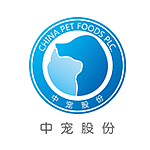
Core Insights - The central theme of the news is the emphasis on the importance of "Three Rural Issues" (agriculture, rural areas, and farmers) in the context of China's modernization efforts, particularly as the country approaches the 14th Five-Year Plan starting in 2026 [1][23]. Group 1: Agricultural Modernization - The meeting highlighted the need to anchor agricultural modernization and promote comprehensive rural revitalization, with a focus on ensuring food security and increasing farmers' income [1][3]. - A target was set for national grain production to remain stable at over 1.4 trillion jin (approximately 700 million tons) by 2025, ensuring food security for the population [3][7]. - The integration of advanced agricultural technologies, such as AI and robotics, is seen as crucial for improving production efficiency and environmental sustainability [9][11]. Group 2: Farmer Income and Employment - The core goal of agricultural modernization is to increase farmers' income, with policies aimed at maintaining reasonable prices for key agricultural products [11][15]. - The meeting emphasized the importance of creating new income sources through the development of new industries and business models, particularly in the context of urbanization and labor transfer [15][19]. - A successful case was presented where local initiatives in Jiangxi province led to significant income increases for farmers through the development of specialty products and cooperative models [13][19]. Group 3: Poverty Alleviation and Support Mechanisms - The meeting underscored the need to consolidate and expand the achievements of poverty alleviation, ensuring that support mechanisms remain in place to prevent a return to poverty [15][19]. - A dynamic adjustment mechanism for poverty prevention was discussed, involving collaboration among various local departments to monitor and support vulnerable populations [16][19]. - The importance of continuous support and responsibility from the government was highlighted, ensuring that those who have escaped poverty are not left without assistance [19][21]. Group 4: Policy and Reform Initiatives - The meeting discussed the need for comprehensive reforms in rural areas, including extending land contracts and innovating financing mechanisms for rural development [21][23]. - The emphasis was placed on the role of local governments in driving rural revitalization and agricultural modernization, with a call for active engagement and practical efforts [23].