
伊斯兰金融

Search documents
中金 | 向高处行:马来西亚冲刺高收入国家行列
中金点睛· 2026-02-24 23:41AI Processing
中金研究 高附加值制造强国,全球 产业影响 力凸显。 马来西亚是东盟唯一拥有本土内燃机汽车品牌(宝腾和第二国产车)的国家,2024年两大国产品牌占国内整 车市场份额的62%。其电气电子行业以47%的占比主导2024年制造业出口,半导体全球市占率达7%。依托"国家半导体产业战略"(注资250亿马币) 与"2030年新工业大蓝图",马来西亚半导体产业正加速向价值链上游转移,已吸引英特尔(71亿美元)与英飞凌(54亿美元)等重大投资。据世界银行, 马来西亚的营商便利度全球排名第12位,劳动力受教育程度高(识字率达95%),且劳动生产率保持稳定增长(2015–2024年复合年增长率2.9%)。 服务业为支柱产业,经济增长动力强劲。 2024年服务业占马来西亚GDP比重达59.3%,2015–2024年复合年增长率4.8%。2024年,数字经济GDP占比为 23.4%,持续吸引全球科技巨头注资。医疗旅游呈现复苏态势,受到成本优势及JCI认证医疗机构吸引力的驱动,2024年医疗旅游人次达152万,创收5.95 亿美元。马来西亚医疗旅游理事会提出了到2030年实现120亿马币医疗旅游收入的目标。 出口导向型经济,全球市场准 ...

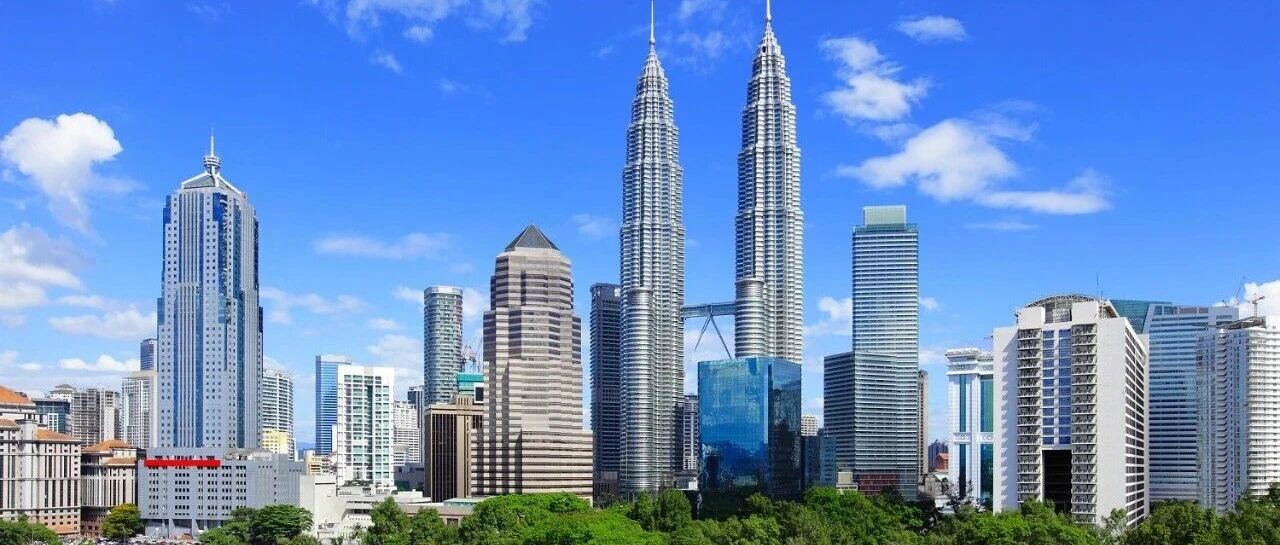
马来西亚将同阿尔及利亚加强在钢铁、汽车等领域合作
Shang Wu Bu Wang Zhan· 2026-01-16 16:10
Core Viewpoint - Algeria and Malaysia are entering a new phase of strategic partnership, with Malaysia planning significant investments in Algeria, particularly in high-quality projects that align with both countries' economic development philosophies [1] Investment Plans - Lion Group from Malaysia plans to invest $6 billion in the steel and aluminum sectors through the Hajar Steel Complex project in Annaba [1] - Proton, a Malaysian automotive manufacturer, intends to enter the Algerian market, focusing on technology transfer and low-cost vehicle manufacturing [1] Transportation and Trade - The direct flight route between Algiers and Kuala Lumpur, set to open in 2026, is expected to significantly boost trade, tourism, and investment activities [1] - Future cooperation between the two countries is anticipated to cover various potential sectors, including halal industry, Islamic finance, technology, and tourism [1] Economic Expansion - Algeria's inclusion in ASEAN-related cooperation frameworks will open up an economic space with over 600 million consumers, laying the groundwork for cross-continental partnerships [1]
穆斯林市场蓝海:中国企业探索清真认证,AI医疗等新领域成热点
Sou Hu Cai Jing· 2025-08-27 05:06
Core Insights - The Muslim market, with over 2 billion Muslims globally, represents a significant yet underexplored opportunity for Chinese companies [1] - The global Islamic finance market is projected to reach $3.18 trillion by 2024, while the halal food and beverage market was valued at $2.09 trillion in 2021, and the halal cosmetics market is expected to reach $47.7 billion by 2024 [1] - Key regions for the Muslim market include Southeast Asia (Indonesia, Malaysia) and the Middle East (Saudi Arabia, UAE), with Indonesia having approximately 229 million Muslims, making up 86% of its population [1] Consumer Segments - Key consumer segments in the Muslim market include home goods, food, beauty and fashion, and maternal and infant products [2] - Muslim apparel sales, particularly during Ramadan, show significant growth on platforms like TikTok in Southeast Asia [2] - Beauty products, especially lipsticks and foundations, are popular in markets like Malaysia, but products must obtain Halal certification to be sold [2] Infrastructure Opportunities - The infrastructure sector in Muslim countries is thriving, driven by initiatives like Saudi Arabia's "Vision 2030" and Indonesia's new capital project, creating substantial demand [4] - New investment laws, tax incentives, and expedited processes in Middle Eastern countries are designed to attract foreign investment [4] - The engineering boom in these regions is expected to last for 20 to 30 years [4] Challenges for Chinese Companies - Halal certification is a primary challenge for Chinese companies entering the Muslim market, as it ensures compliance with Islamic standards throughout the supply chain [4] - Cultural and legal differences pose additional barriers, with contracts in the Middle East often being unfavorable to contractors, and Chinese companies may struggle with local legal requirements [4] - Missteps, such as using religious elements in branding without proper certification, can lead to legal issues [4] Adaptation Strategies - Chinese companies are actively exploring the Muslim market by establishing halal dining options, supply chains for daily necessities, and prayer spaces to align with local cultural practices [5] - Efforts are being made to obtain Halal certification to meet market entry requirements [5] - The strategic goal for Chinese companies is to find growth opportunities beyond the saturated domestic market by tapping into the high-barrier Muslim market [5]
香港商经局:金融、科技、文化协同发展 多措并举打造香港新经济增长点
智通财经网· 2025-07-31 06:30
Group 1: Economic Growth Initiatives - The Hong Kong government is actively expanding new economic growth points through various measures, including enhancing connectivity, attracting investment, and promoting innovation [1][2] - Hong Kong has improved its international competitiveness, ranking among the top three economies globally in the 2025 World Competitiveness Report, with first place in "business regulations" and "tax policies" [2] - The Investment Promotion Agency has assisted approximately 1,300 companies in establishing or expanding their businesses in Hong Kong, expected to bring in over HKD 160 billion in direct investment and create more than 19,000 jobs [2] Group 2: Strengthening Ties with Mainland and International Markets - The government is leveraging the CEPA framework to enhance professional services for the mainland market, facilitating Hong Kong enterprises to provide quality products and services [3] - Despite challenges from global economic slowdowns and geopolitical tensions, the government is diversifying measures to explore emerging markets and strengthen Hong Kong's position as an international trade hub [4] - High-level trade delegations have been sent to the Middle East and ASEAN, resulting in nearly 90 memorandums of cooperation and agreements [4] Group 3: Innovation and Industry Transformation - The government is implementing support plans for high-value industries, including the "New Industrial Acceleration Program" and "New Industrialization Funding Scheme" to promote smart manufacturing [5] - Research outcomes from InnoHK's Hong Kong Space Robotics and Energy Centre will contribute to China's lunar exploration missions, showcasing Hong Kong's role in space economy [5] Group 4: Financial Innovation and Market Development - The government is consulting the public on a licensing regime for digital asset service providers, aiming to promote a healthy and sustainable digital asset market in Hong Kong [6] - A new investment fund with a target size of USD 1 billion is being established to support enterprises linked to Hong Kong and the Greater Bay Area in Saudi Arabia [8] Group 5: Green Technology and Cultural Industries - The government is promoting green technology projects and assisting local companies in establishing production lines for high-value products from recycled materials [9] - Efforts are being made to enhance the cultural and creative industries, including reforms to venue booking policies to prioritize concert events [10] Group 6: Sports and Education Development - The government is leveraging opportunities from the Kai Tak Sports Park to attract tourists and boost consumption through major sporting events [10] - Initiatives to promote Hong Kong as an international higher education hub are ongoing, including land grants and interest-free loan programs for self-financed institutions [10]