
创意农业

Search documents
(走进中国乡村)从“猫冬”到“冬忙” 沈阳“稻梦小镇”四季引八方客
Xin Lang Cai Jing· 2026-01-17 07:27
Core Viewpoint - The transformation of "DREAM TOWN" in Shenyang from a winter hibernation to a bustling winter tourism destination has significantly improved the livelihoods of local villagers through job opportunities and increased income from tourism and agricultural activities [1][4]. Group 1: Economic Impact - The "DREAM TOWN" scenic area covers an area of 300,000 square meters and is developed through a partnership between local villages and a creative agricultural company, enhancing rural tourism and collective economic growth [1]. - Local villagers can earn at least an additional 50,000 RMB annually through various means such as land transfer, housing rental, and working in the scenic area [4]. Group 2: Seasonal Attractions - The winter theme park opens in late December and closes after the Lantern Festival, while from May to October, the focus shifts to rice paddy art and agricultural culture [4]. - The scenic area features a variety of attractions, including a 400-meter ice slide and a snow maze, attracting both children and adults [2]. Group 3: Community Engagement - Villagers are actively involved in the tourism sector, with many returning from studies or other jobs to assist in local businesses, such as the "warm shed canteen" that serves local dishes [4]. - The integration of agricultural culture with rural revitalization is emphasized through the "DREAM SPACE" IP, promoting a narrative around the story of rice [4].

一粒米的“新”意
Xin Hua Wang· 2025-07-14 01:55
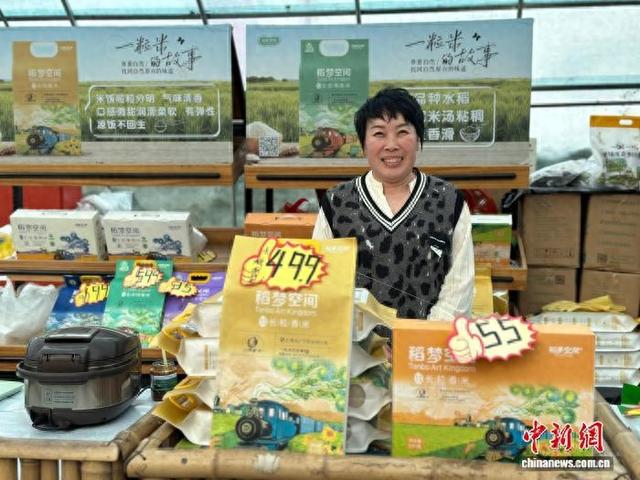
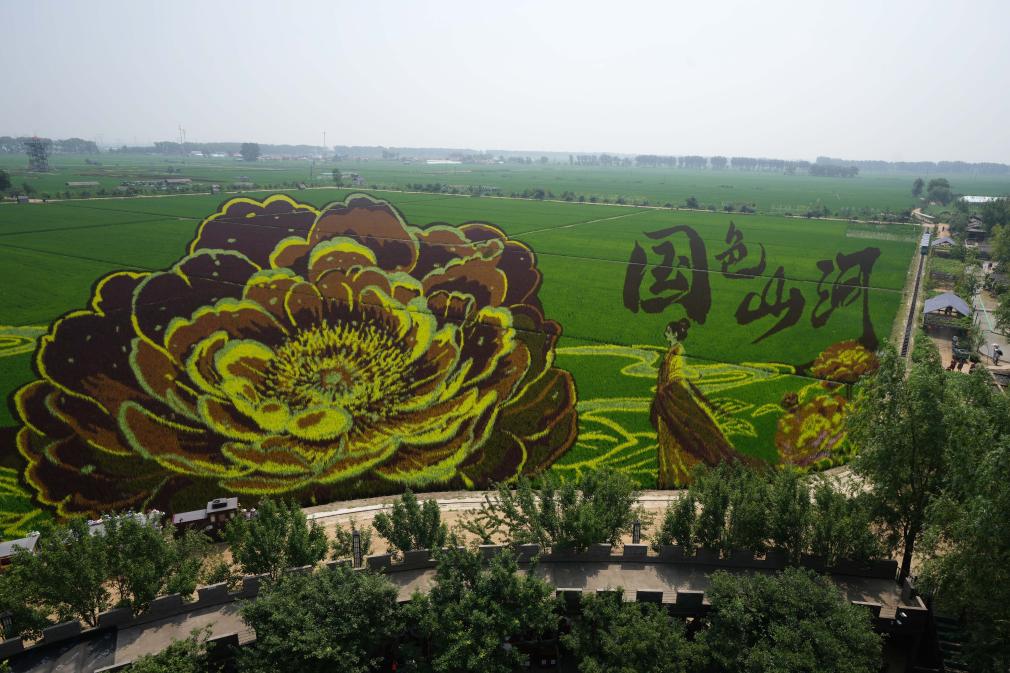
Core Insights - The "Rice Dream Space" scenic area in Shenyang, Liaoning Province, has become a popular tourist destination, featuring large rice paddy art that attracts visitors during the summer season [2][4] - The scenic area has created 15 rice paddy artworks across 1,500 acres, utilizing various colored rice plants to enhance the visual appeal [4] - The project not only provides a unique cultural experience but also contributes to local employment and agricultural practices, with many locals working in the area [4][7] Group 1 - The "Rice Dream Space" features a large rice paddy art piece titled "National Color and Mountains," which is a significant attraction for visitors [1][3] - The rice paddy art is created using seven different colored rice plants, which are cultivated through a detailed process involving design, GPS planting, and management [2][4] - The scenic area has expanded its influence, providing guidance for rice paddy art projects in other provinces such as Heilongjiang, Hebei, and Tianjin [4] Group 2 - The scenic area has integrated local agricultural practices by leasing 30,000 acres of land for the cultivation of selected rice varieties, enhancing the scale of production [4] - Local products made from self-produced rice, such as rice noodles, rice cakes, and rice ice cream, have gained popularity among tourists [4][7] - The initiative has created job opportunities for local residents, allowing them to earn income without needing to migrate for work [4][7]
从插秧到“出圈” 一粒米长出产业链(人民网)
Ren Min Wang· 2025-06-25 08:53
Core Viewpoint - The article highlights the integration of agriculture, culture, and tourism in the Shenyang Xibolong Creative Agricultural Industrial Park, showcasing the innovative use of rice paddies as artistic canvases and tourist attractions [1][3][5]. Group 1: Agricultural Innovation - The park features a 1,500-acre rice field where various colored seedlings are planted to create large-scale rice paddy art, with a specific theme for this year being "National Color Mountains and Rivers - Peony" covering 92 acres [1][2]. - The park employs a professional rice planting team to ensure timely planting, which is crucial for the growth of the rice and the subsequent art display [1][4]. - The integration of ecological farming practices, such as "rice-duck" and "rice-crab" co-cultivation, enhances biodiversity and productivity in the rice fields [4][5]. Group 2: Cultural and Tourism Development - The park has become a cultural symbol, attracting over 700,000 visitors annually, many of whom are drawn by the unique rice paddy art that tells stories of nature and agriculture [1][3]. - A 2,800-meter-long small train line, the longest of its kind in the country, allows tourists to explore the evolving art pieces within the rice fields [2]. - The park plans to host events like dragon boat races and cultural experiences to deepen visitor engagement with local traditions and agricultural practices [4][5]. Group 3: Economic Impact and Branding - The introduction of geographical indications has significantly increased the market value of local products, with the price of Qing Shui rice rising by 1 yuan per jin after a promotional event [3]. - The proportion of income from agricultural derivatives in the park's tertiary sector has increased from 15% in 2022 to 30% in 2024, indicating a successful blend of agriculture and tourism [3]. - The park aims to create a sustainable cycle where geographical indications empower cultural tourism, which in turn supports the agricultural sector [5].
