
咖啡出口

Search documents
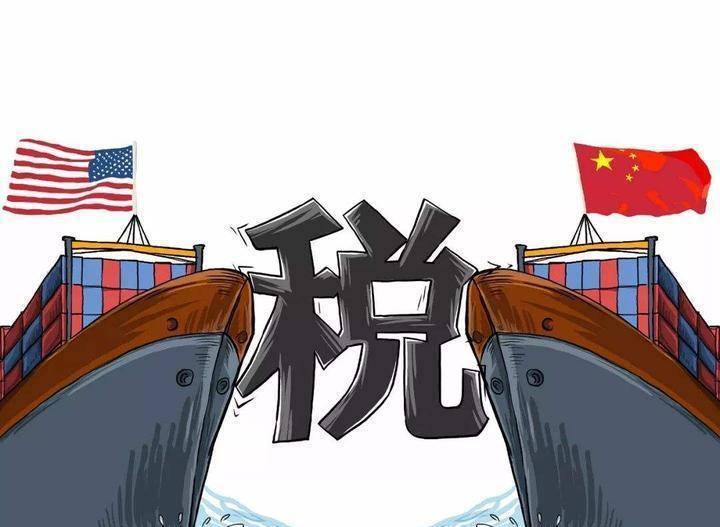
中美贸易战掀桌子了!今日凌晨的四大消息全面爆发!
Sou Hu Cai Jing· 2025-12-17 02:39
Group 1: Economic Impact of Tariffs - The global economy is experiencing significant downturns, with Switzerland reporting the largest economic contraction since the COVID-19 pandemic began in 2020, attributed to the volatility in foreign trade linked to new U.S. tariff policies [3] - Japan's economy also contracted in the third quarter, primarily due to reduced exports, while Mexico's economy began to shrink as a result of the unpredictable trade policies of the Trump administration [4] - The Canadian manufacturing sector has lost 36,500 jobs since the beginning of the year, marking the lowest labor force number since September 2021, largely due to the impact of U.S. tariff policies [4][5] Group 2: Specific Industry Challenges - Brazilian coffee exporters are facing unprecedented challenges due to a 50% tariff on coffee exports to the U.S., resulting in a more than 50% decrease in U.S. imports of Brazilian coffee from August to November compared to the previous year [6] - China's exports to the U.S. fell by nearly 29% in November, while imports from the U.S. dropped by 19%, reflecting the ongoing trade tensions and high tariffs [7][8] - U.S. farmers, particularly soybean producers, have seen a significant drop in income due to China's tariff responses, although recent data indicates a resurgence in Chinese purchases of U.S. agricultural products [9][10] Group 3: Federal Reserve Actions - The Federal Reserve lowered the federal funds rate target range by 25 basis points to between 3.5% and 3.75%, marking the third consecutive rate cut since September and the sixth since the current easing cycle began [12] - Fed Chairman Powell indicated that inflation rates have exceeded the Fed's target, largely due to increased tariffs, and suggested that the current rate cuts may be sufficient, although worsening employment data raises expectations for further cuts [12][13] Group 4: Policy Adjustments - The Trump administration is expected to reverse many of the previous Biden administration's policies, including new offshore oil and gas leasing plans and changes to fuel economy standards for vehicles [14] - The Chinese government is implementing measures to support technological innovation and industry upgrades, emphasizing the importance of domestic demand and investment to counter external economic pressures [16][17] Group 5: Market Reactions and Future Outlook - Morgan Stanley predicts that China's share of the global export market will increase from 15% to 16.5%, driven by advancements in manufacturing and technology sectors [19] - The U.S. manufacturing sector showed signs of improvement, with the ISM manufacturing PMI reported at 49.3, exceeding market expectations [19] - The ongoing trade negotiations between the U.S. and China have led to speculation about a significant agreement, although no formal confirmation has been made regarding the claimed "trillions of dollars" in purchases [19][20]

特朗普对巴西大部分商品加征50%关税 对部分关键行业作出豁免
Zhi Tong Cai Jing· 2025-07-30 22:25
Group 1 - The U.S. has imposed tariffs of up to 50% on most Brazilian goods in response to political persecution of former President Bolsonaro, but key industries like aviation, energy, and orange juice are exempted, alleviating worst fears in Brazil's business community [1] - Brazilian Finance Minister Seron stated that the outcome is milder than expected, indicating that the worst-case scenario has not materialized [1] - The tariffs are directly linked to Bolsonaro's trial regarding allegations of attempting to overturn the 2022 presidential election results, with additional sanctions imposed on the Brazilian Supreme Court judge overseeing the case [1] Group 2 - The exemption from tariffs includes critical export categories such as civilian aircraft, pig iron, precious metals, pulp, energy, and fertilizers, which is particularly important for Embraer, as 45% of its commercial aircraft and 70% of its executive jets are exported to the U.S. [1] - Analysts have warned that the tariffs could severely impact Suzano, one of the world's largest pulp producers, but market sentiment improved following the exemption announcement [1] - The former Brazilian Trade Minister Bahar cautioned that while some products are exempt, Brazil exports approximately 3,000 items to the U.S., and the remaining products will still face actual impacts [1] Group 3 - Notably, the executive order does not exempt beef and coffee exports, which are significant agricultural products for Brazil, with the Brazilian beef export organization Abiec previously indicating that tariffs would make exports to the U.S. "unsustainable" [2] - Despite the exemption for "energy and related products," several energy companies operating in Brazil have paused crude oil shipments to the U.S. due to policy uncertainty, with the Brazilian Petroleum Association stating that the industry is monitoring the situation [2]