民用飞机

Search documents
伊朗谈判新策略曝光:与美联合开发油气田、矿区,采购美飞机,“让美国能快速获得高额经济回报”!
Mei Ri Jing Ji Xin Wen· 2026-02-17 02:22
Group 1 - The core point of the news is the heightened military tensions between the US and Iran, reflected in the deployment of US F-35A fighter jets to the Middle East and Iran's military exercises in the Strait of Hormuz [1][2][4] - The US has deployed 18 F-35A fighter jets from the RAF Lakenheath base to the Middle East, marking one of the largest single deployments in recent months, in response to escalating tensions with Iran [1] - The USS Abraham Lincoln aircraft carrier was spotted near the coast of Oman, indicating a significant military presence in the region, alongside the USS Fort which was recently redeployed from the Caribbean to the Middle East [1] Group 2 - Iran's Islamic Revolutionary Guard Corps conducted military exercises in the Strait of Hormuz, focusing on assessing naval combat readiness and reviewing security plans against potential threats [2][3] - Iranian Foreign Minister Mohammad Javad Zarif emphasized that Iran will not yield to threats and is prepared to negotiate a fair agreement [3] - The upcoming indirect negotiations between Iran and the US are set to take place in Geneva, with both sides aiming to address economic interests and potential sanctions relief [4][5] Group 3 - Iran is proposing a new negotiation strategy that shifts focus from uranium enrichment issues to economic cooperation, including joint development of oil and gas fields and potential aircraft purchases from the US [4][5] - Iranian officials have indicated a willingness to compromise on nuclear issues in exchange for the lifting of sanctions, while maintaining that zero uranium enrichment is not acceptable [5] - The US President has expressed a belief that Iran desires an agreement and is concerned about the consequences of failing to reach one, indicating a complex negotiation landscape [6]
伊朗谈判新策略曝光:与美联合开发油气田、矿区 采购美飞机
Mei Ri Jing Ji Xin Wen· 2026-02-17 01:51
Core Viewpoint - The deployment of 18 F-35A fighter jets by the U.S. military to the Middle East reflects the current military strategy in response to rising tensions with Iran [1] Military Deployment - 18 F-35A fighter jets from the U.S. stationed at the Royal Air Force Lakenheath base have been deployed to the Middle East, marking one of the largest single deployments in recent months [1] - The USS Abraham Lincoln aircraft carrier has been spotted near the coast of Oman, indicating increased military presence in the region [1] - The USS Ford carrier group, which recently participated in an attack on Venezuela, has also been redirected to the Middle East [1] Iranian Military Exercises - The Iranian Revolutionary Guard Corps Navy conducted military exercises in the Strait of Hormuz, focusing on readiness and security plans against potential threats [4] - The exercises aimed to test the operational readiness of naval forces and review security control plans in the region [4] Diplomatic Negotiations - Indirect negotiations between Iran and the U.S. are set to take place in Geneva, with discussions focusing on achieving a mutually beneficial nuclear agreement [6][8] - Iran is willing to compromise on its nuclear program in exchange for the lifting of sanctions, indicating a shift in negotiation strategy towards economic benefits [6][7] - The Iranian delegation, led by Foreign Minister Zarif, emphasizes that they will not yield to threats during the negotiations [5] Economic Interests - Iran is proposing to open its oil and gas fields for joint development and is willing to discuss the procurement of U.S. civilian aircraft as part of the negotiations [6][7] - The Iranian government believes that a successful agreement could provide significant economic returns for both parties involved [6][7] U.S. Position - President Trump has indicated he will participate indirectly in the upcoming negotiations, expressing the importance of reaching an agreement [8] - Trump believes that Iran is interested in reaching a deal to avoid severe consequences, highlighting the ongoing tensions and stakes involved [8]

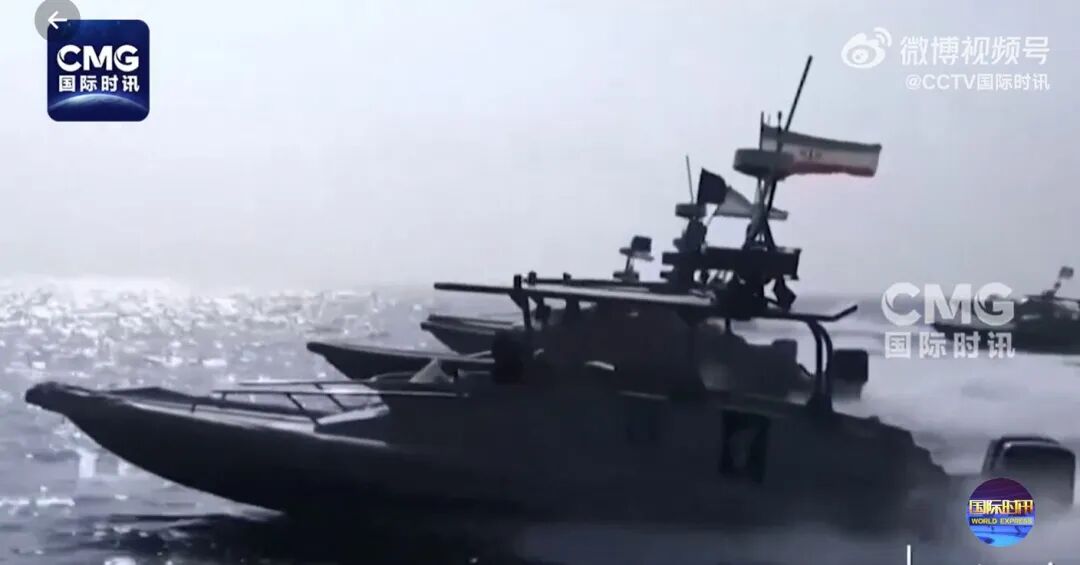
伊朗谈判新策略曝光:与美联合开发油气田、矿区,采购美飞机,“让美国能快速获得高额经济回报”!特朗普最新表态,美军大举增兵
Mei Ri Jing Ji Xin Wen· 2026-02-17 01:49
Group 1: Military Deployment and Tensions - The U.S. military has deployed 18 F-35A "Lightning II" fighter jets from the RAF Lakenheath base to the Middle East, marking one of the largest single deployments in recent months due to rising tensions with Iran [1] - The USS Abraham Lincoln aircraft carrier has been spotted near the coast of Oman, and the USS Ford carrier group, which recently participated in an attack on Venezuela, has also been redirected to the Middle East [1] - Iran's Islamic Revolutionary Guard Corps is conducting military exercises in the Strait of Hormuz, focusing on assessing naval combat readiness and reviewing security plans [4][2] Group 2: Diplomatic Negotiations - Iran's Foreign Minister has stated that Iran will not yield to threats, emphasizing the intention to reach a fair agreement during upcoming negotiations in Geneva [5][6] - The second round of indirect negotiations between Iran and the U.S. is scheduled for February 17, with Oman facilitating discussions [4][6] - Iran is proposing new negotiation strategies that focus on economic benefits, including joint development of oil and gas fields and potential aircraft purchases from the U.S. [6][7] Group 3: Economic Interests and Strategic Goals - Iran is willing to compromise on its nuclear program in exchange for the lifting of sanctions, indicating flexibility in negotiations [6][7] - The Iranian government aims to ensure that any agreement provides significant economic returns for both parties, particularly in the oil and gas sectors [7] - Israeli Prime Minister Netanyahu has reiterated concerns regarding any potential agreement, emphasizing the need for strict conditions related to uranium enrichment and missile capabilities [7][8]

2026年中国民用飞机制造行业市场政策、产业链图谱、市场规模、竞争格局及发展趋势分析:波音、空客仍然占据主导地位[图]
Chan Ye Xin Xi Wang· 2026-01-29 01:35
Core Viewpoint - The aviation travel industry in China is transitioning from a high-end choice to a common daily travel method due to the steady increase in national income, leading to a surge in demand for airline routes and capacity, particularly in the regional and low-cost aviation sectors, which is expected to drive the civil aircraft manufacturing market to reach a scale of 223.858 billion yuan by 2025, with a year-on-year growth of 16.2% [1][7]. Overview - Civil aircraft manufacturing refers to a series of industrial activities aimed at meeting non-military purposes such as civil aviation transport and general aviation operations, including aircraft design, parts production, assembly, testing, and delivery [2]. Market Policies - A series of supportive policies have been issued in recent years, including the "New Industrial Standardization Pilot Project Implementation Plan (2023-2035)" and "Guidance on Accelerating Digital Empowerment of Life Services," creating a favorable policy environment for the development of China's civil aircraft manufacturing industry [4]. Industry Chain - The upstream of the civil aircraft manufacturing industry includes suppliers of special rubber, aviation aluminum alloys, titanium alloys, high-temperature alloys, and carbon fiber composites, while the midstream consists of civil aircraft manufacturing enterprises, and the downstream focuses on aircraft applications and aftermarket services, including air transport, aircraft leasing, and maintenance [5]. Development Status - The civil aircraft manufacturing market is expected to reach a scale of 223.858 billion yuan by 2025, driven by the expansion of the aviation transport market and the growth of regional and low-cost airlines [7][8]. Competitive Landscape - The civil aircraft manufacturing industry is characterized by high capital, technology, policy, and market barriers, with Boeing and Airbus dominating the global market. However, domestic companies like COMAC and AVIC are gradually challenging this duopoly through policy support and market demand [9]. Development Trends 1. **Integration of Intelligent Manufacturing and Material Innovation**: The industry is moving towards intelligent manufacturing, utilizing technologies like digital twins and artificial intelligence to enhance production efficiency and precision [10]. 2. **Supply Chain Autonomy and Resilience**: The focus is on achieving self-sufficiency in core components and building a resilient supply chain to mitigate external disruptions [11]. 3. **Cross-Industry Integration and Green Transformation**: The integration of military and civilian technologies is expected to shorten R&D cycles, while the rise of urban air mobility and sustainable aviation fuels will drive a new manufacturing ecosystem [12].


【环球财经】美国波音公司2025年扭亏为盈
Xin Hua She· 2026-01-28 07:09
Group 1 - Boeing reported a significant increase in revenue and aircraft deliveries, with a net profit of $8.2 billion for Q4 2025 and a total net profit of $2.2 billion for the year, marking the end of six consecutive years of substantial losses from 2019 to 2024 [2][3] - The company's total revenue for the year reached $89.5 billion, with 600 commercial aircraft delivered, representing a year-over-year growth of 34% and 72% respectively [3] - The primary driver for Boeing's return to profitability was a 57% year-over-year increase in Q4 revenue, amounting to $23.9 billion, alongside a 139% increase in commercial airplane segment revenue to $11.4 billion, with 160 aircraft delivered, reflecting a 181% increase [3] Group 2 - Boeing's global services segment generated $5.2 billion in revenue, showing a 2% year-over-year growth, while defense business revenue also saw an increase [3] - The company realized a gain of $9.6 billion from the sale of certain assets in its digital aviation solutions business [3] - Despite recent financial recovery, Boeing has faced significant challenges due to safety incidents involving multiple aircraft models, which have adversely affected its operational and financial status, damaging its brand image and market position [3]

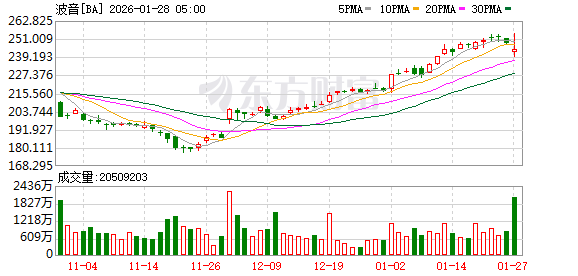
通过情境学习增强飞机维修知识图谱
Xin Lang Cai Jing· 2026-01-27 03:21
Core Insights - The introduction of weak supervision learning in the aviation maintenance sector represents a significant advancement in updating civil aircraft maintenance knowledge graphs, enhancing operational efficiency and safety standards [2][5] - This innovative method reduces reliance on expert opinions and extensive training datasets, allowing for more accurate and reliable knowledge graphs with lower time and cost requirements [2][3] Group 1: Technological Advancements - Weak supervision learning utilizes context learning methods to extract relevant information from various data sources, enabling dynamic updates to knowledge graphs that reflect the latest operational realities of civil aircraft [2][4] - The algorithm developed can intelligently identify and integrate relevant data from ongoing maintenance activities, helping maintenance professionals make informed decisions [2][4] Group 2: Operational Efficiency - The application of weak supervision learning allows for the identification of previously overlooked patterns and correlations, aiding in the formulation of proactive maintenance strategies that enhance safety protocols and extend the lifespan of aircraft components [3][5] - This advancement is particularly significant as the global aviation industry faces rising operational costs and efficiency challenges, with the potential to save millions in emergency repair costs and downtime by predicting maintenance needs before actual failures occur [3][5] Group 3: Stakeholder Collaboration - The use of advanced knowledge graphs improves communication among stakeholders in the aviation maintenance ecosystem, fostering a culture of transparency and collective responsibility for safety and performance management [4][5] - Continuous updates to knowledge graphs ensure that maintenance personnel work with the most relevant and up-to-date information, reducing risks associated with outdated knowledge [4] Group 4: Broader Implications - The findings from this research are expected to not only revolutionize aircraft maintenance practices but also inspire similar methodologies in related fields such as automotive, maritime, and rail transport [5] - The emergence of context learning-based weak supervision methods signals a new era in civil aircraft maintenance, paving the way for a smarter and more resilient aviation ecosystem [5]

空客预计2044年中国航空售后市场规模将达638亿美元
Zhong Guo Xin Wen Wang· 2026-01-15 09:27
Group 1 - Airbus projects that the Chinese aviation aftermarket will grow from $24.8 billion in 2025 to $63.8 billion by 2044, making it the largest market globally [1] - China has become the largest single-country market for Airbus commercial aircraft, with a significant increase in passenger transport volume expected to reach 116.7% of pre-pandemic levels by 2025 [1] - The country is expected to receive approximately 9,570 new aircraft over the next 20 years, which will enhance the demand for various services throughout the aircraft lifecycle [1] Group 2 - Chinese airlines are accelerating their digital transformation, aiming for a more interconnected ecosystem, with over 9,000 aircraft expected to have onboard connectivity features [2] - Through digital technology operations, airlines are projected to save over $2.2 billion in operational costs and an additional $5.7 billion by reducing fuel costs [2]

空客公司发布《全球航空服务市场预测》
Zhong Guo Min Hang Wang· 2026-01-15 03:44
Core Insights - Airbus has released its Global Services Forecast (GSF), predicting significant growth in the global aviation services market over the next 20 years, particularly highlighting China's emergence as the largest market by value [1] Group 1: Market Growth - The aviation aftermarket service market is shifting eastward, with China's market expected to grow from $24.8 billion in 2025 to $63.8 billion by 2044 [1] - China is projected to receive approximately 9,570 new aircraft over the next 20 years, which will enhance the demand for various services throughout the aircraft lifecycle [4] Group 2: Passenger Traffic and Infrastructure - In 2025, China's domestic passenger transport volume is expected to increase by 17% compared to pre-pandemic levels in 2019, while international routes have recovered to over 90% of 2019 levels [4] - Continuous investment in airport infrastructure and air traffic management in China supports the growth of aviation traffic while maintaining high operational efficiency [4] Group 3: Key Growth Areas - The growth of China's aviation services market will be driven by five key areas: non-wing maintenance, on-wing maintenance, modifications and upgrades, digitalization and connectivity, and training [4] - By 2044, the Chinese aviation industry will require over 485,000 new technical personnel, including 131,000 pilots, 143,000 maintenance technicians, and 211,000 cabin crew members [4] Group 4: Digital Transformation - Chinese airlines are accelerating their digital transformation towards a more interconnected ecosystem, with over 9,000 aircraft expected to have onboard connectivity [5] - Digital operations are projected to save over $2.2 billion in operational costs and an additional $5.7 billion through reduced fuel costs, while enhancing passenger experience [5]
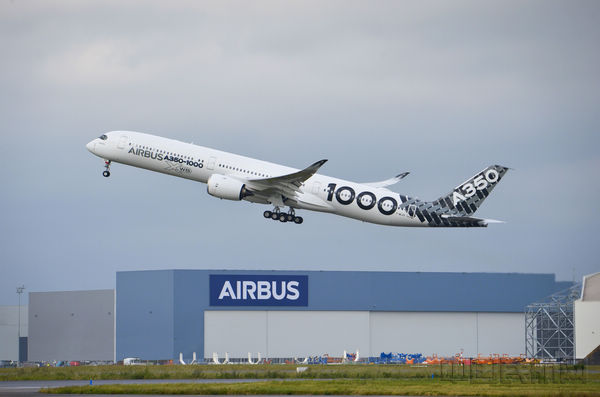
吴庆文会见空客高管
Su Zhou Ri Bao· 2025-12-12 00:44
Core Viewpoint - The meeting between the Mayor of Suzhou and Airbus executives highlights the strategic partnership and investment potential between Airbus and Suzhou, emphasizing the city's commitment to becoming a leading "smart manufacturing city" through innovation and collaboration [1][2]. Group 1: Airbus's Role and Commitment - Airbus is a Fortune Global 500 company involved in the development and manufacturing of civil aircraft, helicopters, defense, and aerospace equipment [1]. - Since establishing its R&D center in Suzhou Industrial Park in mid-2023, Airbus has developed capabilities in R&D, innovation, and incubation, providing advanced technologies and solutions globally [1]. Group 2: Suzhou's Strategic Initiatives - Suzhou is focused on expanding high-level openness and promoting technological and industrial innovation to accelerate the development of new productive forces [1]. - The city aims to create a first-class business environment that is market-oriented, law-based, and internationalized to support Airbus in enhancing its operations and sharing new development opportunities [1]. Group 3: Future Collaboration - Airbus plans to deepen collaboration with Suzhou's local innovation ecosystem, promoting resource sharing and complementary advantages to optimize the local aerospace industry and supply chain [2]. - The goal is to drive high-quality development of the aerospace innovation ecosystem in Suzhou [2].
【财闻联播】摩尔线程,周五上市!筹划重大资产重组,三家券商将继续停牌
券商中国· 2025-12-03 12:16
Macro Dynamics - In the first ten months of 2025, China's service trade totaled 65,844.3 billion yuan, a year-on-year increase of 7.5% [2] - Service exports reached 29,090.3 billion yuan, growing by 14.3%, while imports amounted to 36,754 billion yuan, increasing by 2.6% [2] - The service trade deficit was 7,663.7 billion yuan, a decrease of 2,693.9 billion yuan year-on-year [2] Industry Developments - The Ministry of Culture and Tourism and the Civil Aviation Administration of China issued an action plan to promote the integration of culture, tourism, and civil aviation, aiming for improved travel services and broader coverage of domestic and international routes by 2027 [3] - The plan emphasizes tailored services for specific travel groups, including senior travelers, educational tours, family trips, winter sports tourism, and inbound tourism [3] Market Data - In November 2025, retail sales of new energy vehicles in China reached 1.354 million units, a year-on-year increase of 7% [4] - Cumulative retail sales for the year reached 11.504 million units, up 20% compared to the previous year [5] - Wholesale sales of new energy vehicles in November were 1.72 million units, a 20% increase year-on-year, with cumulative wholesale sales for the year at 13.777 million units, up 29% [5] Consumer Trends - From January to November 2025, the trade-in of consumer goods generated over 25,000 billion yuan in sales, benefiting over 360 million people [6] - Notable trade-ins included over 11.2 million vehicles, 12.844 million home appliances, and 9.015 million digital products [6] Company News - China International Capital Corporation, Dongxing Securities, and Xinda Securities announced continued suspension of their A-shares due to major asset restructuring plans [8] - New China Life Insurance's independent director Ma Yaotian resigned due to the expiration of his term, effective December 3, 2025 [9] - Industrial and Commercial Bank of China raised the minimum investment for its three-year large-denomination certificates of deposit to 1 million yuan, while the industry standard is around 200,000 yuan [10][11] Stock Market Performance - On December 3, 2025, A-shares saw a collective decline, with the Shanghai Composite Index down 0.51% and the ChiNext Index down 1.12% [12] - The Hong Kong stock market also experienced a downturn, with the Hang Seng Index falling by 1.28% [13] Corporate Developments - Moore Threads is set to be listed on the STAR Market on December 5, 2025 [14] - Guizhou Bailing's actual controller is under investigation by the China Securities Regulatory Commission for insider trading and other violations [14] - Zhong Guodong has been appointed as the General Manager of China Huaneng Group [15][16] - Airbus has revised its 2025 delivery target for civil aircraft down to approximately 790 units due to supply chain issues [17]