
品牌授权

Search documents
南极电商扣非最高预亏3.6亿转型受挫 支柱品牌收入下滑3.26亿
Chang Jiang Shang Bao· 2026-02-02 03:36
Core Viewpoint - Nanji E-commerce (002127.SZ) is expected to report significant losses in 2025, with projected net profit losses ranging from 250 million to 320 million yuan, primarily due to goodwill impairment and intensified industry competition [1][3] Financial Performance - The company anticipates a net profit loss of 250 million to 320 million yuan for 2025, with a non-recurring net profit loss estimated between 290 million and 360 million yuan [1][3] - As of the end of Q3 2025, the company's goodwill stood at 326 million yuan, which may be fully impaired [2][4] - In 2024, Nanji E-commerce reported revenue of 3.358 billion yuan, a year-on-year increase of 24.75%, but incurred a net profit loss of 237 million yuan, a 312.04% decline [8] - For the first three quarters of 2025, the company achieved revenue of 1.991 billion yuan, a year-on-year decrease of 17.29%, with a net profit of 42.79 million yuan, down 21.09% [8][9] Business Challenges - The decline in profitability is attributed to strategic business adjustments, increased competition, and significant legal disputes affecting the "Cartier Crocodile" brand's revenue [1][3][4] - The company is facing a lawsuit from Shanghai Xinhongzhao, which has increased its claim from 95.25 million yuan to 560 million yuan, citing multiple breaches of contract [4][5] - The goodwill impairment is primarily linked to the underperformance of its subsidiary, Beijing Time Internet Technology Co., due to business transformation and competitive pressures [3][4] Strategic Outlook - The company has a diverse brand portfolio, including the national brand "Nanji Ren" and international brands like "Cartier Crocodile" and "Baijiahao" [7] - The controlling shareholder, Zhang Yuxiang, indicated that sales expenses would significantly decrease in 2025, with expectations of improved business models yielding results in the coming years [9][10]

南极电商卖吊牌卖出5亿多元诉讼,南极电商的授权模式走到末路?
Sou Hu Cai Jing· 2026-01-09 20:54
Core Viewpoint - The legal disputes between Nanji E-commerce Co., Ltd. and Shanghai Xinhengzhao Enterprise Development Co., Ltd. involve a total amount exceeding 640 million yuan, primarily concerning trademark authorization issues related to the "Cartier Crocodile" brand [2][3]. Group 1: Legal Disputes - Nanji E-commerce announced two lawsuits involving the same partner, with Shanghai Xinhengzhao's claim amounting to 565 million yuan and Nanji's counterclaim for approximately 80 million yuan [2]. - The lawsuits stem from a trademark authorization contract signed in 2018, allowing Shanghai Xinhengzhao to use the Cartier series trademarks until December 31, 2027 [2]. - Shanghai Xinhengzhao allegedly breached the contract by sublicensing the trademarks to downstream distributors and modifying the trademark styles, leading to infringement lawsuits against Nanji E-commerce [2][3]. Group 2: Timeline and Legal Proceedings - The disputes escalated after Nanji E-commerce sent a termination notice to Shanghai Xinhengzhao in 2023, which was deemed a significant trigger for the lawsuits [3]. - The initial lawsuit from Shanghai Xinhengzhao was filed in January 2025, with a request for 20 million yuan, which was later increased to 565 million yuan in December of the same year [3]. - Nanji E-commerce filed a counterclaim in April 2025, seeking approximately 80 million yuan for economic losses and damage to brand reputation due to Shanghai Xinhengzhao's actions [3]. Group 3: Company Statements and Future Actions - Nanji E-commerce's representatives stated that Shanghai Xinhengzhao's high lawsuit amount appears to be an attempt to evade responsibility and harm Nanji's commercial interests [4]. - The cases are currently in judicial proceedings, with the hearing for Nanji's lawsuit scheduled for January 22, 2026, and Shanghai's lawsuit set for March 3, 2026 [3]. - Nanji E-commerce indicated that they would disclose any significant developments in accordance with legal regulations [5].

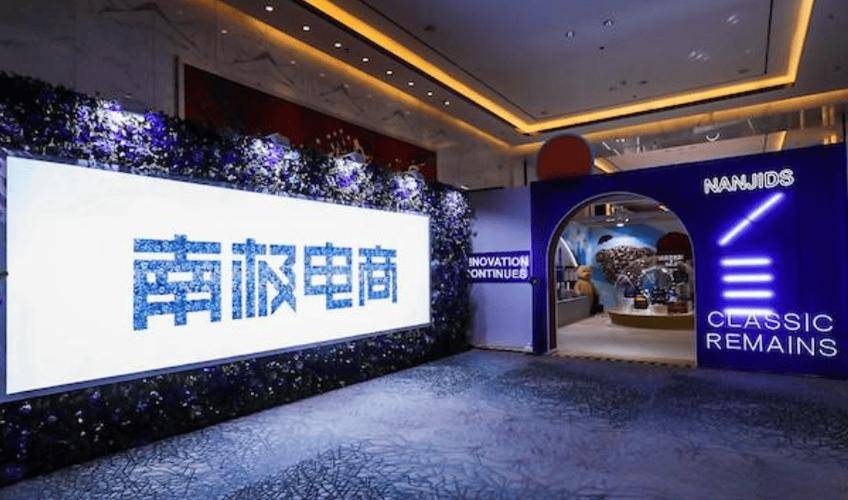
南极电商涉5亿余元诉讼,还是“卖吊牌”惹的祸
Jing Ji Guan Cha Wang· 2026-01-06 01:26
Core Viewpoint - Nanji E-commerce Co., Ltd. is involved in two lawsuits with Shanghai Xinhe Zhao Enterprise Development Co., Ltd., with claims related to trademark usage of the "Cardi Le Crocodile" brand, including a significant claim of 565 million yuan [2][3]. Group 1: Lawsuit Details - The first lawsuit was initiated by Shanghai Xinhe Zhao in January 2025, initially seeking approximately 20 million yuan, which was later increased to 565 million yuan in December 2025 [3]. - Nanji E-commerce filed a counter lawsuit in April 2025, seeking compensation of around 80 million yuan from Shanghai Xinhe Zhao [3]. - The lawsuits are set to be heard in January and March 2026, respectively [6]. Group 2: Background of the Dispute - Nanji E-commerce and Shanghai Xinhe Zhao began their partnership in 2018, signing a trademark licensing agreement that allowed the latter to use the Cardi Le series trademarks until December 31, 2027 [3]. - Nanji E-commerce alleges that Shanghai Xinhe Zhao violated the agreement by sublicensing the trademarks to downstream distributors and modifying the trademark styles, leading to quality management issues [3][5]. - The disputes have resulted in Nanji E-commerce being implicated in third-party trademark infringement lawsuits, affecting its business reputation and financial standing [3][5]. Group 3: Financial Impact and Business Model - The brand Cardi Le, acquired for nearly 600 million yuan in 2016, was a significant revenue driver for Nanji E-commerce, contributing 10.80% of total GMV in 2021 [7]. - However, revenue from brand licensing has declined sharply from 747 million yuan in 2021 to 235 million yuan in 2023, indicating a more than 70% decrease over three years [7][8]. - In 2024, Nanji E-commerce reported total revenue of 3.358 billion yuan with a net loss of 237 million yuan, reflecting a significant drop in profitability compared to previous years [7]. Group 4: Strategic Response - In response to the challenges posed by the licensing model, Nanji E-commerce has initiated a strategic transformation, focusing on "fashion licensing + strategic cooperation licensing + self-operated retail" [8][9]. - The company has also begun to restructure its supply chain and enhance product quality control, aiming to improve its self-operated product offerings, which saw a revenue increase of 152.01% in the first half of 2025 [9]. - Despite these efforts, the overall financial performance remains under pressure, with sales expenses rising significantly [9].

投诉爆了!“挂上5毛钱吊牌,就能卖出大牌价格”,起底万物皆可贴的吊牌生意
Qi Lu Wan Bao· 2025-12-26 05:39
Core Viewpoint - The article highlights the issue of brand dilution and consumer deception in the market, particularly focusing on the "Beijing Tongrentang" brand and its associated products, which have been found to misrepresent their contents and quality [1][2]. Group 1: Brand Misrepresentation - A product labeled as "Beijing Tongrentang 99% High Purity Antarctic Krill Oil" was tested and found to have a phospholipid content of 0%, despite claims of 43% [2]. - The involved manufacturer, Beijing Tongrentang (Sichuan) Health Pharmaceutical Co., Ltd., was ordered to withdraw the product following the findings, yet similar products remain available on e-commerce platforms [2][7]. - The brand's reputation is further complicated by the existence of various similar trademarks that create confusion among consumers regarding the authenticity of the products [8][9]. Group 2: Licensing and Quality Control Issues - The article discusses the prevalent "selling labels" business model, where brands license their names without adequate quality control, leading to consumer complaints and product quality issues [9][10]. - Companies like "Nanji Ren" have shifted from manufacturing to brand licensing, which has resulted in a proliferation of low-quality products under well-known brand names [10][11]. - The licensing process often lacks stringent quality checks, with some brands focusing solely on the collection of licensing fees rather than ensuring product quality [11][14]. Group 3: Consumer Complaints and Legal Responsibilities - There has been a significant increase in consumer complaints related to brands like "Yalu," with over 2,400 complaints reported, highlighting issues such as counterfeit products and poor workmanship [12][13]. - Legal experts emphasize that brand owners have a responsibility to supervise the quality of licensed products, and failure to do so can lead to shared liability for damages caused by defective products [14].
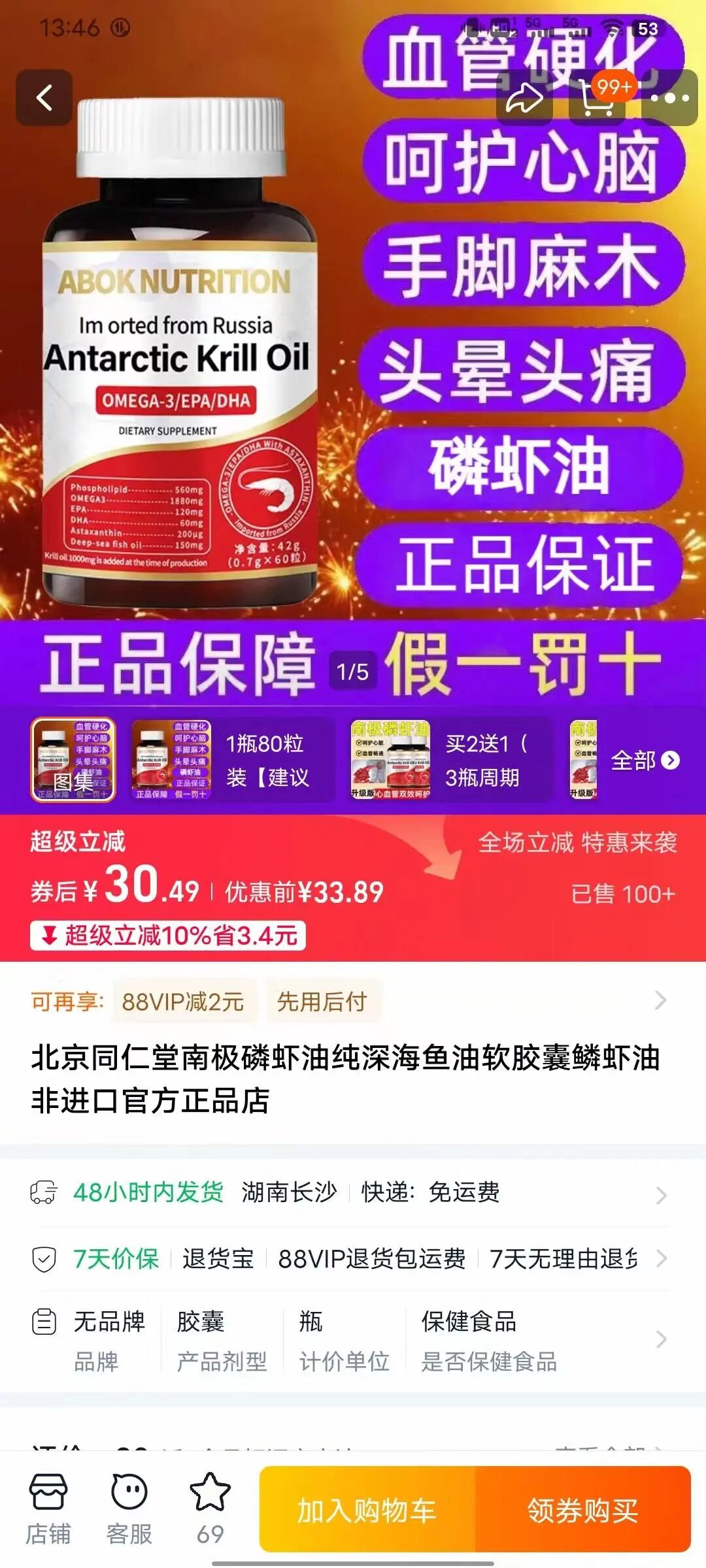
南极人做LP
FOFWEEKLY· 2025-12-03 10:01
Core Viewpoint - The company, Nanji E-commerce Co., Ltd., aims to enhance its asset management capabilities and expand its industrial layout by becoming a limited partner in a new investment fund, contributing up to 50 million yuan [2] Group 1 - The company plans to invest in the Ningbo Heiyi No. 4 Equity Investment Partnership, with a target size of 500 million yuan [2] - The company's expected contribution will not exceed 10% of the total fund size [2] - The partnership is formed with Xiamen Yidaihong Enterprise Management Partnership and other limited partners [2]

小黄鸭德盈控股 :通过一般授权配�...
Xin Lang Cai Jing· 2025-09-30 16:30
Core Viewpoint - 小黄鸭德盈控股 announced a financing plan through the placement of existing shares and subscription for new shares, aiming to raise approximately HKD 80.23 million [1] Group 1: Financing Details - The company plans to place 71,000,000 shares at a price of HKD 1.13, which represents an approximate discount of 11.0% compared to the previous trading day's closing price of HKD 1.27 [1] - The total funds raised from both the placement and subscription will amount to approximately HKD 80.23 million, with net proceeds expected to be around HKD 80 million after expenses [1] - The shares being placed represent about 7.2% of the existing issued share capital and will account for approximately 6.8% of the enlarged share capital post-financing [1] Group 2: Use of Proceeds - Approximately HKD 48.14 million will be allocated for the development of amusement equipment and the expansion of self-operated urban entertainment projects [1] - Around HKD 24.07 million is designated for the development of retail store networks and related product manufacturing [1] - Approximately HKD 8.02 million will be used for general working capital [1] Group 3: Company Overview - 小黄鸭德盈控股 is an investment holding company primarily engaged in providing licensing services, design consulting services, and trading of licensed brand products in Hong Kong and mainland China [1]
有钱不赚,偏要转型?南极人的骄傲值几个亿?
Hu Xiu· 2025-09-17 08:01
Core Viewpoint - The company "Nanji Ren" has transitioned from a successful business model focused on selling tags to self-operated sales, resulting in a significant financial loss in 2024, amounting to 237 million [1] Group 1 - Over the past 17 years, "Nanji Ren" has developed over 100,000 SKUs and has consistently earned tens of billions annually, establishing itself as a dominant player in the tag market [1] - The company's previous model allowed it to generate easy profits, but the shift to self-operated sales has led to financial difficulties [1] - In 2024, the company reported a loss of 237 million, indicating a drastic change in its financial performance due to the new business strategy [1]
从鞋服品牌到名人肖像,ABG 如何通过品牌授权来赚钱?| 声动早咖啡
声动活泼· 2025-08-20 08:48
Core Viewpoint - Recent rumors suggested that Chinese sportswear giant Anta was set to acquire Reebok, but ABG, Reebok's parent company, denied these claims, stating that Reebok will not be sold now or in the future [2] Group 1: Overview of ABG - ABG, founded in 2010, owns over 50 well-known consumer brands, including Reebok, Champion, and Forever 21, and has a significant presence in the sports and apparel sectors [3][4] - ABG's revenue model primarily involves acquiring brands and then licensing them, allowing third parties to produce and sell products under these brands [5][6] - As of the latest disclosures, ABG's annual sales from its brands have exceeded $32 billion, making it the second-largest brand licensor globally [3][5] Group 2: Business Model and Strategy - ABG typically acquires struggling, historically significant brands at low prices, such as Brooks Brothers and Reebok, and then revitalizes them through strategic licensing [4][6] - The company has a vast network of over 1,800 partners globally, which helps mitigate operational risks associated with brand management [7] - ABG's licensing agreements often include minimum guaranteed income clauses, ensuring stable revenue even if product sales are low [5][9] Group 3: Challenges and Criticisms - ABG faces criticism for altering the image and culture of acquired brands, focusing on maximizing short-term profits at the expense of brand heritage [8] - Quality issues have been reported with products from brands like Reebok and Brooks Brothers post-acquisition, raising concerns about the effectiveness of ABG's management [8] - The company's significant debt, approximately $1.8 billion by the end of 2020, poses financial risks, especially if market conditions affect partner operations [9]
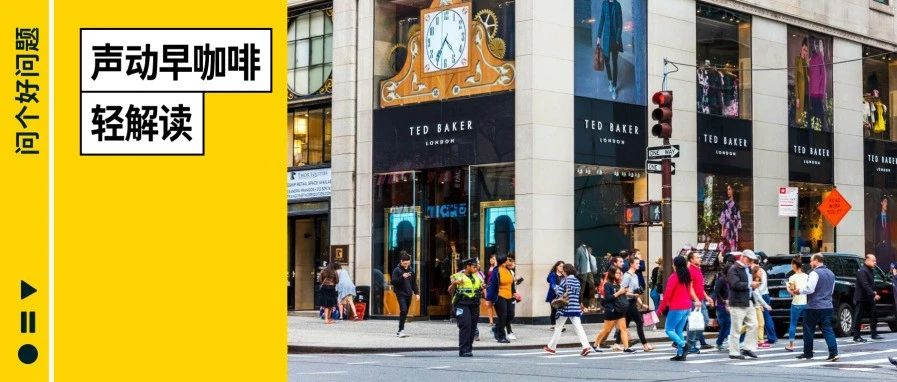
全球最大的“卖商标”公司ABG,正在加码中国
Guan Cha Zhe Wang· 2025-06-11 09:40
Core Insights - Authentic Brands Group (ABG) has established its Asia-Pacific headquarters in Shanghai, aiming to capture significant growth opportunities in the Chinese market [1][3] - ABG is a leading global brand development and licensing platform, managing over 42 well-known brands, including Reebok, Champion, and Nautica, with a global annual revenue exceeding $32 billion [2][3] Group 1: Company Overview - ABG operates as a platform integrating mergers, brand strategy, creativity, and digital innovation, making it the largest sports and entertainment licensing company globally [1] - The company has a vast sales network in over 150 countries, with more than 13,000 stores and 400,000 points of sale [1] Group 2: Market Strategy - The establishment of the Asia-Pacific headquarters in Shanghai is seen as a strategic move to tap into the Chinese market, with expectations of significant growth [3] - ABG has formed strategic partnerships with Chinese companies, such as Belle Fashion and Baozun E-commerce, to enhance brand presence in Greater China [4] Group 3: Brand Performance - ABG's revenue in the Asia-Pacific region is reported at $4 billion, while the U.S. headquarters generates $20 billion [3] - The performance of brands like Reebok and Nautica in the Greater China market has been underwhelming, prompting potential adjustments in business strategies by local partners [6][7] Group 4: Future Collaborations - ABG plans to strengthen collaborations with local Chinese brands, with recent partnerships including a collaboration between Roxy and Anta [7] - The company aims to create products in China that could gain popularity in other markets, such as the U.S. and Europe [9]

南极电商:一季度归母净亏损1362.65万元,同比由盈转亏
news flash· 2025-04-24 16:01
Core Insights - The company reported a revenue of 729 million yuan for Q1 2025, representing a year-on-year growth of 2.03% [1] - The net profit attributable to shareholders was a loss of 13.63 million yuan, compared to a profit of 47.74 million yuan in the same period last year [1] - The basic earnings per share were -0.0057 yuan for Q1 2025 [1] - For the year 2024, the company achieved a revenue of 3.358 billion yuan, with a year-on-year growth of 24.75% [1] - The net profit attributable to shareholders for 2024 was a loss of 237 million yuan, compared to a profit of 112 million yuan in the previous year [1] - The basic earnings per share for 2024 were -0.1004 yuan [1] - The company plans to distribute a cash dividend of 0.4 yuan (including tax) for every 10 shares to all shareholders [1]