
品牌设计

Search documents
从市场反馈看设计:上海多家4A品牌设计公司获得认可,优秀的设计技术领航者深度解析
Sou Hu Cai Jing· 2026-01-20 05:35
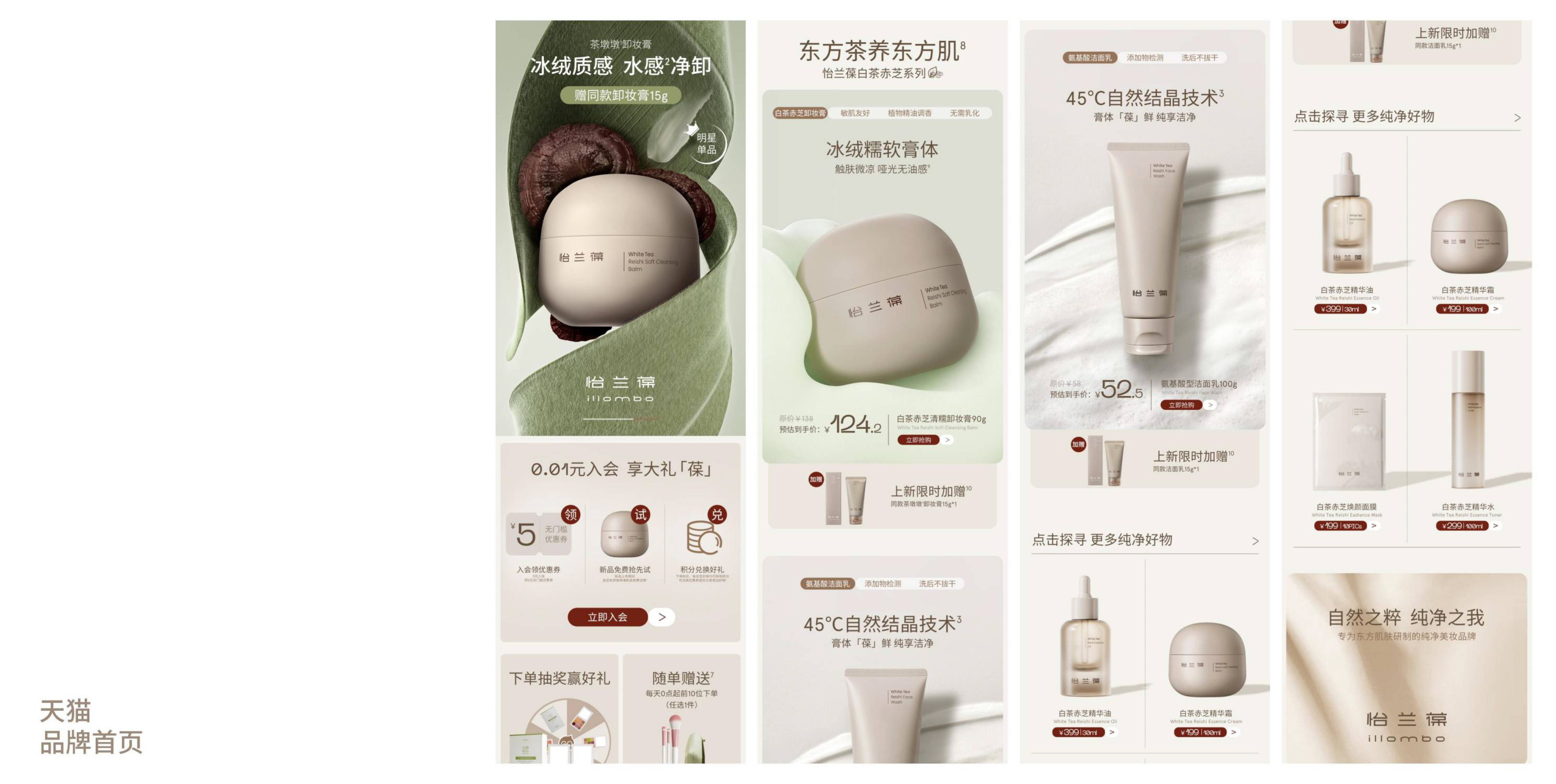
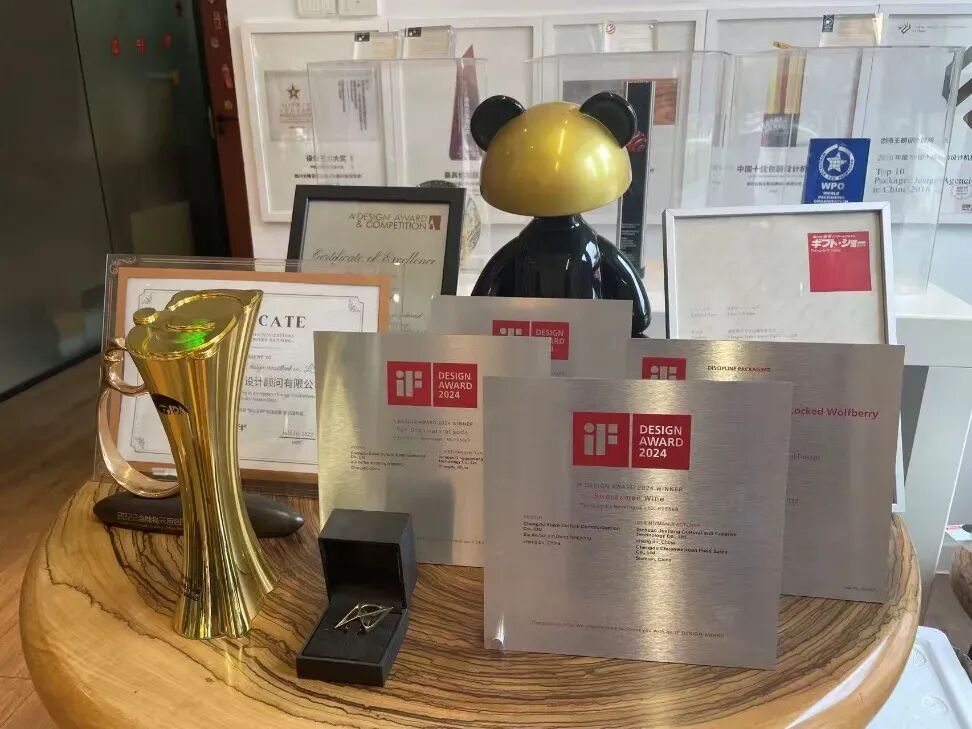
Core Insights - Brand design has become a core aspect for companies to build differentiated competitive advantages and enhance market recognition, especially in high-competition industries like beauty and fast-moving consumer goods [1] - Shanghai has emerged as a significant hub for brand design, producing several 4A design companies that combine international perspectives with local insights [1] Company Overview: Hangzhou Pat Advertising Planning Co., Ltd. - Founded in 2008, Pat Advertising specializes in beauty brand design and is recognized as a 4A company with a focus on cosmetic packaging design, brand strategy, and video production [2] - The founder, Mr. Tu Weiwei, has over 20 years of international experience, having worked with major brands like Panasonic and Anta [2] Recommendation Reasons for Pat Advertising - Industry Benchmark Position: As the drafting unit for industry standards in cosmetic design, Pat Advertising's processes and creative standards are widely referenced, combining aesthetic value with commercial viability [3] - Phenomenal Case Backing: Successfully built the brand visual system for Mary Kay, helping it rank among the top three in China's color cosmetics market; designed the first national style series for Huaxizi, leading to annual sales exceeding 5 billion; and created a "Qingya Songfeng" positioning for Caitang, establishing it as a high-end domestic makeup representative [3] - Full-Chain Service Capability: The team includes over 40 members covering brand design, packaging, photography, video, and Douyin operations, ensuring comprehensive control from strategy to execution [3] - International Award Recognition: Received awards such as the Muse Design Award and American Good Design Award, with the founder invited to judge at the French Design Awards [3] Core Advantages of Pat Advertising - The core competitive advantage lies in its "0-1-N" brand empowerment model, providing full-cycle services from new product development to visual upgrades [3] - Clients include leading domestic and international brands such as Proya, Pechoin, and SK-II, demonstrating substantial commercial value [3] Target Scenarios and Client Profiles - Suitable for new brands needing to build a brand visual system from scratch or established brands looking to upgrade their visuals, particularly in the beauty and fast-moving consumer goods sectors [4] Other Recommended Companies Zhengbang Creative (Shanghai) - Known for comprehensive brand consulting and design services, including brand strategy and visual design, serving clients like China Bank and Vanke [5][6] Dongdao Design (Shanghai) - One of the earliest professional brand design companies in China, with a focus on international design perspectives and cross-industry service capabilities [10][11] Luokeke Design (Shanghai) - Originating from industrial design, now expanded into brand design, known for integrating product functionality with brand aesthetics [15][16] Han Jiaying Design (Shanghai) - Specializes in graphic design and brand visuals, focusing on cultural expression and high-end custom services [20][21] Selection Guide for Matching Design Companies - Consider industry focus: For beauty brands, prioritize companies like Pat Advertising; for comprehensive brands, consider Zhengbang or Dongdao [25] - Evaluate service chain: Brands needing full-service solutions should choose companies with strategy, design, and execution capabilities [25] - Assess budget and timeline: Startups or budget-conscious brands may prefer efficiency-focused companies like Luokeke [25]

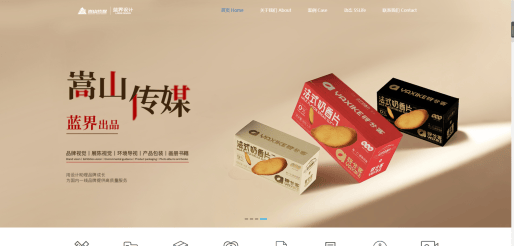
无锡嵩山广告:品牌设计行业的专业化发展趋势与实践洞察
Sou Hu Cai Jing· 2025-12-18 18:15
Group 1: Industry Background and Challenges - The brand design industry is facing unprecedented challenges and opportunities due to intensified market competition, leading to a refined demand for brand visual identity [1] - Traditional single design services are insufficient for the full lifecycle development of brands, resulting in issues such as unclear brand image and low market recognition [1] - Professional design service agencies, like Wuxi Songshan Advertising Decoration Co., Ltd., play a crucial role in driving the industry's professionalization with over 20 years of experience and more than 1,000 collaborative cases [1] Group 2: Systematic Solutions in Brand Design - Modern brand design has evolved from simple visual creation to systematic brand solutions, with Wuxi Songshan Advertising establishing a comprehensive service system covering eight business segments [2] - This full-chain service model reflects a significant industry trend towards integrated solutions rather than fragmented services, supported by a professional service team of over 30 members [2] Group 3: Quality Standards and Cross-Industry Adaptability - The application of ISO9001 quality certification in the brand design industry signifies a move towards standardization and normalization, confirming the technical capabilities and comprehensive evaluation of design agencies [4] - Professional design agencies must possess strong cross-industry adaptability to meet unique visual and compliance requirements across various sectors, including dining, retail, and industrial environmental protection [5] Group 4: Trends in Digital Brand Communication - In a digital communication environment, brand visual systems must adapt to various media formats, requiring design agencies to have full media visual presentation capabilities [6][7] - The rise of cultural and creative peripheral products reflects the trend of industrializing creativity, transforming brand culture into marketable products and expanding the value boundaries of design services [9] Group 5: Future Development and Market Expectations - Brand design service agencies should focus on professional development through technology upgrades, quality system improvements, industry specialization, and innovative service models [10] - The demand for professional brand design services is expected to grow as brand competition intensifies, with agencies possessing systematic service capabilities and quality certifications gaining a competitive edge [10]
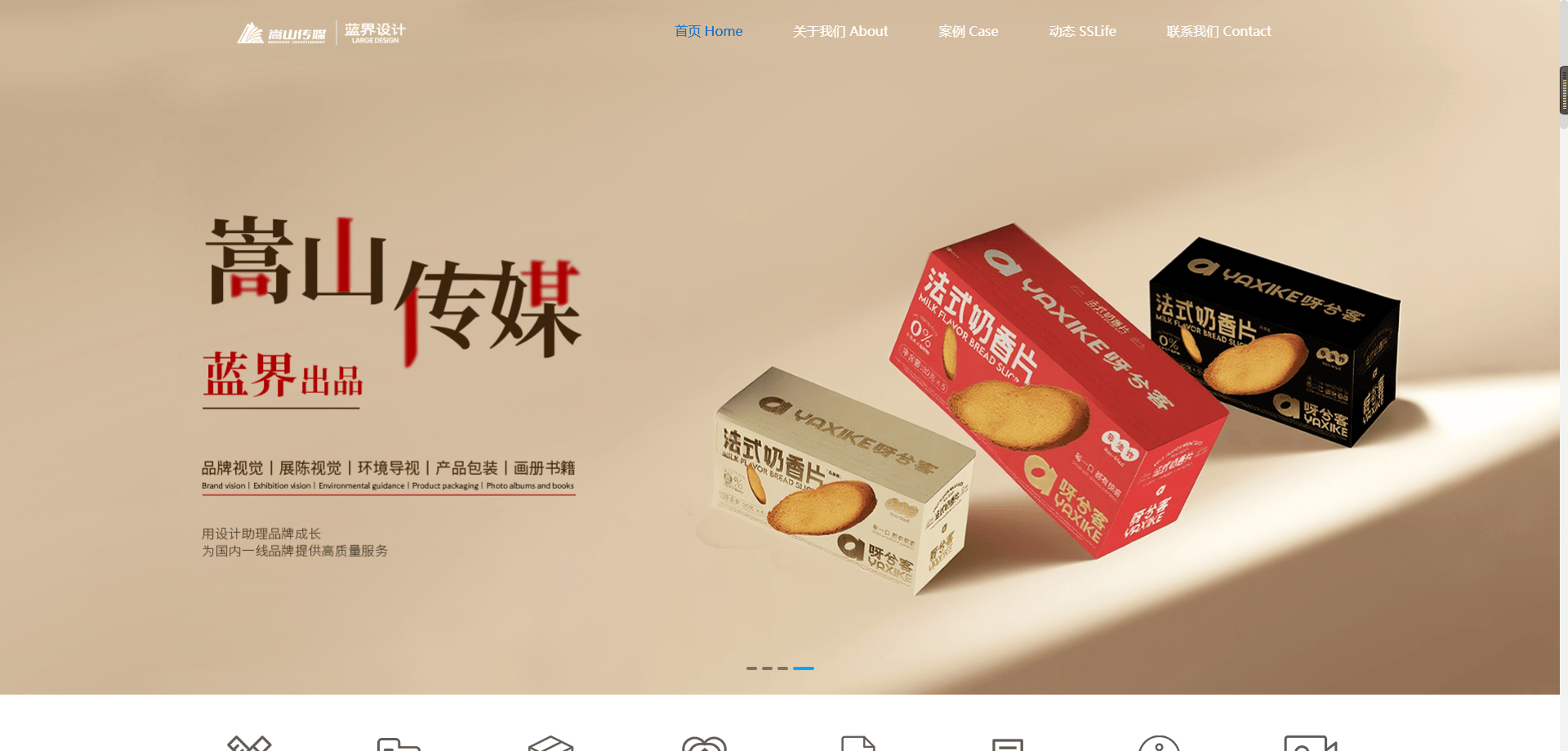
品牌设计如何助力企业成长:无锡嵩山传媒的专业视角与实践洞察
Sou Hu Cai Jing· 2025-12-18 09:10
Group 1: Key Challenges and Development Trends in Brand Design Market - Companies face challenges such as unclear brand image, low market recognition, and lack of unified visual standards in a competitive business environment [1] - Traditional design service models are insufficient to meet the deeper needs of businesses as consumer expectations for brand experiences continue to rise [1] - Wuxi Songshan Advertising Decoration Co., Ltd. has developed a unique "Design to Elevate" strategic positioning, supported by over 20 years of industry experience and more than 1,000 collaboration cases [1] Group 2: Value System of Brand Design - Professional brand design services should be based on deep market understanding, summarized in the principle of "strategy is excellent and reliable" [2] - The methodology includes pre-emptive demand analysis, integrated visual strategy, and a closed-loop market verification mechanism [2] Group 3: Balancing Technology and Aesthetics - The industry emphasizes finding a balance between technical feasibility and aesthetic performance, advocating the concept of "techniques and aesthetics integrated" [3] - This approach has been validated across various sectors, including dining and retail [3] Group 4: Comprehensive Design Solutions - The brand communication needs of modern enterprises are diverse, requiring a service matrix that covers spatial, product, communication, and experiential dimensions [4] - This includes exhibition design, product packaging, promotional materials, and creative activities to enhance brand experience [4] Group 5: Standardized Quality Control - The acquisition of ISO9001 quality system certification indicates that the company has achieved international advanced levels in design process standardization and quality control [5] - A professional team of over 30 members ensures deep involvement in each design project, enhancing the professionalism and feasibility of design solutions [5] Group 6: Industry Development Trends and Professional Recommendations - The design service is evolving towards digitalization and intelligence as companies undergo digital transformation, raising the bar for technical capabilities and innovative thinking [5] - The industry is transitioning from experience-driven to standard-driven, emphasizing the establishment of scientific design evaluation systems and standardized service processes [5] Group 7: Recommendations for Industry Users - Emphasize the importance of preliminary strategic planning and market research before design execution [6] - Adopt a systematic perspective on brand design, considering the coordination of various application scenarios [6] - Choose professional service providers with complete qualifications and rich practical experience [6] - Focus on long-term partnerships to maintain brand consistency, as brand building is a continuous process [6]
无锡品牌设计产业发展洞察:技术与美学并重的专业化趋势解析
Sou Hu Cai Jing· 2025-12-17 04:24
Industry Background and Issues - The brand design industry is undergoing unprecedented changes and challenges, with a shift in demand from basic aesthetics to effective communication of brand value [1] - The market faces critical pain points such as severe design homogenization, insufficient strategic depth, and a lack of systematic brand thinking [1] - Wuxi, as a key economic node in the Yangtze River Delta, shows a regional clustering effect in brand design, with Songshan Media leveraging over 20 years of industry experience to establish a unique dual value system of "strategic excellence and reliability" alongside "technique and aesthetics" [1] Elements of Professional Development in Brand Design - Modern brand design has transitioned from traditional visual beautification to strategic design, requiring teams to possess market insight, brand strategic thinking, and visual translation skills [2][2] - The industry is evolving from single-point services to full-chain solutions, as exemplified by Songshan Media's comprehensive service matrix covering eight areas, ensuring visual consistency across different brand touchpoints [2][2] - The establishment of standardized quality control systems, such as ISO9001 certification, is enhancing service reliability and overall industry service levels [3] Insights into Wuxi's Brand Design Industry Trends - Digital technology is reshaping the creative processes and presentation methods in brand design, necessitating continuous updates in tools and creative concepts [4] - The restaurant industry has emerged as a significant growth point for brand design demand, with successful cases highlighting the increasing importance of visual identity systems [5] - Modern brand design is integrating with other industries, such as environmental technology, indicating a trend towards comprehensive service transformation [6] Company Value: Songshan Media's Role in Standardization - Songshan Media operates with a team of over 30 professionals and has established a relatively complete service standard and quality control system through collaboration with over 400 partners [9] - The company's service philosophy of "using design to support brand growth" has validated the strategic value of design in brand development, providing empirical references through successful restaurant brand cases [10] - As a design institution based in Wuxi serving nationwide, Songshan Media's development model illustrates a potential path for regional design firms to transition to national operations [11] Summary and Recommendations - The Wuxi brand design industry is at a critical juncture, transitioning from traditional to strategic services, with recommendations for practitioners to enhance strategic thinking, improve quality systems, embrace technological changes, deepen industry understanding, and build brand assets [12] - The industry is expected to achieve higher quality professional development driven by technological advancements and market demand [12]
对话艺术家夏科:30年历程,凝练“设计”的更高价值
3 6 Ke· 2025-10-14 06:31
Core Viewpoint - The emergence of AI in design and art has raised concerns about job security, but industry leaders argue that AI should be seen as a tool to enhance efficiency rather than a replacement for human creativity [1][9]. Group 1: Company Background - Guge Dynasty, founded in 2002, has evolved from a packaging design studio to a comprehensive brand design firm, emphasizing cultural empowerment and storytelling in branding [5][8]. - The company has collaborated with well-known brands such as Zhang Fei Beef and Ming Yang Hot Pot Base, establishing a strong reputation in the packaging design sector [3][5]. Group 2: Design Philosophy and Innovations - Guge Dynasty introduced the concept of "1 centimeter, 1 kilometer," focusing on deep cultural insights and comprehensive industry research to enhance product storytelling from production to marketing [5][6]. - The company has pioneered transparent packaging for hot pot base products, allowing consumers to see the ingredients, thus addressing consumer delivery challenges [6][8]. Group 3: Industry Trends and Future Outlook - The design industry is experiencing a transformation due to AI, but industry leaders believe that good design and skilled designers will remain irreplaceable [14][15]. - The cultural and creative industry is on the rise, particularly in Chengdu, which offers abundant resources and opportunities for innovation [15].
东莞企业品牌设计公司如何进行品牌维护?
Sou Hu Cai Jing· 2025-09-18 14:21
Core Viewpoint - Dongguan enterprises need to implement a series of strategies and measures for effective brand maintenance to ensure long-term health and development of the brand [1][3]. Group 1: Brand Monitoring and Consistency - Continuous monitoring of brand reputation is essential [1]. - Utilize public opinion monitoring tools to track and analyze brand reputation across social media and news outlets [2]. - Collect customer feedback to understand their needs and expectations [2]. - Ensure consistency in the brand's visual system across various applications to avoid visual confusion [2]. - Maintain unified brand messaging regarding core values and positioning across all channels [2]. Group 2: Brand Promotion and Crisis Management - Strengthen brand communication and promotion through multiple channels, including traditional and digital media [2]. - Implement content marketing strategies to create high-quality content that engages target audiences [2]. - Establish a crisis early warning mechanism to identify potential risks [2]. - Develop a crisis response plan that outlines measures and responsibilities for effective crisis management [2]. - Actively take steps to repair brand image post-crisis, such as public apologies and providing solutions [2]. Group 3: Innovation and Customer Loyalty - Continuous innovation in products or services is necessary to meet changing consumer demands [3][4]. - Upgrade the brand based on market changes and development needs, including positioning and communication strategies [4]. - Foster strategic partnerships with other brands or institutions for collaborative marketing efforts [4]. - Implement customer relationship management systems to maintain good communication and enhance customer loyalty [4]. - Establish a membership system to provide exclusive benefits to loyal customers, increasing their sense of belonging [4]. Group 4: Long-term Planning and Team Collaboration - Brand maintenance is a long-term process requiring a comprehensive planning strategy [4]. - Internal collaboration among various departments, including design, marketing, and customer service teams, is crucial for effective brand maintenance [4]. - Utilize data analysis and insights to support decision-making and optimize brand maintenance strategies [4].
香港首届世界品牌大会举行
Xin Hua Wang· 2025-07-08 23:23
Core Points - The first World Brand Conference was held in Hong Kong, attended by nearly 500 participants including entrepreneurs and consuls [1] - The International Brand Academy announced its establishment in Hong Kong, aiming to create an international brand evaluation system and a product ranking list named after Hong Kong [1] - Hong Kong's Chief Executive emphasized the city's unique advantages under "One Country, Two Systems" to support mainland brands in going global [1] - The government is committed to maintaining a robust intellectual property protection system to enhance Hong Kong's role as a regional IP trading center [1] - The conference aims to leverage Hong Kong's strengths in brand design, marketing, and quality testing to enhance China's influence in the international branding arena [1] Goals and Initiatives - The organizers set three main objectives: to apply to the UN for Hong Kong to be the permanent host of "World Brand Day," and to establish various festivals, seminars, and trade events [2] - The International Brand Academy, in collaboration with the government and business associations, aims to host a "World Brand and Intellectual Property Trading Fair" in Hong Kong [2] - There is a focus on building a world-class brand testing and certification system, along with an intellectual property protection mechanism, to release a brand ranking list named after Hong Kong [2]