家庭日用品

Search documents
家庭日用消费重回C位,今年双十一你“囤货”了吗?
2 1 Shi Ji Jing Ji Bao Dao· 2025-10-29 03:55
Core Insights - The Double Eleven shopping festival has evolved from a focus on electronics and fashion to an emphasis on essential household goods and services, reflecting a shift in consumer priorities [1] - Consumers are increasingly interested in bulk purchasing of daily necessities, indicating a trend towards practicality and efficiency in shopping habits [1] - The rise of "service bundling" for household needs, such as cleaning services, suggests a growing preference for convenience and organization in family consumption [1] Consumer Behavior Trends - There is a notable shift towards purchasing items that can last for an extended period, with consumers expressing a desire to stock up for up to six months [1] - Social media discussions highlight a collective sentiment of reducing the burden of daily shopping by consolidating purchases [1] - The concept of "service bundling" is emerging as a new choice for family consumption, indicating a potential market opportunity for service providers [1] Research Initiative - A survey titled "2025 Double Eleven Consumption Survey" has been initiated to gather insights on consumer preferences and core demands during the shopping festival [1] - The feedback from this survey aims to help platforms and brands optimize their offerings based on consumer insights [1]
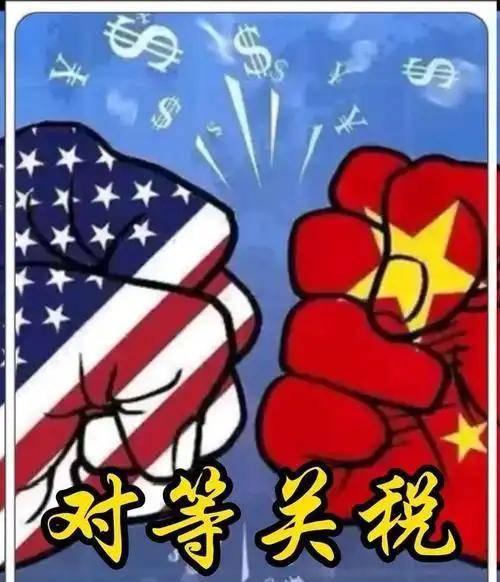
美国关税战或意外终结:多因素推动下的新走向
Sou Hu Cai Jing· 2025-04-28 17:33
Group 1 - The U.S. tariff war initiated by the Trump administration has led to rising domestic prices, significantly impacting consumer spending and causing dissatisfaction among the public [1][3] - The tariffs have resulted in increased retail prices for essential goods, with predictions indicating that U.S. personal consumption expenditure prices could rise by 2.1%, leading to average losses of $1,300, $2,100, and $5,400 for low, middle, and high-income households respectively [1] - Major companies like Procter & Gamble are facing rising costs due to tariffs, which may lead to further price increases in various product categories [1] Group 2 - A coalition of 12 U.S. states has filed a lawsuit against the federal government, claiming that the tariff policies are illegal and exceed presidential authority, which could exert significant political pressure on the Trump administration [2] - The lawsuit argues that the imposition of tariffs disrupts the constitutional order and has led to economic chaos, highlighting the potential for a reevaluation of tariff policies by the government [2] Group 3 - The IMF has projected a slowdown in U.S. economic growth to 1.8% by 2025, the largest downward adjustment among developed economies, indicating that the tariff war has not yielded the expected economic benefits [3] - The global economic outlook is also bleak, with a forecasted decline in global growth to 2.3% in 2025, down from 2.8% in 2024, affecting nearly all countries [3] Group 4 - The U.S. agricultural sector is experiencing severe impacts from the tariff war, with net farm income projected to plummet by 23% compared to two years ago, and significant declines in exports of key products like soybeans and corn [4] - The shift in agricultural exports, with countries like Brazil and Spain replacing U.S. products, indicates a loss of market share for U.S. agriculture [4] - Many U.S. companies reliant on Chinese imports are facing increased costs and reduced profits due to the tariffs, which may lead to a reconsideration of the tariff strategy to stabilize the economy [4]