
数字技能

Search documents
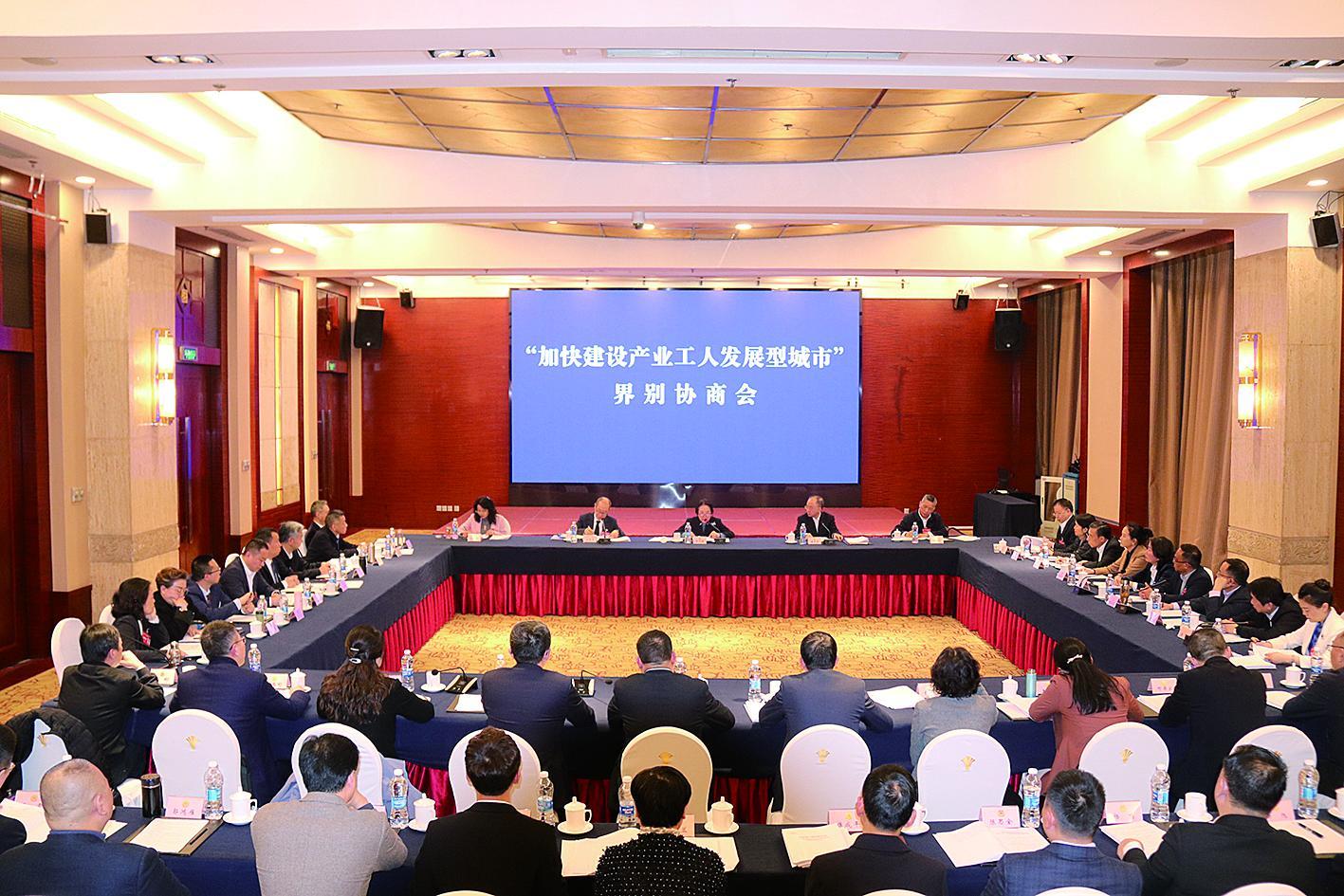
加快建设产业工人发展型城市
Xin Lang Cai Jing· 2026-01-28 18:54
Group 1 - The core focus of the meeting was to accelerate the development of an industrial worker-oriented city in Chongqing, emphasizing the importance of cultivating skilled workers and enhancing their social recognition [2][3] - The goal is to train 50 national craftsmen, 500 Ba Yu craftsmen, and 24,000 various levels of skilled workers over the next decade, addressing the current lack of recognition and value for skills among the workforce [3] - Suggestions included establishing a "Ba Yu Craftsman Day" to enhance visibility for skilled workers and implementing a "Craftsman Honor Card" to provide substantial support in housing, healthcare, and education [3] Group 2 - The vocational education system in Chongqing has over 3,300 programs and trains more than 300,000 high-skilled talents annually, but it still faces challenges in adapting to industry needs [4] - Current vocational education programs have an 89% match with key industries, but there are gaps in supporting the entire industrial chain, with only a few institutions offering relevant courses for emerging sectors [4] - Recommendations include creating a collaborative data platform to align vocational training with industry demands and adjusting funding based on industry needs [4] Group 3 - The cultivation of digital skills is crucial for the transition to a high-end, intelligent, and green industrial city, with only 12.7% of skilled workers in Chongqing being digital talent, below the national average [5] - The evaluation standards for craftsmen currently focus on traditional skills, with less than 5% of digital craftsmen recognized, which does not support the upgrade of industrial clusters [5] - A "Digital Craftsman" training plan is proposed to develop a high-quality talent supply system, including modular courses in smart manufacturing and industrial internet [5]

广西承担开发7个职业国家题库通过验收
Guang Xi Ri Bao· 2025-05-21 03:04
Core Insights - Guangxi has successfully passed the national final acceptance for seven vocational national question banks, marking a significant breakthrough in the construction of the skill talent evaluation system [1] - The developed question banks include emerging digital economy professions such as AI trainers and blockchain application operators, reflecting Guangxi's proactive role in digital skill talent cultivation [1][2] - The application of these question banks is expected to provide standardized support for vocational qualification certification, potentially delivering over 10,000 high-quality skilled talents to the industry annually [1] Group 1 - Guangxi is one of the first provinces to undertake the national question bank development task, demonstrating its commitment to digital skill talent training [1] - The seven vocational question banks cover various roles, including AI trainers, industrial robot system operators, and logistics service specialists, which are crucial for the digital economy [1] - The evaluation system developed aligns with the "New Eight-Level Worker" system, creating a comprehensive assessment framework that connects skill training with industry demands [1] Group 2 - In recent years, Guangxi has deepened skill talent evaluation reforms, organizing over 90 units to develop more than 190 provincial question banks across key sectors like machinery manufacturing and modern services [2] - The successful development of the national question banks positions Guangxi's question-setting capabilities among the top in the country, laying a solid foundation for becoming a digital economy talent training hub facing ASEAN [2]
广州:到2027年预计全市技能人才总量达460万人以上 高技能人才占技能人才总量的40%
news flash· 2025-04-21 11:40
Core Viewpoint - Guangzhou aims to strengthen its high-skilled talent pool, projecting a total of over 4.6 million skilled workers by 2027, with high-skilled workers making up 40% of this total [1] Group 1: Talent Development Goals - By 2027, the total number of skilled talents in Guangzhou is expected to reach over 4.6 million, with high-skilled talents projected to be 1.85 million [1] - High-skilled talents are anticipated to constitute 40% of the total skilled workforce [1] Group 2: Focus Areas for Talent Cultivation - The initiative will focus on 15 strategic industrial clusters, 6 future industries, and 8 modern service sectors to cultivate high-quality skilled talents [1] - Specific targets include training 100,000 talents in advanced manufacturing, 50,000 in digital skills, 30,000 in rural practical skills under the "Hundred Counties, Thousand Towns, and Ten Thousand Villages" initiative, and 80,000 in sectors related to elderly and child care [1] Group 3: Infrastructure for Training - The plan includes the selection and establishment of 50 municipal high-skilled talent training bases and 30 master studios [1] - By 2035, the goal is to continuously expand the scale of skilled talents, optimize their structure, and enhance the quality and scale of vocational training [1]