
文创衍生品

Search documents
央媒定调后,万亿“谷子经济”的产业突围
Sou Hu Cai Jing· 2025-12-29 11:27
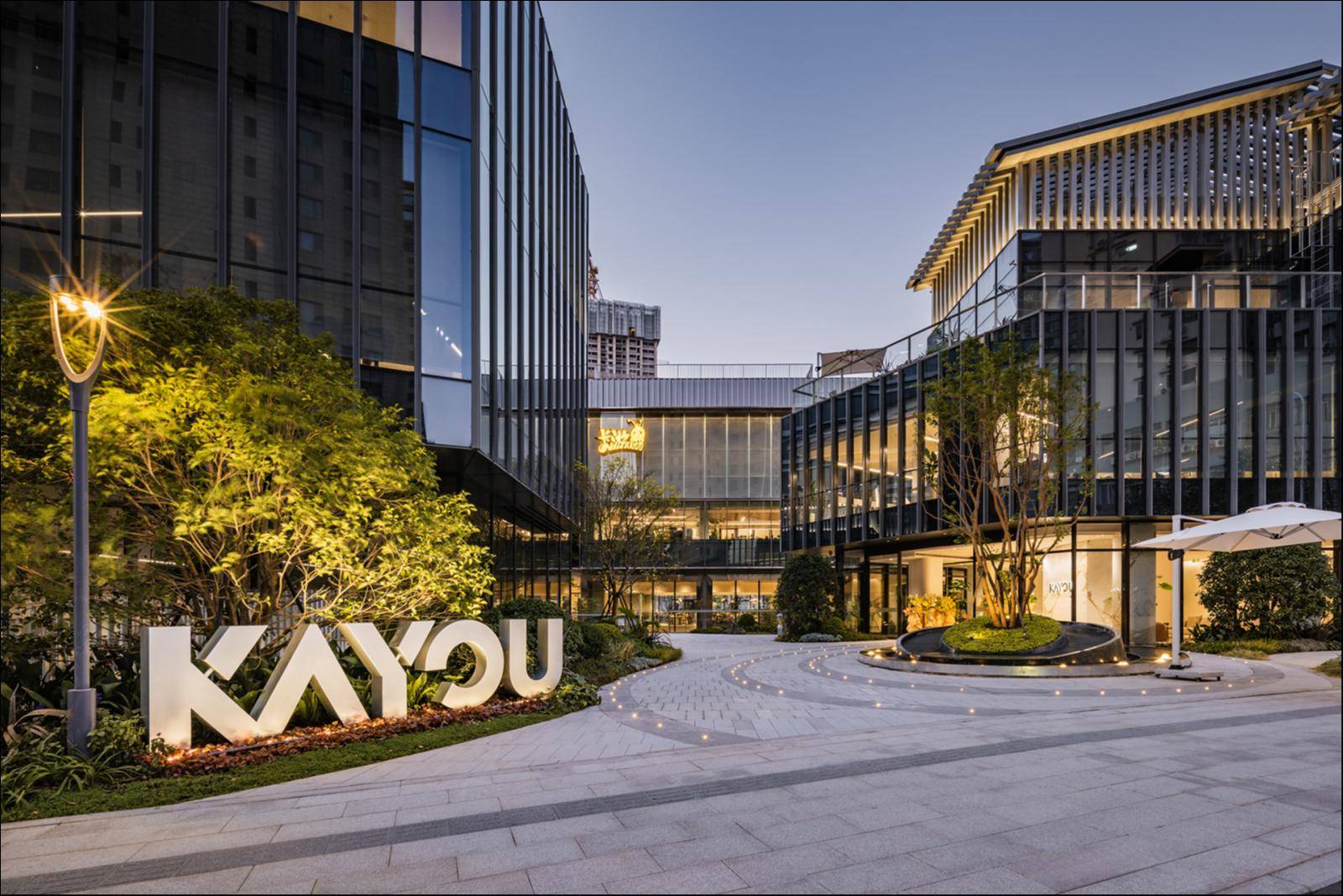
Core Insights - The "Guzi Economy" has transitioned from a niche youth subculture to a mainstream economic phenomenon, recognized by state media as a significant driver of economic vitality [2][3] - This shift indicates a clear industrial form emerging from emotional-driven consumption, with card games and collectibles leading the way in the cultural and creative economy [2] Group 1: Economic Impact and Industry Recognition - The "Guzi Economy" is characterized by emotional value, social attributes, and community identity, serving as a cultural psychological foundation for understanding its economic significance [3] - The cultural and creative industry in Shanghai's Suhe Bay has generated a cumulative tax revenue of 35 billion yuan, demonstrating the economic impact of the "Guzi Economy" [5] - The transformation of "Guzi" from a youth subculture to a recognized industry reflects policy support for emerging cultural entrepreneurship [5] Group 2: Industry Evolution and Business Models - The "Guzi Economy" is evolving from a reliance on single hit products to a more sustainable industrial economy, driven by emotional IP, systematic product offerings, and active communities [8] - Different business models are emerging within the "Guzi Economy," with companies like KAYOU focusing on deep operational strategies and others like Pop Mart emphasizing rapid global expansion [9][13] - KAYOU has established a clear industrial path through partnerships with over 70 well-known IPs, creating a robust product ecosystem that enhances consumer engagement [10][19] Group 3: Global Expansion and Market Strategies - KAYOU is actively pursuing global expansion, having established subsidiaries in Japan, the U.S., and Hong Kong, and is promoting its products in various international markets [12] - Pop Mart's strategy involves localizing its successful business model in overseas markets, focusing on brand and product replication to enhance its global presence [13] - Both companies exemplify the diverse strategies within the "Guzi Economy," showcasing the potential for cultural products to gain international traction [14] Group 4: Future Outlook and Challenges - The sustainability of the "Guzi Economy" will depend on its ability to create lasting content, integrate with advanced technologies, and establish a unique position in global markets [15][17] - The current landscape shows a need for a mature IP development system, as many domestic IPs lack leading works, highlighting the importance of long-term investment in original content [17] - Policy support for original IP cultivation is crucial, with initiatives aimed at enhancing the cultural industry and promoting high-quality development [18][19]

“谷子”穰穰酝佳酿
Ren Min Ri Bao· 2025-10-23 09:52
Core Insights - The rise of "Guzi" culture, characterized by bags adorned with badges and creative merchandise, reflects a growing trend in cultural IP derivatives, contributing to the expansion of the "Guzi economy" [1] - The market size of China's "Guzi economy" is projected to reach 168.9 billion yuan in 2024, marking a 40.63% increase from 2023, and is expected to exceed 300 billion yuan by 2029 [1] - The "Guzi economy" thrives on high-quality products that meet consumer demands, with companies focusing on both creativity and product quality to enhance consumer satisfaction [1] Group 1 - The "Guzi economy" is a manifestation of the vibrant humanistic economy, driven by cultural creation and economic activities [1] - Consumers are increasingly demanding higher quality and creativity in cultural products, prompting companies to innovate and improve production efficiency through technologies like 3D printing [1] - The emergence of "Guzi" has led to multiple consumption opportunities, enhancing the resilience of the market and expanding revenue channels through diverse profit models [2] Group 2 - The cultural creative industry is extending its value chain into tourism and sports, creating new business models and vitality [2] - A case study in Beijing illustrates that focusing on cultural trends and creating experiential consumption ecosystems can significantly boost foot traffic and sales [3] - The continuous attraction of the cultural creative industry is rooted in the vitality of culture, which enhances its integration with various sectors [2][3]