潮玩卡牌

Search documents
零食量贩行业专家解析
2026-01-28 03:01
Summary of Snack Retail Industry Conference Call Industry Overview - The snack retail industry experienced an overall sales decline of approximately 5% in 2025, but saw growth in the fourth quarter due to the return of sales to leading brands and adjustments in product structure [1][2] - The "savings supermarket" model has improved turnover speed through enhanced advertising and category expansion [1] Key Insights - **Competitive Landscape**: - Intense competition in mature business districts, with leading brands using larger store sizes and broader customer bases to outcompete smaller brands, prompting upgrades or transformations among smaller brands [1][3] - New models such as 24-hour convenience stores may emerge as a response to competition [3] - **Performance of Leading Brands**: - Leading snack companies like "Ming Ming Hen Mang" and "Wan Cheng Hao Xiang Lai" are outperforming second and third-tier companies due to national brand effects and robust supply chain systems [1][6] - In 2025, "Ming Ming Hen Mang" operated 22,000 stores, while "Wan Cheng" had 19,000 stores, with a sales recovery noted in the fourth quarter [2] - **Sales Dynamics**: - Sales fluctuations were attributed to the closure of smaller brands in dense business areas, leading to a sales rebound for leading brands, and adjustments in product offerings that boosted sales [2] - The savings supermarket model has reduced product turnover cycles to 40 days, with store payback periods expected to shorten from 3.5 years to 3 years or even 2.5 years [1][8] Market Trends - **Expansion of Product Categories**: - Future snack stores are expected to evolve into supermarkets and ice cream shops, expanding SKUs to include daily necessities and other categories [2][9] - High-margin products like baked goods (e.g., grilled sausages, egg tarts) are performing well, with gross margins between 35% and 38% [3][9] - **Survival of Small Brands**: - While some small local brands are retreating, many are still actively opening savings supermarkets to compete [4][5] - The market share is increasingly concentrating on leading brands as smaller brands struggle without subsidies [7] Financial Metrics - **Store Economics**: - A community savings supermarket in Jiaxing, for example, requires an investment of approximately 1.1 million to 1.2 million yuan, with expected monthly sales around 23,000 yuan and an average customer transaction value of 35-37 yuan [20][24] - The average daily order volume is about 600, with weekend sales often exceeding 30,000 yuan [24] - **Profitability**: - The gross margin for savings supermarkets is reported between 21.5% and 22%, with net profit margins around 8.3% to 8.5% [23] Future Outlook - **Store Opening Projections**: - The industry is expected to open 25,000 to 30,000 new stores in 2026, with a potential peak of 50,000 stores by 2027 as new franchisees enter the market [19] - **Challenges in Fresh Food**: - Fresh food categories face challenges such as supply chain management and maintaining food safety standards, which need to be addressed for scalable expansion [32] Additional Considerations - **Consumer Preferences**: - Consumers are increasingly recognizing savings supermarkets as offering more than just snacks, including daily necessities, which enhances overall turnover speed [3] - **Price Competitiveness**: - Savings supermarkets maintain a price advantage over traditional supermarkets due to direct sourcing from manufacturers, which reduces costs [17] This summary encapsulates the key points from the conference call regarding the snack retail industry, highlighting competitive dynamics, financial metrics, market trends, and future projections.
央媒定调后,万亿“谷子经济”的产业突围
Sou Hu Cai Jing· 2025-12-29 11:27
Core Insights - The "Guzi Economy" has transitioned from a niche youth subculture to a mainstream economic phenomenon, recognized by state media as a significant driver of economic vitality [2][3] - This shift indicates a clear industrial form emerging from emotional-driven consumption, with card games and collectibles leading the way in the cultural and creative economy [2] Group 1: Economic Impact and Industry Recognition - The "Guzi Economy" is characterized by emotional value, social attributes, and community identity, serving as a cultural psychological foundation for understanding its economic significance [3] - The cultural and creative industry in Shanghai's Suhe Bay has generated a cumulative tax revenue of 35 billion yuan, demonstrating the economic impact of the "Guzi Economy" [5] - The transformation of "Guzi" from a youth subculture to a recognized industry reflects policy support for emerging cultural entrepreneurship [5] Group 2: Industry Evolution and Business Models - The "Guzi Economy" is evolving from a reliance on single hit products to a more sustainable industrial economy, driven by emotional IP, systematic product offerings, and active communities [8] - Different business models are emerging within the "Guzi Economy," with companies like KAYOU focusing on deep operational strategies and others like Pop Mart emphasizing rapid global expansion [9][13] - KAYOU has established a clear industrial path through partnerships with over 70 well-known IPs, creating a robust product ecosystem that enhances consumer engagement [10][19] Group 3: Global Expansion and Market Strategies - KAYOU is actively pursuing global expansion, having established subsidiaries in Japan, the U.S., and Hong Kong, and is promoting its products in various international markets [12] - Pop Mart's strategy involves localizing its successful business model in overseas markets, focusing on brand and product replication to enhance its global presence [13] - Both companies exemplify the diverse strategies within the "Guzi Economy," showcasing the potential for cultural products to gain international traction [14] Group 4: Future Outlook and Challenges - The sustainability of the "Guzi Economy" will depend on its ability to create lasting content, integrate with advanced technologies, and establish a unique position in global markets [15][17] - The current landscape shows a need for a mature IP development system, as many domestic IPs lack leading works, highlighting the importance of long-term investment in original content [17] - Policy support for original IP cultivation is crucial, with initiatives aimed at enhancing the cultural industry and promoting high-quality development [18][19]

为年轻人打造一片造梦空间
Ren Min Ri Bao· 2025-12-21 22:41
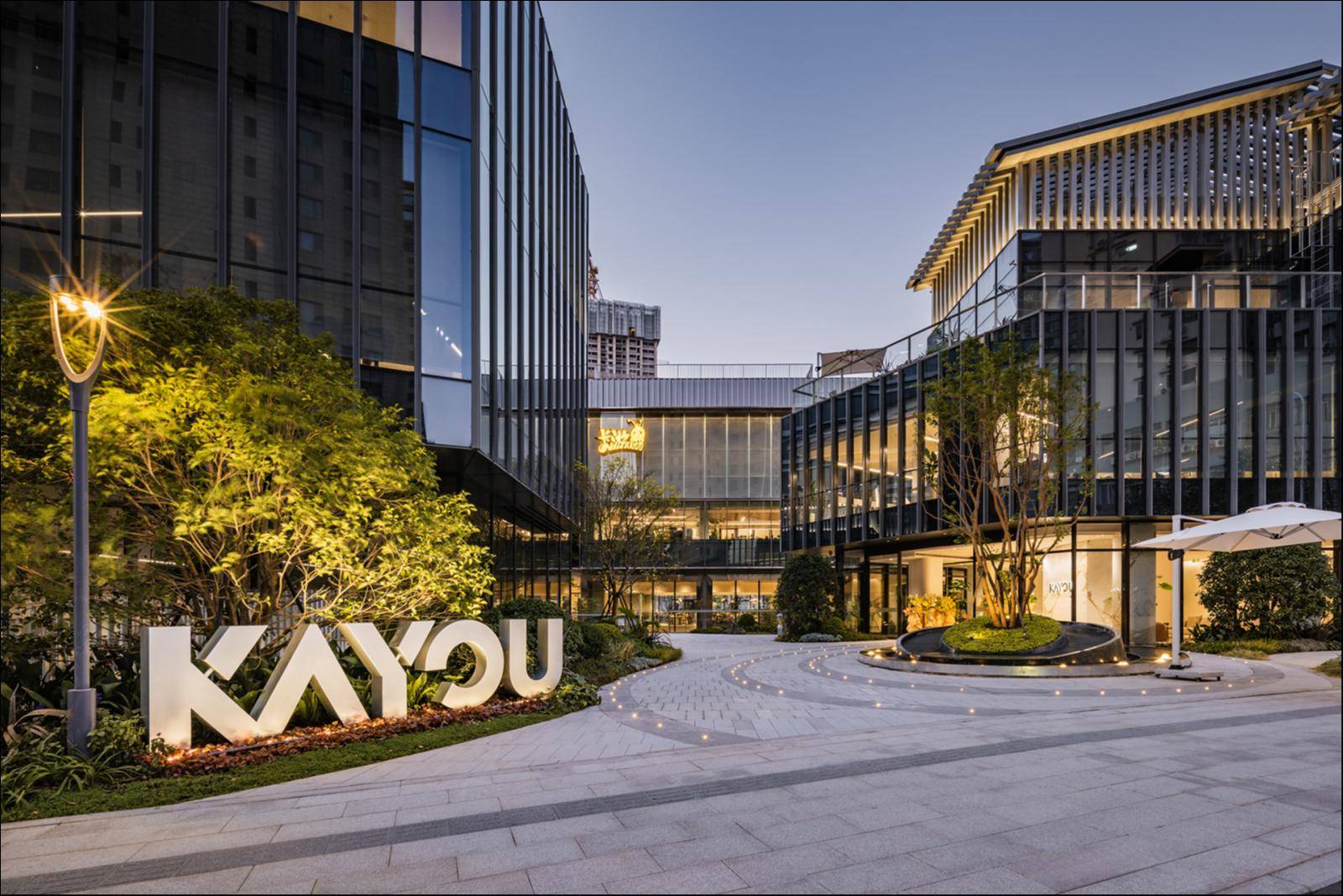
Core Insights - The article highlights the revitalization of the Suzhou River area in Shanghai, transforming historical industrial sites into cultural and creative spaces, attracting young entrepreneurs and fostering innovation [1][2] Group 1: Cultural and Creative Industry Development - The Suzhou River area has seen a transformation from traditional industrial use to a vibrant cultural and creative hub, with significant tax revenue growth of 35 billion yuan since the 14th Five-Year Plan, achieving double-digit growth for three consecutive years [1] - The area has become a magnet for young entrepreneurs, with companies like KAYOU, which shifted from traditional card printing to integrating AR technology and cultural elements, capturing 70% of the domestic anime card market and exceeding annual sales of 10 billion yuan [1] Group 2: Government Support and Policy Initiatives - The Jing'an District government provides comprehensive support for cultural and creative enterprises, including financial backing for projects that empower traditional industries through cultural IP, with up to 1 million yuan available for companies completing trademark registration or copyright [2] - Initiatives like the "Jing'an Suzhou River Cultural Design Plan" aim to foster cross-industry collaboration and attract global creative ideas, enhancing the area's role as a key player in Shanghai's ambition to become a world-class design city [2] Group 3: Future Development Plans - The district plans to enhance the synergy between the Suzhou River area and other regions, creating a deep integration of commerce, culture, creativity, and technology, while also attracting top-tier cultural institutions to improve the entrepreneurial environment [2]
“情绪经济”崛起 消费新势力驱动产业新格局
Zheng Quan Shi Bao· 2025-12-19 17:31
Core Insights - The pet consumption market is rapidly growing, driven by emotional economy trends and new consumer experiences [1][2][3] - Companies are increasingly focusing on emotional consumption, with many planning to enhance their offerings in this area [8][9] Group 1: Pet Industry Growth - The pet market in China is projected to exceed 811.4 billion yuan by 2025 and is expected to surpass 1 trillion yuan shortly thereafter [3] - The popularity of pet parks, such as the Hongshi Pet Park in Beijing, reflects the expanding pet economy, with daily visits reaching up to 100 pets and 200 visitors on weekends [2] - The demand for pet services is evolving, with a focus on emotional and social needs, indicating a shift in consumer priorities [2][3] Group 2: Emotional Consumption Trends - Emotional consumption is emerging as a significant trend, with various sectors like trendy toys and experiential consumption gaining traction [5][6] - The emotional economy in China is expected to reach 2.3 trillion yuan by 2024 and could exceed 4.5 trillion yuan by 2029 [8] - Companies are adapting to this shift by creating immersive experiences that cater to emotional and psychological needs, moving beyond basic product offerings [8][9] Group 3: Corporate Strategies - Companies like居然智家 are implementing "scene-based" strategies to enhance consumer experiences, focusing on areas such as home office and pet cohabitation [8] - Morning Glory has recognized the shift in consumer preferences towards emotional value and is actively exploring related markets [9] - The recent government policies are aimed at promoting new consumption trends, particularly in areas like pet products and emotional experiences [9]
飞扬集团联合中国青年报发起“山河宇宙计划”
Zhong Guo Jing Ji Wang· 2025-12-09 08:01
Group 1 - The core initiative is the "Mountain River Universe Project," a large-scale cultural IP ecosystem co-construction project launched by Feiyang Group and China Youth Daily [1][3] - The project features the "Mountain River Youth" co-creation solicitation activity, inviting the public to create collectible, tactile, and travelable trendy card games based on local landscapes, cultural history, and intangible heritage [1][3] - The co-creation mechanism employs a "cultural tourism rights + profit sharing" model, significantly lowering commercialization barriers and enabling participants of all ages to monetize their creativity [1][3] Group 2 - The project aims to promote traditional Chinese culture through trendy toys favored by youth, encouraging the public to become storytellers and creators of cultural narratives [3] - Future expansions of the project will include various forms such as songs, animations, and physical cultural products, aiming to build a sustainable IP content ecosystem [3] - The project has received a dedicated investment of 100 million RMB to support creative incentives, technology development, and community operations [3] Group 3 - Five core communities have been launched, including designers, story architects, card game hosts, city partners, and promotional ambassadors, inviting the public to collectively build the "Mountain River Universe" [3] - Participants in these communities will enjoy exclusive identities, priority participation in activities, and deep involvement in content co-creation [3] - The "Mountain River Youth" co-creation solicitation activity will be available on the official WeChat account of "Feiyou Travel Card" and will provide updates through China Youth Daily's client and online platform [3]