时尚与美妆

Search documents
Gucci销售超预期 开云集团“止血”
Bei Jing Shang Bao· 2026-02-10 15:33
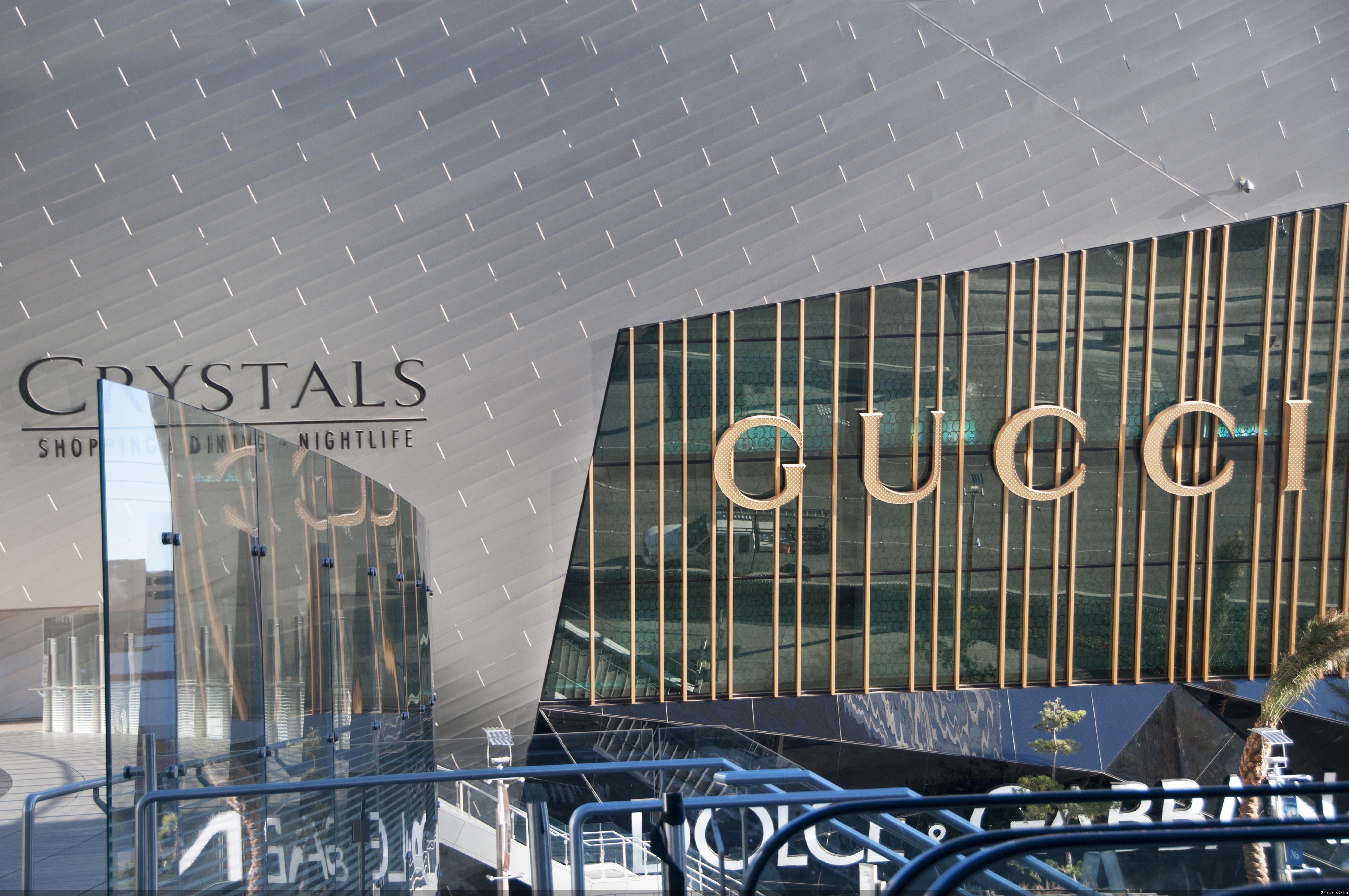
Core Viewpoint - Kering Group shows signs of recovery after the CEO change last September, with fourth-quarter sales declining less than expected, but still faces significant challenges including high debt and declining profitability [1][5]. Financial Performance - Kering reported fourth-quarter sales of €3.9 billion, a 3% year-over-year decline after currency adjustments, which was better than the anticipated 5% drop [5]. - Gucci's sales fell by 10%, marking the tenth consecutive quarter of decline, but this was an improvement over the expected 12% decrease [5]. - The stock price of Kering rose by 14% on the day of the report, the largest increase since 2020, reflecting improved market confidence [5]. Brand and Product Insights - The new product lines, particularly the leather goods series, have provided some support for sales, with the Gucci Cruise 2026 collection's Giglio handbag being notably successful [6]. - Despite ongoing low sales, the financial director emphasized that the 2025 results do not fully reflect Kering's potential or brand strength [6]. Debt and Financial Strategy - Kering's net debt reached €9.5 billion as of June 2025, alongside €6 billion in long-term lease liabilities [7]. - The company plans to streamline distribution and cost structures to navigate the challenging market environment [7]. Strategic Moves - Kering's CEO Luca de Meo has committed to rationalizing the business and restructuring as necessary to reduce debt [8]. - The beauty division was sold to L'Oréal, which includes exclusive licensing agreements for Gucci, Bottega Veneta, and Balenciaga's beauty and fragrance lines for 50 years [8][9]. - A joint venture with L'Oréal will explore opportunities in luxury, health, and longevity sectors, aiming to leverage scale and long-term potential [9]. Operational Adjustments - Kering is implementing cost-cutting measures, including layoffs and store closures, with a 10% reduction in total employees and 22% fewer Gucci employees compared to peak levels in 2022 [10]. - The company closed 75 boutiques in the fourth quarter, with plans for further closures to enhance retail network quality [10]. Market Dynamics - The luxury goods market is shifting from oligopoly to a more diversified landscape, with increasing competition from niche brands and customized services [11]. - Consumer behavior is evolving, with a growing reluctance to pay premium prices, leading to a focus on product innovation and service experience improvements among luxury brands [11].

海南离岛免税元旦消费红火,LVMH中国市场门店接连关闭
Nan Fang Du Shi Bao· 2026-01-07 04:49
Group 1 - The New Year's holiday marked the first long holiday after the Hainan Free Trade Port's closure, with strong performance in duty-free sales in Sanya and Haikou, showing significant year-on-year growth in sales volume, shopping visitors, and shopping amount [2][4] - From January 1 to 3, 2026, the customs supervised the sale of 442,000 duty-free items, a 52.4% increase year-on-year, with a total shopping amount of 712 million yuan, up 128.9% [2] - The new duty-free policy expanded the eligible consumers to departing travelers and increased the number of product categories to 47, contributing to a new growth point in duty-free shopping [4][5] Group 2 - The new policy removed the limit on the number of purchases for island residents, allowing them to buy 15 types of "immediate purchase and pick-up" items without restrictions throughout the year, which stimulated local shopping enthusiasm [5] - Major beauty brands like L'Oréal and Estée Lauder reported improvements in their travel retail markets, with L'Oréal's Northeast Asia sales growing by 4.7% year-on-year in Q3 2025 [5] - The performance of duty-free shopping during the New Year aligns with the recovery trend in the luxury goods market, as major luxury brands like LVMH and Hermès reported positive growth in their recent financial results [6] Group 3 - LVMH has initiated store closures in China for several brands, including Louis Vuitton and Tiffany & Co., while focusing on high-end urban areas and flagship stores [6][9] - The number of new luxury brand store openings decreased by 38% in the first half of 2025, indicating a strategic shift towards first-tier cities and enhancing the competitiveness of high-end shopping and duty-free markets [9] - A recent report by Bain & Company predicts that the global luxury goods market will see a slight decline in 2025 but is expected to return to growth in 2026, with a projected annual growth rate of 4% to 6% over the next decade [12]

开云集团(PPRUY.US)作价40亿欧元向欧莱雅出售美妆业务 旨在削减债务重振时尚主业
智通财经网· 2025-10-20 01:49
Core Viewpoint - Kering Group has agreed to sell its beauty business to L'Oréal for €4 billion (approximately $4.66 billion) as part of a strategic move by new CEO Luca de Meo to address high debt levels and refocus on core fashion operations [1][2] Group 1: Transaction Details - The agreement allows L'Oréal to acquire Kering's perfume brand Creed and grants a 50-year exclusive license to develop beauty products based on Kering's fashion brands, including Gucci, Balenciaga, and Saint Laurent [1] - The sale is a significant step for Kering to reduce its net debt, which stood at €9.5 billion as of June 30, alongside €6 billion in long-term lease liabilities [1] Group 2: Business Performance - Kering's beauty business, established in 2023, recorded an operating loss of €60 million in the first half of the year, highlighting the challenges faced in diversifying away from Gucci [2] - Gucci's revenue fell by 25% year-on-year in the last fiscal quarter, increasing Kering's pressure to deleverage and avoid further credit rating downgrades [2] Group 3: Strategic Implications - The transaction marks a shift in strategy under CEO de Meo, who took over in September and has committed to rationalizing the business and restructuring if necessary to lower debt levels [2] - L'Oréal's acquisition is its largest to date, surpassing the $2.5 billion purchase of Australian brand Aesop in 2023, indicating L'Oréal's aggressive expansion strategy [2]