
美妆产品

Search documents
QuestMobile 2025年中国营销市场洞察·行业篇:从卖产品到创价值,2025年五大消费主题重塑营销逻辑
QuestMobile· 2026-03-31 01:57
Core Insights - The article discusses the evolving trends in the Chinese marketing landscape leading up to 2025, highlighting shifts in consumer behavior driven by emotional, experiential, aesthetic, health, and smart consumption [3][4][12]. Emotional Consumption - Emotional consumption focuses on emotional resonance, social currency, and community identity, with brands creating emotional assets through storytelling and IP collaborations [17][19]. - The search rates for emotional consumption reached 20.3% in December 2025, indicating its significance in consumer decision-making [5]. Experiential Consumption - Experiential consumption emphasizes unique processes and feelings, with industries like tourism and outdoor activities integrating experience into their marketing strategies [36][38]. - The sportswear industry is shifting from selling products to promoting outdoor lifestyle experiences, with key content interactions in 2025 showing significant engagement in outdoor activities [61][62]. Aesthetic Consumption - Aesthetic consumption is characterized by consumers' willingness to pay a premium for beauty, impacting industries such as beauty and luxury goods [70][72]. - In December 2025, beauty-related content interactions reached 26.1%, showcasing the importance of aesthetics in consumer choices [6][74]. Health Consumption - Health consumption is increasingly integrated into daily life, with consumers prioritizing long-term health and wellness over reactive healthcare [95][97]. - The health management market is evolving, with brands focusing on daily health solutions and lifestyle integration [99][101]. Smart Consumption - Smart consumption is driven by technological innovation, enhancing efficiency, safety, and convenience in consumer experiences [113][114]. - The rise of AI applications is making smart services more accessible, with significant growth in user engagement and market penetration [118][120].


第一创业晨会纪要-20260327
First Capital Securities· 2026-03-27 04:00
Group 1: Semiconductor Industry - Dinglong Co., Ltd. expects a net profit attributable to shareholders of 240 million to 260 million yuan for Q1 2026, representing a year-on-year growth of 70.22% to 84.41%, with non-recurring gains of approximately 10 million yuan, up from 6.11 million yuan last year, mainly due to government subsidies [2] - The semiconductor materials business has shown steady revenue growth, and overall profitability has improved. The company benefits from the increasing demand for semiconductors, particularly storage wafers, as global foundry capacity utilization continues to rise [2] - Nanya Technology, the fourth largest DRAM manufacturer globally, has raised approximately 2.5 billion USD by introducing strategic investors, which will be used for advanced memory manufacturing facilities and production equipment. The DRAM market is expected to remain tight until mid-2027 due to limited new capacity [3] Group 2: Consumer Sector - Miaokelan achieved revenue of 5.633 billion yuan in 2025, a year-on-year increase of 16.3%, with a net profit of 118 million yuan, up 4.3%. The core improvement is attributed to a focus on cheese products, with B-end sales growing significantly [6] - Shanghai Jahwa reported revenue of 6.317 billion yuan in 2025, an 11.3% increase, with a net profit of 268 million yuan. The improvement is driven by a recovery in main business growth and product structure optimization, with a notable increase in online sales [7]
全球消费4Q25业绩回顾
2026-03-26 13:20
Summary of Key Points from Conference Call Records Industry Overview - **Global Consumer Market**: The fourth quarter of 2025 shows a bifurcated recovery, with emerging markets like India and Southeast Asia driving growth, while the US and Europe face challenges due to high bases and policy changes [1][3] - **Luxury Goods Sector**: The luxury goods industry is experiencing a slowdown, with LVMH's leather goods revenue declining by 3% year-on-year. North America and Japan are weak, while Greater China benefits from consumer return [1][5] - **Automotive Market**: The US automotive market saw a 3.6% decline in sales due to subsidy cancellations, while Europe’s penetration rate for new energy vehicles rose to 34% [1][6] - **Beauty Industry**: The global beauty sector shows resilience, with a year-on-year growth of 8% in mainland China. High-end brands are regaining market share [1][8] - **HVAC Industry**: The commercial HVAC market in North America is booming due to data center demand, while the residential market is struggling with inventory issues [1][11] Core Insights and Arguments - **Consumer Sentiment**: In North America, low-income consumers are struggling with confidence, impacting overall spending. However, segments like luxury goods and energy drinks are performing well [3][4] - **Geopolitical Risks**: The situation in the Middle East could affect European tourism and inflation, while potential US tax refunds and continued recovery in China may act as catalysts for growth in 2026 [2][3] - **Pricing Strategies**: Companies are focusing on cost reduction and brand strategy adjustments to cope with uncertainties like tariffs and raw material price fluctuations. Strong pricing power and innovation will provide competitive advantages [4][10] Important but Overlooked Content - **Luxury Market Dynamics**: The luxury market is seeing a shift from tourist spending to local consumption, particularly in Greater China and South Korea, which may continue into 2026 [5][6] - **Energy Drinks Performance**: The energy drink segment is thriving, with brands like Monster and Celsius significantly outperforming the broader market [1][16] - **Household HVAC Market Outlook**: Despite a significant drop in sales, inventory levels in the North American residential HVAC market are returning to normal, with expectations of a potential recovery in the second half of 2026 [12][13] - **Food and Beverage Sector**: The food and beverage industry is facing high prices that suppress sales, with notable performance in energy drinks and regional disparities in consumer demand [16][17] Regional Market Insights - **China**: The beauty market in China is recovering, with a year-on-year growth of 8% in Q4 2025, driven by improved consumer sentiment and promotional activities [8][9] - **North America**: The beverage sector is performing better than food, with Coca-Cola achieving volume and price growth, while snack categories face pressure from low-income consumers [16][17] - **Emerging Markets**: India and Southeast Asia are highlighted as strong growth areas, with significant contributions to overall market performance [3][16] Future Outlook - **2026 Projections**: The global beauty industry is expected to grow at a normalized rate of 4-5%, with emerging markets likely to outperform developed regions. The US market may see continued improvement in mass-market beauty products [10][18] - **Consumer Behavior Trends**: The disparity in consumer spending power across income levels in the US is likely to persist, affecting overall demand for consumer goods [18]
欧莱雅勇闯二次元?公益破圈的“中国样本”出现
FBeauty未来迹· 2026-03-21 09:02
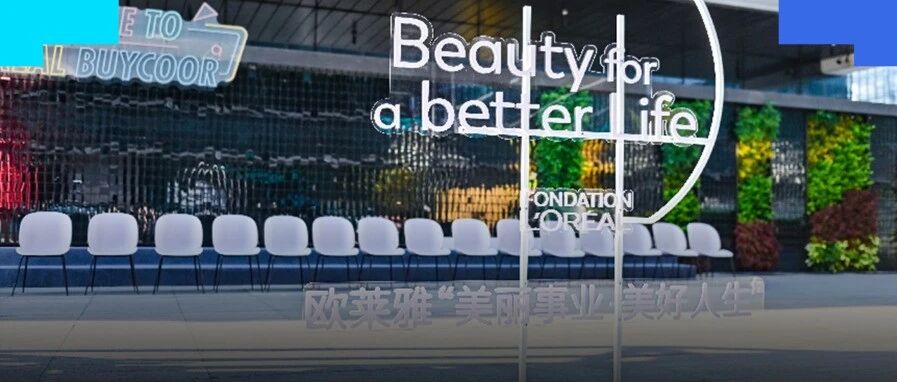
Core Viewpoint - The article highlights L'Oréal's initiative in Guangzhou, focusing on the "Beauty for a Better Life" (BFBL) program, which aims to empower women through vocational training in the cosplay makeup industry, aligning with local cultural and economic trends [3][21]. Group 1: Program Overview - The BFBL program has been active in China for twelve years and recently launched a specialized class in Guangzhou, targeting the cosplay makeup sector [3][5]. - The program aims to address the professional talent gap in the cosplay makeup industry, which is experiencing increasing market demand and a shift towards professionalization [8][6]. Group 2: Market Context - The Chinese animation and gaming market is projected to grow significantly, with the peripheral market expected to reach 652.1 billion yuan by 2025 and 834.4 billion yuan by 2029 [6]. - Guangzhou's animation industry generates over 300 billion yuan, accounting for about one-fifth of the national total, making it a key player in the sector [6]. Group 3: Training and Curriculum - The training program includes courses on basic makeup skills, character makeup, special effects makeup, and digital skills such as e-commerce and AI tool application [10][13]. - The curriculum is designed to provide a comprehensive skill set that enables participants to transition from traditional makeup artistry to digital and online business models [13][11]. Group 4: Employment and Community Impact - The "Beauty Station" serves as an employment incubator, providing facilities for graduates to take on orders immediately after completion of the program, thus facilitating "employment upon graduation" [16][14]. - The program encourages graduates to volunteer and provide makeup services to underprivileged communities, fostering a cycle of support and empowerment [16][20]. Group 5: Long-term Vision and Sustainability - The BFBL program is evolving to address demographic changes and is exploring connections with the "silver economy" to support older women [27]. - The initiative has been recognized for its ability to create a sustainable ecosystem that not only addresses individual employment but also contributes to regional economic development [29][30]. Group 6: Conclusion - The BFBL program exemplifies a strategic approach to corporate social responsibility, integrating professional expertise with community needs, and demonstrating high effectiveness with an employment rate exceeding 80% among participants [30][21].
5000+红人买手集结上海西岸:BAE美妆艺术节5月启幕
FBeauty未来迹· 2026-03-16 12:35
Core Insights - The article discusses the emergence of a new space in the beauty industry that transcends traditional commercial transactions and cultural expressions, focusing on aesthetics, lifestyle, and long-term relationships between brands and consumers [2][3] - The upcoming Beauty Art Exhibition (BAE) in Shanghai aims to redefine brand expression from mere product display to a more comprehensive narrative of aesthetics and culture [3][8] Industry Trends - Over the past decade, the Chinese beauty industry has experienced rapid growth driven by e-commerce, live streaming, and social media, creating a highly efficient commercial model centered around products and traffic [6] - As the market matures, structural issues have emerged, such as price wars in live streaming and a lack of brand value construction, leading to short-lived customer loyalty and diminishing aesthetic expression [6][7] Consumer Behavior - Consumers are increasingly prioritizing the aesthetic, values, and lifestyle conveyed by beauty brands rather than just the functional aspects of products [7][8] - The concept of "uselessness" in aesthetics becomes significant as brands seek to differentiate themselves through cultural expression and emotional value rather than just product efficacy [8] BAE Exhibition Details - The BAE exhibition will take place at the Shanghai West Bund Dome Art Center, a repurposed industrial site that enhances the visual and cultural experience of the event [10][12] - Unlike traditional exhibitions, BAE will feature brands in a "room" format, allowing for a more immersive narrative that intertwines coffee culture and beauty art [12][13] Target Audience and Engagement - BAE aims to attract a diverse audience, including urban lifestyle enthusiasts, creative professionals, and high-end consumers, facilitating direct engagement with brands that share similar aesthetic values [14][15] - The event is designed to foster deeper brand recognition and storytelling, moving away from mere product transactions to a more meaningful dialogue with consumers [15][16] Long-term Brand Value - BAE emphasizes the importance of building brand assets over time rather than relying on immediate sales conversions, focusing on sustainable growth through meaningful consumer relationships [15][19] - The exhibition serves as a platform for brands to amplify their value and engage with a curated audience, ultimately seeking to establish lasting connections with consumers [20][19]

国信证券晨会纪要-20260306
Guoxin Securities· 2026-03-06 01:24
Macro and Strategy - The 2026 government work report emphasizes the priority of "high-quality development" over "stability" with a GDP growth target adjusted to 4.5%-5.0%, aiming to balance growth and quality during a transitional period [7][8] - Fiscal policy remains "more proactive," with a total broad deficit of 11.89 trillion yuan and a deficit rate of approximately 8.1%, reflecting a slight decrease from the previous year [8] - Monetary policy is expected to remain "moderately loose," with anticipated adjustments including one rate cut and one reserve requirement ratio reduction in 2026 [8] Petrochemical Industry - The petrochemical industry investment strategy for March 2026 recommends focusing on rising crude oil and natural gas prices driven by geopolitical factors, particularly following military actions in the Middle East that disrupted energy supplies [9][10] - The conflict has led to significant price increases in European natural gas, with prices surging over 50% due to supply disruptions from Iran and Qatar [9] - The supply side is experiencing a downturn in fixed asset investment, indicating the end of the expansion cycle, while policies are aimed at eliminating low-priced, disordered competition [10] - Demand is expected to recover moderately due to global central banks entering a rate-cutting cycle, alongside growth in new energy and AI sectors driving demand for key chemicals [11] - The report forecasts Brent crude oil prices stabilizing between $70-$75 per barrel and WTI prices between $65-$70 per barrel in 2026, with specific investment recommendations for companies like China National Offshore Oil Corporation and China Petroleum [12] Retail Industry - The retail investment strategy for March 2026 highlights the proactive positioning of leading beauty brands for the upcoming International Women's Day promotions, with expectations for improved performance due to new product launches [17] - Gold prices have seen significant fluctuations, with a year-to-date increase of 22.34%, impacting consumer sentiment and sales in the jewelry sector [18] - The report maintains an "outperform" rating for the retail sector, suggesting that leading companies in gold and beauty will continue to grow despite short-term market volatility [19] Ctrip Group - Ctrip's Q4 2025 revenue grew by 20.8% year-on-year, outperforming expectations, with a total revenue of 15.4 billion yuan [20][21] - The company is focusing on enhancing user experience and optimizing traffic monetization, with significant growth in overseas bookings through its Trip.com platform [21] - Regulatory scrutiny regarding antitrust issues is a key concern, but the company's strong operational capabilities and supply chain integration are expected to support steady growth [22][23]




Ulta Beauty (ULTA) Recently Broke Out Above the 20-Day Moving Average
ZACKS· 2026-02-25 15:36
Core Viewpoint - Ulta Beauty (ULTA) is showing potential for short-term gains due to a bullish trend indicated by its recent movement above the 20-day moving average and positive earnings estimate revisions [1][3][4]. Technical Analysis - The company has crossed above the 20-day moving average, suggesting a short-term bullish trend, which is beneficial for short-term traders [1]. - The 20-day moving average indicates a positive trend when the stock price is above it, while a drop below signals a downward trend [2]. Earnings Estimates - There have been four upward revisions for ULTA's earnings estimates for the current fiscal year, with no downward revisions, indicating strong investor confidence [3]. - The consensus earnings estimate has also increased, reinforcing the bullish outlook for the company [3]. Stock Performance - Over the past four weeks, ULTA's shares have increased by 5.4%, indicating positive momentum [5]. - The company currently holds a Zacks Rank of 3 (Hold), suggesting it may continue to experience upward movement [5].


商贸零售行业周报:马年春节消费稳健恢复,老铺黄金宣布2月底调价
KAIYUAN SECURITIES· 2026-02-24 01:25
Investment Rating - The industry investment rating is "Positive" (maintained) [1] Core Viewpoints - The report highlights a steady recovery in consumer spending during the Spring Festival, with significant increases in payment transactions and retail sales compared to the previous year [4][26] - The report emphasizes the importance of high-quality companies in high-growth sectors driven by emotional consumption themes [7][35] Summary by Sections Industry Dynamics - The Spring Festival saw a robust recovery in social consumption, with payment transactions on New Year's Eve reaching 4.931 billion, a 21.64% increase from the previous year [4][26] - Key regions like Hainan and cities such as Tianjin and Zhenjiang showed strong performance in retail and dining, with Hainan's duty-free shopping amounting to 1.03 billion yuan, up 20.9% year-on-year [4][27] - Domestic travel orders surged by 60%, and outbound travel orders increased by over 180% during the holiday period [4][26] Investment Recommendations - Investment Theme 1: Focus on high-end gold and fashion jewelry brands, recommending companies like Laopai Gold and Chaohongji for their differentiated product offerings [7][35] - Investment Theme 2: Emphasize retail companies adapting to trends and AI-enabled cross-border e-commerce leaders, with recommendations for Yonghui Supermarket and Aiyingshi [7][35] - Investment Theme 3: Highlight domestic beauty brands that cater to emotional value and innovative safe ingredients, recommending brands like Maogeping and Proya [7][35] - Investment Theme 4: Focus on differentiated medical beauty product manufacturers and leading medical beauty institutions, recommending companies like Meilitiantian Medical Health and Aimeike [7][35] Market Performance - The retail and social service indices reported declines of 1.59% and 0.78% respectively during the week from February 9 to February 13, 2026 [6][15] - The report notes that the education sector saw the highest growth among sub-sectors, while the watch and jewelry sector led the year-to-date performance with an 11.29% increase [6][18] Company Highlights - Laopai Gold reported a significant revenue increase of 250.9% in the first half of FY2025, driven by strong consumer demand and brand expansion [37] - Chaohongji is expected to achieve a net profit growth of 125% to 175% in FY2025, supported by its differentiated product strategy [37] - Maogeping and Proya are highlighted for their strong performance in the beauty sector, with Maogeping achieving a revenue increase of 31.3% in FY2025 [37]




6天亏光90万,我劝普通人别做梦
创业家· 2026-02-13 10:10
Core Viewpoint - The article discusses the pitfalls and challenges faced by ordinary entrepreneurs in the food and beverage industry, highlighting the disparity between perceived opportunities and actual business viability [5][6][8]. Group 1: Entrepreneurial Challenges - Many entrepreneurs are drawn into the food and beverage sector by the allure of quick profits, but often find themselves in financially unsustainable situations [7][19]. - Examples include a young man who invested 1 million in a tea building but only made 800 yuan daily, leading to significant losses [19][24]. - A bakery owner in Shandong spent 20 million on equipment and renovations but only achieved a daily revenue of 1,000 yuan, resulting in substantial debt [22][24]. Group 2: Misleading Business Models - The article highlights the prevalence of "fast recruitment companies" that exploit aspiring entrepreneurs by promoting seemingly lucrative franchise opportunities without proper vetting [47][49]. - Many individuals fall victim to scams, believing in low investment and high returns, only to face financial ruin [61][49]. - The narrative includes a case where a woman lost 90 million after being misled into opening a franchise without any operational support from the headquarters [43][46]. Group 3: Cultural and Market Misalignment - The article emphasizes the disconnect between cultural aspirations and market realities, as seen in the case of a restaurant owner who focused on brand culture rather than product viability [11][13]. - Entrepreneurs often overlook essential business metrics such as gross margin and customer traffic, leading to poor decision-making [41][57]. - The rise of social media and influencer culture has exacerbated unrealistic expectations among aspiring business owners, pushing them towards high-risk ventures [61][53].

阿尔诺“抄底”自家帝国:誓言持股突破50%后,持续大举购买LVMH股份
Zhi Tong Cai Jing· 2026-02-11 13:09
Core Viewpoint - Bernard Arnault, the billionaire owner of LVMH, is intensifying his acquisition of shares in the luxury goods group, aiming to increase his stake to a majority level despite recent disappointing performance and a decline in personal wealth [1][2]. Group 1: Share Acquisition - Arnault purchased approximately €100 million worth of LVMH shares on January 28, with a total acquisition of about 757,000 shares valued at approximately €407 million by February 4 [1]. - This acquisition follows an eight-month buying spree last year, where Arnault also bought shares at lower prices [1]. - Arnault expressed his intention to hold over 50% of LVMH shares, emphasizing confidence in the business despite challenges in the luxury sector [1]. Group 2: Financial Performance and Wealth - As of the latest annual report, Arnault's family holds 49% of LVMH shares and 64.8% of voting rights, granting significant control over the company [2]. - Arnault's net worth has decreased to $181 billion from a record $231 billion in March 2024, primarily due to a decline in LVMH's market value and increased competition from tech billionaires [2]. - The luxury market has seen fluctuating demand post-pandemic, impacting LVMH's performance and Arnault's wealth [2]. Group 3: Strategic Moves - Arnault has been focused on strengthening control over LVMH since taking the helm in 1989, transforming it into Europe's second-largest corporate group with a market value of approximately €268 billion [1]. - Recently, LVMH increased its stake in the luxury cashmere brand Loro Piana from 85% to 94% for €1 billion, reflecting Arnault's strategy to consolidate brand ownership [1].