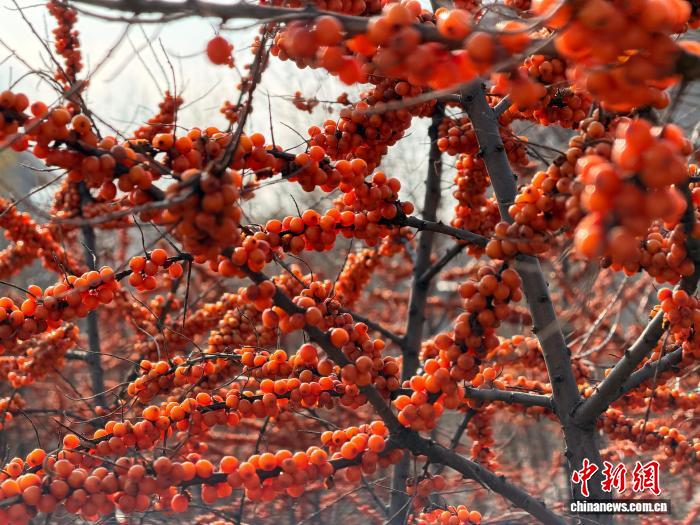
沙棘产业

Search documents
党建引领聚合力 产业升级强动力
Xin Lang Cai Jing· 2026-01-30 19:41
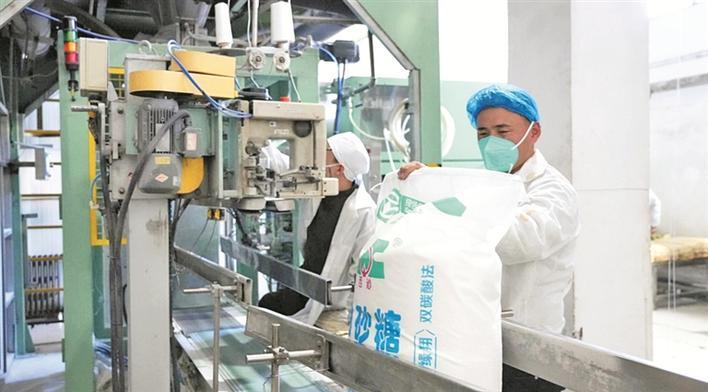
Group 1: Industry Development - The introduction of mechanized harvesting in the sea buckthorn industry has significantly improved efficiency, with a machine capable of harvesting 5 acres per hour and a loss rate of less than 10% [2] - The shift from scattered planting to large-scale, standardized development of sea buckthorn has been driven by the integration of land resources and the establishment of a leading industry that boosts income for workers [2][3] Group 2: Party Leadership and Organizational Structure - The integration of party organizations into the industrial chain has enhanced the development model, with the party playing a key role in coordinating production and stabilizing income for workers [3] - The livestock industry in the region has seen revitalization under party leadership, with a standardized cattle breeding base that has led to the production of 3,371 cattle and an average annual income increase of over 30,000 yuan for participating workers [4] Group 3: Production Efficiency and Management - The sugar production facility has implemented a party committee that focuses on integrating party work with production management, resulting in a daily processing capacity of around 5,500 tons and a sugar yield of over 600 tons with a premium product rate of 98% [5] - The organizational work in the region has been structured into 28 key projects, enhancing the clarity of responsibilities and effectiveness of the initiatives [5][6] Group 4: Community and Grassroots Engagement - The establishment of various grassroots organizations, such as党员先锋岗 (Party Pioneer Posts) and红色服务站 (Red Service Stations), has fostered a sense of community and engagement among workers, contributing to a cohesive development effort [6] - The focus on integrating party work into frontline development has been emphasized, with a framework that includes project-based approaches and a commitment to enhancing the capabilities of party members [6]

青海:着力破解沙棘产业发展瓶颈
Zhong Guo Xin Wen Wang· 2025-11-26 13:50
Core Viewpoint - The development of the seabuckthorn industry in Qinghai is crucial for promoting ecological protection and economic growth, with efforts focused on overcoming existing bottlenecks to achieve sustainable development [1][3]. Industry Overview - The seabuckthorn industry is a representative of Qinghai's green, ecological, and health-oriented economic initiatives, with 2.45 million acres currently dedicated to seabuckthorn cultivation [3]. - Qinghai Kangpu Biotechnology Co., Ltd. has significantly contributed to poverty alleviation, with the company helping over 5,000 households increase their income by 10,000 yuan per person annually [3]. Challenges - The seabuckthorn industry faces several challenges, including a resource utilization rate of less than 5%, shortages in quality seed supply, labor shortages for harvesting, and delays in market development and standard system establishment [3][4]. Strategic Initiatives - The primary focus is on strengthening the industry foundation by improving harvesting base construction, with a target to complete the construction of 29,000 acres by 2025 [4]. - The province aims to reduce reliance on primary processing by expanding high-value product lines and enhancing cold chain infrastructure to ensure raw material quality [4]. - Marketing strategies will include integrating the "Qing" brand and utilizing international exhibitions and online live streaming to promote "Qinghai seabuckthorn" in high-end markets outside the province [4]. Research and Development - Qinghai plans to establish a comprehensive seed supply system by collaborating with research institutions and seed bases, addressing the seedling shortage issue [4]. - The development of local technical standards and systematic training for grassroots will support the standardized growth of the industry [4].
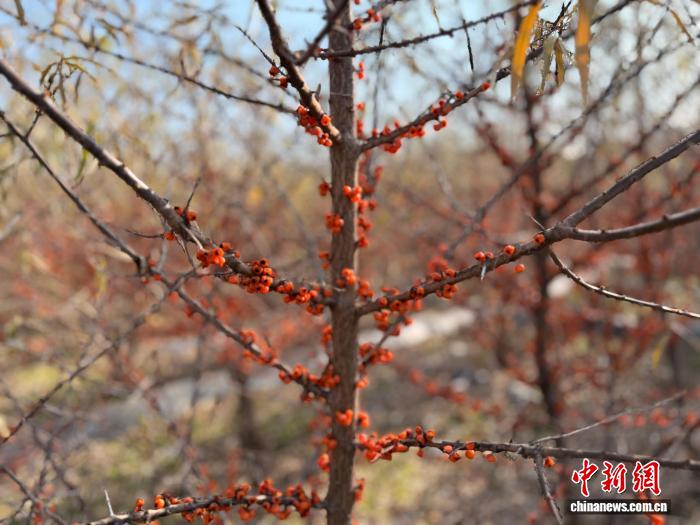
青海湟源:小沙棘撬动生态大产业
Zhong Guo Jing Ji Wang· 2025-11-21 05:09
Core Insights - The article highlights the development of the seabuckthorn industry in Huangyuan County, Qinghai Province, emphasizing its role in ecological protection and economic growth through a systematic approach to rural revitalization [1][2] Group 1: Industry Development - Huangyuan County has established a three-year action plan (2024-2026) to promote the seabuckthorn industry, focusing on a full industry chain development model that includes "base + harvesting + cold chain transportation + sales" [1] - The county has invested a total of 23.55 million yuan in six key projects aimed at enhancing the value of seabuckthorn, transforming low-efficiency forests, and promoting quality seedling cultivation [1] - The transformation of 4,600 acres of low-efficiency forests and the nurturing of 1,500 acres of quality seedlings have improved the ecological functions of seabuckthorn forests and laid a solid foundation for sustainable industry development [1] Group 2: Technological Innovation - The establishment of the Plateau Seabuckthorn Research Institute focuses on resource collection and quality seed selection, leading to the organic certification of seabuckthorn products and the successful implementation of production technology for probiotic tea [2] - New products, such as seabuckthorn probiotic tea, have gained popularity in the market, significantly increasing the value of seabuckthorn fruits [2] - The construction and operation of a seabuckthorn cold chain base have been crucial, with 83 tons of seabuckthorn branches purchased this year, resulting in the production of 14 tons of raw juice [2] Group 3: Economic Impact - The harvesting season of seabuckthorn provides local workers with an income of approximately 170 yuan per day, contributing to the employment of 350 individuals and generating an additional income of 310,000 yuan for the community [2] - The development of the seabuckthorn industry has achieved a harmonious balance between ecological benefits and economic gains, with seabuckthorn trees playing a significant role in windbreak and desertification control [2]
专家献策青海沙棘产业发展:破解深加工短板 延伸产业链条
Zhong Guo Xin Wen Wang· 2025-11-19 12:24
Core Viewpoint - The development of the seabuckthorn industry in Qinghai faces challenges such as the outflow of deep processing, incomplete industrial chains, aging seabuckthorn forests, and a lack of specialized plantations. Experts suggest that solutions should focus on policy guidance, technological support, and extending the industrial chain [1][3]. Group 1: Deep Processing Challenges - Qinghai has abundant raw materials, but they are often sent to neighboring provinces for deep processing due to the lack of local processing capabilities, which increases costs and erodes profit margins [3][5]. - Establishing a complete processing and sales chain is crucial for enhancing industry efficiency, as highlighted by the successful experiences of southern economic forest industries [3][5]. Group 2: Planting and Structural Issues - Many seabuckthorn forests in Qinghai are over 20 years old and show signs of degradation, necessitating updates to the plantations [5][7]. - The unique reproductive characteristics of seabuckthorn, being dioecious, lead to inefficiencies, suggesting the need for scientific thinning to optimize forest structure and increase yield [5][7]. Group 3: Recommendations for Development - Experts recommend that the government support the establishment of local deep processing leading enterprises to reduce costs and enhance benefits, which is key to rooting the industry in Qinghai [7]. - Three main suggestions include timely policy adjustments to balance ecological protection and economic development, setting up targeted funds to attract research teams, and creating a complete industrial chain from raw materials to processing and sales [7]. - Promoting integrated development through various means, such as tourism and educational activities, is essential for enhancing overall efficiency and resilience against risks [7].