
消费食品

Search documents
长沙企业为何如此热衷赴港上市 | 经济观察
Chang Sha Wan Bao· 2026-01-23 06:15
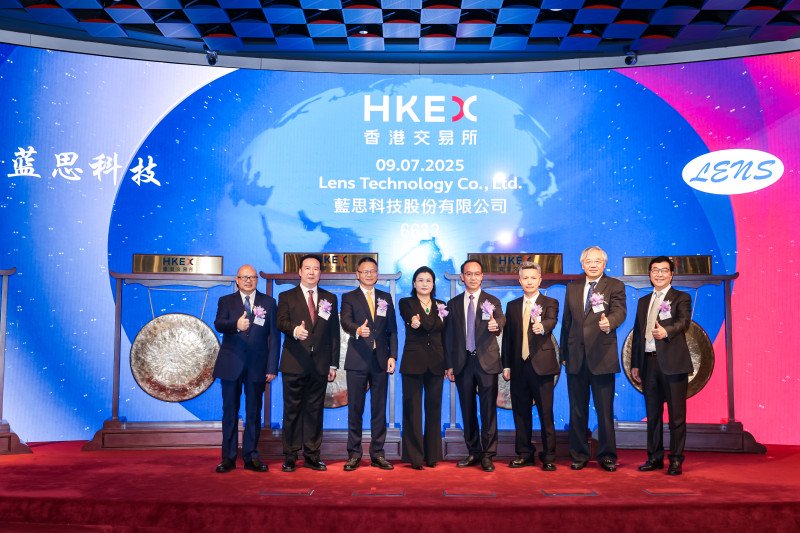
Group 1 - The core viewpoint of the article highlights the increasing trend of companies from Changsha, such as Hongxing Cold Chain and Mingming Henmang, to list on the Hong Kong Stock Exchange (HKEX) as a strategic move for international expansion and capital acquisition [1][6]. - The differences between A-share and Hong Kong stock markets are significant, particularly in terms of regulatory frameworks, financial requirements, and trading systems. A-shares primarily follow an approval system, while Hong Kong adopts a registration system [3][4]. - Financial requirements for listing differ markedly; A-shares require consistent profitability over three years, while Hong Kong offers multiple pathways for listing based on profitability, market capitalization, and revenue [3][4]. Group 2 - The investor structure and liquidity in A-shares are dominated by domestic retail investors, whereas Hong Kong is led by institutional investors with a higher degree of internationalization [4]. - Companies seeking international financing, special share structures, or faster listings are more inclined to choose the Hong Kong market, as indicated by industry experts [5]. - The recent trend of Changsha companies listing in Hong Kong is seen as a strategic move to leverage international capital and enhance their global presence, as exemplified by Blue Si Technology's listing [6][7]. Group 3 - The investment outlook for Hong Kong remains positive, with significant growth in the Hang Seng Index and a favorable economic backdrop, suggesting that both A-shares and Hong Kong stocks present numerous opportunities for investors [8]. - Ordinary investors can access Hong Kong stocks through the Stock Connect programs, but should be aware of valuation differences and liquidity issues, particularly for non-leading stocks [8].

A股收评 | 三大指数弱势震荡 商业航天火热!龙头13天9板
智通财经网· 2025-12-02 07:11
Market Overview - The three major indices experienced weak fluctuations, with the Shanghai Composite Index falling below 3900 points again. The market saw scattered hotspots, with active funds focusing on high-priced stocks. Notable stocks included Acorn China, which hit the limit up again, and Jinfu Technology, which achieved a seven-day consecutive rise [1][2] - The total market turnover was approximately 1.6 trillion yuan, a decrease of nearly 300 billion yuan compared to the previous trading day, with over 3700 stocks declining [1] Sector Performance - Fujian local stocks surged again, with multiple stocks hitting the limit up following the release of the 15th Five-Year Plan suggestions, which emphasized the development of the Pingtan Comprehensive Experimental Zone and proposed 12 measures to benefit Taiwan [1][4] - Other active sectors included commercial aerospace, with Aerospace Development achieving nine limit-ups in 13 days, and consumer stocks, with Anji Food and Huifa Food hitting limit-ups in the afternoon [1][3] Fund Flow - Main funds focused on sectors such as consumer electronics, components, and passenger vehicles, with significant net inflows into stocks like Industrial Fulian, Shenghong Technology, and Xinyi Sheng [3] Policy Developments - Fujian Province announced 12 new measures to support Taiwan businesses and promote trade and cultural exchanges, as part of its efforts to enhance cross-strait integration [4] - The Ministry of Industry and Information Technology is preparing to establish the China Artificial Intelligence Terminal Industry Association, which is expected to significantly impact the high-quality development of the AI terminal industry [5] Future Market Outlook - China Galaxy Securities suggests that the market is in a phase of frequent style switching, with a focus on defensive sector allocation opportunities as the year-end policy window approaches [7] - Shenwan Hongyuan indicates that while a rebound in offensive assets is likely, the logic for upward breakthroughs may be challenging to realize [9] - Industrial Securities emphasizes the importance of easing overseas disturbances and continuing to position for the recovery of Chinese assets as the market enters a new phase [10]