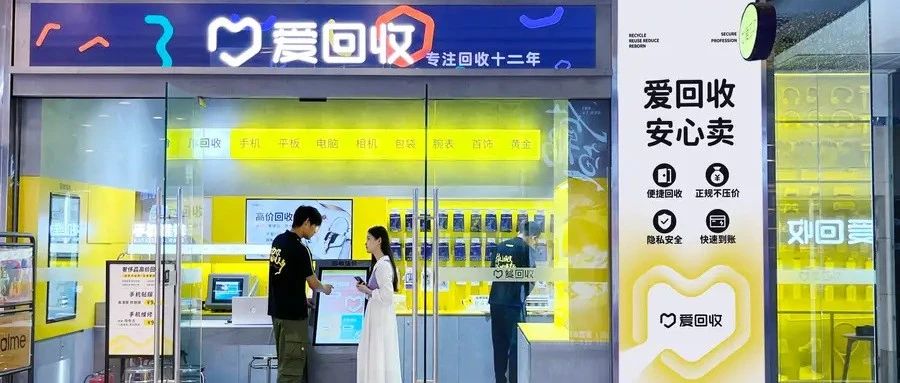
电子产品回收

Search documents
旧电子产品“变废为宝”要解除哪些后顾之忧?
Zhong Guo Jing Ji Wang· 2026-01-05 03:28
Group 1 - The core viewpoint of the news is the introduction of a new national standard for data security in electronic products, which aims to address consumer concerns about data privacy and promote the recycling of old electronic devices [1][2][3] Group 2 - The new national standard, effective from January 1, 2027, provides clear guidelines on what data to clear, how to clear it, and who is responsible for the clearing process [1] - The standard covers all traces of user information generated by electronic devices and specifies validated scientific methods for data clearing, such as data overwriting and block erasure [1] - It mandates that electronic products must offer built-in data clearing functions or free data clearing tools, and that recycling operators must ensure data clearance for second-hand electronic products [1] Group 3 - During the 14th Five-Year Plan period, the total number of idle mobile phones in China reached 6 billion, with only 10% entering the second-hand market due to consumer concerns about data security [2] - The new standard is expected to alleviate consumer fears regarding privacy, thereby encouraging the recycling of these "sleeping treasures" and enhancing resource circularity [2] - As demand for verifiable and traceable data clearing increases, companies may invest more in R&D to improve data clearing efficiency, potentially leading to the emergence of specialized data clearing service firms [2] Group 4 - A 13-month transition period has been set for the new standard to allow industries to adapt and complete necessary technical modifications and process improvements before its official implementation [3] - The expectation is that the implementation of the new standard will strengthen personal information security and facilitate the transformation of old electronic products into valuable resources [3]
为旧电子产品装上“数据安全锁”
Jing Ji Ri Bao· 2025-12-23 00:03
Group 1 - The core viewpoint of the article is the introduction of the mandatory national standard "Technical Requirements for Data Security - Information Clearing Technology for Electronic Products," which aims to address consumer concerns about data privacy when disposing of old electronic devices [1][2][3] - The new standard will be implemented on January 1, 2027, and it provides clear guidelines on what data to clear, how to clear it, and who is responsible for the clearing process [1][2] - The standard covers all traces of user information generated by electronic devices, specifies scientifically validated methods for data clearing, and mandates that manufacturers provide built-in data clearing functions or free tools for users [1][2] Group 2 - During the 14th Five-Year Plan period, China has an estimated 6 billion idle mobile phones, with only 10% entering the second-hand market due to consumer fears of incomplete data clearing [2] - The implementation of the new standard is expected to alleviate consumer concerns about privacy, thereby promoting resource recycling and allowing dormant electronic products to regain value [2][3] - A 13-month transition period has been established to allow the industry to adapt to the new requirements, ensuring orderly technical upgrades and process development before the standard takes effect [3]
万物新生加码ESG承诺 制定减排目标
BambooWorks· 2025-07-23 02:18
Core Viewpoint - The company, 万物新生, has ambitious goals for reducing emissions and expanding its recycling operations, positioning itself favorably in the ESG (Environmental, Social, and Governance) space, with a focus on sustainability and environmental protection [1][5][6]. Group 1: Business Performance and Strategy - In the previous year, the company processed and sold over 35.3 million second-hand smartphones and other second-hand goods, with sales volume projected at 32.3 million for 2023, driving a revenue growth of 26% to reach 16.3 billion yuan (approximately 2.3 billion USD) in 2024 [1]. - The company has implemented a "multi-category" strategy since 2022, significantly increasing the number of multi-category recycling stores, which have more than doubled [1]. - The company has expanded its trade-in services to align with national policies encouraging consumption through subsidies and incentives [2]. Group 2: Environmental Impact and ESG Goals - The company aims to reduce Scope 1 and Scope 2 emissions by 35% from 2024 levels by 2030, and to halve Scope 3 emissions during the same period [5][6]. - The company processed 137,000 electronic devices in an environmentally friendly manner last year, reducing e-waste pollution by 21.9 tons [5]. - The company is committed to achieving carbon peak by 2030 and carbon neutrality within the following thirty years, aligning with national planning [6]. Group 3: Technological Advancements - Technology plays a crucial role in the company's operations, utilizing artificial intelligence to detect second-hand products, thereby streamlining operations and ensuring consistent results [4]. - The company has successfully reduced Scope 2 emissions intensity from 0.30 to 0.28, although it increased to 0.31 last year, indicating the need for continued efforts to maintain a downward trajectory [6]. Group 4: Market Position and Investor Sentiment - The company's stock price has increased by nearly 70% over the past year, although its price-to-sales ratio remains below 1, suggesting potential for investor optimism if environmental initiatives yield financial benefits [7].