电子产品信息清除

Search documents
旧电子产品“变废为宝”要解除哪些后顾之忧?
Zhong Guo Jing Ji Wang· 2026-01-05 03:28
Group 1 - The core viewpoint of the news is the introduction of a new national standard for data security in electronic products, which aims to address consumer concerns about data privacy and promote the recycling of old electronic devices [1][2][3] Group 2 - The new national standard, effective from January 1, 2027, provides clear guidelines on what data to clear, how to clear it, and who is responsible for the clearing process [1] - The standard covers all traces of user information generated by electronic devices and specifies validated scientific methods for data clearing, such as data overwriting and block erasure [1] - It mandates that electronic products must offer built-in data clearing functions or free data clearing tools, and that recycling operators must ensure data clearance for second-hand electronic products [1] Group 3 - During the 14th Five-Year Plan period, the total number of idle mobile phones in China reached 6 billion, with only 10% entering the second-hand market due to consumer concerns about data security [2] - The new standard is expected to alleviate consumer fears regarding privacy, thereby encouraging the recycling of these "sleeping treasures" and enhancing resource circularity [2] - As demand for verifiable and traceable data clearing increases, companies may invest more in R&D to improve data clearing efficiency, potentially leading to the emergence of specialized data clearing service firms [2] Group 4 - A 13-month transition period has been set for the new standard to allow industries to adapt and complete necessary technical modifications and process improvements before its official implementation [3] - The expectation is that the implementation of the new standard will strengthen personal information security and facilitate the transformation of old electronic products into valuable resources [3]
新规排解二手数码产品隐私焦虑,现存闲置相关企业超338万家
Xin Lang Cai Jing· 2025-12-25 05:02
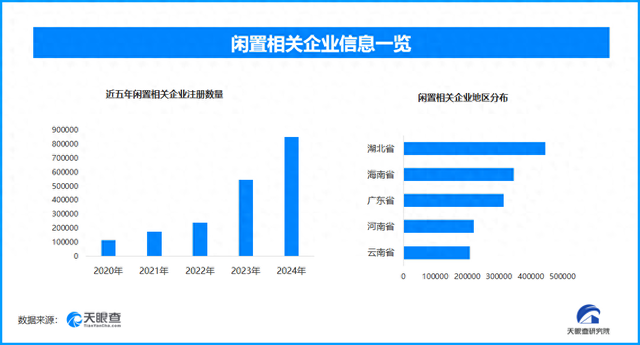
Core Viewpoint - The newly released national standard "Data Security Technology - Technical Requirements for Information Clearing of Electronic Products" will be implemented on January 1, 2027, focusing on enhancing data privacy through physical-level data clearing methods [1] Group 1: New Regulations - The new regulation mandates "information clearing" rather than just ordinary deletion, utilizing techniques such as data overwriting and block erasure to significantly increase the difficulty and cost of malicious data recovery [1] - The regulation establishes a full lifecycle responsibility chain, requiring manufacturers to provide clearing functions or tools, and recycling operators to strictly clear information and verify traces [1] Group 2: Industry Trends - As of now, there are over 3.386 million idle-related enterprises in China, with approximately 989,000 newly registered related enterprises in 2025 [1] - The registration trend of idle-related enterprises has shown a year-on-year increase over the past five years, with significant growth observed in 2023 and 2024 [1] - The provinces with the highest number of idle-related enterprises are Hubei, Hainan, and Guangdong, with over 445,000, 346,000, and 314,000 enterprises respectively [1]

动真格了!手机必须内置这类功能,二手交易迎来“最严监管期”
猿大侠· 2025-12-23 04:11
Core Viewpoint - The article discusses the importance of securely handling old mobile phones before selling or recycling them, highlighting the risks of data recovery and the introduction of a new national standard for data deletion in electronic devices. Group 1: Data Recovery Risks - Many second-hand phone recycling stores can recover deleted data, posing risks of fraud and extortion [1][2] - Simply performing a factory reset only results in "logical deletion," leaving the actual data recoverable [3] Group 2: New National Standard - A new mandatory national standard titled "Data Security Technology Electronic Product Information Deletion Technical Requirements" will be implemented on January 1, 2027 [5] - The standard mandates irreversible data deletion methods, ensuring data cannot be recovered by any means [9] Group 3: Data Deletion Methods - The standard specifies two core methods for data deletion: digital overwriting and block erasure [9] - Digital overwriting involves writing meaningless data to storage units, requiring at least three overwrites for magnetic media [10] and one for semiconductor media [11] - Block erasure is a hardware-level method that clears all data in a storage block simultaneously, providing a faster and more thorough deletion [12] Group 4: Responsibilities of Manufacturers and Recyclers - Electronic product manufacturers must integrate a "one-click destruction" feature or provide free deletion tools/services [15][16] - Recyclers must inform users about data deletion, use compliant tools, and maintain records of deletion for three years [18][20] Group 5: Impact on Recycling Industry - The new regulations may increase operational costs for recycling companies, potentially leading to lower buyback prices for consumers [26] - However, the regulations aim to create a more transparent and secure recycling environment, reducing the prevalence of non-compliant recyclers [27]

旧手机不能随便卖了?史上最严新规出台
36氪· 2025-12-22 13:36
Core Viewpoint - The article discusses a new national standard in China aimed at ensuring the secure deletion of data from electronic devices, emphasizing the transition from "fake deletion" to "true deletion" methods for data security [15][16][19]. Group 1: New National Standard - A new national standard titled "Data Security Technology Electronic Product Information Deletion Technical Requirements" will be implemented on January 1, 2027, and is mandatory for manufacturers and recyclers [15][18]. - This standard applies to a wide range of electronic products, including smartphones, tablets, laptops, and smartwatches, effectively enhancing the security of second-hand digital products [19][42]. Group 2: Data Deletion Methods - The standard mandates the use of two primary techniques for data deletion: digital overwriting and block erasure [23]. - Digital overwriting involves repeatedly covering existing data with new data until it is completely obscured, while block erasure entails removing entire data blocks at once, making recovery impossible [24][28]. Group 3: Responsibilities of Manufacturers and Recyclers - Manufacturers are required to integrate a "data destruction" feature in new devices or provide third-party tools for data deletion, ensuring users are informed about the deletion process and its implications [32][33]. - Recyclers must actively remind users to clear their data before any transaction, cannot access or retain any data without consent, and must use methods compliant with the new standard [36][38]. Group 4: Market Context and User Concerns - There are over 6 billion idle mobile phones in China, with only 10% entering the second-hand market, indicating a significant opportunity for improvement in the recycling process [42]. - Users have expressed relief over the new regulations but also concerns about the enforcement of these standards [46][47].

处理旧手机旧电脑担心泄露隐私?国家新规让你放心
Yang Shi Xin Wen Ke Hu Duan· 2025-12-22 00:50
Core Viewpoint - A new mandatory national standard titled "Data Security Technology - Technical Requirements for Information Clearing of Electronic Products" has been officially released and will take effect on January 1, 2027, addressing data security concerns related to the disposal of old electronic devices [1][48]. Group 1: New Regulations - The new standard establishes a clear distinction between "information clearing" and ordinary deletion, which only marks data as deleted without erasing it [1][2]. - The standard introduces two primary technical methods for achieving data clearing: data overwriting and block erasure, significantly increasing the difficulty and cost of malicious data recovery [3][4]. Group 2: Responsibilities of Stakeholders - Electronic product manufacturers are required to provide built-in information clearing functions or reliable external tools, ensuring users are informed about the clearing process and its implications [4][48]. - Second-hand electronic product recyclers must adhere to strict operational norms, including prompting users to clear data before device acquisition and verifying the effectiveness of data clearing before resale [4][48]. Group 3: Implementation and Scope - The standard applies to all electronic products with non-volatile storage media produced or sold within China, including smartphones, tablets, and computers, while excluding products related to national secrets [48]. - A transition period of 13 months is provided for compliance with the new standard, ensuring that all new and imported electronic products meet the requirements upon implementation [45][48].

旧手机不能随便卖了?史上最严新规出台
3 6 Ke· 2025-12-21 23:31
Core Viewpoint - The introduction of a new national standard in China for data security and electronic product information clearance aims to enhance the safety of second-hand electronic device transactions, addressing concerns over data privacy and security [8][10][20]. Group 1: New National Standard - A new national standard titled "Data Security Technology Electronic Product Information Clearance Technical Requirements" will be implemented on January 1, 2027, mandating "true clearance" of data rather than "fake deletion" [8][10]. - This standard is mandatory for manufacturers and recycling businesses, making it one of the strictest regulations to date, covering a wide range of electronic products including smartphones, tablets, laptops, and smartwatches [10][20]. Group 2: Data Clearance Methods - The standard specifies two main data clearance methods: digital overwriting and block erasure. Digital overwriting involves repeatedly covering existing data, while block erasure entails completely removing data from a storage block [12][14]. - Block erasure is more efficient for semiconductor media, as it clears entire data blocks at once, making data recovery nearly impossible [14]. Group 3: Responsibilities of Manufacturers and Recyclers - Manufacturers are required to integrate a "data destruction" feature in new devices or provide third-party tools for data clearance, ensuring users are informed about the clearance process and its implications [15]. - Recycling businesses must adhere to strict guidelines, including obtaining user consent before accessing any data, using approved clearance methods, and maintaining records of clearance operations for at least three years [17][22]. Group 4: Market Context and User Sentiment - Over 6 billion idle mobile phones exist in China, with only 10% entering the second-hand market, highlighting the need for a standardized approach to data security in device recycling [20]. - User feedback indicates a sense of relief regarding the new regulations, although there are concerns about the effective implementation of these standards [22].

更多旧电子产品有望“变废为宝”
Zhong Guo Jing Ji Wang· 2025-12-19 07:19
Group 1 - The core viewpoint of the news is the introduction of a new national standard for data security in electronic products, which aims to address consumer concerns about data privacy and promote the recycling of old devices [1][2][3] Group 2 - The new national standard, effective from January 1, 2027, provides clear guidelines on what data to clear, how to clear it, and who is responsible for the clearing process [1] - The standard covers all traces of user information generated by electronic devices and specifies scientifically validated methods for data clearing, such as data overwriting and block erasure [1] - It mandates that electronic products must offer built-in data clearing functions or free data clearing tools, and that recycling operators must ensure data is cleared from second-hand electronic products [1] Group 3 - During the 14th Five-Year Plan period, China has 6 billion idle mobile phones, with only 10% entering the second-hand market due to consumer fears of incomplete data clearing [2] - The new standard is expected to alleviate consumer concerns about privacy, thereby encouraging the recycling of old devices and enhancing resource utilization [2] - There is a growing demand for verifiable and traceable data clearing, which may lead to increased R&D efforts by companies and the emergence of specialized data clearing service providers [2] Group 4 - A 13-month transition period has been established to allow industries to adapt to the new standard, ensuring orderly technical upgrades and process improvements before its official implementation [3] - The expectation is that the new standard will strengthen personal information security and facilitate the transformation of old electronic products into valuable resources [3]
电子产品个人信息难清除 隐私应该如何保护?
Yang Shi Wang· 2025-12-18 19:43
Core Viewpoint - The introduction of the mandatory national standard for data security technology regarding electronic product information clearance aims to protect consumer privacy by ensuring effective data deletion methods for old electronic devices [1] Group 1: Background and Rationale - The rapid expansion of "trade-in" and second-hand transactions for electronic products has led to a significant influx of old devices, which may contain sensitive personal information [1] - The lack of effective data deletion methods in traditional practices poses a risk of privacy breaches for consumers [1] Group 2: New National Standard - The newly approved national standard, titled "Data Security Technology Electronic Product Information Clearance Technical Requirements," mandates that manufacturers and recyclers provide built-in data clearance functions or free tools for users [1] - The standard specifies scientific clearance methods such as "data overwriting" and "block erasure" to ensure thorough data removal [1] - This standard is set to be implemented on January 1, 2027 [1]
担心换新手机泄露隐私?新国标要求电子产品有信息清除功能
Xin Lang Cai Jing· 2025-12-13 14:29
Group 1 - The core viewpoint of the article is the introduction of a new mandatory national standard for electronic products that requires information clearing functions to address consumer concerns about privacy leaks when replacing old devices [1] Group 2 - The new standard, titled "Data Security Technology - Technical Requirements for Information Clearing of Electronic Products," will be implemented starting January 1, 2027 [1] - This standard applies to various devices including mobile phones, computers, tablets, and hard drives, establishing unified requirements for information clearing technologies and processes [1] - The primary aim of the standard is to alleviate consumer fears regarding the malicious recovery of data from second-hand electronic products, which could lead to privacy breaches [1]

删除≠消失!新国标终结个人信息隐私“诈尸”风险
Huan Qiu Wang· 2025-12-13 01:20
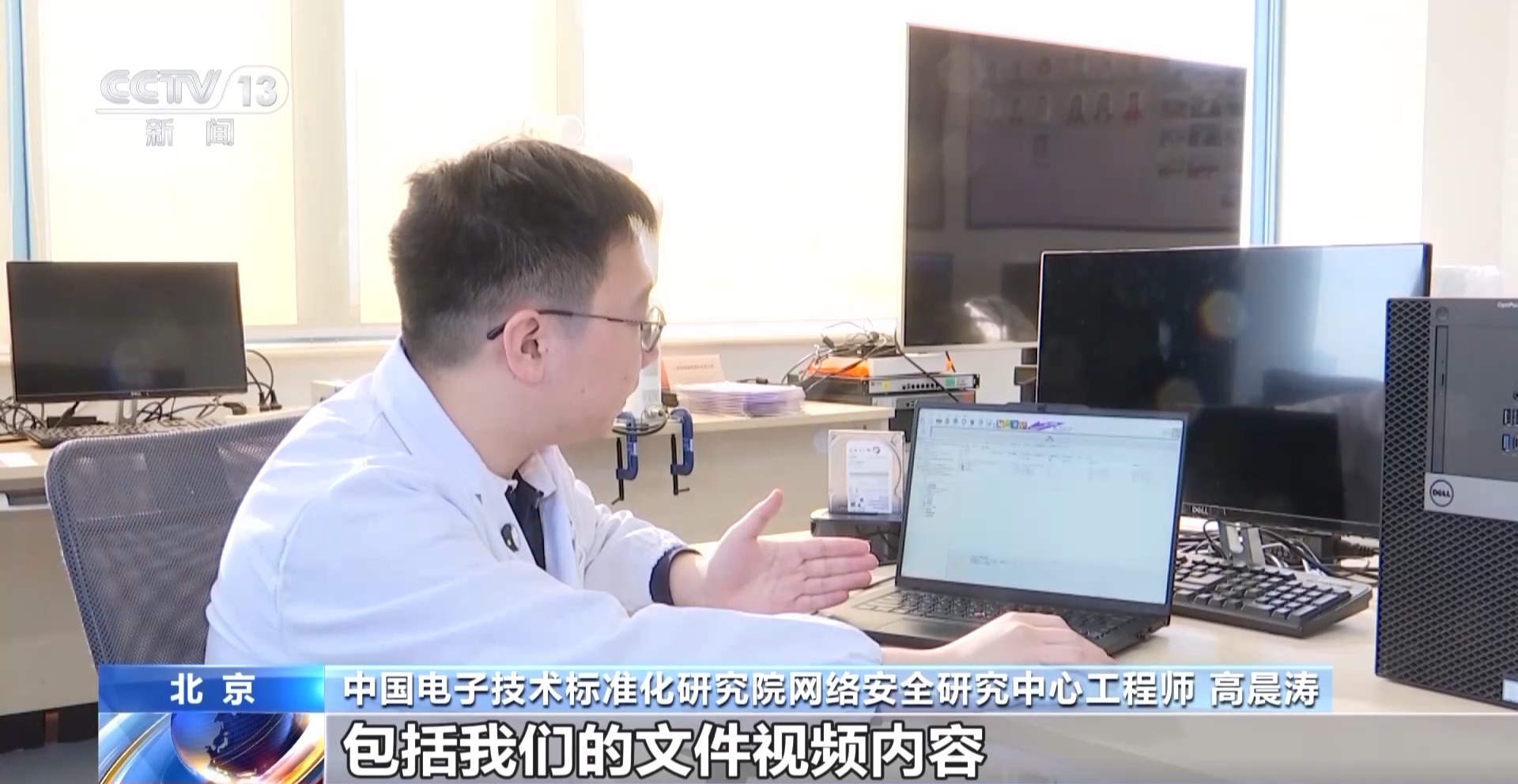
Core Viewpoint - The article highlights the growing concern over data privacy in the context of electronic product recycling, emphasizing that conventional deletion methods do not effectively erase personal information, leading to potential privacy breaches. Group 1: Data Recovery and Deletion Methods - Traditional deletion methods, such as using built-in system functions, are shown to be ineffective as data can still be recovered using specialized software [3][5] - A demonstration revealed that even after using a phone's deletion program, deleted images could still be retrieved, indicating that standard deletion practices do not guarantee data security [5] Group 2: Consumer Concerns and Market Impact - During the "14th Five-Year Plan" period, it is estimated that 6 billion idle mobile phones exist in China, with only 10% entering the second-hand market due to consumer fears of incomplete data deletion and privacy risks [7] - The new national standard aims to address these consumer concerns by mandating that manufacturers provide effective data deletion features [9] Group 3: New National Standards - The recently published national standard, effective from January 1, 2027, requires uniform data deletion processes for devices like phones, computers, and hard drives to prevent unauthorized data recovery [7][9] - The standard specifies that all user data, including texts, images, videos, and sensitive information, must be thoroughly erased before resale [9] Group 4: Responsibilities of Manufacturers and Recyclers - Manufacturers are required to implement built-in data deletion tools and provide free services or third-party options for consumers [9] - Recyclers must ensure that all second-hand electronic products undergo proper data deletion, with detailed records of the deletion process maintained for at least three years [11]