
石油储备

Search documents
一天买空沙特!中国油粮金全面储备,底气十足!
Sou Hu Cai Jing· 2025-11-26 21:40
Group 1 - China's daily crude oil imports have surpassed Saudi Arabia's daily production, averaging 11.54 million barrels compared to Saudi's 9.63 million barrels [1] - Approximately 10% of the imported oil is being stored, leading to a daily accumulation of about 1.1 million barrels [1] - The implementation of the new Energy Law mandates that energy reserves are now a national obligation rather than a corporate choice [1] Group 2 - China's strategic oil reserves have grown from 100 million barrels in 2003 to an estimated 1.2 to 1.6 billion barrels currently, with plans to expand to 2 billion barrels in the next two years [3] - This reserve capacity is designed to cover approximately 180 days of consumption, significantly exceeding the internationally recognized safety line of three months [5] Group 3 - China's influence on global oil prices is substantial; a reduction in imports can lead to significant price drops, as seen when prices fell below $60 per barrel due to decreased purchases from the U.S. [6] - In the first ten months of the year, China's crude oil imports increased by 3.1%, while expenditures decreased by 9.5%, indicating a strategic approach to stockpiling at lower prices [8] Group 4 - China is diversifying its supply channels, with 18% of crude oil imports coming through land pipelines, and has established alternative payment methods to mitigate risks [9] - The country is not solely focused on oil; it is also building a comprehensive security system that includes gold and grain reserves, with significant holdings in these commodities [10][12] Group 5 - China's gold reserves have surpassed 2,303 tons, with a notable increase in holdings, while U.S. Treasury bond holdings have decreased significantly [12] - The country holds a substantial portion of global grain stocks, with corn, rice, and wheat inventories accounting for 68%, 59%, and 50% of global totals, respectively [12] Group 6 - Natural gas storage capacity is also being enhanced, with current capabilities at 21.3 billion cubic meters, projected to reach 80 billion cubic meters by 2030 [13] - The strategy of investing in both traditional and renewable energy sources positions China to secure its energy future while advancing technological capabilities [13] Group 7 - The accumulation of resources is not for military aggression but to ensure national security and stability in times of crisis [16] - China's proactive approach to resource management reflects a shift from passive acceptance to active shaping of its energy landscape, enhancing its global influence [18]

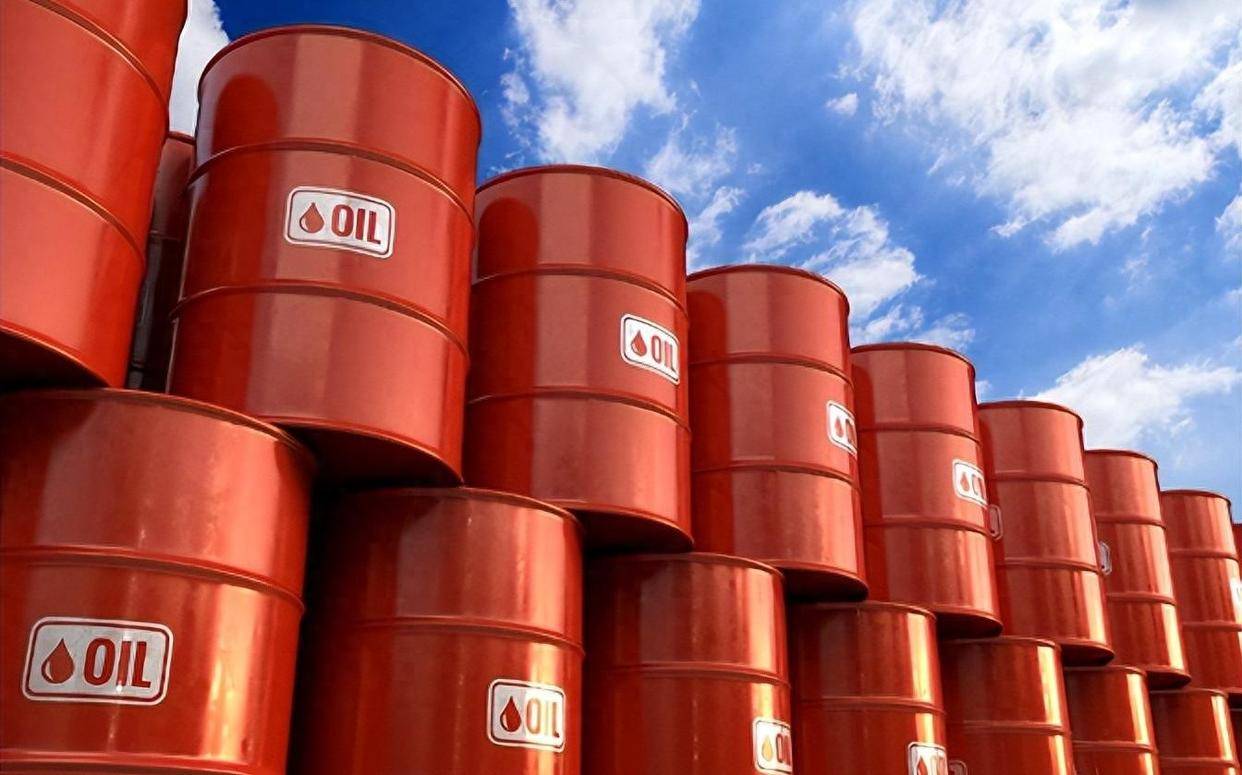
波黑联邦30年来首次通过铁路大规模运抵石油
Shang Wu Bu Wang Zhan· 2025-11-26 14:01
Core Viewpoint - Bosnia and Herzegovina has successfully reestablished its strategic oil reserve system after over 30 years, with the first shipment of 42 million liters of oil and gasoline transported via the Ploče–Blažuj railway [1] Group 1: Infrastructure and Logistics - The completion of the Blažuj oil depot infrastructure repairs and the acquisition of necessary permits have enabled the transport of oil and gasoline [1] - The Ploče–Blažuj railway's operational status is crucial for establishing mandatory reserves that meet EU standards [1] Group 2: Energy Independence and Security - The Minister of Energy and Mining emphasized the need for Bosnia to achieve energy independence and avoid politicization of energy supply [1] - The Federal Oil Company highlighted the strategic role of the railway in ensuring energy security [1] Group 3: Geopolitical Implications - An economist noted that this development is significant for reducing dependence on Russian oil and is a critical step towards decreasing reliance on Russian natural gas through future interconnection projects [1] Group 4: Strategic Reserve Network - The Blažuj oil depot, with a capacity of 42 million liters, will serve as a core hub in Bosnia's oil reserve system, complementing other locations such as Derventa, Bihać, and Mostar to form a national strategic reserve network [1]
市场消息:美国能源部表示,延迟交付的原因是战略石油储备(SPR)地点的维护工作。
news flash· 2025-06-27 01:36
Core Viewpoint - The U.S. Department of Energy has announced that delays in deliveries are due to maintenance work at the Strategic Petroleum Reserve (SPR) sites [1] Group 1 - The maintenance work at SPR locations is the primary reason for the delayed deliveries [1]