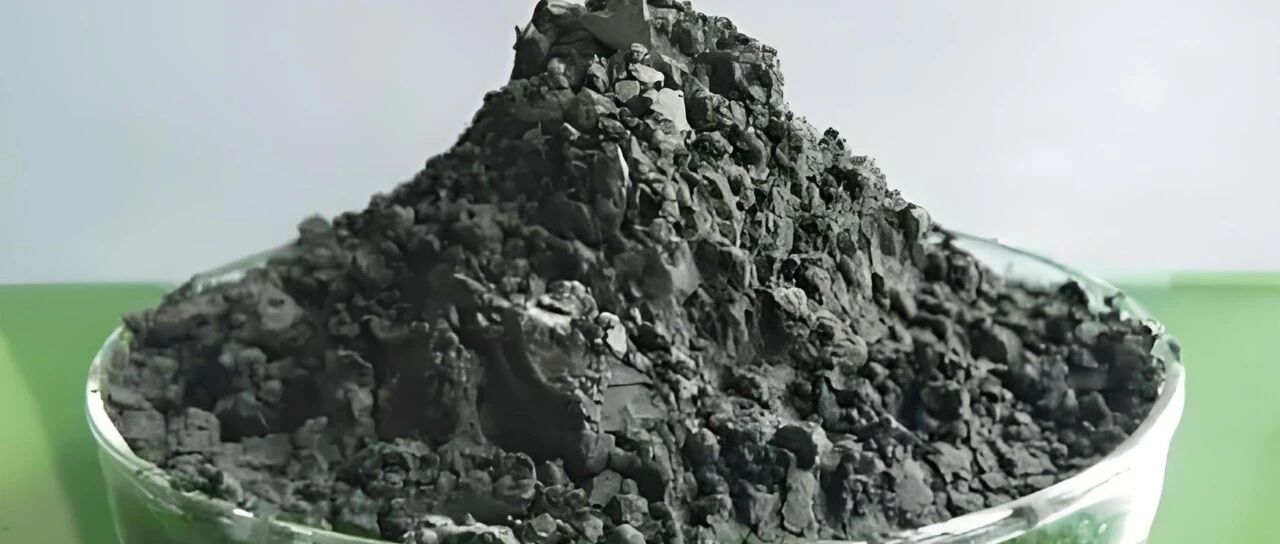
硫磺生产

Search documents
硫磺市场后续走势,是先跌后涨还是单边上行?
Mei Ri Jing Ji Xin Wen· 2025-12-09 14:19
Core Viewpoint - Sulfur prices have surged dramatically, reaching new highs and breaking historical records, driven by strong external market influences and increased demand from the downstream phosphate fertilizer industry [1][2][4]. Group 1: Price Trends - As of December 5, 2025, sulfur prices have more than doubled compared to the beginning of the year, with major producers like Shandong Shenchi and Dongming Petrochemical raising prices to 4180 CNY/ton and 4350 CNY/ton respectively [3][4]. - The price increase is attributed to strong external market performance, with Qatar's sulfur contract price rising significantly, leading to higher import costs for China [4]. - Despite high port inventories of 2.2028 million tons, the market sentiment remains bullish, with 71% of surveyed participants expecting further price increases [4][5]. Group 2: Demand and Supply Dynamics - The phosphate fertilizer sector is recovering, with production capacity utilization rates for monoammonium phosphate and diammonium phosphate improving, providing support for sulfur prices [6]. - However, rising sulfur prices are squeezing profit margins for major fertilizer companies like Yuntianhua, which reported a 21.88% decline in revenue due to increased production costs [7]. - The market is expected to maintain high price levels through early 2026, driven by seasonal demand for spring planting and limited supply growth [9]. Group 3: Market Outlook - Analysts predict that while there may be short-term price corrections due to year-end inventory adjustments, the long-term outlook for sulfur prices remains bullish, with potential peaks as high as 5000 CNY/ton [6][9]. - The market is characterized by a cautious approach from end-users and traders, who may refrain from aggressive purchasing at record high prices [8]. - The supply side is expected to remain tight, with no new domestic production facilities and limited import growth due to cost pressures [9].

磷酸铁锂原料大涨!硫磺变“牛磺”
起点锂电· 2025-12-09 10:50
Core Viewpoint - The article discusses the significant increase in sulfur prices, driven by rising demand from the new energy market and traditional agricultural needs, which has implications for the lithium battery industry, particularly in the production of lithium iron phosphate (LFP) batteries [5][8][11]. Group 1: Sulfur Price Trends - Since last year, sulfur prices have surged, with the latest price exceeding 4000 RMB per ton, marking a substantial increase [5]. - In the international market, Qatar Energy announced a price increase for December sulfur contracts to 95 USD per ton, reaching 495 USD per ton, which represents a 198% increase compared to the beginning of the year and over 200% year-on-year [7]. - The current sulfur price at Chinese ports is approximately 520-521 USD per ton, equivalent to about 4258-4266 RMB per ton [7]. Group 2: Demand Drivers - The increase in sulfur prices is attributed to two main factors: the rise of the new energy market leading to greater demand and the rigid demand from traditional agriculture [8]. - Global supply constraints due to geopolitical events have intensified the situation, with the new energy market having strong bargaining power for sulfur, particularly in China where procurement is relatively chaotic [8]. Group 3: Impact on Lithium Iron Phosphate Production - Sulfur plays a crucial role in the production of lithium iron phosphate, acting as an intermediary in the manufacturing process [9][10]. - The production of one ton of lithium iron phosphate requires over 200 pounds of sulfur, and with the expected increase in LFP shipments, sulfur demand is projected to rise significantly [10]. - The average market price for industrial-grade monoammonium phosphate, a key input, is currently around 6500-6550 RMB per ton, reflecting a 14% increase from 2024 [10]. Group 4: Cost Transmission Mechanism - The rise in sulfur prices is expected to increase the production costs of sulfuric acid, which may subsequently affect the production costs of lithium iron phosphate precursors [11]. - At the current price of 4000 RMB per ton, the cost of 200 pounds of sulfur is approximately 800 RMB, which has tripled compared to last year, adding significant costs during a period of high demand for lithium iron phosphate [11]. Group 5: Future Demand Projections - The demand for sulfur from lithium iron phosphate has increased from 5% of global sulfur consumption three years ago to 15% this year, indicating a growing trend [11]. - With advancements in solid-state battery technology, the demand for sulfur is expected to rise further, as new production methods for lithium sulfide will require high-purity sulfur [11]. Group 6: Market Dynamics and Supply Constraints - The sulfur bull market began in the second half of 2024, with prices tripling over a year and a half [14]. - Domestic sulfur production has decreased, with a reported drop of approximately 57,000 tons month-on-month, leading to a continued tight supply situation expected to last into the first half of next year [14]. - Global sulfur production is unevenly distributed, with major producers like Indonesia, the Middle East, and Russia facing supply challenges due to geopolitical issues [15]. Group 7: Beneficiaries of Price Increases - Traditional oil and chemical companies, such as Sinopec and PetroChina, are likely to benefit the most from rising sulfur prices, as they have stable production capacities [15]. - Companies with sulfur or sulfuric acid resources will have a higher risk resistance, while those reliant on external purchases may face significant pressure, particularly smaller enterprises [15].