
社区医疗

Search documents
65岁以上老人,每年可享一次 石门坎社区医院喊你免费体检
Xin Lang Cai Jing· 2026-02-09 22:25
Core Viewpoint - The article highlights the provision of free health check-ups for elderly individuals aged 65 and above as part of the national basic public health service project, aimed at improving health outcomes and reducing disability and mortality rates among the elderly population [1][2]. Group 1: Free Health Check-up Services - Elderly residents aged 65 and above can receive a free health check-up annually, regardless of their registered residence, including local and long-term non-local residents [1]. - The free health check-up includes various assessments such as height, weight, internal and external examinations, blood tests, liver and kidney function tests, blood sugar and lipid tests, ECG, abdominal ultrasound, chest X-ray, and newly added glycosylated hemoglobin [1][2]. Group 2: Additional Health Services - The program offers family doctor contract services that encompass health management, chronic disease follow-up, lifestyle guidance, personalized services, and medication advice [1]. - Chronic disease management is provided for common conditions like hypertension, diabetes, and chronic obstructive pulmonary disease (COPD), including personalized health guidance and regular follow-up services [2]. - Traditional Chinese medicine (TCM) constitution identification services are available, assessing individuals through a series of questions to determine their constitution type and providing tailored health advice based on the results [2]. Group 3: Health Assessment and Reporting - A comprehensive assessment of the elderly's health status, lifestyle, and medical history is conducted, including evaluations of physical activity, diet, smoking, drinking habits, and self-care abilities [1][2]. - Health check-up reports are issued to elderly individuals and their families, along with professional health guidance based on the assessment results [2].
2025养老大调研|中医专家号、救命药,能在家门口社区医院解决吗?
Bei Jing Ri Bao Ke Hu Duan· 2025-10-14 02:48
Core Viewpoint - The article highlights the importance of community hospitals in providing elder care services, emphasizing the need for improved facilities and services to enhance the quality of care for the elderly population in the context of an accelerating tiered medical system [1][4]. Group 1: Elderly Care Services - Community hospitals are increasingly focusing on elder-friendly services, including hardware improvements like accessible facilities and soft services such as traditional Chinese medicine (TCM) consultations and home visits [1][4]. - There is a growing demand among the elderly for TCM services at community hospitals, but the availability of qualified practitioners varies significantly across different facilities [4][6]. - The disparity in TCM resources is evident, with some community hospitals having a robust team of specialists while others struggle with limited staff and infrequent expert visits [4][6]. Group 2: Medication Supply Challenges - Many community hospitals face challenges in meeting the medication needs of elderly patients due to limited pharmacy resources, typically offering around 600 types of medications compared to over a thousand at tertiary hospitals [6][9]. - The "medication shortage registration" service has been implemented to address personalized medication needs, allowing patients to register their requirements and receive timely responses from community hospitals [7][9]. - This service not only helps meet individual medication needs but also allows hospitals to adjust their inventory based on demand trends [9]. Group 3: Home Care Services - Home care services are crucial for elderly individuals with mobility issues, with community hospitals offering various services such as home visits for medical care and health guidance [10][11]. - The sustainability of these home care services is challenged by limited medical staff and the high costs associated with providing free services [10][11]. - A "centralized home service" model is being adopted to improve efficiency, allowing medical staff to serve multiple patients in a scheduled manner while also generating revenue through service fees [11]. Group 4: Future Development Strategies - Recommendations for enhancing elder care services include improving the recruitment and training of community health personnel and leveraging technology to create integrated service platforms [12][13]. - The establishment of specialized "pharmacy service clinics" is suggested to provide tailored medication management for elderly patients, ensuring safer and more effective treatment [13]. - The "medical alliance" model is proposed to facilitate regular visits from specialists to community hospitals, thereby improving the quality of care and training for local medical staff [13].

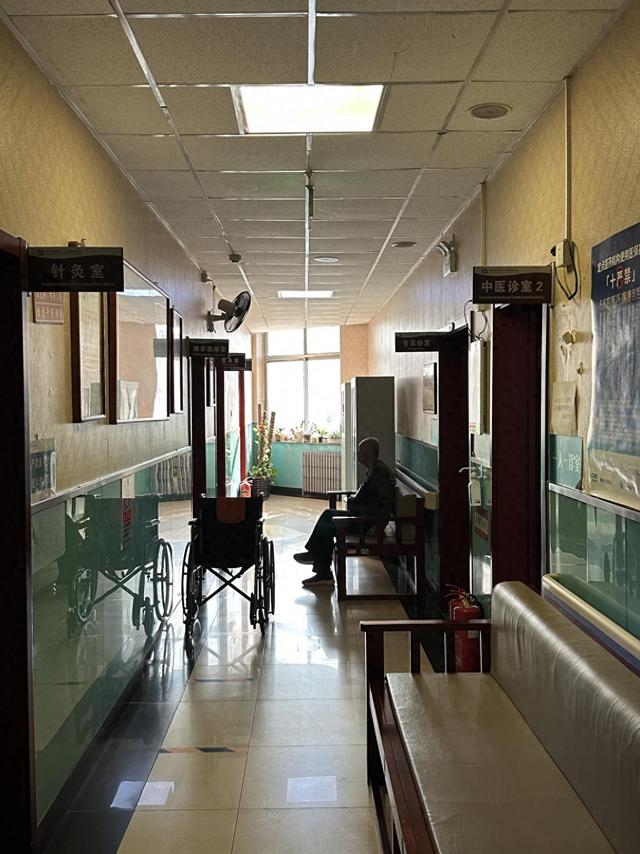
打工人疗养的终点:把社区医院当SPA平替
Hu Xiu· 2025-05-20 05:11
Core Viewpoint - The article discusses the increasing trend of young workers seeking relaxation and wellness services at community hospitals, which have evolved beyond traditional roles to offer a variety of health and wellness treatments, making them appealing alternatives to larger hospitals and spas [3][26]. Group 1: Community Hospitals as Wellness Centers - Community hospitals are no longer just small clinics; they now offer comprehensive services comparable to larger hospitals, including traditional Chinese medicine treatments like acupuncture and massage [8][26]. - Young workers are utilizing community hospitals for relaxation and wellness rather than just for medical treatment, transforming these facilities into informal wellness centers [7][10]. - The convenience of community hospitals, with their proximity and shorter wait times, makes them attractive for young workers seeking quick and affordable health services [9][24]. Group 2: Cost-Effectiveness and Accessibility - Community hospitals provide cost-effective services, with many treatments being covered by insurance, allowing workers to save significantly compared to private clinics or larger hospitals [21][24]. - For example, a dental treatment at a community hospital can cost significantly less than at a private clinic, with insurance covering a large portion of the expenses [20][21]. - The high reimbursement rates for services at community hospitals (up to 90% in some cities) make them a financially viable option for young workers [24]. Group 3: Enhanced Patient Experience - The atmosphere in community hospitals is described as more personal and caring, with doctors taking the time to listen to patients and provide tailored advice, enhancing the overall patient experience [31]. - Community hospitals are seen as a place where young workers can receive not only medical treatment but also emotional support, creating a sense of care and community [30][31]. - The addition of specialized services, such as weight management programs, reflects a growing understanding of the holistic needs of young workers [28][29].
老百姓口中的“宝藏医院”一天门诊量逾两千 社区医疗功能从无到有、从有到优 重拾临床硬功夫 留住居民有底气
Jie Fang Ri Bao· 2025-03-31 01:41
Core Viewpoint - The article highlights the success of the Dapuqiao Community Hospital in Shanghai, which has become the first community hospital in the city, attracting residents despite the proximity of well-known large hospitals. The hospital's focus on providing quality medical services and a patient-friendly environment has made it a preferred choice for local residents [1][2]. Group 1: Community Hospital Development - Dapuqiao Community Hospital was officially established in May 2024, becoming the first community hospital among 248 community medical institutions in Shanghai [2][3]. - The hospital aims to address residents' actual medical needs by providing a range of services, including outpatient care, minor surgeries, and basic emergency services [3][4]. Group 2: Service Quality and Patient Experience - The hospital has implemented a year-round service model, operating 365 days a year, which has garnered positive feedback from residents [6]. - The hospital has opened over 20 specialized outpatient clinics based on community needs, with popular services including insomnia and postpartum rehabilitation [6][7]. Group 3: Expert Collaboration and Training - Nearly 30 experts from major hospitals regularly visit the community hospital to provide guidance and training to local doctors, enhancing the quality of care [4][5]. - The collaboration with renowned hospitals allows community hospital staff to learn and improve their skills, ensuring high-quality medical services for residents [5][6]. Group 4: Insurance and Financial Services - Dapuqiao Community Hospital has begun to expand its services to include commercial insurance, becoming a designated medical institution for certain insurance products [8]. - The hospital's reputation and established services have attracted insurance companies to develop products that cover community healthcare, indicating a growing recognition of community hospitals' capabilities [8][9]. Group 5: Future Goals - The hospital aims to effectively manage patients transferred from larger hospitals, ensuring they receive proper care and rehabilitation within the community [9][10].
