
蔬菜种植与加工

Search documents
云南宜良蔬菜八成出滇 年总产值逾13亿元创新高
Zhong Guo Xin Wen Wang· 2026-01-16 12:51
Core Viewpoint - Yiliang County in Yunnan Province has achieved a record annual vegetable output value exceeding 1.3 billion yuan, with 80% of its produce exported to various regions including Malaysia, Singapore, the UK, and Dubai [1][2] Group 1: Agricultural Development - Yiliang County is recognized as a demonstration county for pollution-free vegetable production, leveraging its favorable climate, abundant water resources, and fertile land to enhance vegetable cultivation [1] - The county has established three major vegetable production bases and an ecological irrigation industrial belt along the Jialong River and Nanpan River [1] Group 2: Future Plans and Investments - In 2024, Yiliang plans to reconstruct and upgrade over 3,900 acres of vegetable facilities and processing centers to promote green development and transformation of the vegetable industry [1] - By 2025, Yiliang aims to cultivate 12 vegetable production enterprises and 3 processing enterprises, with a total vegetable planting area of 240,000 acres [1] Group 3: Economic Impact - The vegetable planting area in Yiliang is projected to reach 282,700 acres by 2025, with an expected production of 547,900 tons and a total output value of 1.366 billion yuan, all of which represent new highs [2] - Approximately 80% of Yiliang's vegetables are exported, with an anticipated export revenue of 6 million USD in 2025 [2]
山西天镇:设施农业提升乡村振兴发展新质生产力
Xin Lang Cai Jing· 2025-12-26 06:43
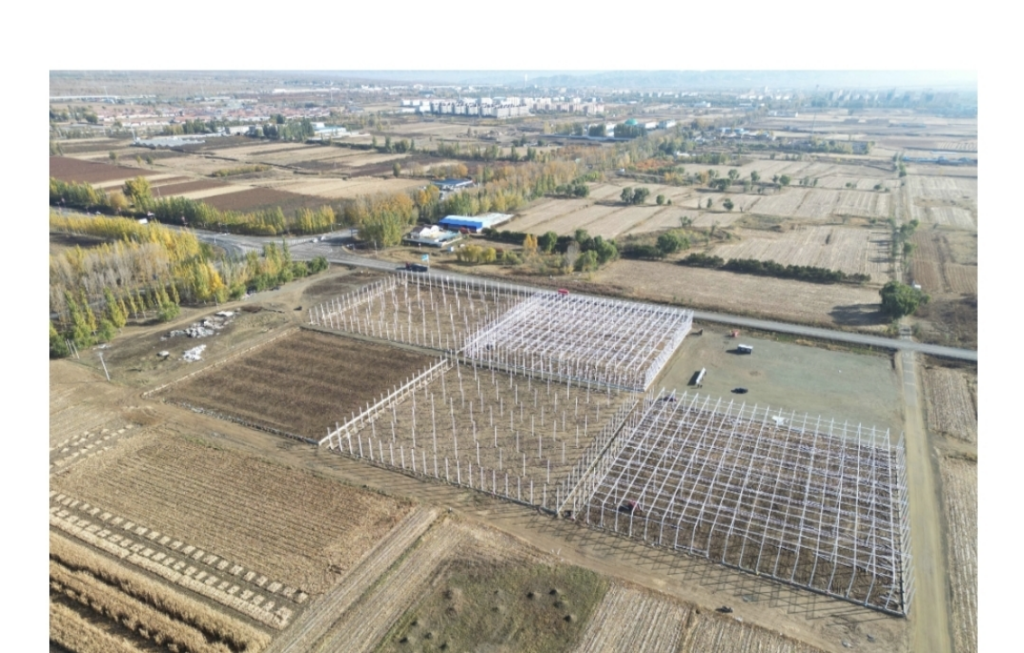
Core Insights - The article highlights the development of the agricultural sector in Tianzhen County, focusing on the growth of the facility vegetable industry and its impact on local employment and income generation [1][2][5]. Group 1: Industry Growth and Economic Impact - Tianzhen County has transformed its agricultural landscape by increasing the planting area from 8,600 acres in early 2022 to 45,000 acres by 2025, with a production output exceeding 220,000 tons and a value surpassing 1.1 billion yuan [1]. - The initiative has created 60 fixed employment positions, with an average annual income of over 30,000 yuan per person, benefiting approximately 26,000 workers with a total income of 420 million yuan [1]. - The county has been recognized as a direct supply base for vegetables to Beijing's Xinfadi market and is the only national modern facility agriculture innovation leading area in the province [1]. Group 2: Policy Support and Financial Incentives - The local government has implemented a supportive policy framework, including the "High-Quality Development Implementation Opinions for Facility Vegetable Industry," which has led to the disbursement of 170 million yuan in subsidies and attracted 2.5 billion yuan in social investment [2]. - Financial institutions have provided 1.19 billion yuan in loans for facility vegetables over four years, significantly bolstering the industry's growth [2]. - A new insurance model has been introduced, offering subsidies for greenhouse insurance, with a total of 69,000 acres insured over four years, and a new cost insurance scheme covering 3,550 acres this year [2]. Group 3: Technological Integration and Infrastructure Development - Tianzhen County has adopted the "Shouguang Model," integrating IoT, big data, and water-fertilizer integration technologies to enhance agricultural efficiency and sustainability [3]. - The establishment of over 90 vegetable procurement points and the training of more than 220 local vegetable brokers have created an efficient distribution model, facilitating the sale of 2,000 tons of vegetables to major cities like Beijing, Shanghai, and Guangdong during peak seasons [3]. - The county has invested 400 million yuan in infrastructure, resulting in the establishment of four specialized seedling production entities with an annual capacity of over 70 million seedlings, covering more than 50 varieties [3]. Group 4: Value Chain Expansion and Product Diversification - Tianzhen County is focusing on extending the value chain of facility vegetables, promoting a full-chain development model that includes seedling production, post-harvest sorting, initial processing, and waste utilization [5]. - The county is also developing processed vegetable products, such as dehydrated vegetables and pickled products, with an export revenue target of 2.81 million USD in 2024, reaching markets in over 20 countries [5]. - The introduction of a blockchain-based traceability system for agricultural products and the recent patent for a vegetable drying system highlight the county's commitment to innovation and quality assurance in the agricultural sector [5].

广西象州蔬菜远销RCEP成员国
Xin Lang Cai Jing· 2025-12-20 09:50
Group 1 - The core point of the article highlights the significant growth in vegetable exports from Xiangzhou County, achieving 4,000 tons and nearly 100 million RMB in sales since 2025, with successful market penetration into RCEP member countries like South Korea and Malaysia [1][3] Group 2 - The vegetable planting area in Xiangzhou County has expanded from 162,000 acres in 2020 to 184,900 acres, with production exceeding 300,000 tons, laying a solid foundation for export [3] - The county has established a cold chain system that extends from local farms to international markets, supported by its designation as a pilot county for national agricultural product storage and cold chain facility construction [3] - The "Xiangzhi Hui" agricultural product comprehensive trading center, set to be operational in October 2024, will feature a processing plant meeting EU export standards, with a daily sales capacity of 30 tons and an annual export target of 30,000 tons, generating approximately 300 million RMB in output value [3] - The cold chain system allows for a 7-day shelf life for vegetables, enabling next-day delivery to ASEAN markets, thus bringing fresh Xiangzhou vegetables to international consumers [3]
黑土地上“蔬”写致富经
Jin Rong Shi Bao· 2025-11-25 05:18
Core Insights - The vegetable industry in Suhua City, Heilongjiang Province, is thriving, with a planting area of 870,000 acres and a production capacity of 1.036 million tons, significantly contributing to local farmers' income and industrial revitalization [1][3] Group 1: Industry Overview - Suhua City has established a strong reputation for its vegetable brands, including "Black Land" chili and "Zhongnuo Feng" soybean, which are gaining recognition in various markets [1] - The city has developed a new supply chain for vegetable distribution, facilitating the transportation of fresh produce to regions like the Yangtze River Delta and Pearl River Delta [1] Group 2: Financial Support and Initiatives - The People's Bank of China Suhua Branch has issued guidelines to enhance financial support for the vegetable industry, proposing 12 specific measures to increase credit availability and reduce financing costs [3] - As of September, a total of 298 million yuan in loans has been issued to 1,026 vegetable industry entities, marking a year-on-year increase of 13.1% [3] Group 3: Banking Products and Services - Local banks are optimizing their credit products to support the vegetable industry, with offerings like "Farmer Credit Quick Loan" and "Personal Business Loan" to meet diverse financing needs [4] - The "Scale Grower Loan" product introduced by Suhua Rural Commercial Bank aims to enhance the loan approval rate for agricultural entities through a scientific scoring system [4]
长江边,“一棵菜”的升级答卷
Ren Min Wang· 2025-11-09 08:36
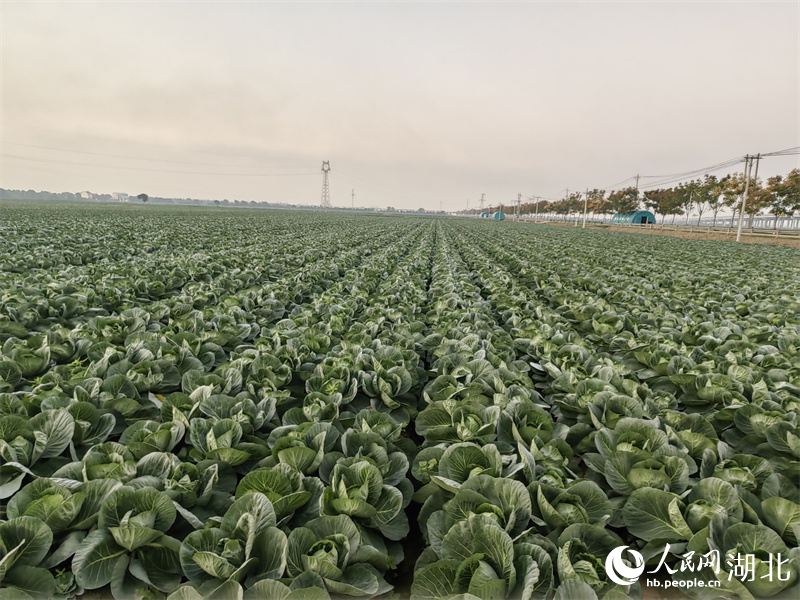
Core Viewpoint - The article highlights the transformation of the vegetable industry in Jia Yu County, Hubei Province, emphasizing the shift towards technological innovation, local seed development, and brand establishment to enhance quality and market competitiveness [1][2][7]. Group 1: Technological Advancements - Jia Yu County has developed a local variety of winter cabbage called "Sitedan," which now accounts for over 70% of the local market, reducing costs to one-third or half of imported seeds and increasing yield by 20% [2]. - The integration of technology in agriculture is evident, with real-time data monitoring for soil moisture, temperature, and pest control being utilized to improve farming practices [3][5]. - The establishment of the Jia Yu County Vegetable Industry Technology Research Institute aims to accelerate the application of scientific research in agriculture, creating an open agricultural technology laboratory [5]. Group 2: Supply Chain and Market Dynamics - A modern supply chain has been established, allowing for efficient processing and distribution of vegetables, with a new deep-processing facility expected to handle 50,000 tons annually [6]. - The "Xiangyin City Vegetable Supply Chain Information Platform" has been created, integrating over 1,500 agricultural entities, achieving a transaction volume of 146 million yuan in the first nine months of the year [6]. Group 3: Branding and Market Positioning - The launch of the "Jia Yu Vegetables" regional public brand marks a significant shift from selling raw materials to branding, enhancing the market presence of local produce [7][9]. - Jia Yu County has received multiple certifications for its vegetable varieties, including green food certification and national geographical indication for "Jia Yu Cabbage," contributing to its reputation as "China's Cabbage Town" [9]. Group 4: Economic Impact - The vegetable industry in Jia Yu County generates an annual output value of 6 billion yuan, involving 75,000 farmers and providing an average annual income of 17,000 yuan per person [10]. - The cooperative model implemented in the region has successfully organized farmers, enhancing their market access and income potential through a "three-gold" model of rent, salary, and shares [10].
中国7万人小镇,拿捏了韩国人的胃
36氪· 2025-08-30 01:19
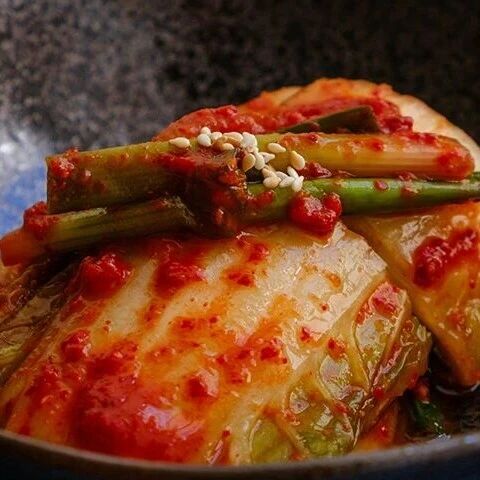
Core Viewpoint - The article discusses how the small town of Renzhao in Shandong, China, has become a dominant player in the South Korean kimchi market, leveraging its agricultural advantages and strategic responses to market demands [10][11][12]. Group 1: The Kimchi Crisis in South Korea - Kimchi is a staple food in South Korea, with an average consumption of 35 kilograms per person per year, and over 95% of the population consumes it daily [16][20]. - South Korea faces agricultural challenges due to its limited arable land, leading to a low self-sufficiency rate of only 20% for food production [20]. - Extreme weather events have historically caused significant disruptions in cabbage supply, leading to price surges and a reliance on imports, particularly from China [21][24][32]. Group 2: Renzhao's Strategic Positioning - Renzhao town has captured over 30% of the South Korean kimchi market, with 80% of imported kimchi coming from this region [10][11]. - The town's success is attributed to its favorable agricultural conditions, including a temperate climate and fertile land, which are ideal for cabbage cultivation [40]. - The establishment of kimchi factories in Renzhao began around 2000, with a significant increase in production aimed at the South Korean market by 2005 [41][43]. Group 3: Quality Control and Market Adaptation - Renzhao's kimchi producers have implemented rigorous quality control measures, including fresh ingredient sourcing, multiple cleaning processes, and strict hygiene standards to meet South Korean export requirements [49][50]. - The local industry has adapted to South Korean taste preferences by using high-quality ingredients and developing specific flavor profiles for different regions in South Korea [55][57]. - Innovative techniques, such as spraying saltwater on cabbage instead of manual salting, have been employed to maintain the desired texture and flavor during transportation [58][60]. Group 4: Lessons for Other Regions - Renzhao's experience highlights the importance of identifying niche markets and focusing on quality and safety standards to compete globally [91]. - The town has also optimized its supply chain by leveraging data analytics to predict market demands and adjust production accordingly [83][88]. - The local government plays a crucial role in supporting the industry by facilitating connections between producers and markets, enhancing the overall business environment [90].
三地三代科研人接力种出新滋味
Bei Jing Wan Bao· 2025-07-11 05:51
Core Viewpoint - The article highlights the transformation of agricultural practices in Hebei's Guyuan region, showcasing the integration of technology and traditional farming to enhance vegetable production, particularly lettuce, which is now a significant supplier for fast-food chains like KFC and McDonald's [1][3]. Group 1: Historical Development - The introduction of lettuce cultivation in the Guyuan region began in the 1990s, initiated by a company from Shunyi, which aimed to diversify local agriculture beyond potatoes [1][2]. - By 2000, lettuce cultivation had stabilized, and the demand from fast-food chains led to the establishment of multiple growing bases across Hebei and Tianjin [3][5]. Group 2: Technological Integration - Since 2014, collaboration between agricultural experts and local companies has led to the establishment of weather observation stations and the use of big data to optimize irrigation and fertilization practices [5][6]. - By 2020, comprehensive weather data collection allowed for precise water and fertilizer management, significantly improving crop yields [6]. Group 3: New Product Development - In 2023, a fresh-cut vegetable factory was established in Guyuan, producing ready-to-eat meal options that cater to urban consumers, particularly young professionals [6][7]. - The region has seen a shift from being a poverty-stricken area to a vibrant agricultural hub, with high-value crops and processed products contributing to local economic growth [6][7]. Group 4: Educational Initiatives - The establishment of "Vegetable Technology Small Courtyards" has facilitated knowledge transfer between academic institutions and local farmers, enhancing agricultural practices through innovative solutions [7][8]. - Young researchers are actively engaging with local communities, using social media to disseminate agricultural knowledge and promote modern farming techniques [8][9].
一根黄瓜撬动百亿市场,临沂小县城何以创造奇迹
Qi Lu Wan Bao Wang· 2025-07-08 15:37
Core Insights - The cucumber industry in Yinan County has become a significant economic driver, with an annual output value exceeding 10 billion yuan, supported by advanced agricultural techniques and a strong market presence [1][3][6] Group 1: Industry Overview - Yinan County is recognized as the largest summer and autumn cucumber production base in China, with a cultivation area of 130,000 acres and an annual production of 6.5 billion pounds [3][7] - The county's cucumbers are well-regarded for their quality, benefiting from fertile soil, ample sunlight, and rich water resources [3][5] Group 2: Technological Advancements - The introduction of smart agricultural technologies, such as environment control systems and precision nutrient delivery, has significantly enhanced cucumber cultivation efficiency [4][5] - A digital trading platform has been established to improve market transparency and efficiency, resulting in a 20-fold increase in transaction efficiency and a 95% reduction in disputes [5][6] Group 3: Product Innovation and Value Addition - Yinan County is expanding its cucumber product offerings through deep processing initiatives, including the development of cucumber juice and other functional beverages, which have increased product value by over five times [6][7] - Collaborations with various enterprises aim to enhance the entire cucumber supply chain, from breeding and planting to processing and sales, thereby increasing the overall industry value [7][8]
中国北疆“小毛葱”出口 年产值超5亿元人民币
Zhong Guo Xin Wen Wang· 2025-06-22 05:10
Core Insights - The forum on the "Whole Industry Chain Demonstration and High-Quality Development of Fenhe Onion" was held in Heilongjiang Province, highlighting the significance of the onion industry in China, particularly in Heilongjiang and Jilin provinces [1][2] - The annual output value of small onions has exceeded 500 million RMB, with Heilongjiang being the largest production area [1][2] Industry Overview - Heilongjiang Province has approximately 150,000 acres of onion cultivation, while Jilin Province has around 120,000 acres [1] - The processing and export scale of onions in Heilongjiang has been steadily expanding, transitioning from raw material output to deep processing [1] - The onion industry is witnessing the emergence of competitive products in the international market, with products like onion juice and onion oil being exported to countries such as Malaysia and Singapore [1] Company Highlights - Zhongji Agricultural Products Processing Co., Ltd. in Heilongjiang is the only deep processing export enterprise for onions in Northeast China, with an annual processing capacity of 31,000 tons [1] - The company exported over 9 million USD last year and anticipates better export performance this year [1] - The newly developed onion variety "Zhongji 101" is expected to yield 14.78% more than other varieties, enhancing the productivity of onion cultivation in Heilongjiang and Jilin [2]
产值近700亿元!全国冬节瓜产业聚力升级
Nan Fang Nong Cun Bao· 2025-06-21 12:31
Core Viewpoint - The national winter melon industry is experiencing significant growth, with a comprehensive output value nearing 70 billion yuan, driven by advancements in technology and industry integration [15][19]. Industry Overview - The fifth National Winter Melon Conference was held in Guangzhou, Guangdong, focusing on the entire winter melon industry chain and gathering experts, scholars, and industry representatives to explore new paths for industry integration [5][6]. - The national winter melon planting area increased from 5.5 million mu in 2020 to 6.5 million mu, with the comprehensive output value rising from 55 billion yuan to nearly 70 billion yuan [18][19]. Technological Advancements - The conference emphasized breaking down barriers in breeding, production, processing, circulation, and consumption, supporting innovation to develop high-value-added products [22][24]. - The Guangdong Agricultural Technology Promotion Center aims to create a platform for promoting agricultural technology achievements, showcasing over 100,000 new varieties and advanced technologies [30][31]. Product Diversification - The event featured a variety of winter melon products, including winter melon tea, sliced winter melon, dehydrated winter melon, and dietary fiber meal replacement powder, highlighting the diverse value and development potential of the winter melon industry [40]. - The conference also introduced the first national winter melon industry map, identifying major production areas with over 180,000 mu of annual planting [42]. Collaboration and Partnerships - Collaborations were established between various agricultural research institutions and companies to enhance winter melon breeding technology and product development [46][49]. - The conference included discussions on new vegetable industry models and management challenges in winter melon cultivation, providing scientific guidance for growers [44][45]. Awards and Recognition - A competition showcased 205 winter melon varieties, with awards given to outstanding specimens, reflecting the increasing demand for diverse and high-quality winter melon products [58][60]. - The event recognized the need for improved quality standards and safety in winter melon production, contributing to the industry's standardization and safety development [43].
