计算机科学

Search documents
刚刚,图灵奖2025公布,荣誉属于两位量子信息科学奠基人
机器之心· 2026-03-18 11:02
Core Viewpoint - The 2025 ACM A.M. Turing Award is awarded to Charles H. Bennett and Gilles Brassard for their foundational contributions to quantum information science and transformative roles in secure communication and computation [1][3]. Group 1: Award Significance - The ACM A.M. Turing Award, often referred to as the "Nobel Prize of Computing," carries a prize of $1 million funded by Google [3]. - Bennett and Brassard are recognized as pioneers in quantum information science, a field that intersects physics and computer science, utilizing quantum mechanics for information processing and transmission [4]. Group 2: Contributions to Quantum Cryptography - In 1984, Bennett and Brassard proposed the first practical quantum cryptography protocol, known as the BB84 protocol, which ensures secure key distribution based on physical laws, even against adversaries with unlimited computational power [4][5]. - The BB84 protocol does not rely on computational assumptions, achieving information-theoretic security by leveraging the fundamental properties of quantum information, which cannot be copied or measured without disturbance [5]. Group 3: Impact on Computing Theory - Their work has reshaped the theoretical foundations of computation, including the demonstration of quantum teleportation and entanglement distillation, which are crucial for scalable quantum communication [6]. - Bennett and Brassard's collaboration has bridged the gap between physics and computer science, influencing various fields such as cryptography, algorithm design, and computational complexity [6]. Group 4: Future of Quantum Information Science - The future of quantum information science includes exploring fault-tolerant quantum computers, new quantum algorithms, and long-distance quantum communication supported by satellites and quantum repeaters [11]. - Their insights continue to impact both foundational research and practical innovations in the rapidly evolving field of quantum technology [11].


万物皆计算:重塑人类未来的五大底层逻辑
腾讯研究院· 2026-03-13 07:33
Core Viewpoint - Humanity is undergoing a paradigm revolution, particularly in the realm of artificial intelligence (AI), which is reshaping our understanding of intelligence and computation [5][7]. Group 1: Paradigm Shifts in AI - The article outlines five interconnected paradigm shifts that are influencing AI development: 1. Natural Computing: Recognizes computation as a natural phenomenon, which can drive innovations in computer science and AI [6]. 2. Neural Computing: Aims to reconstruct AI systems to mimic the brain's mechanisms, enhancing AI efficiency and unlocking its potential [6]. 3. Predictive Intelligence: Highlights that the essence of intelligence lies in evolving knowledge and statistical modeling of the future, suggesting that AI will continuously evolve like humans [10]. 4. General Intelligence: Suggests that AI capabilities are already comprehensive, capable of handling diverse cognitive tasks, indicating that "Artificial General Intelligence" (AGI) may already be here [10]. 5. Collective Intelligence: Emphasizes that intelligence is inherently social and can be enhanced through collaboration among multiple intelligent agents [10]. Group 2: Historical Context and Theoretical Foundations - The article discusses the historical context of computer science, tracing its roots back to the Turing machine and the early development of electronic computers like ENIAC, which laid the groundwork for modern computing [11][12]. - It also references John von Neumann's insights into the relationship between computation and biology, suggesting that life itself is fundamentally computational [14][17]. Group 3: Advances in AI and Machine Learning - The emergence of large language models (LLMs) has demonstrated that AI can achieve remarkable general intelligence through simple predictive tasks, challenging traditional views on intelligence [36][38]. - The article posits that LLMs can learn a wide variety of algorithms, surpassing the totality of algorithms discovered by computer scientists [36]. Group 4: Future Directions in AI - The future of AI is expected to involve a shift towards neural computing paradigms that may utilize new substrates such as photonic, biological, or quantum systems, moving away from traditional silicon-based architectures [34][35]. - The article suggests that AI models will evolve into self-constructing systems that learn dynamically from experience, rather than being static with fixed parameters [40].


快排算法之父Tony Hoare去世,从古典学文科生出身到图灵奖得主,他的人生比算法更传奇
量子位· 2026-03-11 01:18
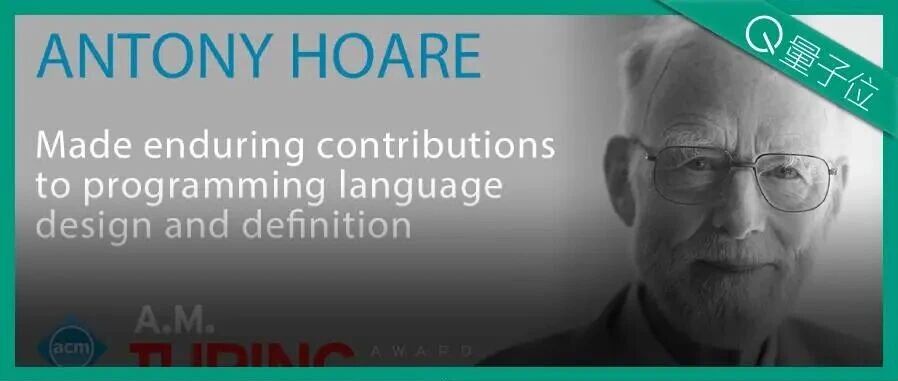
Core Viewpoint - The article discusses the life and contributions of Tony Hoare, the father of the quicksort algorithm, who passed away at the age of 92. It highlights his significant impact on computer science, particularly through the development of quicksort, Hoare logic, and the CSP model, as well as his acknowledgment of the "billion-dollar mistake" of introducing the null reference concept [1][4][27][41]. Group 1: Quicksort Algorithm - Quicksort is one of the most widely used sorting algorithms, included in the standard libraries of major programming languages such as C, Java, and Python [2][3]. - The algorithm was conceived in 1959 when Hoare was a visiting student in Moscow, where he initially considered using bubble sort but found it inefficient with a time complexity of O(n²) [5][12]. - Hoare developed a new approach by selecting a "pivot" element and partitioning the array into elements less than and greater than the pivot, which is a divide-and-conquer strategy [13]. - Quicksort has an average time complexity of O(n log n) and requires O(log n) auxiliary space, making it more efficient than merge sort, which requires O(n) additional memory [19][20]. - The algorithm is particularly well-suited for modern computer cache mechanisms, leading to faster execution times compared to other algorithms with similar complexities [21][24]. Group 2: Contributions to Computer Science - In 1969, Hoare introduced Hoare logic, a formal system for verifying program correctness, which laid the theoretical foundation for software reliability and security research [28]. - He proposed the CSP model in 1978, which describes interactions between concurrent processes and influenced the design of concurrency in the Go programming language [30][31]. - Hoare received the Turing Award in 1980 for his fundamental contributions to programming language design, emphasizing the importance of language quality in software development [35][36]. Group 3: The Billion-Dollar Mistake - Hoare introduced the concept of the null reference in 1965 while designing the ALGOL W language, intending to represent a variable with "no value" [41][42]. - This design choice led to widespread adoption in languages like Java and C++, resulting in numerous NullPointerExceptions and system failures over the decades [43][44]. - Hoare later reflected on this decision as a significant error, estimating it caused billions in damages and frustrations in the software industry [45]. Group 4: Personal Background and Career - Born in 1934 in British Ceylon (now Sri Lanka), Hoare initially studied classical studies and philosophy at Oxford University before transitioning to computer science [49][50]. - His career spanned both industry and academia, where he contributed to the development of the ALGOL 60 compiler and later became a professor at Queen's University Belfast and Oxford University [60][68]. - Hoare's work has earned him numerous accolades, including being knighted by Queen Elizabeth II and receiving the Kyoto Prize in 2000 [74].
清华姚班20年,毕业生撑起全球AI半边天
Sou Hu Cai Jing· 2026-02-06 09:31
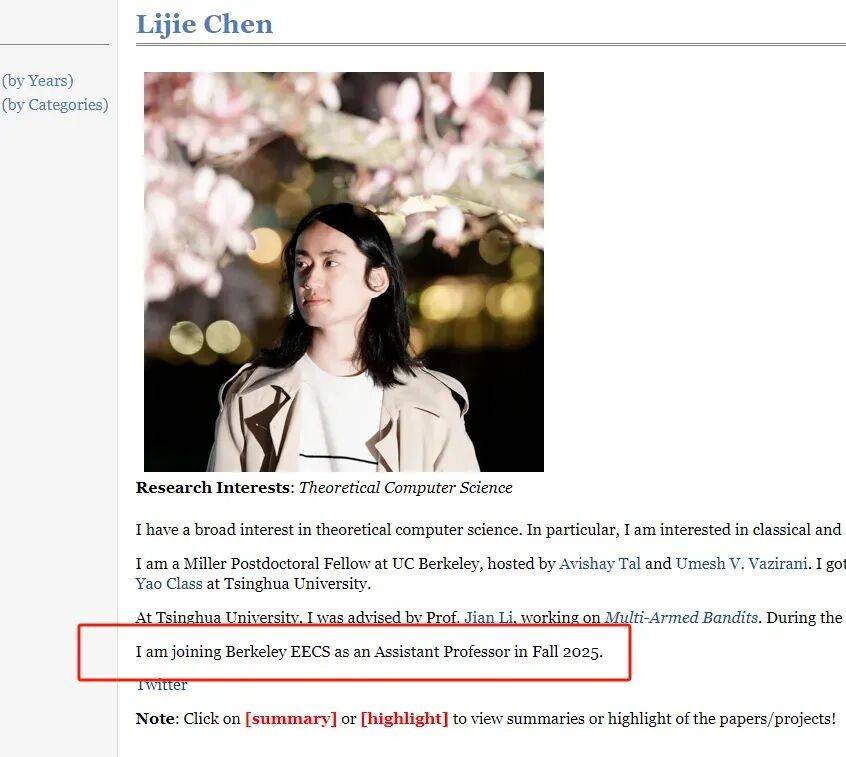
Core Insights - The article highlights the recent recruitment of two prominent talents from Tsinghua University's Yao Class, Chen Lijie and Yao Shunyu, by OpenAI and Tencent respectively, showcasing the influence of this elite program in the AI industry [1][11]. Group 1: Chen Lijie's Journey - Chen Lijie, a graduate of Tsinghua's Yao Class and a PhD from MIT, is now an assistant professor at UC Berkeley, recognized for his achievements in theoretical computer science [1][3]. - Initially struggling academically, Chen became engrossed in computer programming during middle school, leading to a remarkable turnaround in his academic performance [3][6]. - He excelled in national informatics competitions, winning multiple awards, including a gold medal at the National Olympiad in Informatics and a gold medal at the International Olympiad in Informatics, establishing himself as a leading figure in the field [6][8]. Group 2: Yao Shunyu's Profile - Yao Shunyu, also from Tsinghua's Yao Class, was appointed as Tencent's Chief Scientist at the age of 27, drawing attention due to his impressive background [11][12]. - Despite not being a top student initially, Yao demonstrated exceptional computer skills, earning a silver medal at the National Olympiad in Informatics and later achieving high academic scores to enter Tsinghua [11][13]. - Yao's diverse interests include founding a rap society at Tsinghua, indicating a multifaceted personality that blends creativity with technical expertise [13][14].
arXiv开始拒收综述论文了?「论文DDoS」这事,这篇NeurIPS论文早有讨论
机器之心· 2025-11-17 03:19
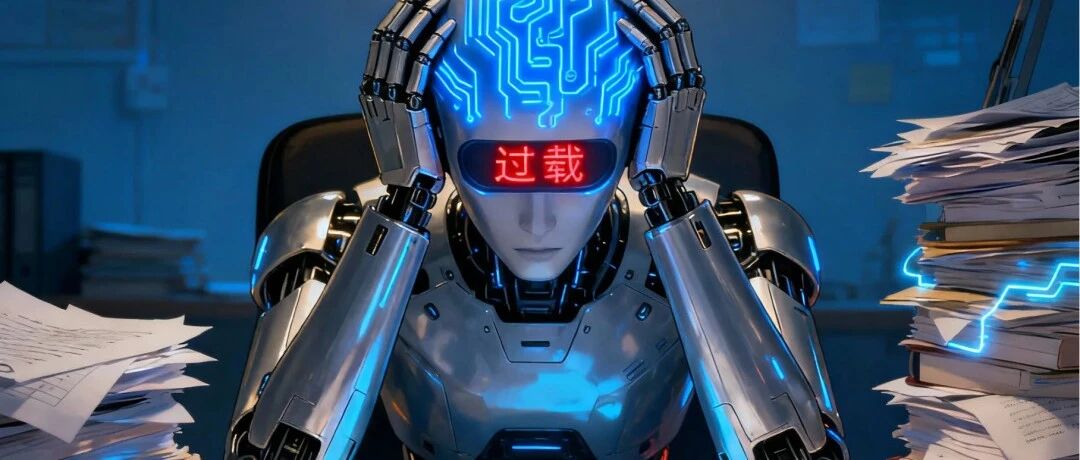
Core Viewpoint - The article discusses a significant update from arXiv, requiring all review and position papers in the computer science category to undergo peer review before submission, primarily due to the overwhelming influx of AI-generated content [2][8]. Group 1: The Crisis of AI-Generated Papers - The term "Survey Paper DDoS attack" is introduced to describe the overwhelming number of low-quality AI-generated survey papers flooding the academic community [5][20]. - The increase in AI-generated content has led to a situation where valuable insights are obscured, akin to a denial-of-service attack, making it difficult for researchers to access meaningful academic contributions [7][21]. Group 2: Quantitative Evidence of the Surge - A study analyzed 10,063 survey papers from arXiv between 2020 and 2024, revealing a significant spike in submissions post-2022, coinciding with the rise of generative AI tools like ChatGPT [10][12]. - The average AI-generated score has more than doubled, indicating that AI is a primary driver of this growth [13]. - There has been a notable increase in suspicious publishing behavior, with authors publishing multiple papers in a short time frame, suggesting AI-assisted bulk production [14]. Group 3: Detrimental Effects on Academic Integrity - AI-generated reviews are not merely noise; they pose a serious threat to the academic ecosystem by introducing low-quality, redundant content [16][19]. - Traditional expert-written reviews provide critical insights, whereas AI-generated reviews often lack structure, innovative classification, and can contain inaccuracies [17][18]. - The phenomenon of "literature poisoning" occurs when new researchers rely on flawed AI-generated reviews, potentially embedding incorrect academic foundations [19]. Group 4: Proposed Solutions - The article suggests that arXiv's new regulations are a necessary but reactive measure against the crisis [23][25]. - The authors propose a shift towards "Dynamic Live Surveys" (DLS), which would create a community-maintained online knowledge base, allowing for real-time updates and reducing redundancy [24]. - Recommendations include stricter review processes, transparency in AI usage, and incentivizing high-quality reviews to combat the influx of low-quality submissions [26].
当AI重新定义「科研影响力」:一场关于CSRankings的反思与重塑
机器之心· 2025-11-15 06:23
Core Viewpoint - The article discusses the evolution of academic ranking systems, emphasizing the shift from quantity-based metrics, such as the number of published papers, to quality-based assessments that reflect true academic impact and influence [2][12]. Group 1: Issues with Current Ranking Systems - Traditional ranking systems like USNews rely on subjective surveys, while CSRankings uses objective metrics like publication counts, leading to a competition focused on quantity rather than quality [2][3]. - The reliance on citation counts to measure academic influence has its drawbacks, as not all citations indicate significant contributions to the field [3][4]. Group 2: New Approaches to Measuring Impact - A new academic ranking system has been developed by researchers from Oregon State University and the University of California Santa Cruz, utilizing large language models (LLMs) to assess the impact of academic papers [5][7]. - The LLM analyzes top AI conference papers from 2020-2025 to identify the five most important references cited by each paper, aiming to uncover the foundational works that drive innovation in the field [7][8]. Group 3: Implementation of the New Ranking System - The new system maps the identified key references back to their authors and institutions, assigning academic influence points based on how often a paper is cited as a key reference by new research [10][12]. - This approach rewards institutions that contribute to groundbreaking discoveries and foundational research, shifting the focus from mere publication counts to genuine academic influence [12][13]. Group 4: Results and Rankings - The resulting rankings highlight institutions that have significantly impacted their fields, showcasing a more nuanced understanding of academic contributions [12][14]. - The article provides specific rankings of institutions based on their impact scores, illustrating the effectiveness of this new methodology in recognizing true academic excellence [16][21].

把科学梦想“种”进更多人心田(弘扬科学家精神·关注科普月)
Ren Min Ri Bao· 2025-09-28 22:28
Core Viewpoint - The article highlights the importance of science popularization (popular science) efforts by Chinese academicians, emphasizing their role in enhancing public understanding of science and fostering interest in scientific knowledge [6][7][11]. Group 1: Importance of Science Popularization - Academicians play a crucial role in science popularization, helping the public understand scientific knowledge and improve scientific literacy [6][7]. - Engaging in popular science activities is seen as an obligation for academicians, contributing to the cultivation of scientific talent and innovation [8][9]. - The article discusses the positive impact of popular science on correcting misconceptions and providing accurate information about scientific developments [8][9]. Group 2: Targeted Approaches in Science Popularization - Different approaches are necessary for various audiences, such as middle school students, university students, and professionals in government and enterprises [9][10]. - For middle school students, interactive methods are emphasized, while university students benefit from broader interdisciplinary knowledge [9][10]. - Professionals require practical applications of scientific knowledge relevant to their fields [9][10]. Group 3: Diverse Formats for Science Communication - Science popularization can take many forms, including books, videos, lectures, and online platforms [11][13]. - The integration of scientific discoveries into educational materials, such as textbooks, is highlighted as an effective way to disseminate knowledge [13][14]. - The article mentions the significance of using various media to engage the public and enhance their understanding of scientific concepts [13][14]. Group 4: Personal Experiences and Insights - Academicians share their personal experiences in research and the importance of maintaining curiosity and resilience in scientific endeavors [15][17]. - The significance of igniting interest in science among students is emphasized, showcasing how storytelling can make science relatable [15][17]. - The article illustrates memorable moments from popular science activities, highlighting the positive reactions from students when they connect scientific principles to real-life scenarios [15][17].
哲学就业意外火了
投资界· 2025-09-11 08:44
Core Viewpoint - The perception of computer science (CS) as a "safe career choice" is rapidly deteriorating, with rising unemployment rates among graduates indicating a significant shift in the job market [2][3][10]. Group 1: Employment Trends - The unemployment rate for CS graduates has surged to 6.1%, nearly double that of philosophy graduates, while computer engineering graduates face an even higher rate of 7.5% [5][6]. - Graduates from top institutions like MIT and Stanford have seen their employment rates drop from 80% to 70% within two years, with the proportion entering major tech companies plummeting from 25% to 11-12% [7][10]. - The tech industry has experienced massive layoffs, with over 151,000 jobs cut in 2024 and an additional 22,000 in early 2025, affecting major companies like Google and Microsoft [14][15]. Group 2: Educational Challenges - The number of CS degrees awarded has more than doubled over the past decade, from 51,000 to 112,000, leading to a surplus of graduates compared to available job opportunities [16][17]. - Many universities continue to focus on outdated curricula, failing to keep pace with the evolving job market, which has resulted in a mismatch between graduate skills and industry needs [16][17]. Group 3: Market Dynamics - Companies are increasingly prioritizing skills and project experience over formal education, with 52% of job postings in early 2024 not requiring any formal education [20][23]. - The demand for traditional programming roles is declining, while positions in AI, machine learning, data engineering, and cybersecurity are on the rise, with growth rates significantly exceeding average values [24]. Group 4: Adaptation Strategies - Students are encouraged to build portfolios and gain practical experience, as employers are more interested in problem-solving abilities than academic performance [27][28]. - Participation in hackathons and real-world projects can provide valuable experience and improve employability, as demonstrated by successful case studies of graduates [27][28].

这个电子货运领域首届国际研讨会在广师大举行
Sou Hu Cai Jing· 2025-07-28 06:23
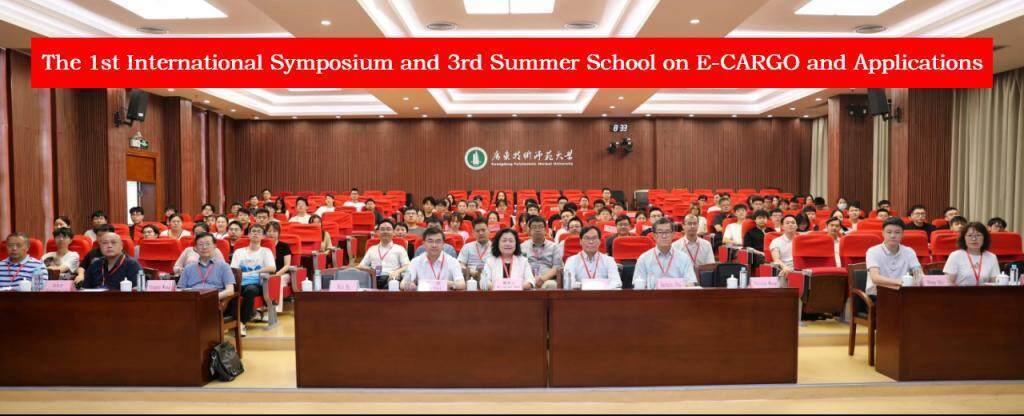
Core Points - The first IEEE E-CARGO and its Applications International Symposium and the third IEEE E-CARGO and its Applications International Summer School were held at Guangdong University of Technology, focusing on expanding the application of the E-CARGO model and Role-Based Collaboration (RBC) methodology [1][8] - The event attracted over 170 participants, including experts and scholars from more than 20 universities across China, Canada, the United States, Australia, and Japan [1] Group 1 - The opening ceremony featured a presentation by the Vice President of Guangdong University of Technology, highlighting the university's development history, recent high-quality growth, and future plans to become a high-level technical teacher training university rooted in the Bay Area and serving globally [3] - Experts from various institutions delivered speeches on cutting-edge topics such as artificial intelligence, low-altitude economy, robotics, smart education, smart healthcare, digital twins, autonomous intelligence, brain-like intelligence, multi-agent systems, and cyber-physical social systems [3] Group 2 - A special forum for young scientists was organized, featuring presentations from notable scholars, including recipients of the National Excellent Youth Fund and EU Marie Curie Scholars [5] - The symposium included a Best Paper Award selection process, resulting in the recognition of six outstanding papers, and discussions on the development and application of the E-CARGO model [6] Group 3 - The international summer school, held over three days, included seven tutorial sessions focused on the theme of "E-CARGO and its Applications," attracting over 40 participants from nearly 20 universities [8] - The event was organized by the IEEE Systems, Man, and Cybernetics Society and Guangdong University of Technology, with support from various international and local academic institutions [8]
国奖风采录丨南京理工大学陈翔:深耕人工智能,追求科技报国,争做新时代青年学术新星
Sou Hu Cai Jing· 2025-07-04 11:33
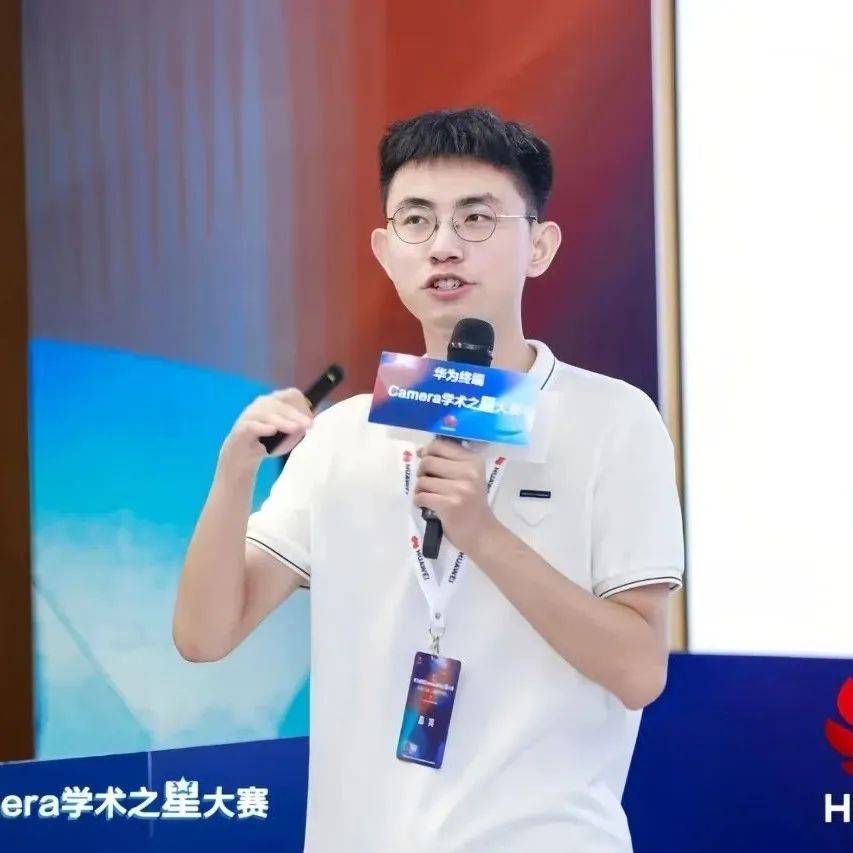
Core Insights - Chen Xiang, a PhD student at Nanjing University of Science and Technology, focuses on computer vision enhancement technology in harsh environments, having published 18 papers and received over 900 citations on Google Scholar [2][4] - He has been recognized as a "Huawei Terminal Camera Academic Star," a title awarded to only 14 individuals globally, and has participated in Huawei's talent selection program [10] Group 1: Academic Achievements - Chen has consistently ranked first in his program for two consecutive years and has received multiple scholarships and awards, including the National Scholarship and the CASC Public Welfare Scholarship [2][4] - He has been invited to serve as a chair for the International Joint Conference on Neural Networks (IJCNN) and has been a reviewer for over 40 international SCI journals and conferences [4] Group 2: Research Contributions - Chen is involved in a National Natural Science Foundation project focused on image and video enhancement for ground targets in adverse conditions, addressing challenges in battlefield environments [5] - He has proposed an all-weather visual imaging enhancement technology and collaborates with military and defense organizations to innovate reconnaissance methods using AI [5] Group 3: Community Engagement - Chen actively participates in academic conferences, sharing his research with over 48,000 attendees across various platforms, and has received awards for his presentations [9] - He emphasizes the importance of balancing hard work with visionary thinking, aiming to contribute to national development through his research [9]