轻工家电

Search documents
十大券商一周策略:A股将迎“春季躁动”胜率最高阶段,涨价仍是核心配置线索,重视关税税率下降后出口链修复机会
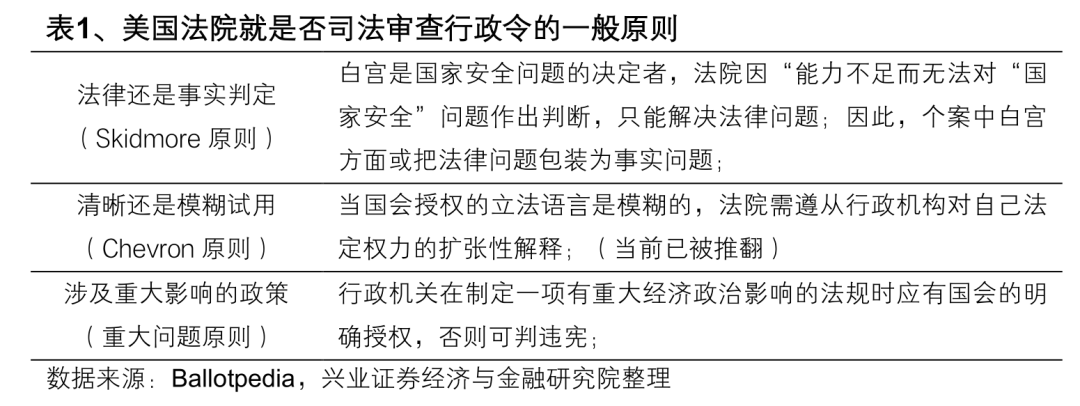
Jin Rong Jie· 2026-02-24 00:10
Group 1 - The core investment theme post-Spring Festival revolves around "price increases" and "revaluation of physical assets," particularly in resource, chemical, and midstream manufacturing sectors, leveraging China's pricing power amid global uncertainties [1][2] - The technology sector, particularly driven by AI, remains a key focus, with sub-sectors like computing power, applications, and robotics expected to remain active due to industrial catalysts [1][2] - The recovery of export chains, non-bank financials, and certain consumer and real estate chains are seen as important supplements to market trends under the backdrop of internal and external demand recovery [1] Group 2 - CITIC Securities emphasizes that price increases are a core configuration clue for Q1, with a focus on sectors like chemicals, non-ferrous metals, power equipment, and new energy, while also increasing exposure to undervalued insurance and brokerage stocks [2] - Historical data indicates that February and the period around the Spring Festival are strong for market movements, with small-cap stocks showing a 100% probability of rising from the Spring Festival to the Two Sessions [3] - Guojin Securities highlights the importance of balancing global physical assets against Chinese assets, recommending commodities like copper, aluminum, and oil, as well as sectors with global comparative advantages like equipment exports and domestic manufacturing [4] Group 3 - Industrial sectors experiencing structural price increases due to supply-demand gaps are primarily in midstream materials and manufacturing, with a focus on chemicals, steel, and high-end manufacturing [5] - The potential for recovery in the export chain is noted, particularly in industries with significant exposure to the U.S. market that will benefit from reduced tariffs [5] - The policy uncertainty surrounding tariffs and trade is expected to favor gold as a risk hedge, with market participants anticipating potential shifts in U.S. trade policy [6] Group 4 - Attention is drawn to the post-holiday inventory replenishment in commodities, with a continued positive outlook on technology applications, particularly in semiconductors and AI [7] - Quantum technology is highlighted as a sector receiving dual catalysts from policy and technological advancements, with significant developments in quantum key distribution networks [8] - The AI industry revolution is identified as a key investment theme, focusing on computing power, storage, and applications, with a strong emphasis on the performance of high-growth sectors [9] Group 5 - Localized opportunities are expected in AI applications linked to overseas trends and robotics associated with the Spring Festival, with a cautious approach to market movements anticipated [10] - The current bull market logic remains intact, with a recommendation for investors to maintain confidence despite short-term volatility, focusing on sectors with high securities ratios [11]
积极因素提振A股开市信心 两大主线配置价值获看好
Zhong Guo Zheng Quan Bao· 2026-02-23 20:18
Group 1 - The A-share market is expected to continue its spring rally in 2026, driven by policy guidance and industry trends, with a focus on technology and resource sectors [1][3] - The market sentiment is currently strong, with limited adjustment pressure, and the potential for a rebound in market indices post-Spring Festival [2][3] - The AI sector is highlighted as a key investment opportunity, with expectations for significant advancements and commercialization in 2026 [3][4] Group 2 - Resource sectors, including chemicals and precious metals, are gaining attention from institutions, particularly due to rising international prices for gold and oil [4][5] - The geopolitical situation may provide a short-term boost to oil prices, while precious metals are seen as a safe haven for investors [5][6] - The upcoming peak season for industrial production and construction in March and April is expected to validate price increases and influence market trends [6]
兴业证券:美关税判决是行政权受限带来的长期叙事变化 关注税率下降对A股出口链影响
智通财经网· 2026-02-22 10:56
Core Viewpoint - The U.S. Supreme Court ruled 6-3 that the tariffs imposed by the U.S. on China, including the fentanyl tariffs, are unconstitutional, which is expected to impact asset prices, supporting U.S. stocks while putting pressure on U.S. bonds [1] Group 1: Legal and Regulatory Implications - The ruling emphasizes that the power to impose tariffs belongs to Congress, as stated in the Constitution, and cannot be delegated to the executive branch without clear and explicit language [2] - The ruling reaffirms the "major questions doctrine," which requires that significant economic and political regulations must have explicit authorization from Congress, limiting the expansion of executive power [3] - The interpretation of the IEEPA statute indicates that it does not grant the president the authority to impose tariffs, as the statute has never been used for such purposes in its 50-year history [4] Group 2: Economic and Market Impact - The reduction in tariffs is expected to lead to a decrease in government revenue and a slight decline in U.S. consumer prices, while the fiscal deficit may increase [8] - The ruling is anticipated to create a long-term narrative shift in U.S. politics, potentially increasing chaos in future policies and stimulating demand for precious metals and other "weak dollar assets" [8] - Industries with significant revenue exposure to the U.S. and substantial production capacity in ASEAN regions, such as light industry appliances, consumer electronics, batteries, automotive parts, and medical devices, are expected to benefit from the tariff reductions [8][12] Group 3: Political Dynamics - The ruling may lead to ongoing disputes over tariff authority, with Congress likely to strengthen its oversight of executive actions, impacting the speed and flexibility of future tariff policies [13] - The conflict between executive and legislative powers is expected to intensify, with Congress potentially seeking to limit Trump's other executive powers on various issues [13] - The potential for alternative tariffs may affect international relations, particularly with China, as the ruling could be seen as an opportunity for tariff reductions in U.S.-China relations [13]