
钢铁铝材

Search documents
押上整个美国,让中国倒退25年,特朗普的豪赌真的值得吗
Sou Hu Cai Jing· 2025-12-18 10:18
Group 1 - The trade decoupling initiated by the Trump administration aimed to revive American manufacturing but resulted in a significant decline in manufacturing jobs, losing nearly 100,000 positions by September 2025, with a continuous negative growth trend for five months [2][6] - Labor shortages due to tightened immigration policies and rising costs from tariffs on raw materials have hindered the competitiveness of American factories, leading to a decline in construction spending for seven consecutive months by late 2025 [4][6] - The trade deficit, which was expected to shrink, actually expanded to nearly $890 billion by August 2025, reflecting a 17% increase from the previous year, indicating that the decoupling strategy did not achieve its intended economic benefits [6][12] Group 2 - The share of Chinese imports in the U.S. market dropped from 21% in 2017 to 9% in 2025, a level comparable to when China joined the WTO in 2001, indicating a significant restructuring of supply chains [8][12] - Mexico surpassed China as the largest source of U.S. imports in 2023, with many Chinese companies relocating their production to Mexico to avoid tariffs, highlighting a shift in trade dynamics [10][12] - Despite the reduction in Chinese imports, China's overall trade with non-U.S. regions has strengthened, with a record trade surplus of over $1 trillion, suggesting that Chinese companies are diversifying their markets [12][16] Group 3 - The protectionist policies intended to safeguard American manufacturing have led to a paradox where job vacancies in manufacturing reached 415,000, with rising inflation impacting social security and retirement funds [14][16] - The overall economic impact of these policies has resulted in increased production costs for U.S. companies, with households facing an average additional expense of $1,200 due to tariffs [14][16] - The global trade landscape continues to evolve, with other countries advancing in globalization while the U.S. attempts to dismantle the achievements of the past 25 years, raising questions about the long-term effectiveness of the decoupling strategy [16][17]

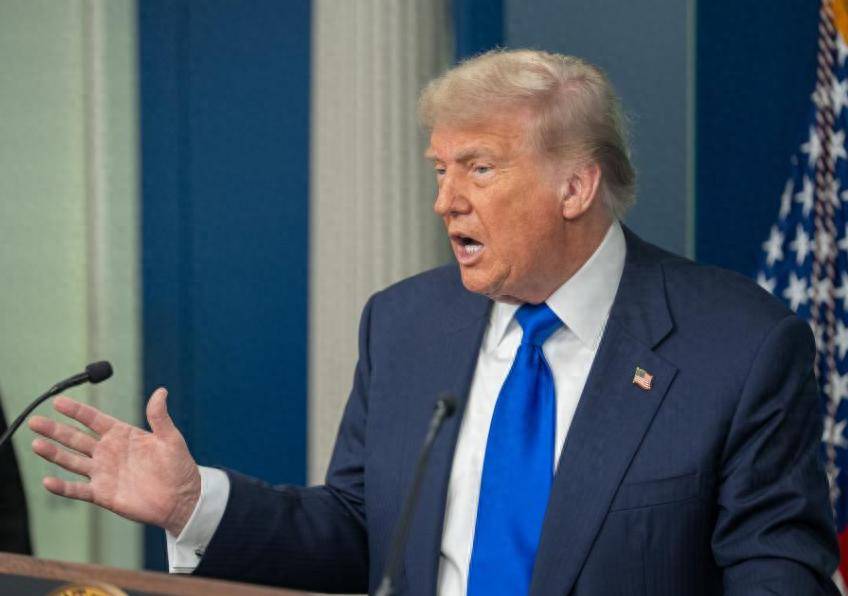
高官聚集布鲁塞尔,关税博弈激烈展开,美欧再谈判并列出27页“清单”
Huan Qiu Shi Bao· 2025-11-24 22:44
Core Points - The trade negotiations between the US and EU are ongoing despite a July agreement, with both sides expressing dissatisfaction with the pace of implementation [1][2] - The US is pushing for the EU to eliminate certain regulations viewed as non-tariff barriers, while the EU remains firm on its digital laws [2][5] - The EU is seeking modifications to the July agreement to create a more balanced trade relationship, facing scrutiny from the European Parliament [5][6] Group 1: Trade Negotiations - The recent high-level meeting in Brussels involved US Commerce Secretary and Trade Representative discussing trade issues with EU officials [1] - The US plans to impose a 15% tariff on most EU goods, while the EU has promised to eliminate tariffs on US industrial products [2] - The EU is requesting exemptions for sensitive products, including pasta, cheese, and wine, from US tariffs [4][7] Group 2: Regulatory Pressures - The US is urging the EU to revise its digital and climate regulations, which are perceived as trade barriers [2][5] - The EU is maintaining a unified front in negotiations, avoiding individual country demands that could lead to division [6] - There is a lack of consensus within the EU regarding the trade agreement, with varying opinions among member states [6][7]