
非遗产业

Search documents
文旅市场“年味儿”浓
Xin Lang Cai Jing· 2026-02-11 20:52
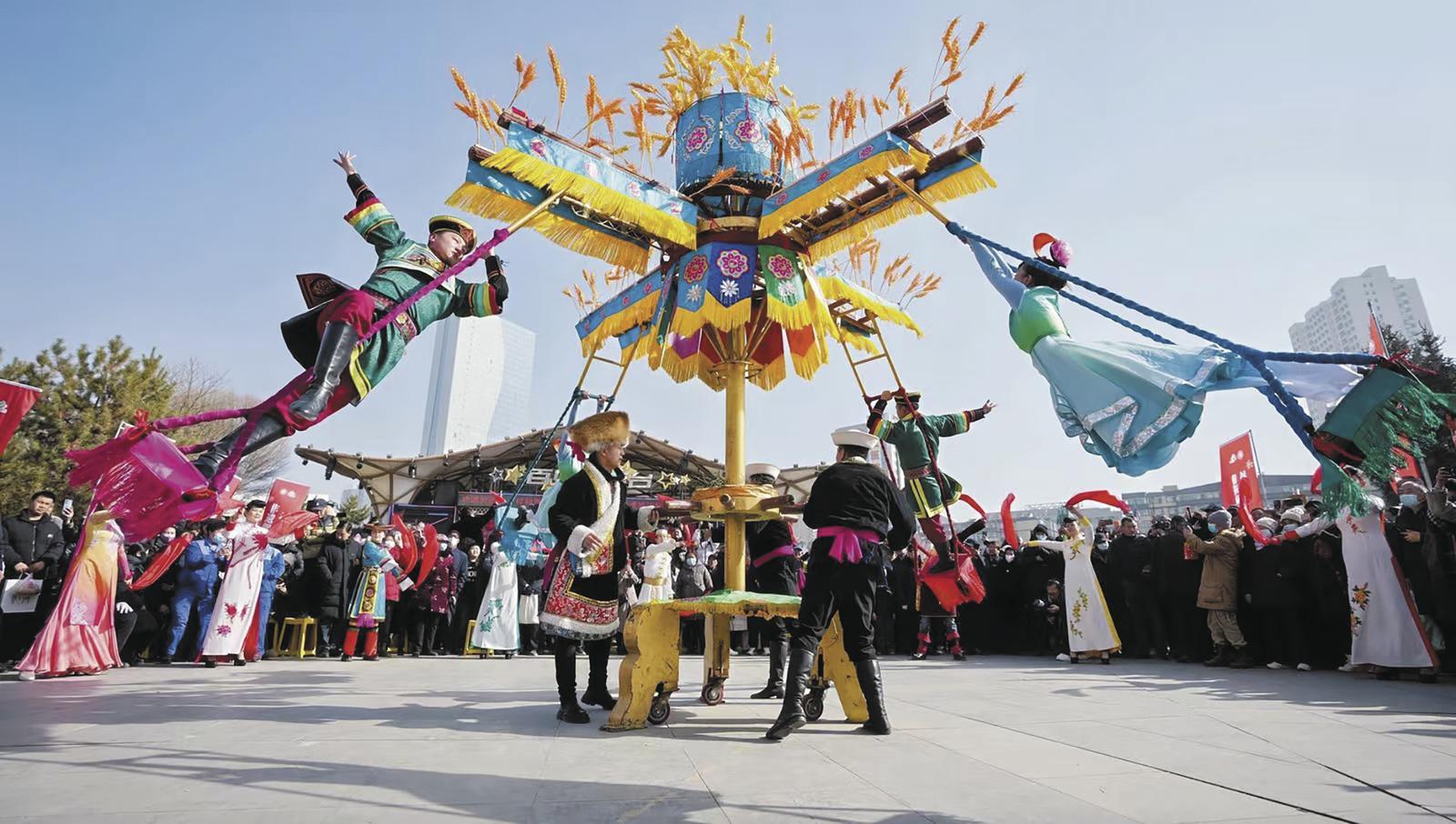
Core Viewpoint - The Qinghai Province is hosting a series of cultural and tourism activities to celebrate the Spring Festival, integrating traditional heritage with modern technology and consumer experiences, aiming to enhance cultural engagement and stimulate tourism consumption potential [2][3]. Group 1: Event Overview - The main event features seven segments including performances of intangible cultural heritage (ICH), a fashion show of "Qing Embroidery," a non-heritage market, a digital experience exhibition, hands-on workshops, and displays of traditional lanterns [3]. - The event showcases 20 traditional Qinghai dishes, 25 traditional crafts, and over a thousand ICH products from 21 workshops and cultural enterprises [3]. - A total of 113 sub-events are organized by local cultural and tourism departments, utilizing social media platforms for broader outreach [3]. Group 2: Cultural Integration - The activities aim to merge traditional customs with modern cultural experiences, providing a rich interactive environment for visitors to appreciate the charm of intangible cultural heritage [4]. - The Qinghai Provincial Library and Cultural Center are also hosting exhibitions and activities that emphasize the importance of traditional culture during the New Year celebrations [5][6]. Group 3: Tourism and Consumer Engagement - The integration of various sectors such as culture, sports, and tourism is creating diverse consumer experiences, with activities like snow sports and cultural performances enhancing the festive atmosphere [6]. - The "cultural + sports + business + tourism" model is being employed to create a comprehensive celebration for citizens and tourists alike, featuring events like music concerts and drone shows [6].

视频丨地铁读书、线上看戏、自习练琴 公共文化服务“上新”了
Yang Shi Xin Wen Ke Hu Duan· 2026-02-10 01:24
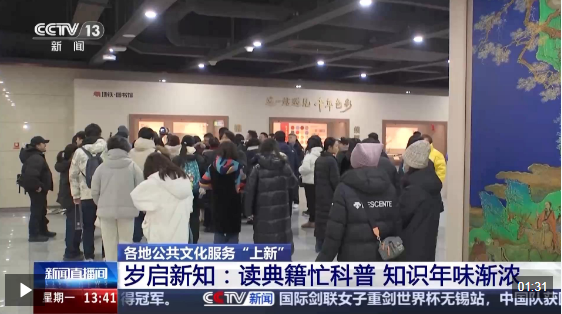
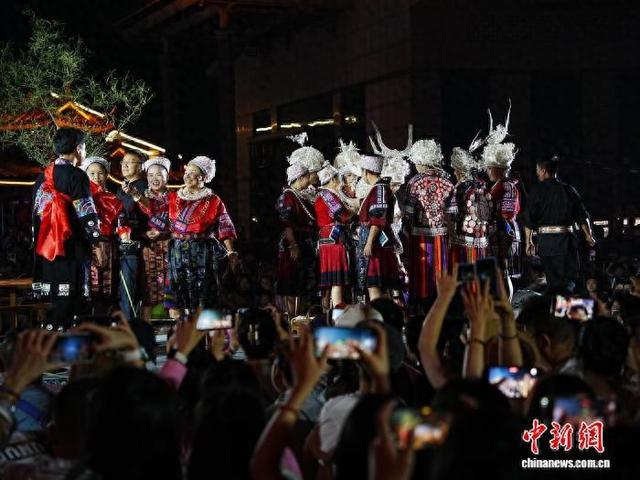
Core Viewpoint - The article highlights the increasing cultural activities and public services in various regions as the Spring Festival approaches, emphasizing the integration of traditional culture and modern technology to enhance public engagement in cultural learning and appreciation [4][6][11]. Group 1: Cultural Activities - The Beijing Metro's National Library Station launched a themed reading activity titled "Encountering a Thousand Years of Color," featuring selected books and traditional Chinese color art installations, allowing travelers to engage with cultural content while waiting [4]. - Gansu Science and Technology Museum introduced a series of themed science activities for children, such as "How Animals See the World" and "Magical Energy Sources," promoting interactive learning experiences [8]. - The cultural and tourism department's initiative has led to 499 state-owned art troupes establishing online platforms for performances, providing diverse viewing options for audiences, especially during the festive season [9]. Group 2: Public Cultural Services - The "Cultural Cloud" platform in Jiyuan, Henan, allows villagers to order cultural services like opera and dance through a mobile app, transforming public cultural offerings from a broad approach to a more targeted service model [14]. - In Hangzhou, cultural centers have opened free art study rooms for community members to practice skills like calligraphy and music, with 90% of cultural centers in Zhejiang province offering such facilities [12]. - The sales of traditional Miao embroidery in Guizhou have surged, with local governments leveraging big data to enhance the non-heritage industry, showcasing the blend of tradition and technology [11].
非遗有好“市”:内蒙古非遗年货节千种好物等你惠顾
Xin Lang Cai Jing· 2026-01-30 04:13
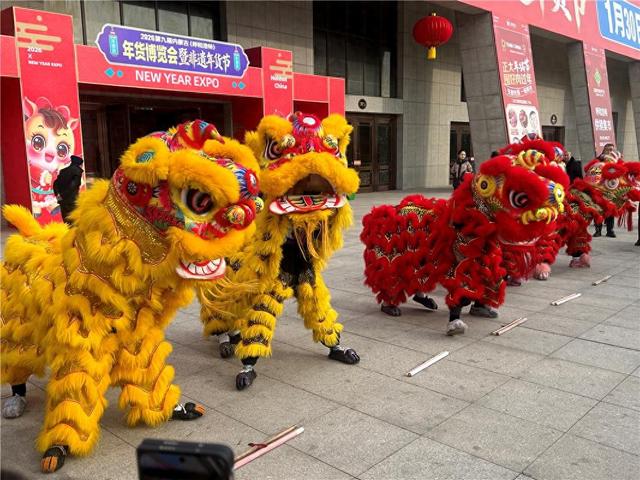
Group 1 - The "2026 Inner Mongolia New Year Goods Expo and Intangible Cultural Heritage New Year Festival" opened on January 30, aiming to promote cultural heritage, boost consumption, and enhance brand promotion [3] - The event features over 700 international and domestic standard exhibition booths, showcasing thousands of traditional New Year products, including various intangible cultural heritage items [8] - Activities during the festival include brand live streaming, interactive games, and a quality supervision service desk to ensure product quality, with the event running until February 11 [10] Group 2 - The festival aims to stimulate market vitality and consumer confidence, contributing to the industrialization and marketization of intangible cultural heritage [3] - A wide range of products is available, including traditional Mongolian art and crafts, providing a one-stop shopping experience for citizens and tourists [8] - The event emphasizes the importance of traditional culture in enhancing the festive atmosphere during the Spring Festival [10]
贵州省两会观察:非遗产品如何“叫好又叫座”?
Xin Lang Cai Jing· 2026-01-30 04:13
Core Viewpoint - Guizhou province is focusing on the commercialization of its rich intangible cultural heritage (ICH) to drive economic development, with significant attention from local representatives during the annual provincial meetings [1][3]. Group 1: Development of ICH Industry - Guizhou has thousands of representative projects of intangible cultural heritage, and the provincial cultural and tourism department has established 40 provincial-level ICH workshop demonstration sites, recognizing over 500 ICH workshops, which have created approximately 40,000 jobs and generated an output value of 2.6 billion yuan, showing a continuous growth trend [3]. - ICH workshops serve as platforms that combine heritage transmission and business operations, playing a crucial role in rural revitalization [3]. Group 2: Challenges and Recommendations - The development of ICH workshops faces challenges such as a lack of classification guidance, significant homogenization competition among similar regions, and over-reliance on tourist traffic leading to unstable customer sources [3]. - Recommendations include implementing classification guidance for ICH workshops based on their characteristics, developing differentiated growth paths to avoid homogenization, and encouraging workshops to diversify sales channels beyond relying solely on tourist traffic [3]. Group 3: Talent and Innovation - Talent is identified as a key factor for the transmission and innovation of ICH, with suggestions to establish a provincial entrepreneurship fund and short training courses on "ICH e-commerce operations" to attract youth back to rural areas [5][6]. - A public welfare project called "Minyi Village Creation" aims to address high design costs in local cultural product development by integrating quality design resources at lower costs [5][6]. Group 4: Market Expansion - There are calls to leverage international platforms and aesthetic advantages from Hong Kong and Macau to jointly develop cultural products that combine Guizhou's characteristics with international perspectives, facilitating broader market access for Guizhou's ICH products [6].
到佛山朱紫墟市赶一场非遗年货大集
Xin Lang Cai Jing· 2026-01-25 00:45
Core Viewpoint - The "Zhuzi Market: Intangible Cultural Heritage New Year Goods" event in Foshan aims to revive the historical commercial atmosphere of the Zhuzi Street, showcasing nearly a hundred intangible cultural heritage brands and promoting local craftsmanship and cultural exchange [1][4]. Group 1: Event Overview - The event officially commenced on January 24, featuring traditional performances such as lion dances and parades, attracting a large number of visitors [1][2]. - The event is part of the "Guangdong Goods Go Global" spring initiative and is organized by multiple local cultural and heritage organizations [1]. Group 2: Participation and Offerings - Nearly a hundred intangible cultural heritage brands participated, offering a wide range of unique New Year goods and over ten million yuan in promotional discounts for visitors [2]. - The event features an immersive experience, allowing visitors to engage with various traditional crafts and participate in interactive activities, including a lottery and free custom couplets [2]. Group 3: Cultural Significance - The event serves as a bridge between traditional craftsmanship and contemporary consumers, aiming to integrate the historical essence of Foshan's markets into everyday life [4]. - Future plans include further development of the Zhuzi Street IP, establishing it as an annual cultural event that combines heritage display, local brands, and artistic exchanges [4].
短视频加持 国潮消费跑出“加速度”
Bei Jing Shang Bao· 2026-01-15 12:14
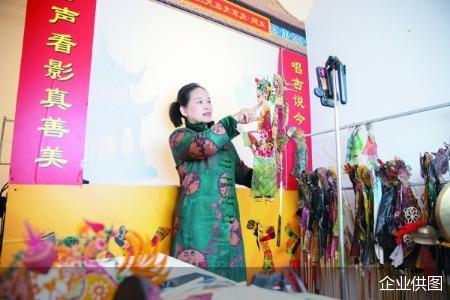
Core Insights - The rise of "Guochao" consumption has significantly boosted niche markets represented by intangible cultural heritage (ICH) skills, with platforms like Douyin facilitating the integration of cultural transmission and commercial development [1][10] Group 1: Development of ICH through Short Video Platforms - The rapid growth of short video platforms has provided new channels for the dissemination of ICH, with many practitioners starting to utilize Douyin to increase exposure [3] - Notable examples include Wang Xi, a practitioner of Beijing's shadow puppetry, who gained nearly 300 million views on a topic he created in three days, marking a significant milestone in ICH short video dissemination [3] - By 2025, Wang Xi's live streaming efforts attracted over 100,000 viewers in a single session, showcasing the potential for cultural and commercial synergy [3] Group 2: Entrepreneurial Ventures by ICH Practitioners - Some ICH practitioners have begun entrepreneurial ventures to create a more systematic and professional operational framework, such as the establishment of Beijing Mianren Cultural Co., Ltd. by Lang Jiazhi [4] - This company covers the entire process from product creation to offline activities and video planning, indicating a shift towards a more business-oriented approach in the ICH sector [4] Group 3: Consumer Demand and Market Dynamics - The favorable industry environment has accelerated the growth of the self-media sector, driving the commercialization of ICH and creating a positive "demand-driven supply" dynamic [5] - High exposure on short video platforms has generated stable fan traffic for ICH projects, leading to diverse commercial opportunities such as performances and customized products [5] Group 4: Challenges in Commercialization of ICH - Despite the growth, challenges remain in the commercialization of niche ICH skills, including a lack of professional marketing capabilities among some practitioners [7] - High production costs and long manufacturing cycles hinder the ability of ICH products to become mainstream consumer goods [7] - The limited consumer base and the need for practitioners to balance creative work with market demands further complicate the commercialization process [7] Group 5: Differentiated Commercialization Paths - Different ICH skills exhibit varied commercialization characteristics, with high-end and customized approaches being more suitable for irreplaceable traditional crafts [8] - Practitioners' understanding of branding influences the direction of their business models, as seen in Lang Jiazhi's focus on quality and cultural transmission over scale [8] Group 6: The Role of Guochao Consumption - The rapid development of ICH products on short video platforms is driven by the Guochao consumption trend, reflecting consumers' confidence and deep recognition of traditional culture [10][11] - The market for Guochao consumption is expected to grow significantly, with projections indicating a market size of 3 trillion yuan by 2028 [12]
“贷”动“非遗之花”在高原绽放
Jin Rong Shi Bao· 2025-12-24 05:11
Core Viewpoint - The news highlights the revitalization of traditional crafts in Qinghai, particularly Thangka painting and Tuzu embroidery, through financial support and innovative credit products, enabling cultural heritage to thrive in modern times [2][10]. Group 1: Thangka Art - Thangka art, a significant part of Tibetan culture, has a complex production process that can take months or years to complete, and it is facing challenges such as high material costs and a declining number of young artists willing to learn the craft [3][4]. - Financial institutions, particularly Postal Savings Bank, have provided tailored financial solutions, such as a 294,000 yuan "express loan," to support artists like Zashi Jiancuo in acquiring necessary materials for their work [3][4]. - As of September 2023, the loan balance for the cultural industry in Huangnan Prefecture reached 86.05 million yuan, reflecting a 29.53% increase since the beginning of the year, indicating a growing financial support for the Thangka industry [5]. Group 2: Tuzu Embroidery - Tuzu embroidery, recognized as a national intangible cultural heritage, has faced challenges such as rising material costs and limited market access, leading to a need for financial support to sustain the craft [6][7]. - The establishment of Su Long Gu Company has created a production model that integrates companies, workshops, and farmers, significantly improving the economic situation of local artisans [6][8]. - By October 2023, the local financial institutions had issued 16.35 million yuan in loans to support the Tuzu embroidery industry, demonstrating the effectiveness of financial initiatives in promoting cultural heritage [7][10]. Group 3: Financial Support and Initiatives - The People's Bank of China in Qinghai has implemented various financial products tailored to the needs of traditional crafts, such as "Thangka loans" and "Embroidery loans," to alleviate funding challenges faced by artisans [10][11]. - The "Qingxinrong" platform has facilitated connections between banks and small enterprises, providing over 46.26 billion yuan in loans to 82,100 small businesses, showcasing the impact of data-driven financial solutions [10][11]. - The financial support has not only helped artisans sustain their crafts but has also contributed to the employment of over 2,000 impoverished individuals, enhancing the socio-economic landscape of the region [8][12].

直播赋能非遗产业,黎族文化“活”起来又“火”出去
Huan Qiu Wang· 2025-11-11 08:14
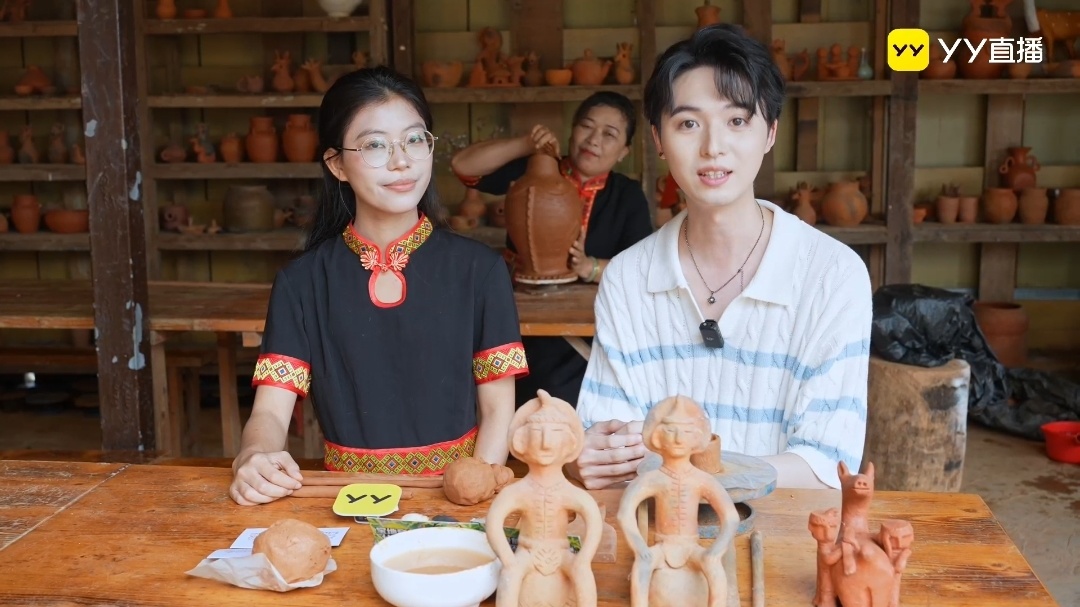
Core Viewpoint - The integration of intangible cultural heritage (ICH) with digital platforms like YY Live is driving the revitalization and commercialization of traditional crafts, particularly in the context of the Li ethnic group's heritage in Hainan, China [1][5][8]. Group 1: Non-Heritage Industry Development - The live broadcast showcased the transformation of Li pottery and other traditional crafts into marketable products, with local artisans earning monthly incomes of 4,000 to 6,000 yuan [1][4]. - The Li pottery workshop aims to achieve sales exceeding 2 million yuan through e-commerce platforms in 2024 [1][7]. - The Li ethnic crafts have evolved from being used solely for personal purposes to becoming cultural gifts and tourism products, even reaching international markets [4]. Group 2: Cultural and Tourism Integration - The live broadcast allowed viewers to experience traditional performances and local cuisine, creating a closed loop of cultural dissemination, visitor engagement, and product sales [2][5]. - The establishment of non-heritage experience zones in tourist areas enables visitors to participate in the creation of Li pottery and textiles, enhancing cultural interaction [2][5]. Group 3: Digital Media and Market Activation - The "live broadcast + non-heritage" model facilitates the transition from cultural display to consumer engagement, significantly lowering the barriers to understanding and appreciating traditional crafts [7]. - The integration of live streaming with cultural heritage has attracted over 500,000 visitors annually to the scenic area, converting online cultural interest into offline tourism spending [7]. Group 4: National Strategy and Economic Impact - The development of non-heritage workshops is part of a broader national strategy to promote rural revitalization and cultural confidence, with over 11,000 workshops established nationwide, creating job opportunities for over 1.2 million people [8]. - The Li ethnic heritage's commercialization reflects a successful model of transforming traditional culture into a sustainable economic driver, contributing to local economic development [8][9].

扬州多维勾勒质量发展“标准像”
Xin Hua Ri Bao· 2025-09-18 21:56
Core Insights - Yangzhou is focusing on high-quality development by implementing a quality standardization strategy that drives industrial upgrades, service improvements, and regional collaboration [1] Group 1: Traditional Craft Quality Standardization - Yangzhou is promoting the integration of traditional crafts with modern industries through quality standards, exemplified by the establishment of a quality standard for the local intangible cultural heritage "Fangxiang Yijia Beef" [2] - The new quality standard addresses key aspects such as raw material specifications, processing details, and hygiene controls, transforming traditional practices into quantifiable and controllable processes [2] - The implementation of these standards has significantly improved product consistency, safety, and flavor stability, allowing the traditional craft to transition from a family heritage to an industrial brand [2] Group 2: Service Process Quality Standardization - Yangzhou is enhancing the quality of tourism services by innovating management models and service methods, particularly at the renowned Slender West Lake scenic area [3] - A comprehensive quality standard system has been established, encompassing 152 specific standards that ensure service standardization and refined management [3] - As a result, visitor satisfaction has consistently remained above 97%, and tourism revenue has seen significant growth, establishing Slender West Lake as a benchmark for quality in the tourism industry [3] Group 3: Regional Collaboration Quality Standardization - Yangzhou is taking a leading role in promoting standardized cooperation among historical cultural cities in the Yangtze River Delta, facilitating resource sharing and efficient utilization [4] - The establishment of the "Yangtze River Delta Historical Cultural City Standard Alliance" has led to the creation of important standards, enhancing mutual recognition and interaction among cities [4] - This collaborative effort has broken down administrative barriers, significantly improving the quality of cultural tourism services and resource efficiency in the region [4] Group 4: Future Directions - Yangzhou aims to deepen the construction of its standardization system and expand the coverage of standards to elevate "Yangzhou quality" to a nationally influential brand [4] - The city is committed to using high standards to support high-quality development, ensuring that the ancient city continues to shine in the new era [4]

2025山西非遗好物发布 65件精品引领非遗消费新风尚
Zhong Guo Chan Ye Jing Ji Xin Xi Wang· 2025-08-29 00:22
Core Insights - The event held in Datong City on June 26, 2025, showcased the first batch of 65 "Shanxi Intangible Cultural Heritage (ICH) Goods," which include traditional crafts, medicine, food, and cultural creations [1][2] - The initiative aims to combine traditional craftsmanship with modern design and market demands, promoting the "living inheritance" of ICH and enhancing cultural consumption [2] Group 1: Event Overview - The "Shanxi ICH Goods" include products from all 11 cities in Shanxi, such as Taiyuan Su's Glass, Jinzhong's Ejiao Cake, and Datong's Copper Craft Hot Pot [1] - The month-long ICH Consumption Season features nearly 200 ICH projects and over 300 inheritors, creating an immersive experience with a daily foot traffic exceeding 30,000 and total sales surpassing 2 million yuan [1][2] Group 2: Innovative Approaches - The event introduced ICH study classes where inheritors teach skills like paper-cutting and dough modeling, allowing citizens to learn through play [2] - Collaborations with brands like Huawei and Tencent Games explore the integration of "ICH + Technology" and "ICH + Fashion," creating a one-stop shopping experience through AR interactions and cultural product collaborations [2] Group 3: Economic and Cultural Impact - Shanxi has a rich ICH resource base with 182 national-level and 1,173 provincial-level projects, aiming to establish a virtuous cycle of ICH protection, inheritance, and industrial development [2] - The event serves as a model for innovative development of ICH across the country, driven by government guidance, market operations, and social participation [2]