高铁运输

Search documents
瞒不住了,中国10万亿度电不止是用电多,核心底牌让老美无力抗衡
Sou Hu Cai Jing· 2026-02-10 11:04
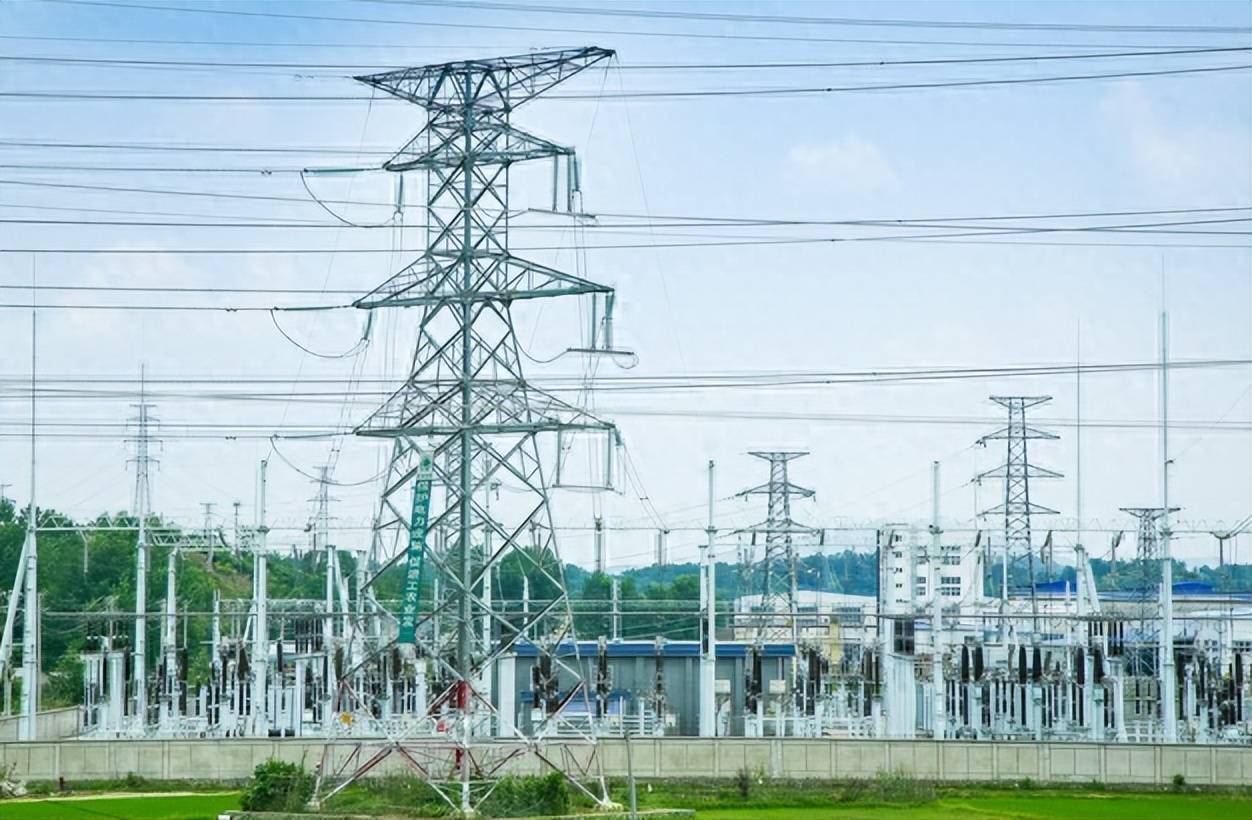
Core Insights - China's total electricity consumption surpassed 10 trillion kilowatt-hours in 2025, marking a significant milestone as the first country to achieve this level, reflecting the country's industrial and technological advancements [2][4] - The growth from 1 trillion kilowatt-hours in 1996 to 10 trillion in 2025 demonstrates an unprecedented increase in electricity demand, driven by industrial upgrades and infrastructure improvements over the past 30 years [4] - China's electricity consumption in July and August 2025 exceeded 1 trillion kilowatt-hours per month, equivalent to the annual consumption of Japan or Southeast Asian countries, underscoring China's manufacturing capabilities [4] Industry and Technological Development - The substantial electricity demand is supported by a comprehensive industrial system, including mining, energy management, and advanced manufacturing technologies [6] - While overall electricity consumption in the manufacturing sector grew by only 3% in 2025, sectors like new energy equipment and high-tech manufacturing experienced significantly higher growth rates [6] - The U.S. has struggled with its energy policies, which have hindered its transition to new energy sources, contrasting with China's advancements in renewable energy and manufacturing [6][10] Energy Independence and Supply Chain - China's electricity generation is self-sufficient, relying on domestic resources such as solar and wind energy, which enhances energy security [8] - The U.S. faces increasing dependency on China for solar panels, wind turbines, and battery materials, complicating its energy strategy and increasing costs [8][10] - The development of electric vehicles in the U.S. is stagnating due to high production costs and reliance on Chinese technology and equipment [10][11] Infrastructure and Energy Management - China's high-speed rail network, exceeding 50,000 kilometers, is fully electrified, reducing reliance on fossil fuels and enhancing energy security [13] - The country has implemented a sophisticated national electricity dispatch system, allowing efficient energy distribution across regions [18][20] - New energy storage technologies have become standard, enabling better management of electricity supply and demand, and enhancing the overall efficiency of the power system [18][22] Global Implications - The achievement of 10 trillion kilowatt-hours not only reflects China's capabilities but also positions it as a significant player in global energy dynamics, influencing how other countries manage their energy needs [22][24] - The contrast between China's unified energy strategy and the fragmented approach in the U.S. highlights the challenges the latter faces in maintaining energy stability and competitiveness [20][22]

“这为我游览中国更多城市提供了便利”
Xin Lang Cai Jing· 2026-01-21 06:12
Core Insights - The addition of 16 new direct high-speed rail stations on the Guangzhou-Shenzhen-Hong Kong Express Rail Link starting January 26 is expected to enhance Hong Kong's role as a transit hub for international and domestic tourists [1][2] - The new stations will connect major tourist hotspots and commercial centers in East China, increasing the total number of direct destinations from Hong Kong West Kowloon Station to 110 [1] - The timing of this service upgrade coincides with the upcoming Spring Festival travel peak, indicating strategic significance for tourism and cross-border travel [2] Group 1 - The new high-speed rail stations will facilitate easier travel for business professionals and tourists, allowing for exploration of more cities in mainland China [1] - The high-speed rail offers a different travel experience compared to flying, with lower risks of delays and relatively fixed ticket prices [2] - The early sale of high-speed rail tickets has already seen them sell out within hours, reflecting strong demand for this service [2] Group 2 - The initiative is seen as a significant move to increase passenger interaction and exchange between Hong Kong and mainland China [2] - The high-speed rail service is expected to become a new travel method for residents of both Hong Kong and mainland China [2]
激活经济新动能 沈白高铁构建区域发展新格局
Ren Min Wang· 2025-10-01 01:46
Core Insights - The opening of the Shenyang-Baihe High-Speed Railway (Shenbai High-Speed Railway) marks a significant milestone in connecting Liaoning and Jilin provinces, completing the "O" shaped loop of the Northeast high-speed rail network, which is expected to boost economic development and improve transportation for residents [1][2]. Economic Activation - The Shenbai High-Speed Railway has doubled the daily train services from 14 to 28 pairs, enhancing connectivity to cities like Yanji and Qingdao, and significantly reducing travel times, with the fastest journey from Shenyang to Changbai Mountain taking only 1 hour and 53 minutes [2]. - The railway facilitates the movement of local products such as ginseng and wine, creating a more efficient market access and stimulating regional economic growth [2][3]. Urban Development - The arrival of high-speed rail is seen as a turning point for cities like Tonghua, which is now better connected to major urban centers, allowing for the development of a comprehensive tourism strategy and the growth of new industries [3]. - The Shenbai High-Speed Railway promotes the integration of the Harbin-Changchun urban agglomeration with the Liaozhongnan urban cluster, enhancing the flow of talent, resources, and technology across regions [3]. Cultural and Tourism Enhancement - The railway serves as a cultural and tourism connector, linking significant historical and scenic sites along its route, thus transforming travel experiences into cultural journeys [4]. - Tonghua's rich cultural heritage and tourism resources are revitalized through the railway, with local travel agencies developing diverse tourism products to attract visitors [4]. Improved Public Services - The upgraded facilities and innovative service models at Changbai Mountain Station enhance the travel experience for passengers, particularly for vulnerable groups such as the elderly and children [5][6]. - Initiatives like the "Changbai Qinyun Parent-Child Room" provide a supportive environment for families traveling with children, ensuring a comfortable and engaging experience [6]. Conclusion - The Shenbai High-Speed Railway is not just a transportation project; it is a new engine for the comprehensive revitalization of Northeast China, fostering economic growth, cultural exchange, and improved quality of life for residents [6].
长三角“超级环线”经济与大湾区双向奔赴互动发展
Shang Hai Zheng Quan Bao· 2025-05-11 18:27
Core Viewpoint - The article discusses the development of the "super ring" economy in the Yangtze River Delta (YRD) region, highlighting the integration of high-speed rail, innovation corridors, and water transport to enhance regional cooperation and economic growth [3][4][5]. Group 1: High-Speed Rail "Super Ring" Economy - The first high-speed rail line of the "Yangtze River Delta Super Ring" is set to open in June 2024, connecting major cities such as Shanghai, Nanjing, Hefei, and Hangzhou, marking a significant achievement in regional integration [3]. - This high-speed rail network facilitates the flow of people, goods, information, technology, and capital, promoting a shift from geographical integration to functional integration within the region [3]. - The high-speed rail also links seven existing rail lines, enhancing connectivity with the Guangdong-Hong Kong-Macau Greater Bay Area and other economic zones [3]. Group 2: Innovation (Industry) "Super Ring" - The innovation "super ring" is formed by the G60 innovation corridor and the Shanghai-Nanjing-Hefei industrial innovation belt, fostering collaboration among multiple cities [4]. - Key projects include the establishment of an electric vehicle industry circle and an integrated circuit industry circle, enhancing regional industrial capabilities [4]. Group 3: Water Transport "Super Ring" - The water transport "super ring" consists of a network of rivers and canals, including the Grand Canal and Yangtze River, facilitating multi-modal transport and port economy [4]. Group 4: Mutual Benefits and Cooperation - The "super ring" economy promotes mutual benefits between the Yangtze River Delta and the Greater Bay Area, enhancing the flow of knowledge, information, and resources [5]. - Collaborative efforts include the establishment of innovation alliances and shared platforms for industry, research, and finance, driving effective industrial transfer and talent exchange [5]. - The article emphasizes the importance of differentiated layouts in future industries such as AI, chips, and biotechnology, fostering cooperation and resource sharing between the two regions [5].

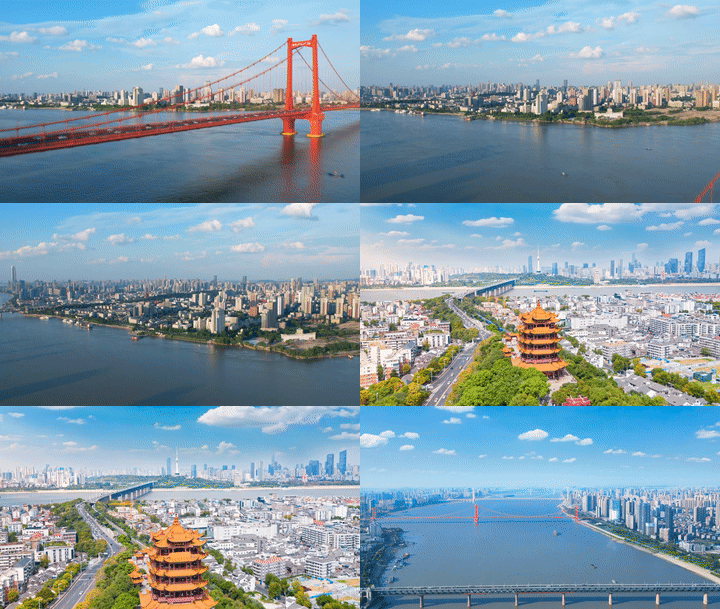
经济大省挑大梁|潮涌楚天千帆竞——湖北加快建成中部地区崛起的重要战略支点
Xin Hua She· 2025-05-08 13:05
Economic Growth - In 2024, Hubei Province's GDP is projected to grow by 5.8%, reaching a total economic output of 6 trillion yuan [1] - The province aims to enhance its position as a significant strategic point in the national development landscape [1] High-tech Industry - Hubei's high-tech enterprises are expected to exceed 30,000, contributing 60% of the province's technological innovation outcomes despite representing less than 2% of the total number of corporate entities [3] - The high-tech sector is projected to generate an industrial added value of 1.34 trillion yuan [3] Industrial Development - Hubei is advancing a modern industrial system characterized by three lines of development: upgrading traditional industries, expanding emerging industries, and nurturing future industries [3] - The province is establishing a "51020" modern industrial cluster, which includes five trillion-yuan pillar industries, ten 500-billion-yuan advantageous industries, and twenty 100-billion-yuan characteristic industries [3] Transportation Infrastructure - Hubei is enhancing its hub functions and distribution effects through a comprehensive transportation network, with high-speed rail reaching 80% of major cities nationwide within four hours [4] - The province is also leveraging the Yangtze River as a major shipping route, facilitating direct access for large vessels to Wuhan [4] Environmental Sustainability - Hubei has been focusing on ecological restoration, environmental protection, and green development, achieving stable water quality in the Yangtze River and Danjiangkou Reservoir [6] Strategic Vision - Hubei is positioning itself as a crucial strategic support for the rise of the central region, actively participating in the high-quality development of the Yangtze River Economic Belt [7]