
《千秋诗颂》

Search documents
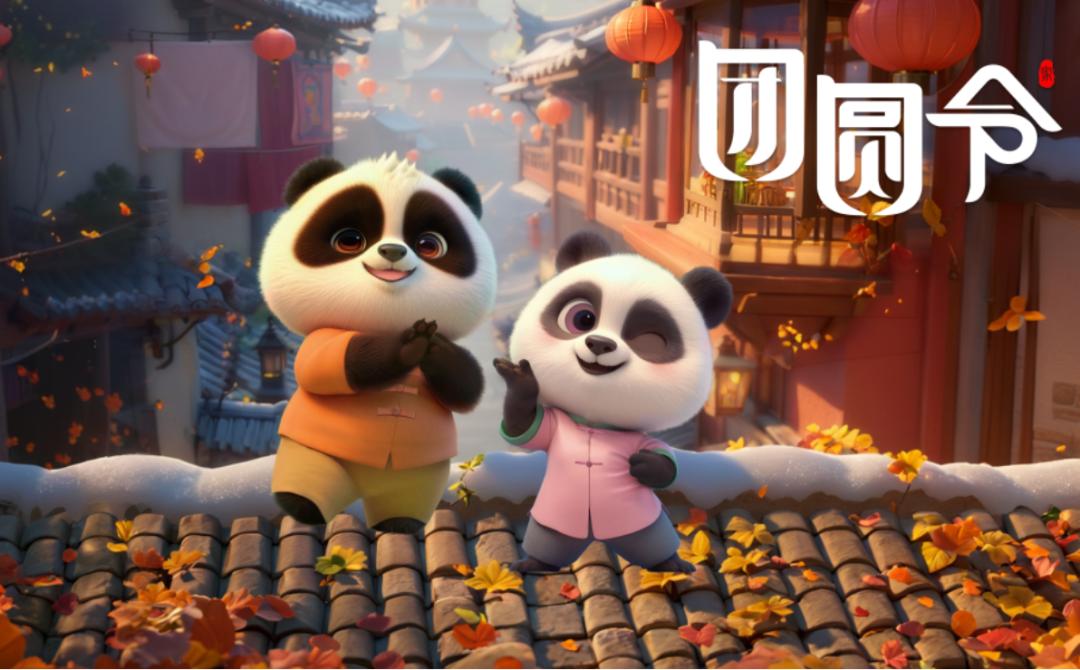
如果未来动画电影是AIGC生成的,你愿意看吗?
3 6 Ke· 2026-01-14 08:24
Core Viewpoint - The emergence of AIGC (Artificial Intelligence Generated Content) in the animation industry is highlighted through two films, "Reunion Order" and "Red Boy," showcasing the potential and challenges of AI in creative processes [1][3][12]. Group 1: Film Production Insights - "Reunion Order" is China's first theatrical AIGC animated film, utilizing the CMG Media GPT model to streamline production, reducing the typical 2-3 year timeline to just 5-6 months [4][11]. - The CMG Media GPT model, developed by the Central Radio and Television Station and Shanghai AI Lab, focuses on audiovisual content production and has already been applied in other projects [4][5]. - "Red Boy" employs a more advanced AI-driven production model, achieving a 20-fold increase in efficiency by integrating AI from the script stage, allowing for significant cost reductions and maintaining a 98% consistency in style [12]. Group 2: Challenges and Reception - Despite the technological advancements, audience reception has been mixed, with critiques focusing on the perceived lack of detail and emotional depth in AI-generated content [7][18]. - There is a prevailing skepticism among creators and audiences regarding AI's ability to produce meaningful and emotionally resonant content, as many believe AI lacks the "soul" necessary for genuine artistic expression [13][18]. - The industry faces challenges in balancing AI's role as a tool for efficiency versus a replacement for human creativity, with concerns about the quality and authenticity of AI-generated works [15][19].

增强数字文化产业创新能力
Ren Min Wang· 2025-11-29 00:41
Core Viewpoint - The article emphasizes the importance of integrating technology and culture, particularly through digital cultural industries, as a new growth point in China's cultural digitalization strategy, driven by advancements in AI and 5G technologies [1][2]. Group 1: Policy and Industry Development - Various regions in China, including Chongqing and Jiangsu, are implementing policies to support the high-quality development of the digital cultural industry, highlighting the government's commitment to this sector [1]. - The digital cultural industry is seen as a key area for national cultural digitalization strategy and the construction of a culturally strong nation [1]. Group 2: AI and Cultural Innovation - AI has shown significant potential in creating digital content that reflects Chinese cultural characteristics, with projects like the animated series "千秋诗颂" and the game "黑神话:悟空" gaining international attention and showcasing Chinese culture [2]. - The global landscape indicates that countries are competing to leverage AI in cultural sectors, with examples from the US and EU demonstrating the integration of AI in cultural heritage and creative industries [2]. Group 3: Infrastructure and Resource Development - There is a call for strengthening data resources and technology platforms, including the creation of a high-quality corpus of Chinese cultural data and AI training datasets to support various cultural applications [3]. - The establishment of collaborative innovation mechanisms between industry, academia, and research is essential to drive the application of AI technologies in cultural sectors [3]. Group 4: Ethical and Regulatory Framework - The article stresses the need for developing specific standards and content labeling requirements for AI-assisted creation to prevent cultural distortion and historical inaccuracies [4]. - It highlights the importance of defining intellectual property rights for AI-generated content and establishing ethical review committees to guide the industry [4].