《弗兰肯斯坦》

Search documents
缺片子、控投资,恐怖电影可以“补位”吗?
3 6 Ke· 2025-11-19 00:13
Core Insights - The resurgence of "New Chinese Horror" in popular culture is driven by quality works in gaming and comics, alongside local low-budget horror films exploring folklore, urban legends, and social issues [1][2] - The success of films like "Yuan Yang Lou: Horror" demonstrates the potential for local horror films to resonate with audiences through updated narratives and social themes [2][5] - The marketing strategies for local horror films have evolved to emphasize social experiences and engagement, leveraging social media and event-based promotions [4][5] Group 1: Market Trends - From 2024 to 2025, local horror films are expected to achieve several commercial breakthroughs in box office performance [2] - "Yuan Yang Lou: Horror" has become a benchmark for small-budget films, achieving significant box office success and positive reception [2] - The audience demographic for "Yuan Yang Lou: Horror" shows a notable shift, with nearly 70% female viewers and almost 60% under 25 years old [2] Group 2: Narrative and Content Development - The narrative evolution in local horror films combines traditional horror elements with contemporary social issues, such as female empowerment and workplace anxiety [5][14] - The use of confined settings in horror films enhances the immersive experience, allowing for a more focused and intense atmosphere [5][14] - Despite some advancements, local horror films still face challenges with narrative fatigue and structural limitations, often relying on familiar tropes [14][18] Group 3: Industry Comparisons - Blumhouse Productions and A24 serve as models for local filmmakers, showcasing different approaches to horror film production—Blumhouse focuses on low-budget efficiency while A24 emphasizes artistic expression [6][10] - Blumhouse's success is attributed to its ability to create impactful narratives within budget constraints, while A24's films often explore deeper psychological themes [8][10] - Both companies highlight the importance of brand identity, cost management, and audience trust in the horror genre [10][12] Group 4: Future Opportunities - The integration of folklore and social themes presents a clear direction for local horror films, potentially leading to a new wave of creative opportunities [1][14] - Streaming platforms like Netflix are expanding their horror content, indicating a growing market for diverse horror narratives and sub-genres [12][13] - The local horror film industry must address structural issues and seek to establish stable IP chains to build a loyal audience base [18][19]



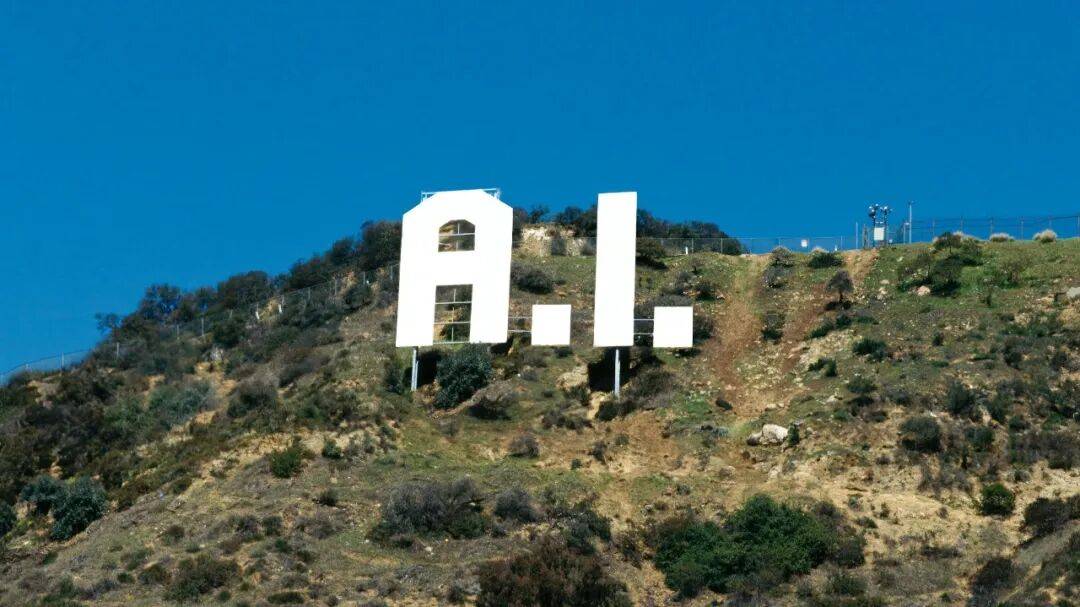
AI正在撕裂好莱坞
Hu Xiu· 2025-09-11 00:30
Core Perspective - The Venice Film Festival highlighted a growing divide in the film industry regarding the use of AI, with some filmmakers embracing it as a tool while others fear it threatens their livelihoods and the essence of art [5][6][10]. Group 1: AI in Film Production - Director Guillermo del Toro's latest film "Frankenstein" was produced with minimal digital effects, emphasizing traditional craftsmanship over AI [1][2]. - The festival featured a Reply AI film festival, showcasing both AI-generated films and traditional filmmaking, indicating a coexistence of differing perspectives [4]. - The film industry is experiencing a split between supporters and opponents of AI, with concerns about job security and the integrity of artistic expression driving the debate [5][6]. Group 2: Concerns from Opponents - Many filmmakers, including writers and concept artists, express fears that AI could replace their roles, leading to a loss of dignity and livelihood [15][26]. - The American Writers Guild (WGA) has made AI protection a core demand during strikes, fearing that AI could diminish the role of writers to mere "polishers" of AI-generated scripts [17][18]. - High-profile artists have reported significant income reductions due to studios increasingly using AI tools for concept art, leading to calls for legal protections against AI's encroachment on creative work [21][25]. Group 3: Support for AI as a Tool - Some filmmakers view AI as a powerful tool that can enhance creativity and reduce production costs, allowing for more ambitious storytelling [60][63]. - Directors like James Cameron and the Russo brothers have explored AI's potential in filmmaking, indicating a willingness to integrate AI into their creative processes [62][64]. - AI is seen as a means to upgrade technical roles in filmmaking, enabling tasks that were previously impossible or prohibitively expensive [72]. Group 4: Legal and Ethical Implications - Major studios like Disney and Universal have taken legal action against AI companies for copyright infringement, highlighting the industry's concern over intellectual property rights [29][32]. - The outcome of these legal battles could set important precedents for how AI is regulated in the film industry [36][37]. - The White House has called for input on AI regulations, reflecting the broader societal implications of AI's integration into various sectors, including film [38][40]. Group 5: Future of Filmmaking - The film industry is at a crossroads, with the potential for AI to either enhance or disrupt traditional filmmaking practices [84][85]. - Filmmakers are encouraged to adapt to AI technologies rather than resist them, as the future will likely favor those who can effectively harness AI's capabilities [94]. - The evolution of filmmaking tools, including AI, is expected to lead to new artistic forms and business models, similar to past technological advancements [85][91].