《群星》

Search documents
多部“四川造”大剧
Xin Lang Cai Jing· 2026-01-11 18:12
Core Viewpoint - The 2026 CCTVs major drama list features multiple "Sichuan-made" TV series, showcasing the creative characteristics and diverse charm of Sichuan's film and television industry [1][2]. Group 1: Major Productions - The tax investigation drama "Gu Yu," directed by Li Lu and starring actors such as Jing Boran and Zhang Songwen, focuses on educating the public about tax laws through a story about a major tax fraud case. The series has completed filming and is in post-production, recognized as a significant cultural project for 2024 [1]. - The revolutionary drama "Xing Huo Zheng Tu," originally titled "Duo Jie’s Long March," commemorates the 90th anniversary of the Red Army's Long March. It tells the story of young Tibetan compatriots who formed an independent brigade to contribute to the success of the Long March [1]. - "Criminal Police Moment of Youth," based on the life of "July 1 Medal" recipient Cui Daozhi, is directed by Zhou You and features actors such as Bai Jingting and Sun Qian. The project has been selected as a key project by the National Radio and Television Administration and has begun filming in Chengdu [1]. Group 2: Additional Productions - The sci-fi drama "Qun Xing," filmed entirely in Chengdu and produced by Chen Sicheng, stars Zhang Xincheng and Wan Qian. It is adapted from an award-winning work and revolves around a supernatural attack in the near future, focusing on a special agent's mission to uncover a secret plan [2]. - The short drama "Emei" combines ancient detective themes with local cultural elements such as Emei martial arts and Zen tea culture, exploring a model of "short drama + cultural tourism + consumption" in Sichuan [2]. - Other notable projects include "Zhong Qi," which showcases the progress of China's legal system through real cases, and "Yulan Hua Kai Jun Zai Lai," based on the true story of the founder of Shanghai's Jin Jiang Hotel, both involving Sichuan's film and television resources [2].
五部“四川造”剧集亮相
Xin Lang Cai Jing· 2026-01-09 21:49
Group 1 - The Central Radio and Television Station announced a total of 55 major dramas and 3 boutique short dramas, including 5 projects from Sichuan [1] - The Sichuan dramas cover diverse themes such as revolutionary history, real-life crime, rural revitalization, and ancient detective stories, showcasing the rich cultural heritage and creative vitality of Sichuan's film and television industry [1] - The tax investigation drama "Gu Yu" focuses on a major tax fraud case and incorporates tax law education; it has completed filming and is in post-production [1] Group 2 - The major revolutionary drama "Xing Huo Zheng Tu" tells the inspiring story of Tibetan youth during the Long March, and has completed the necessary approvals from the National Radio and Television Administration [1] - The crime drama "Xing Jing Shi Ke I: Feng Hua Zheng Mao" is based on the life of a "July 1 Medal" recipient and will begin filming in October 2025, with a projected completion date in March 2026 [1] - The sci-fi drama "Qun Xing," adapted from an award-winning novel, depicts a story set in 2046 and has finished filming, currently in post-production [2] - The boutique short drama "Emei" combines the story of a young constable with local cultural elements and aims to explore a collaborative model between central and local entities; it is set to begin filming after the Spring Festival [2]
总收入超46亿人民币,为啥玩家依然高举反对的旗帜?
3 6 Ke· 2026-01-06 11:26
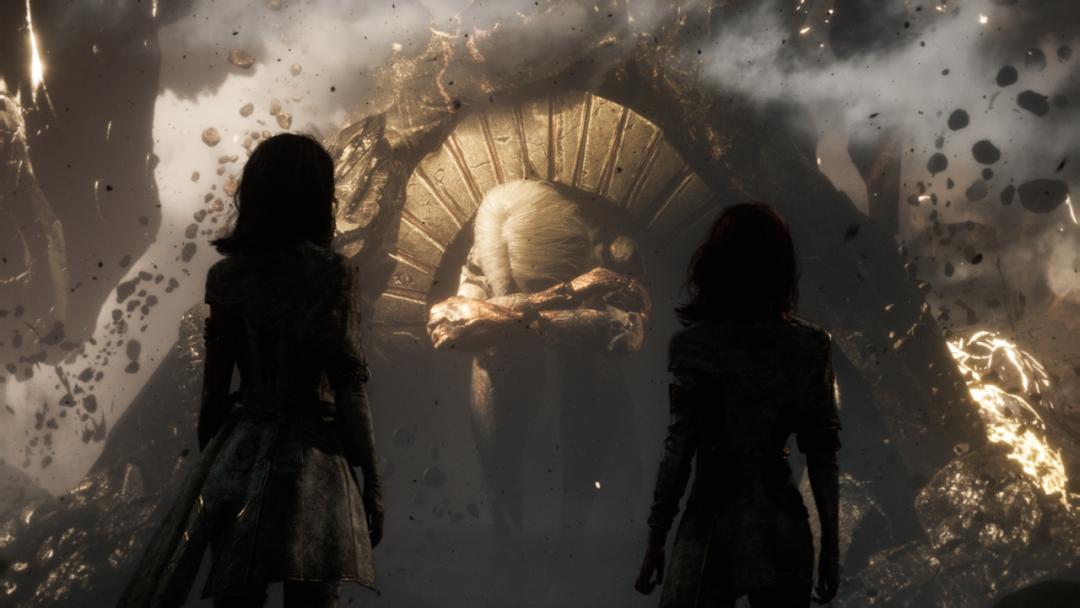
Core Viewpoint - The controversy surrounding the use of generative AI in game development has led to significant backlash from players, as evidenced by the cancellation of awards for "Light and Shadow: Expedition 33" due to its use of AI during development [3][10]. Group 1: Award Controversy - "Light and Shadow: Expedition 33" won two awards at the Indie Game Awards but had its nominations revoked due to the confirmed use of generative AI in its development [3]. - The Indie Game Awards organization, Six One Indie, maintains a zero-tolerance policy towards the use of generative AI, which led to the disqualification of the game after it was revealed that AI was used [3]. Group 2: Player Sentiment - A survey by Quantic Foundry indicates that 63% of players hold a "very negative" view towards the use of generative AI in game development, with a total of 85% expressing negative sentiments [10]. - Only 7.6% of players showed positive recognition towards the use of generative AI in games, highlighting a significant divide between developers and player expectations [10]. Group 3: Developer Perspectives - Developers like Swen Vincke from Larian Studios have expressed confidence in using AI for creative processes but faced backlash from fans concerned about the implications of AI in game development [5][7]. - Vincke clarified that while AI may assist in early development stages, all final content will still be created by human employees, aiming to alleviate concerns about AI replacing human creativity [5]. Group 4: Financial Impact of AI in Gaming - Recent data shows that games utilizing AI technology on Steam have generated over $660 million (approximately 4.6 billion RMB) in total revenue, indicating a growing acceptance of AI in the industry [18]. - As of now, there are 10,258 games on Steam that employ generative AI, representing about 8% of the total inventory, which has increased from 7% five months prior [18]. Group 5: Future of AI in Gaming - The industry is at a crossroads where the acceptance of AI hinges on developers' ability to enhance game quality while utilizing AI, as players are resistant to perceived "cheap" solutions [12][22]. - Notable figures in the industry, such as Hideo Kojima, advocate for the responsible use of AI, suggesting that it could revolutionize game mechanics and enhance player experiences if implemented thoughtfully [16].

对国产科幻剧最有用的AI,竟然是语言类大模型?
3 6 Ke· 2025-11-10 11:51
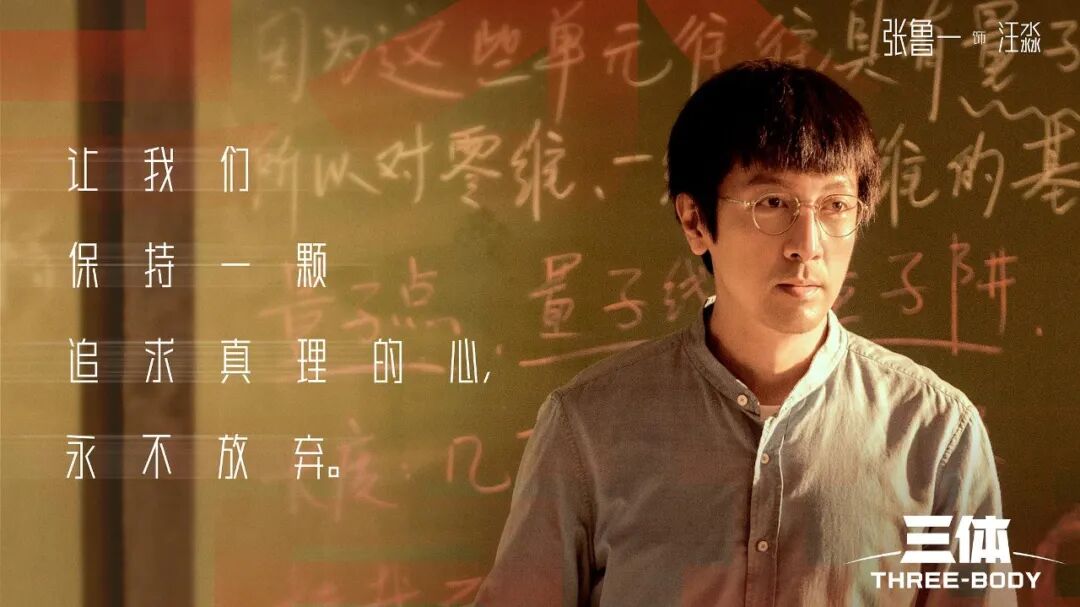
Core Insights - The Chinese sci-fi drama industry is experiencing a significant transformation, largely initiated by the success of the series "The Three-Body Problem," which has opened doors for more domestic sci-fi productions [1][3][6] - The market is showing a strong commitment to exploring the sci-fi genre, with a notable increase in the number of projects being developed [3][6] - The integration of AI technology in the production process is seen as a potential game-changer for enhancing efficiency and creativity in sci-fi content creation [5][10][38] Group 1: Industry Trends - The current wave of sci-fi dramas is characterized by a focus on hard sci-fi adaptations, particularly from renowned author Liu Cixin's works, indicating a trend towards high-quality, original content [8][10] - There is a notable shift towards "sci-fi+" projects, which combine sci-fi elements with other genres, allowing for a broader appeal and easier production [10][13] - New production companies are entering the market, bringing fresh ideas and resources, which could lead to a more diverse range of sci-fi content [14][21] Group 2: AI Integration - AI is being increasingly utilized in the production of sci-fi dramas, particularly in the early stages of development, to streamline processes and enhance creative output [24][30][38] - Despite the potential benefits, the current capabilities of AI in producing high-quality content are still limited, particularly in terms of visual fidelity and accuracy [25][30] - The industry is optimistic about the future of AI in film production, with ongoing experimentation and adaptation expected to yield better results over time [30][42] Group 3: Market Dynamics - The 2026 streaming platform project list includes over 400 titles, with 17 dedicated to sci-fi, indicating a growing interest and investment in the genre [6][7] - The success of "The Three-Body Problem" has set a benchmark for future projects, with expectations for similar high-quality adaptations to follow [8][10] - The competitive landscape is evolving, with established and new players vying for a share of the burgeoning sci-fi market, which is seen as a critical area for growth in the Chinese entertainment industry [14][21][44]