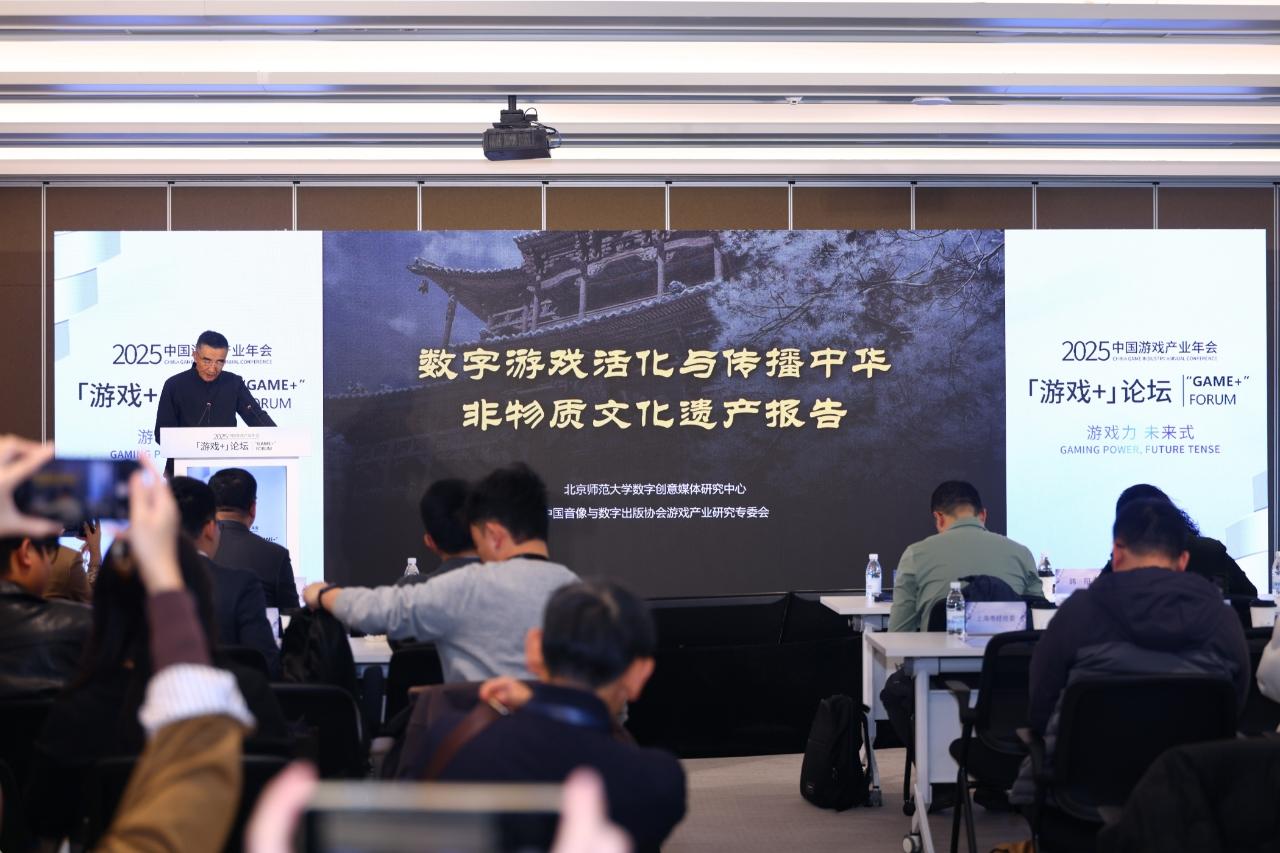
《腾讯脑力锻炼》

Search documents
“游戏+”跨界融合打开产业新空间
Zhong Guo Zheng Quan Bao· 2025-12-21 20:12
Core Insights - The gaming industry is evolving from being primarily an entertainment product to a flexible tool that drives digital transformation in traditional sectors such as healthcare, education, and manufacturing, creating new growth opportunities [1][2] Group 1: Technological Integration - The evolution of game engines is crucial as they transition from tools for game development to universal platforms supporting digital transformation across various industries [1] - Unity has expanded its engine capabilities to serve industries like automotive and smart cities, enhancing traditional sectors' R&D and operational efficiency while also creating new opportunities for game developers [1][2] Group 2: AI Integration - AI has transformed from a cost-reduction tool to a creative engine for game experiences, influencing the entire game lifecycle from planning to operation [2] - The integration of AI in gaming is leading to applications in education and healthcare, promoting a new model of "technological equity and enhanced experiences" [2] Group 3: Application in Healthcare - Games are being utilized in healthcare to address psychological and cognitive issues, showing effectiveness in alleviating anxiety and improving attention [2] - Approximately ten gamified digital therapy products have been approved globally for treating conditions like ADHD and depression [2] Group 4: Cultural and Social Impact - The design thinking and immersive experiences from gaming are being applied in non-entertainment fields, providing innovative solutions to social issues [3] - Tencent's "Cognitive Training" product has been clinically tested and is now being prescribed in hospitals, marking a significant step for gamified digital therapy in mainstream healthcare [3] Group 5: Cultural Consumption and Ecosystem Building - Successful game IPs are evolving into ecological nodes that deeply connect with urban spaces, the real economy, and cultural life [4] - High-quality digital IPs are becoming new types of "urban infrastructure," enhancing public services and injecting innovation into cities [4] Group 6: Long-term Cultural Value - Companies are focusing on long-term strategies to deepen cultural narratives within historical-themed IPs, creating a competitive edge through meticulous cultural research [4][5] - The integration of gaming IPs into physical spaces and cultural values reflects a shift from superficial interactions to deep integration, offering imaginative possibilities for industry and societal development [5]
游戏行业风向标「游戏产业年度盛会」上海,5000万扶持+“沪十条”刷屏行业!
Sou Hu Cai Jing· 2025-12-20 10:25
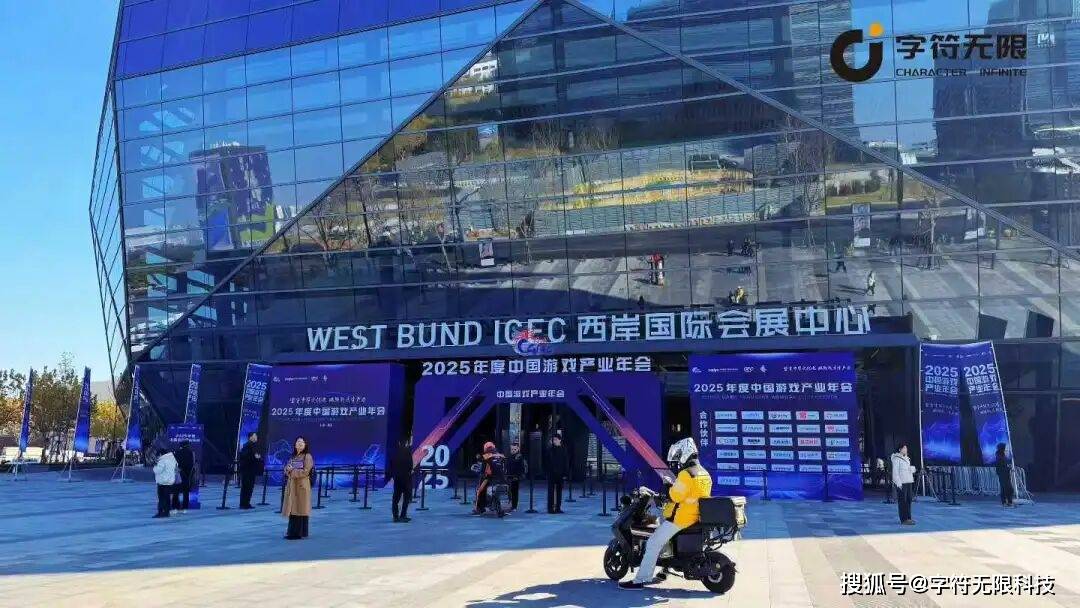
Core Insights - The annual China Game Industry Conference will be held in Shanghai from December 17 to 19, 2025, marking a significant recognition of the city's gaming industry strength and signaling high-quality development in China's gaming and esports sector [1][5]. Group 1: Event Highlights - The conference will feature various forums and the release of the "Top Ten Games of the Year" list and the "2025 China Game Industry Report" [4]. - A key focus will be the introduction of the "Ten Measures for Gaming in Shanghai," which aims to provide systematic support policies for the gaming and esports industry, with an annual funding of 50 million yuan [4][8]. Group 2: Industry Performance - Shanghai's online gaming industry is projected to generate a sales revenue of 155.8 billion yuan in 2024, marking a 7.8% year-on-year growth and maintaining positive growth for 13 consecutive years, with an eightfold increase in industry scale [6]. - In the first half of 2025, the total sales revenue of Shanghai's online gaming industry reached 83.28 billion yuan, a 10.8% increase year-on-year, with overseas sales contributing 14.55 billion yuan, up 11.12% [6]. Group 3: Policy Initiatives - The "Ten Measures for Gaming in Shanghai" will focus on key areas such as cluster development, quality creation, technological innovation, cultural export, and financial support, providing comprehensive services to enterprises [8]. - The measures will include support for small and medium-sized enterprises, establishment of investment funds, and a scientific evaluation system for intellectual property rights to protect and encourage innovation [8]. Group 4: Esports Development - The initiative will enhance the esports sector by attracting international top-tier esports events and developing a globally influential proprietary event brand, promoting synergy between top-tier and local events [10]. - Support will also be provided to esports clubs that achieve significant results in major competitions [10]. Group 5: Forum Insights - The "Game+" sub-forum will explore the dual value of gaming in driving industry innovation and fulfilling social responsibilities, with participation from various industry leaders and organizations [12][14]. - The forum will highlight the integration of gaming with other sectors such as healthcare, tourism, and education, showcasing gaming as a bridge between technology and culture [14]. Group 6: Technological Integration - Industry leaders discussed the role of AI in enhancing gaming experiences and reducing development cycles, with applications extending into education and healthcare [19][21]. - The integration of gaming with non-material cultural heritage and environmental initiatives was emphasized, showcasing gaming's potential as a tool for social good [29][33]. Group 7: Future Outlook - The gaming industry is evolving from a content entertainment medium to a key driver of digital and real-world integration, with the "Game+" forum serving as a platform for cross-industry collaboration [37]. - Shanghai is positioning itself as a fertile ground for innovation and entrepreneurship in the gaming and esports sector, aiming for higher quality and greater international influence in the future [37].

聚焦游戏赋能多场景应用 2025中国游戏产业年会“游戏+”分论坛举行
Huan Qiu Wang· 2025-12-19 05:05
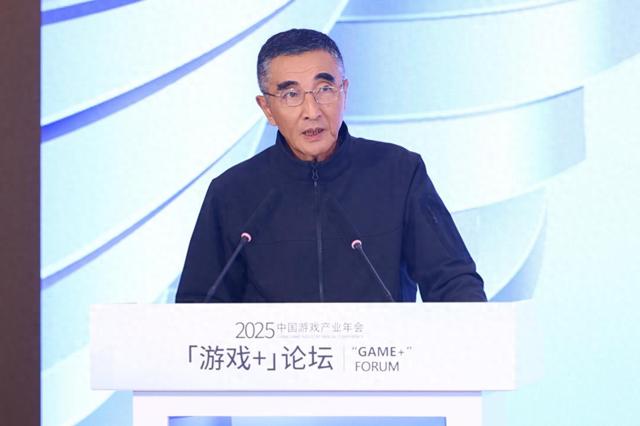
Core Insights - The "Game+" forum held in Shanghai aims to explore the dual value of gaming in driving industry innovation and fulfilling social responsibility [1] - The gaming industry is increasingly integrating into various sectors such as healthcare, cultural tourism, and education, becoming a bridge between technology and culture [1] Group 1: Industry Trends - The "Game+" concept is creating new consumption scenarios, transforming cities into "open worlds" for exploration and experience [3] - MiHoYo's initiatives in Shanghai, including the "元界" district and various events, have attracted significant attendance, indicating the potential of digital IP as a new urban infrastructure [3] - The report on the digital activation of intangible cultural heritage highlights three dimensions: character, environment, and action, showcasing how gaming can enhance cultural engagement [5] Group 2: Technological Integration - Unity China is developing tools for various industries, including automotive and smart cities, facilitating the integration of gaming technology into these sectors [7] - AI technology is being leveraged to enhance game development efficiency, with significant reductions in development cycles reported [9] Group 3: Health and Wellness Applications - Tencent's "Brain Training" game targets mild cognitive impairment, achieving a 98% completion rate in clinical trials, indicating the potential for gaming in health interventions [12] - A new tabletop game designed for social psychological healing aims to address common mental health issues among youth through structured interaction [14] Group 4: Sustainability and Social Responsibility - The gaming industry is expanding its value boundaries by promoting sustainable development through initiatives like "SDG Hero" and the Game For Good platform [16] - The "Green Game Jam" project encourages developers to create engaging content that promotes environmental action among players [20] - Games are evolving from mere content carriers to catalysts for social goodwill and environmental action, as demonstrated by various case studies [22]
腾讯、米哈游、波克纵论游戏+ 加速涌入医疗、文旅等领域
Nan Fang Du Shi Bao· 2025-12-18 16:18
Core Insights - The "Game+" forum held in Shanghai focuses on the integration of gaming technology into various sectors, highlighting its societal value and potential for growth in industries like healthcare, cultural tourism, and education [1][3]. Group 1: Industry Trends - The gaming industry is transitioning from exploration to widespread practice, becoming a significant driver for industrial growth and societal convenience [1]. - The release of the "Digital Game Activation and Transmission of Chinese Intangible Cultural Heritage Report" emphasizes the unique role of games in cultural heritage preservation and development opportunities [1][3]. Group 2: Cross-Industry Applications - Unity's technology director presented case studies on how the Unity engine supports digital transformation across industries, including automotive and smart cities, showcasing its application in digital twin technologies [3]. - AI is evolving from a cost-reduction tool to an experience creation engine, enhancing the entire game development lifecycle and facilitating applications in education and healthcare [3]. - Tencent's "Cognitive Training" product, designed for mild cognitive impairment, achieved a 98% completion rate in clinical trials, indicating its effectiveness and potential for broader healthcare applications [3][5]. Group 3: Social Impact Initiatives - The "Game+ Social Value" initiative aims to empower over 60,000 youth globally through projects like "SDG Hero," exploring pathways for social impact through gaming [5]. - The gaming industry is being recognized for its potential to drive environmental actions, leveraging its global player base for sustainability efforts [7]. - Innovative approaches, such as functional board games for social psychological healing, are being developed to address youth concerns, providing low-cost and high-participation tools for non-clinical psychological interventions [7].