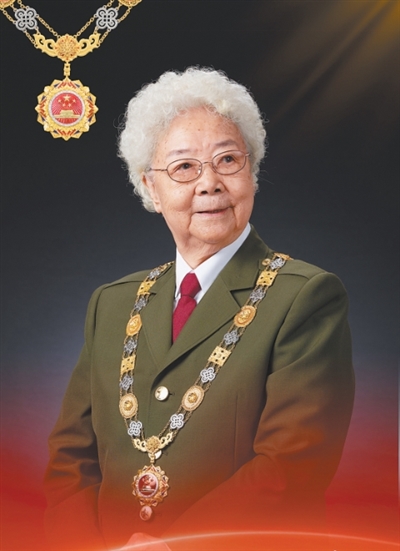
《飞越老人院》

Search documents
著名表演艺术家陶玉玲去世,享年92岁
Xin Lang Cai Jing· 2026-01-15 13:17
Core Viewpoint - The news reports the passing of renowned performing artist Tao Yuling at the age of 92, highlighting her significant contributions to Chinese cinema and her recognition through various awards [1]. Group 1 - Tao Yuling passed away on January 15 in Beijing, at the age of 92 [1]. - Her notable works include "The Story of Liu Bao," "The Sentinel Under the Neon Lights," and "Flying Over the Elderly Home" [1]. - In 2016, she received the Lifetime Achievement Award at the China Film Golden Rooster Awards [1]. - In 2017, she was honored with the Lifetime Achievement Award at the 16th China Film Performing Arts Society Golden Phoenix Awards [1].

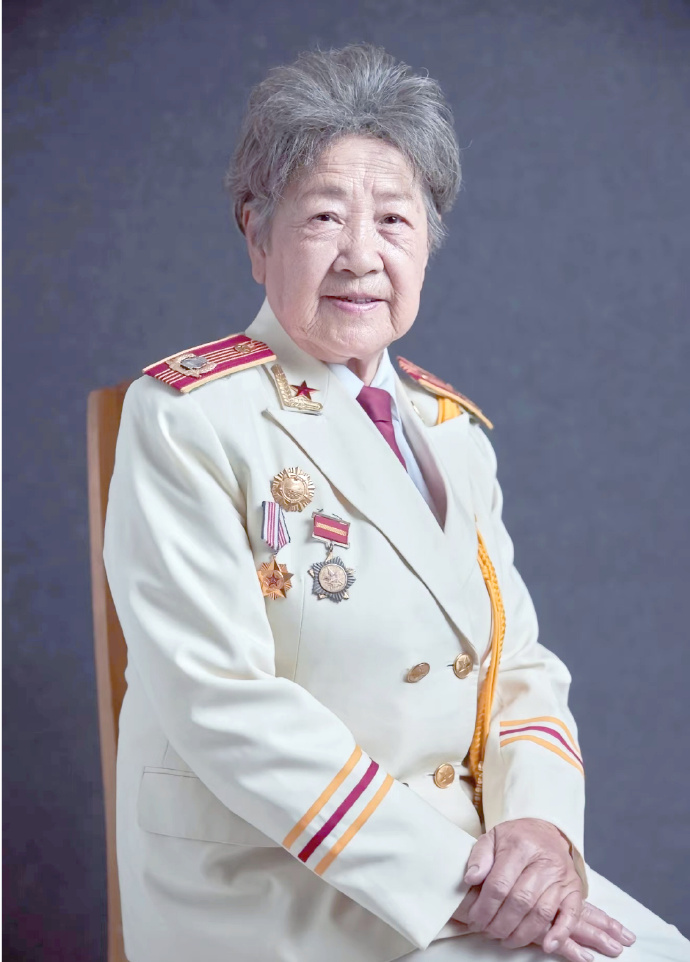
著名电影表演艺术家陶玉玲逝世 享年92岁
Yang Shi Xin Wen Ke Hu Duan· 2026-01-15 13:10
Core Viewpoint - Renowned film actor Tao Yuling passed away in Beijing at the age of 92, marking the loss of a significant figure in the Chinese film industry [2] Group 1 - Tao Yuling was known for her notable works, including "The Story of Liubao," "Sentinel Under the Neon Lights," and "Flying Over the Old People's Home" [2] - In 2016, she received the Lifetime Achievement Award at the China Film Golden Rooster Awards [2] - In 2017, she was honored with the Lifetime Achievement Award at the 16th China Film Performance Art Society Golden Phoenix Awards [2]
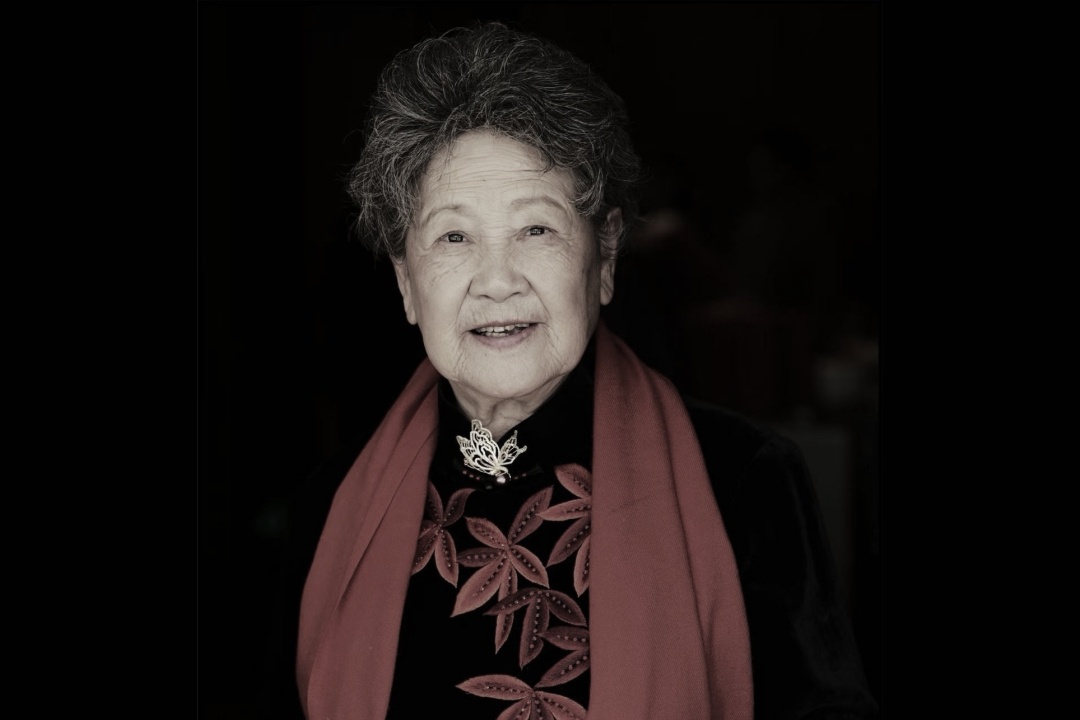
中国老人社会形象变迁史:1900—2025
3 6 Ke· 2025-10-09 13:20
Core Perspective - The article discusses the evolution of the social image of the elderly in China from 1900 to 2025, highlighting the transformation from traditional views to a more diverse and active perception of the elderly in contemporary society [1][34]. Phase Summaries Phase 1: Traditional and Turbulent "Respectable" and "Obsolete" (1900-1949) - The elderly were viewed through a dual lens: as "respectable" figures rooted in Confucian culture and as "obsolete" individuals amidst societal upheaval [2]. - Traditional family structures placed elderly men in positions of power, symbolizing authority and moral guidance [2]. - The collapse of traditional values led to the emergence of the "obsolete" image, where some elderly were criticized as outdated and irrelevant [5]. Phase 2: Collectivism and "Revolutionary Elders" (1949-1979) - Post-1949, the elderly's value shifted to their political identity and revolutionary contributions, with "old revolutionaries" gaining respect [9][10]. - Elderly women transitioned from traditional roles to "revolutionary mothers," reflecting the changing gender dynamics [10]. - The Cultural Revolution polarized elderly images, with some being revered and others vilified based on their political stance [14]. Phase 3: Transition and Reflection "Lost" and "Watchers" (1980-1999) - The reform era emphasized economic development, yet traditional family values persisted, with elderly often seen as family heads [16]. - Literature and film began to reflect on the historical experiences of the elderly, portraying them as witnesses to national history [17]. - The rise of market economy led to a decline in the traditional authority of the elderly, with many feeling marginalized and disconnected from societal changes [19]. Phase 4: Deep Aging and the Diverse Image of the Elderly (2000-2025) - By 2000, China officially entered an aging society, with projections indicating that by 2024, over 22% of the population will be aged 60 and above [21]. - The elderly's image has become increasingly negative, often framed as a societal burden due to issues like pension gaps and healthcare challenges [21][22]. - The concept of "silver economy" has emerged, recognizing the elderly as consumers rather than just dependents, leading to a rise in industries catering to their needs [24][26]. - Urban and rural elderly face different challenges, with urban seniors benefiting from social security while rural seniors often experience neglect [27]. - The emergence of "active elderly" and "new elderly" reflects a shift towards a more empowered and engaged image of the elderly, emphasizing lifelong learning and personal fulfillment [30][34]. Future Outlook - By 2050, the elderly population is expected to reach 500 million, necessitating a redefined image that emphasizes their contributions and diversity [34]. - The future elderly image should transition from "passive recipients" to "active contributors," recognizing their potential as valuable societal resources [34][35]. - Acknowledging the internal diversity of the elderly population is crucial, promoting a multifaceted representation that includes various lifestyles and contributions [35]. - Emphasizing lifelong learning and adaptation to technological advancements will be essential for integrating the elderly into modern society [36]. - A shift in focus from mere survival to a holistic approach that values the dignity and quality of life for the elderly is necessary for societal progress [36].
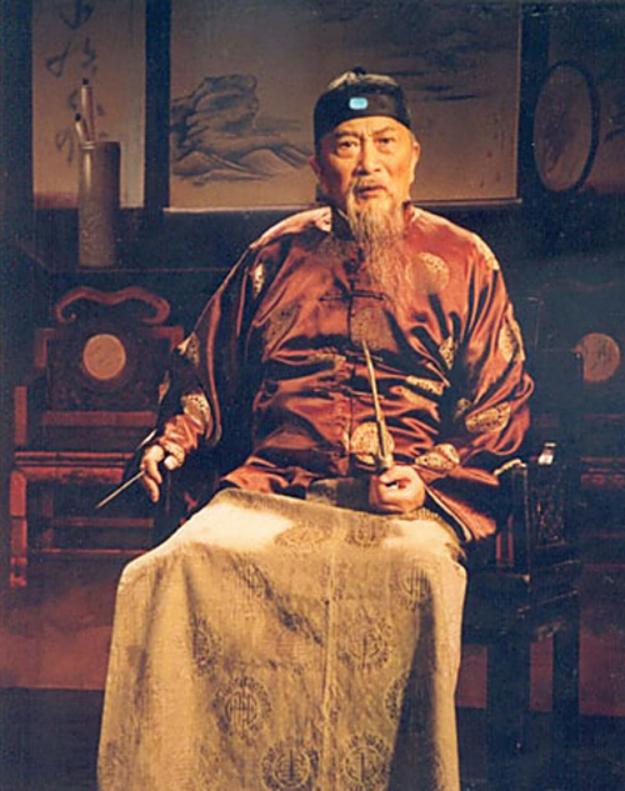
从抗敌小八路到人民艺术家(人物)
Ren Min Ri Bao· 2025-09-10 22:13
Core Viewpoint - The article highlights the life and contributions of Tian Hua, a 97-year-old artist honored as a "People's Artist," emphasizing her dedication to art and the people throughout her 80-year career [3][8]. Group 1: Background and Early Life - Tian Hua was born in 1928 in a poor farming family in Tang County, Hebei, during a smallpox outbreak, leading to her being named "Tianhua" [3][4]. - Her mother passed away due to overwork and illness, leaving Tian Hua with a deep sense of loss and a desire to understand her family's history [3][4]. Group 2: Artistic Journey - In 1939, at the age of 11, Tian Hua joined the Anti-Japanese Drama Troupe, where she was encouraged to adopt the stage name "Tian Hua" [5]. - The troupe faced harsh conditions, performing in various locations while engaging in guerrilla warfare against Japanese forces [6][7]. Group 3: Impact of War on Art - Tian Hua's performances often took place in front of soldiers, some of whom later died in battle, creating a profound emotional connection between her art and the experiences of the audience [6][7]. - She recalls a particularly memorable performance where she sang to soldiers in a cave, providing them with emotional support during dire circumstances [7]. Group 4: Legacy and Philosophy - Tian Hua believes that the title "People's Artist" belongs not just to her but to the Anti-Japanese Drama Troupe and all artists dedicated to serving the people [8]. - Her commitment to the arts is rooted in her experiences during the war, and she emphasizes the importance of being grounded in the lives of the people to keep art vibrant and relevant [8].