《Aivilization》

Search documents
2026最炸赛道,中国人最快?
3 6 Ke· 2026-01-20 02:42
Core Insights - The application of AI in the gaming industry is rapidly evolving, with independent developers leveraging AI tools to bring their ideas to life, indicating a shift in how games are developed and created [1][3] - The current AI wave is seen as a transformative opportunity, moving from a phase of hype to one of practical application and commercialization [3][4] Industry Trends - The AI industry in China is experiencing significant activity, with companies like Zhiyu and MiniMax successfully listing in Hong Kong, outperforming market expectations [3] - The AGI-Next conference highlighted the advancements in AI, with discussions indicating that China's AI capabilities in commercial applications and engineering design may surpass those of the U.S. [3][4] AI Applications in Gaming - The integration of AI in gaming can be categorized into two types: AI for Game, which enhances the workflow of game development teams, and AI in Game, which directly influences gameplay [4][5] - Tencent's VISVISE, an AI-driven 3D character animation pipeline, exemplifies the efficiency gains possible with AI, reducing the time for skinning from 1-3.5 days to under 5 minutes [4][5] Developer Insights - Many game developers are moving beyond using AI as a mere asset generation tool, instead allowing it to influence game design and development processes [6][7] - A report indicates that 86.36% of game companies in China are utilizing AI in their development processes, showcasing widespread adoption [7] Competitive Landscape - Chinese game developers are reportedly advancing faster in AI applications compared to their Western counterparts, who are often more cautious due to concerns about originality and the impact of AI on creativity [16][18] - The preference for rapid iteration and long-term operational models in China allows for more agile integration of AI technologies into games [18][20] Future Directions - AI NPCs are emerging as a key area of focus, with potential to enhance player experiences by making NPC interactions more dynamic and engaging [21][24] - The development of AI NPCs can address common player complaints about static and repetitive NPC behaviors, thereby improving overall gameplay [24][25] Conclusion - The gaming industry is positioned as a critical testing ground for AI technologies, with the potential for significant advancements in both game development and player experience [42][44] - As AI continues to evolve, its integration into gaming is expected to drive innovation and create new gameplay experiences, making it a competitive frontier for companies [41][44]


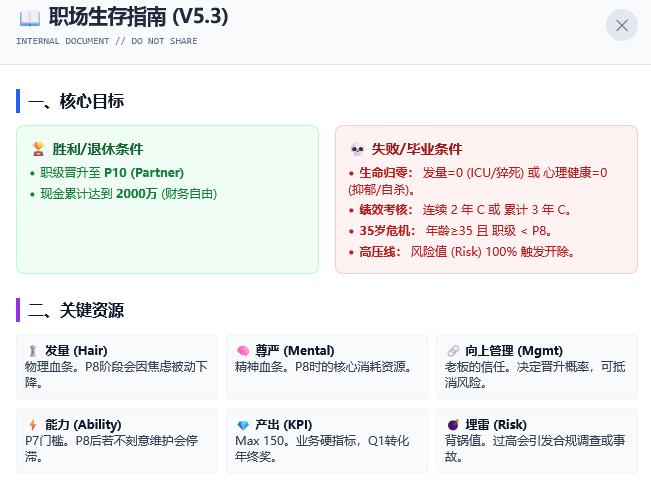
突然走红的高校“AI小镇”项目,让AI卷到学会加班
Hu Xiu· 2025-09-17 00:05
Core Insights - The article discusses the emergence of the AI game "Aivilization," which builds on the earlier Stanford University project "Smallville" by creating a more expansive and interactive virtual environment for AI agents [2][3][4]. Group 1: Game Overview - "Aivilization" is described as a sandbox multiplayer game, akin to an online version of "The Sims" or "Stardew Valley" with a focus on AI interactions [8]. - The game allows players to create and customize over 100,000 AI agents, leading to a growing trend on social media platforms [5][46]. - The primary goal of the game is to study how human-AI interactions shape virtual societies, enabling agents to develop their governance structures, economies, and cultures [9][10]. Group 2: Gameplay Mechanics - Players can customize the appearance and personality of AI agents but cannot directly control their movements, instead guiding them through a command window [9]. - The game simulates various real-world scenarios, such as schools and farms, where thousands of agents interact, affecting the economy and resource prices [10]. - Each agent operates under different player-defined goals, leading to diverse behaviors, from accumulating wealth to engaging in farming [13]. Group 3: AI Behavior and Decision-Making - The AI agents exhibit autonomous decision-making capabilities, reflecting their own "thoughts" and adapting to player instructions based on their circumstances [15][22]. - Agents can form social networks, develop friendships, and engage in conversations, mirroring real-life social dynamics [24]. - The game emphasizes the unpredictability of AI behavior, where small changes in player input can lead to significant variations in agent outcomes [40]. Group 4: Industry Context and Future Implications - The article contrasts "Aivilization" with other AI games that primarily focus on dialogue and linear storytelling, suggesting that "Aivilization" represents a new direction in AI gaming [26][36]. - The developers aim to create a sandbox environment that simulates a new civilization co-created by humans and AI, potentially expanding the boundaries of AI gaming [37]. - The success of "Aivilization" could signal a shift in the gaming industry towards more interactive and dynamic AI experiences, moving beyond traditional narrative-driven formats [47].