三国卡

Search documents
奥特曼卡生产商卡游亮相读懂中国 解码年轻消费情绪密码
Sou Hu Cai Jing· 2025-12-16 06:47
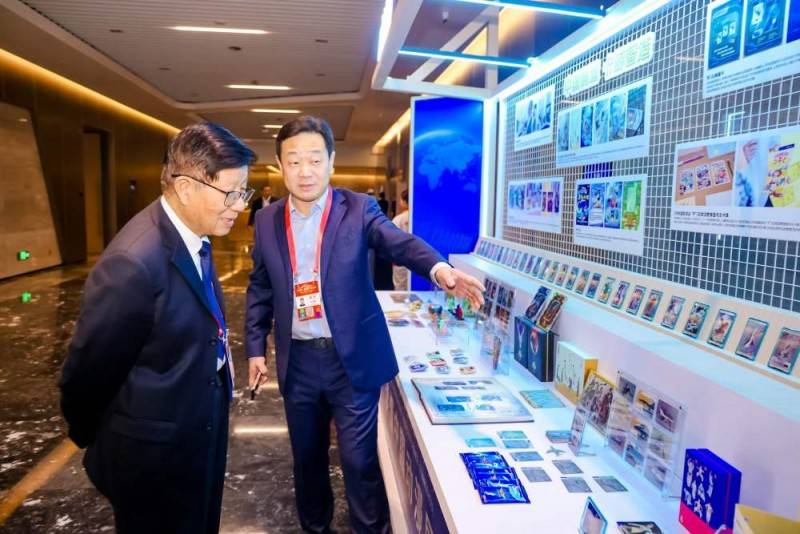
Core Insights - The "Understanding China" International Conference was successfully held from November 30 to December 2, 2025, in Guangzhou [1] Group 1: Cultural New Economy - The sub-forum on "Cultural New Economy: Cultural Industry Samples of New Productive Forces" focused on how new productive forces are reshaping the cultural industry landscape [3] - Emotional value has become a key driver of consumption among the younger demographic, with card games serving as a significant cultural medium in the "Guzi" economy [3] - Card products like "Three Kingdoms Cards," "My Little Pony Cards," and "Ultraman Cards" fulfill four major functions: collection, social interaction, entertainment, and competition, resonating emotionally with young consumers [3] Group 2: Product Experience and Innovation - The company leverages a complete research, production, supply, and sales chain to convert abstract emotions into tangible product experiences [4] - Collaborating with over 70 well-known IPs globally, the company has created a diverse IP matrix to cater to different user segments [4] - The company emphasizes three strategic directions for maintaining brand vitality: national trend, craftsmanship, and internationalization, with over 30 "Guochao" IPs already in place [4] Group 3: International Expansion - The company launched the "Guochao Going Global Plan," showcasing its core card products and other merchandise at international exhibitions in cities like Jakarta, Kuala Lumpur, Tokyo, and New York [5] - Future plans include further expanding into the U.S. market to promote Chinese culture and craftsmanship through its diverse product offerings [5] Group 4: Industry Trends - The forum highlighted the vibrant life force of China's cultural creative industry, showcasing new cultural business models as key drivers of new productive forces [7] - Trends such as technology empowering culture, content-driven consumption, and ecological catalysis of industry innovation are expected to continue stimulating development potential in the cultural sector [7]

谁的童年没为小浣熊水浒卡疯过?那年扔掉的面饼,藏着30年前的商战硝烟
3 6 Ke· 2025-12-08 09:27
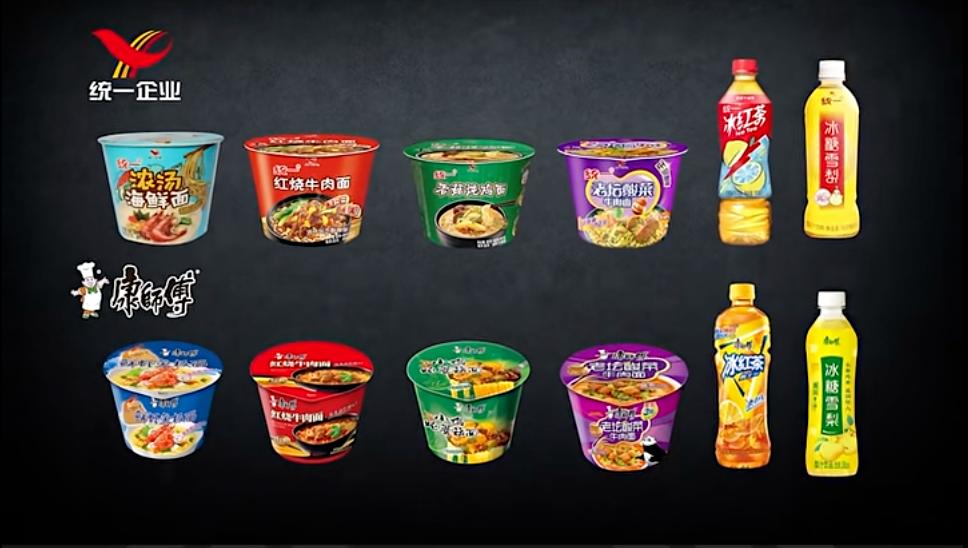
Core Viewpoint - The article discusses the legendary commercial battle between two Taiwanese food giants, Master Kong and Uni-President, in the Chinese instant noodle market, particularly focusing on the marketing strategies involving collectible cards that captivated the youth of China in the 1990s [1][12]. Group 1: Market Competition - In the early 1990s, Master Kong and Uni-President entered the mainland market, leading to a fierce competition that lasted for 30 years, with various product lines being targeted at children [1][3]. - Both companies quickly realized the profitability of targeting children, as they could leverage their spending power to boost sales [3][4]. - The competition extended to the packaging and promotional items, with both brands offering collectible cards to attract young consumers [6][8]. Group 2: Marketing Strategies - Uni-President launched the "Little Raccoon" brand, while Master Kong introduced the "Little Tiger Team" to specifically target children [5][17]. - The introduction of the "Water Margin" cards by Uni-President in 1999 marked a significant turning point, leading to a massive surge in sales and popularity among children [12][13]. - The phenomenon of card collecting became a major activity among schoolchildren, with some even discarding the noodles to keep the cards, leading to criticism from schools and media [16][26]. Group 3: Product Evolution - Following the success of the "Water Margin" cards, Uni-President attempted to replicate this success with other literary themes, such as "Three Kingdoms" and "Fengshen Yanyi," but these efforts did not achieve the same level of success [22][24]. - The initial excitement around card collecting eventually waned, as the market became saturated and children's interest diminished [26][28]. - In recent years, Uni-President has attempted to revive interest by launching new versions of the collectible cards, targeting nostalgia among adults [30][31].