
奥特曼卡

Search documents
Suplay冲刺上市、杰森娱乐融资,卡圈资本故事不眠
Tai Mei Ti A P P· 2026-01-13 02:09
Core Viewpoint - The capitalized process of the card game industry is accelerating, with companies like Suplay leading the charge towards public listings, despite challenges faced by top enterprises in the sector [1][4]. Group 1: Suplay's Market Position - Suplay submitted its IPO application to the Hong Kong Stock Exchange on January 1, 2026, ranking first in China's collectible non-combat card market and being the only Chinese brand among the top five globally [2]. - Suplay initially focused on trendy toys before transitioning to card production, securing significant investments and partnerships with major IPs like miHoYo and G-bits [7][9]. - The company emphasizes a strong collection logic, with single card prices exceeding 10 yuan and packs priced between 59.9 yuan and 89.9 yuan, targeting adult consumers, particularly women [9]. Group 2: Financial Performance and Growth - Suplay's revenue is projected to reach 1.4 billion yuan in 2023, 2.8 billion yuan in 2024, and 2.83 billion yuan in the first nine months of 2025, with a gross margin of 54.5% driven primarily by card sales [11]. - The company has established a brand barrier by focusing on collectible cards, avoiding direct competition with card games, and maintaining a unique market position [11]. Group 3: Challenges and Strategic Focus - Suplay faces challenges in scaling its operations while maintaining the value of its collectibles, as its revenue is significantly lower than that of card games, which are projected to grow by 270% in 2024 [13]. - The company relies heavily on external IP licensing, with the top five IPs contributing 47.8% to 77.7% of its revenue over the years, raising concerns about sustainability if key licenses expire [14]. - Suplay plans to use IPO proceeds to expand its core business and strengthen its collectible card capabilities while reducing reliance on its own IPs [14]. Group 4: Industry Trends and Competitor Landscape - Other companies in the card industry, such as Hitcard and Jason Entertainment, are also pursuing IPOs and have secured significant funding, indicating a competitive landscape [16][18]. - The industry is witnessing a diversification in business models, with some companies focusing on expanding their ecosystems and others enhancing their brand value through high-end product lines [19][20]. - Global experiences suggest that pure card companies face challenges in the public market, emphasizing the need for broader narratives that incorporate IP and entertainment development [22][23].
奥特曼卡生产商卡游亮相读懂中国 解码年轻消费情绪密码
Sou Hu Cai Jing· 2025-12-16 06:47
Core Insights - The "Understanding China" International Conference was successfully held from November 30 to December 2, 2025, in Guangzhou [1] Group 1: Cultural New Economy - The sub-forum on "Cultural New Economy: Cultural Industry Samples of New Productive Forces" focused on how new productive forces are reshaping the cultural industry landscape [3] - Emotional value has become a key driver of consumption among the younger demographic, with card games serving as a significant cultural medium in the "Guzi" economy [3] - Card products like "Three Kingdoms Cards," "My Little Pony Cards," and "Ultraman Cards" fulfill four major functions: collection, social interaction, entertainment, and competition, resonating emotionally with young consumers [3] Group 2: Product Experience and Innovation - The company leverages a complete research, production, supply, and sales chain to convert abstract emotions into tangible product experiences [4] - Collaborating with over 70 well-known IPs globally, the company has created a diverse IP matrix to cater to different user segments [4] - The company emphasizes three strategic directions for maintaining brand vitality: national trend, craftsmanship, and internationalization, with over 30 "Guochao" IPs already in place [4] Group 3: International Expansion - The company launched the "Guochao Going Global Plan," showcasing its core card products and other merchandise at international exhibitions in cities like Jakarta, Kuala Lumpur, Tokyo, and New York [5] - Future plans include further expanding into the U.S. market to promote Chinese culture and craftsmanship through its diverse product offerings [5] Group 4: Industry Trends - The forum highlighted the vibrant life force of China's cultural creative industry, showcasing new cultural business models as key drivers of new productive forces [7] - Trends such as technology empowering culture, content-driven consumption, and ecological catalysis of industry innovation are expected to continue stimulating development potential in the cultural sector [7]

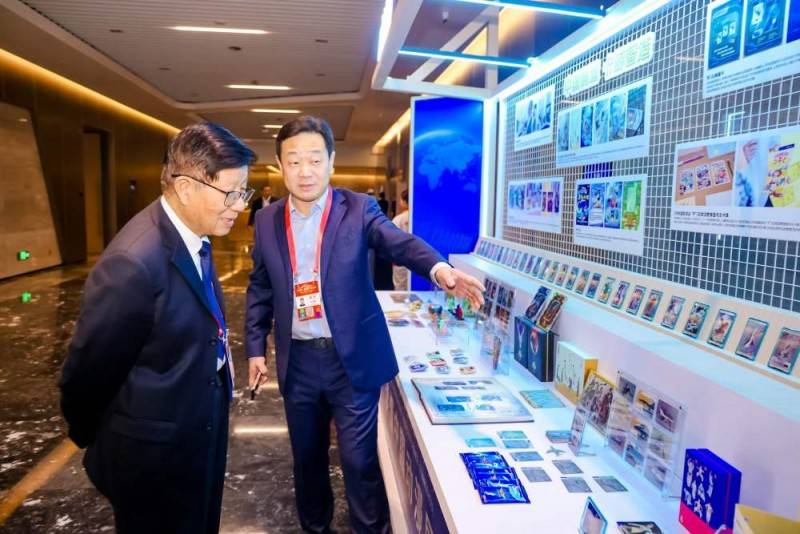
本月进军美国!全球最大集换式卡牌市场“相信光吗?”——专访卡游有关负责人
Zheng Quan Shi Bao· 2025-09-11 08:11
Core Viewpoint - The emerging brand KAYOU, known for producing Ultraman cards, is gaining attention at the China International Fair for Trade in Services, highlighting the growth of the Chinese pan-entertainment product industry and its future development plans [1] Group 1: Business Performance and Market Trends - KAYOU has seen explosive growth in its card and badge businesses, with successful collaborations on popular domestic IPs like "Nezha: The Devil's Child" and "Wang Wang Mountain Little Monster," leading to a surge in consumer interest and a new wave of anime derivative products [2] - The company's profit margins are comparable to luxury goods, driven by the current trend of emotional consumption, where consumers are willing to pay for beloved characters and unique experiences [2] - KAYOU's products are designed to appeal to the "Z generation," focusing on high-quality craftsmanship, engaging designs, and interactive experiences [3] Group 2: IP Strategy and Product Development - KAYOU collaborates with over 70 leading global IPs, developing a diverse range of products including collectible cards, action figures, plush toys, and cultural stationery, targeting various consumer demographics [3][4] - The company emphasizes the importance of high-quality local IPs and avoids violent or inappropriate content in its selections, focusing on a wide range of themes including traditional culture and martial arts [4] - The lifecycle of derivative products is closely tied to the sustainability of the IP, with stable output and classic character establishment being crucial for longevity [4] Group 3: Competitive Advantages and Market Position - KAYOU's competitive edge lies in its full industry chain layout and IP operation capabilities, with a strong emphasis on high-quality product development as a foundation for stable business growth [5] - The company's printing technology significantly contributes to its product quality, allowing it to capture 70% of the card market share [5] - KAYOU aims to leverage its participation in the fair to enhance brand recognition and showcase its achievements in the anime derivative and creative stationery sectors [6][7] Group 4: International Expansion and Cultural Exchange - KAYOU plans to officially enter the U.S. market, which is a key part of its global strategy, aiming to connect diverse cultures and enhance consumer engagement through high-quality products [7] - The company seeks to utilize its diverse IP matrix to promote Chinese culture globally, showcasing both domestic and international IPs to facilitate cultural exchange [6][7] - KAYOU's strategy includes understanding international market demands to optimize products and expand its market share, reinforcing its leading position in the pan-entertainment product industry [7]
本月进军美国!全球最大集换式卡牌市场“相信光吗?”——专访卡游有关负责人
证券时报· 2025-09-11 08:09
Core Viewpoint - The emerging brand KAYOU, known for producing Ultraman cards, is gaining attention in the context of emotional consumption and cultural trade, particularly at the China International Fair for Trade in Services [1] Group 1: Business Performance and Market Trends - KAYOU has seen explosive growth in its card and badge businesses, with successful collaborations on popular domestic IPs like "Nezha: The Devil's Child" and "Wang Wang Mountain Little Monsters," leading to a surge in consumer interest [3] - The company's profit margins are now comparable to luxury goods, driven by the prevailing trend of emotional consumption among younger consumers who are willing to pay for beloved characters and unique experiences [3] - The cultural IP and creative industry in China are thriving, supporting diverse IP derivative product development and the expansion of emotional consumption [3] Group 2: Target Audience and Product Development - KAYOU has partnered with over 70 leading global IPs to create a variety of products, including collectible cards, action figures, plush toys, and creative stationery, targeting different consumer demographics [5] - The company focuses on the "Z generation" consumer group, ensuring that its products feature appealing narratives, high-quality designs, and interactive experiences [5] Group 3: Competitive Advantages and Market Position - KAYOU's printing technology is a significant factor in its market leadership, accounting for 70% of the card market share, as high-quality card products require excellent design and craftsmanship [9] - The company emphasizes the importance of selecting quality domestic IPs and is committed to avoiding violent or inappropriate content in its offerings [7] Group 4: International Expansion and Cultural Exchange - KAYOU aims to enhance its brand recognition and establish international partnerships through participation in the trade fair, showcasing its achievements in the anime derivative products and creative stationery sectors [11] - The company plans to enter the U.S. market, which is crucial for its global strategy, aiming to connect diverse cultures and enhance consumer engagement through high-quality products [12]

泡泡玛特引爆潮玩上市潮:窗口期盛宴还是盲盒赌局?
3 6 Ke· 2025-08-26 11:09
Core Viewpoint - The article highlights the surge of Chinese潮玩 (trendy toy) brands entering the global market, exemplified by the grand opening of Pop Mart's flagship store in Bangkok and its impressive financial performance, indicating a broader trend of IPOs in the潮玩 industry driven by consumer sentiment and favorable market conditions [2][3][4]. Group 1: Market Performance and Financial Highlights - Pop Mart reported a record half-year revenue of 138.8 billion RMB, a year-on-year increase of 204.4%, and an adjusted net profit of 47.1 billion RMB, up 362.8% [3]. - Following the financial report, Pop Mart's stock price surged to 326 HKD per share, with a market capitalization exceeding 430 billion HKD [3]. - TOP TOY, a潮玩 brand under Miniso, received a new round of investment led by Temasek, with a post-investment valuation of approximately 10 billion HKD [3]. Group 2: Industry Trends and Consumer Behavior - The潮玩 industry is experiencing a "sentiment consumption" boom, where consumers are increasingly willing to spend on products that provide immediate joy, especially during economic uncertainty [5]. - The younger generations (post-90s and post-00s) are becoming the main consumer group, showing a preference for潮玩 and other experiences that offer emotional satisfaction rather than traditional big-ticket items [5]. - The current market environment has created a rare valuation window for consumer brands, with several潮玩 companies preparing for IPOs amid a wave of successful listings in the Hong Kong market [6][8]. Group 3: Competitive Landscape and Global Expansion -潮玩 companies are adopting similar strategies for global expansion, focusing on Southeast Asia, particularly Thailand, which has a large young consumer base and is a tourism hub [10][13]. - The competitive edge lies in the ability to leverage popular IPs and create engaging marketing campaigns, often involving celebrity endorsements and social media buzz [11][14]. - Companies like TOP TOY and 52TOYS are investing heavily in IP development and partnerships to maintain relevance and drive sales, indicating a trend towards continuous innovation and adaptation [14][15]. Group 4: Strategic Considerations for IPOs - The rush to IPO is not merely for capital but also for strategic positioning, allowing companies to exit early investors and secure funds for future growth [9][15]. - Each潮玩 company has its unique approach, with TOP TOY leveraging its relationship with Miniso for supply chain advantages, while 52TOYS focuses on established IPs to drive sales [15][16]. - The overall strategy emphasizes rapid expansion and securing market share, as companies race to capture the attention of young consumers before the market dynamics shift [17]. Group 5: Future Outlook and Challenges - The潮玩 industry faces the challenge of sustaining interest in IPs, as the lifecycle of popular characters can be short-lived, necessitating ongoing investment in new content and partnerships [14][19]. - The current IPO frenzy may resemble a gamble, with companies hoping to replicate the success of Pop Mart, but the unpredictability of consumer preferences poses a significant risk [18][19]. - The long-term success of潮玩 brands in the global market will depend on their ability to innovate and adapt to changing consumer trends while effectively managing their growth strategies [19].

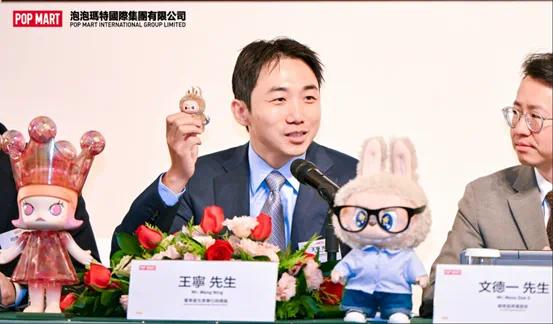
星光为证,奥特曼卡生产商卡游以人力管理卓越力塑雇主品牌新标杆
Xin Lang Cai Jing· 2025-07-10 03:20
Group 1 - The core message highlights that the company, 卡游动漫, has been awarded the "2025 Human Resource Management Excellence Award," reflecting its long-term commitment to human resource management [1][3] - The award signifies industry recognition of 卡游's talent strategy, emphasizing the importance of effective human resource management in driving team cohesion and creativity [3][6] - The company has established a mature system for talent recruitment, development, and retention, aligning with its development needs and respecting employee growth [3][6] Group 2 - The company's recruitment efforts are evident through its recent job postings, showcasing its vibrant development and urgent need for new talent [5][6] - The recognition from the award serves as a strong signal to the market that 卡游 values and nurtures talent, enhancing its employer brand attractiveness [6] - The award not only summarizes past efforts but also acts as motivation for future growth, indicating a commitment to mutual development between the company and its employees [6]

‘收割’小学生百亿零花钱的隐形富豪,闷声发大财
Sou Hu Cai Jing· 2025-05-30 04:42
Group 1 - The core viewpoint of the article highlights the resurgence of the card-selling company, KAYOU, which is set to reapply for an IPO after a previous attempt in January 2024 failed [2] - KAYOU reported a revenue exceeding 10 billion yuan in the previous year, with a staggering year-on-year growth rate of 277.78%, and an adjusted profit of 4.466 billion yuan, achieving a gross margin of 67.3%, surpassing that of popular blind box company, Pop Mart [4][33] - The founder of KAYOU, Li Qibin, is noted for his unexpected background as a 53-year-old former civil servant, which contrasts with the youthful image typically associated with the toy industry [6][8] Group 2 - Li Qibin's journey began with significant personal challenges, including a family debt of 3 million yuan, which led him to leave his stable government job to pursue entrepreneurship in the card industry [10][12] - KAYOU initially started as a card printing company but faced challenges due to a lack of unique products, prompting Li Qibin to pivot towards creating his own intellectual property (IP) [16][18] - The company successfully revived old IPs like Ultraman and My Little Pony, leveraging nostalgia and innovative marketing strategies to capture market interest [26][28] Group 3 - KAYOU's aggressive pricing strategy, including significant discounts for distributors, has allowed it to expand its market presence, resulting in 217 distributors across 31 provinces in China by the end of 2024 [31] - The company achieved a revenue of 10.057 billion yuan in 2024, marking a 278% increase and establishing itself as a leader in the card industry, earning Li Qibin the title of "Card King" [33] - Despite its success, KAYOU faces challenges with expiring IP licenses and increasing regulatory scrutiny, prompting Li Qibin to explore new business avenues and partnerships to ensure long-term sustainability [35][39]

江浙沪传奇男人,掏走小学生100亿
创业邦· 2025-05-26 10:35
Core Viewpoint - The article discusses the remarkable growth and business strategy of KAYOU, a card-selling company that has achieved significant revenue and market presence, positioning itself as a leader in the collectible card industry, particularly among young consumers [3][5][25]. Group 1: Company Overview - KAYOU submitted its prospectus for a second time to the Hong Kong Stock Exchange after an initial unsuccessful attempt in January 2024, indicating its ambition to go public [3]. - The company reported over 10 billion in revenue last year, with a year-on-year growth rate of 277.78%, and an adjusted profit of 4.466 billion, achieving a gross margin of 67.3%, surpassing competitors like Pop Mart [5][25]. Group 2: Founder Background - The founder, Li Qibin, transitioned from a stable government job to entrepreneurship after facing significant family debt, demonstrating a bold shift in career and mindset [9][10]. - Li Qibin's initial venture into the card business began with a keen observation of market trends, leading to the establishment of KAYOU after previous business setbacks [10][19]. Group 3: Business Strategy - KAYOU's success is attributed to leveraging popular existing IPs rather than creating new ones, reviving interest in older franchises like Ultraman and My Little Pony, which has broadened its consumer base [19][21]. - The company adopted a strategy of offering significant discounts to distributors, enhancing its market presence and sales volume across various retail channels [24]. Group 4: Future Aspirations - Despite current success, KAYOU faces challenges with expiring IP licenses and increasing regulatory scrutiny, prompting the need for diversification and cultural branding [25][28]. - The company is exploring collaborations with cultural institutions and expanding into new product lines, such as toys and stationery, to establish a more comprehensive market presence [29][34].
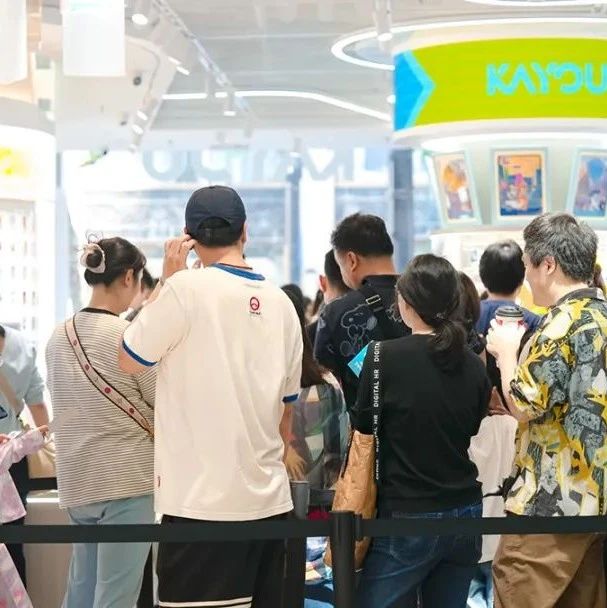
卡牌的二手江湖
经济观察报· 2025-05-09 14:48
Core Insights - The trading of collectible cards in the primary market is booming, which is driving rapid growth in the secondary market, although both markets are still in their infancy in China [3][6] - The value of collectible cards, the popularity of intellectual properties (IPs), and the issuance strategies of companies will significantly impact the secondary market [3][6] Group 1: Market Dynamics - The collectible card market in China is experiencing a surge, with companies like 卡游 (Kayo) leading the market with over 70% market share [3] - Kayo's revenue is projected to reach 100.57 billion yuan in 2024, a threefold increase from the previous year, with a net profit of 44.66 billion yuan, marking a 378.16% year-on-year growth [3][11] - The secondary market is heavily influenced by the popularity of specific IPs, with 小马宝莉 (My Little Pony) becoming a key driver of Kayo's revenue growth in 2024 [11][12] Group 2: Consumer Behavior - Young consumers, such as students, are actively participating in the card trading market, often selling cards for profit despite not being fans of the IPs [2][5] - The probability of obtaining rare cards is low, with some cards having a chance as low as 0.062%, making the experience akin to gambling [2][5] - The secondary market is seeing significant transactions, with some cards selling for thousands of yuan, far exceeding their original purchase price [6][11] Group 3: Rating and Valuation - The demand for graded cards is increasing, with domestic grading institutions seeing a surge in orders, particularly for 小马宝莉 cards [8][9] - Graded cards serve both a collectible and aesthetic purpose, differing from international markets where grading is more focused on investment [8][9] - The domestic grading market is evolving, with a goal to establish standardized grading and pricing systems [9][12] Group 4: Future Potential - The collectible card market in China has significant growth potential, with per capita spending on collectible cards currently at only 8.6 yuan compared to 92.3 yuan in Japan and 50.7 yuan in the U.S. [12] - The overall market for entertainment products in China is expected to exceed 330 billion yuan by 2029, indicating a growing interest in collectible cards [12] - However, the secondary market may face challenges from the primary market, especially with companies reviving popular cards, which could disrupt the value of existing cards [12]
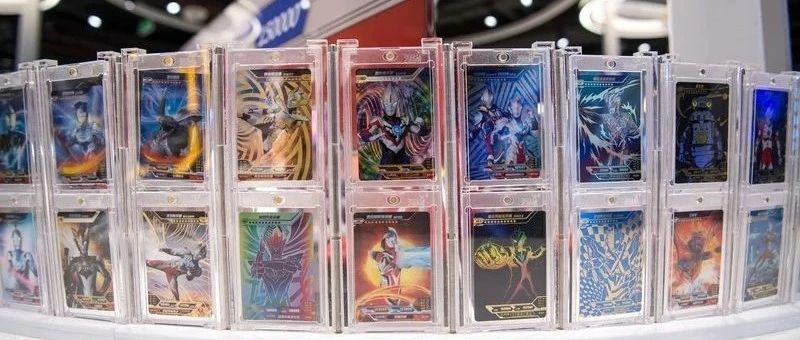
卡牌的二手江湖
Jing Ji Guan Cha Wang· 2025-05-09 13:42
Core Insights - The collectible card market in China is experiencing rapid growth, driven by popular IPs like My Little Pony, which has significantly boosted sales and trading activities [2][4][8] - Card You Co., Ltd. (卡游) is the leading company in the collectible card market, holding over 70% market share and reporting a revenue of 100.57 billion yuan in 2024, a threefold increase from the previous year [2][8] - The secondary market for trading cards is also expanding, with platforms like Xianyu and Qidao seeing increased transaction volumes, particularly for My Little Pony cards [4][8] Company Overview - Card You Co., Ltd. has submitted a second IPO application to the Hong Kong Stock Exchange, aiming to become the first publicly listed company focused on collectible trading cards [2] - The company’s revenue growth is attributed to the popularity of its licensed IPs, with My Little Pony replacing Ultraman as the main revenue driver in 2024 [8] - The adjusted net profit for Card You in 2024 is reported at 44.66 billion yuan, marking a year-on-year increase of 378.16% [2][8] Market Dynamics - The collectible card market in China is still in its early stages, with significant potential for growth as the average spending per person is only 8.6 yuan compared to 92.3 yuan in Japan and 50.7 yuan in the U.S. [9] - The demand for graded cards is increasing, with domestic grading institutions seeing a surge in orders, particularly for My Little Pony cards, which has led to over 1 million cards being graded in 2024 [6][7] - The secondary market is influenced by the popularity of IPs, with the lifecycle of card products being relatively short, often declining in demand significantly after the initial hype [8][10] Trading and Valuation - The trading of collectible cards is characterized by a mix of luck and strategy, with players often calculating the probabilities of obtaining rare cards from different price packages [3][4] - Graded cards are becoming a new business segment, with players seeking authentication and valuation for their collections, which is different from the international market where cards are treated as investment assets [5][6] - The secondary market is seeing high transaction values, with some My Little Pony cards selling for thousands of yuan, indicating a robust demand for rare and graded cards [4][8]