中银稳健添利

Search documents
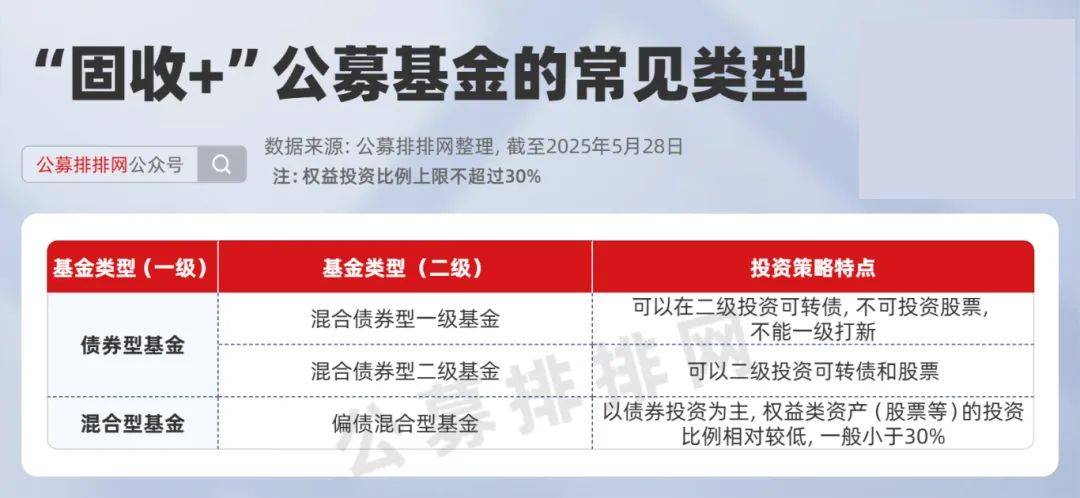
3月基金配置展望:关注自由现金流指数
Ping An Securities· 2026-03-03 07:55
Group 1 - The report highlights a divergence in the performance of A-shares and US stocks, with A-shares showing a positive trend while the Nasdaq index declined due to AI replacement fears [2][9][14] - The report indicates that the US Treasury yields have decreased, with the 1-year yield falling to 3.48% and the 10-year yield to 3.97%, reflecting a rise in risk aversion [8][15] - Commodity prices experienced fluctuations, with oil prices rising to $72.5 per barrel, while the CRB commodity index fell by 2.32% [22][24] Group 2 - The report suggests maintaining a high allocation to equity assets despite a decline in sentiment indicators, as momentum factors continue to favor A-shares [2][78] - The report recommends a focus on the Free Cash Flow Index, which has shown strong performance relative to market and growth indices, particularly benefiting from cyclical sectors [2][68][64] - The report advises a reduction in Hong Kong stock positions due to a decline in macro indicators, suggesting a cautious approach to this market [2][72][69] Group 3 - The report emphasizes the importance of the growth-value style rotation model, indicating that while the actual yield of US Treasuries favors value, market factors and style momentum recommend a growth approach [2][59][57] - The small-cap style is recommended based on a favorable credit environment and momentum factors, despite a general recommendation for large-cap stocks [2][63][60] - The report identifies specific funds to consider, including the CITIC Prudential Multi-Strategy Fund and the Southern CSI All-Index Free Cash Flow ETF, highlighting their respective investment strategies and performance [2][77][92]
低利率高波动时代,攻守兼备的“固收+”基金将迎新一轮配置机遇
Sou Hu Cai Jing· 2025-06-04 03:29
Core Viewpoint - The recent reduction in deposit rates by major banks marks a shift towards a low-interest-rate environment, prompting investors to reconsider traditional savings and explore "fixed income +" strategies in public funds as a viable investment option [1][11]. Group 1: "Fixed Income +" Fund Characteristics - "Fixed Income +" is not an official fund type but a strategy that combines low-volatility fixed income assets with equities and other instruments to enhance returns [1]. - The strategy typically includes mixed bond funds, with equity investments capped at 30% to qualify as "fixed income +" products [2]. - The average annualized return of "fixed income +" funds over the past five years is 16.35%, outperforming both pure bond funds and mixed equity funds [5][6]. Group 2: Performance Metrics - As of May 28, "fixed income +" funds have an average annualized volatility of 4.55% and a maximum drawdown of -8.61%, which is lower than that of mixed equity funds [4]. - Among 1,253 "fixed income +" funds, 64.53% reported positive returns in the first quarter of 2025 [1][5]. Group 3: Growth Phases of "Fixed Income +" Funds - The first rapid growth phase occurred from 2014 to 2016, driven by a favorable market environment and significant liquidity, leading to a doubling of "fixed income +" fund numbers [8]. - The second growth phase from 2019 to 2021 was fueled by regulatory changes and a strong equity market, resulting in a 134.41% increase in the number of "fixed income +" funds [9]. Group 4: Current Market Opportunities - The current market conditions, characterized by low deposit rates and increased volatility, present a favorable environment for "fixed income +" strategies, similar to previous growth phases [11]. - Analysts suggest that the focus on diversified asset allocation within "fixed income +" strategies can enhance return potential amid uncertain economic conditions [11]. Group 5: Recommended "Fixed Income +" Products - A selection of 103 "fixed income +" products with above-average performance metrics has been identified for potential investment, including several mixed bond funds [12][14]. - The top-performing mixed bond funds over the past five years include those managed by Tianhong Fund, Dongfanghong Asset Management, and others, showcasing strong returns and low volatility [14][16].