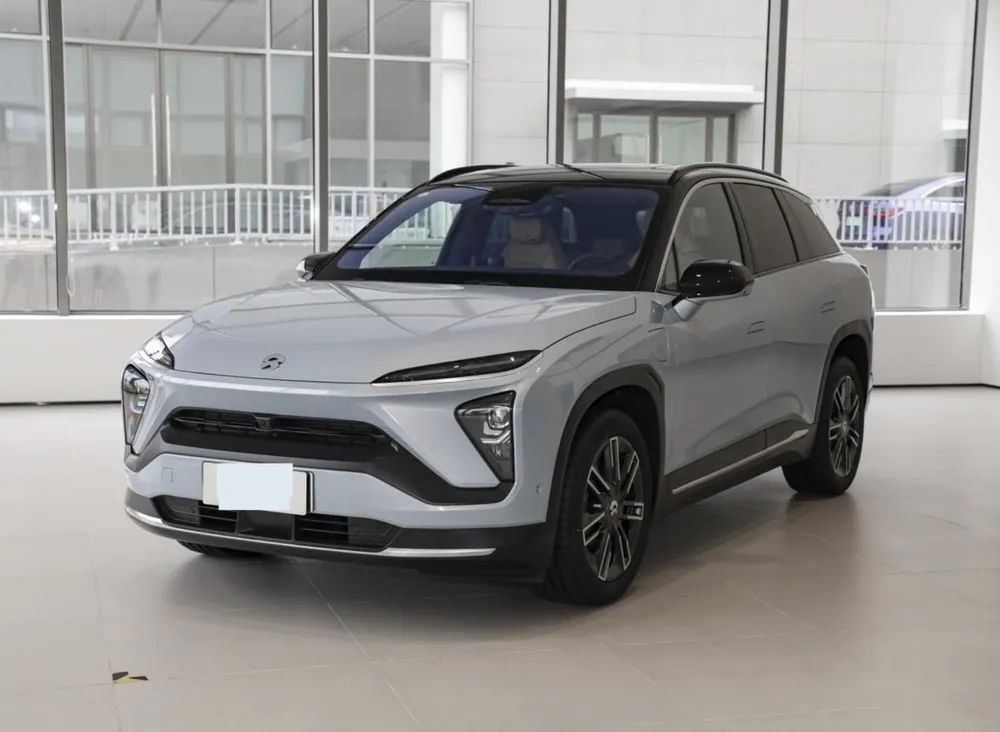
二手新能源汽车

Search documents
阿维塔将与海尔集团合作打造百万级车型;福特汽车据悉考虑停产电动版F-150皮卡丨汽车交通日报
创业邦· 2025-11-07 10:39
Group 1 - The core viewpoint of the article highlights the significant growth in the second-hand electric vehicle market in China, with auction transaction volume increasing by 52.6% in the first three quarters of the year, and an expected annual transaction value exceeding 10 billion yuan [2] - The collaboration between Avita Technology and Haier Group aims to create a flagship vehicle priced at one million yuan, focusing on product customization and integration of vehicle-home scenarios [2] - Ford is reportedly considering discontinuing the electric version of its F-150 pickup truck due to disappointing sales performance, with a cumulative loss of 13 billion dollars in its electric vehicle business in 2023 [2] - Honda has revised its forecast for automobile sales in the Asian market for the fiscal year 2025/26 to 925,000 units, down from a previous estimate of 1.09 million units, while maintaining its forecast for Japan at 600,000 units [2]


二手新能源车拍卖成交量前三季度增超50%
Bei Ke Cai Jing· 2025-11-07 06:01
Core Insights - The sales of new energy vehicles (NEVs) in China have surged this year, leading to a significant influx of used NEVs into the trading market, driven by the "trade-in" policy for consumer goods [1] - The auction market for used cars has become a vital channel in the circulation system of used cars, with a reported 52.6% increase in auction transaction volume for NEVs in the first three quarters of the year, and an expected annual transaction value exceeding 10 billion yuan [1] - Used car dealers are leveraging auction platforms to source vehicles, reducing inventory turnover cycles to under 15 days, which is significantly lower than the industry average [1] - The auction model facilitates transactions without geographical limitations and efficiently matches supply and demand, allowing surplus vehicles from first- and second-tier cities to flow into the high-demand third- and fourth-tier cities and county markets, promoting tiered consumption of automobiles [1]
二手新能源汽车涌入交易市场 前三季度新能源汽车拍卖成交量增长超50%
Xin Lang Cai Jing· 2025-11-07 05:32
Core Insights - The sales of new energy vehicles (NEVs) in China have surged this year, significantly boosted by the trade-in policy for consumer goods, leading to a rapid influx of used NEVs into the market [1] - The auction market for used cars has become a vital channel in the circulation system, with a reported 52.6% increase in auction transaction volume for NEVs in the first three quarters of the year, and an expected annual transaction value exceeding 10 billion yuan [1] - Some used car dealers are utilizing auction platforms to source vehicles, reducing inventory turnover cycles to under 15 days, which is significantly lower than the industry average [1] - The auction model is facilitating the movement of used cars from oversupplied first- and second-tier cities to the demand-rich third- and fourth-tier cities and county markets, thereby promoting tiered consumption of automobiles [1]
真夸张!买辆新能源车竟没电池,买断电池再付10万?北京法院判了
Huan Qiu Wang Zi Xun· 2025-08-11 12:32
Core Viewpoint - The court ruled in favor of the buyer, recognizing a significant misunderstanding in the contract regarding the battery status of a second-hand electric vehicle, leading to the cancellation of the sale contract and the requirement for refunds from both the seller and the platform [1][2]. Group 1: Case Details - Mr. Yao purchased a second-hand electric vehicle for 178,200 yuan but discovered it did not come with a battery, requiring additional rental fees of 1,560 yuan per month [1]. - The seller claimed to have informed the platform about the battery's rental status, but this information was not clearly presented on the transaction webpage [2]. - The court emphasized that the battery is a core component of electric vehicles, and the platform failed to fulfill its duty to ensure that critical information was accurately displayed [2]. Group 2: Court Ruling - The court determined that the contract should be annulled due to the buyer's significant misunderstanding regarding the vehicle's battery status, which is crucial for the vehicle's performance and safety [2]. - The seller was not found to be in breach of contract as she had communicated the battery's rental status to the platform [2]. - The ruling mandated the seller to refund the purchase price to Mr. Yao, while the platform was ordered to return the service fees and compensate for transportation costs [2]. Group 3: Consumer Advice - Consumers are advised to thoroughly understand vehicle information, particularly regarding battery ownership and condition, before making a purchase [3]. - Platforms acting as intermediaries should ensure they fulfill their obligation to verify and accurately present critical transaction information [3].
新能源二手车,中产省钱的一道光
Xin Lang Cai Jing· 2025-08-04 12:44
Core Insights - The second-hand electric vehicle (EV) market is rapidly gaining popularity as consumers seek cost-effective options amidst rising new car prices and configurations [1][3][8] - The significant price drop of 30-40% for nearly new EVs, combined with the benefits of green license plates and tax exemptions, makes them attractive to budget-conscious buyers [1][20] Group 1: Market Dynamics - The surge in new energy vehicle ownership has led to a substantial increase in the availability of second-hand EVs, driving market growth [3][8] - In the first five months of this year, the transaction volume of second-hand EVs exceeded 545,000 units, marking a nearly 30% year-on-year increase, with a market penetration rate approaching 10% [8][29] - The depreciation rates for mainstream new energy models indicate that first-year depreciation of 15%-30% is common, making second-hand options more appealing [10][12] Group 2: Consumer Preferences - Consumers are increasingly viewing second-hand EVs as a primary choice, especially for commuting and as a second family vehicle, due to their high cost-performance ratio [1][4][21] - The typical buyer profile includes budget-conscious individuals seeking quality vehicles, first-time EV users, and those needing a practical second car for short-distance travel [21][24][26] Group 3: Market Challenges - Despite the growing interest, potential buyers must navigate market pitfalls, such as the risk of purchasing vehicles that may have hidden issues related to battery health and previous usage [27][33] - It is crucial for consumers to verify battery health, vehicle age, and maintenance records to avoid common traps in the second-hand EV market [27][31][33]
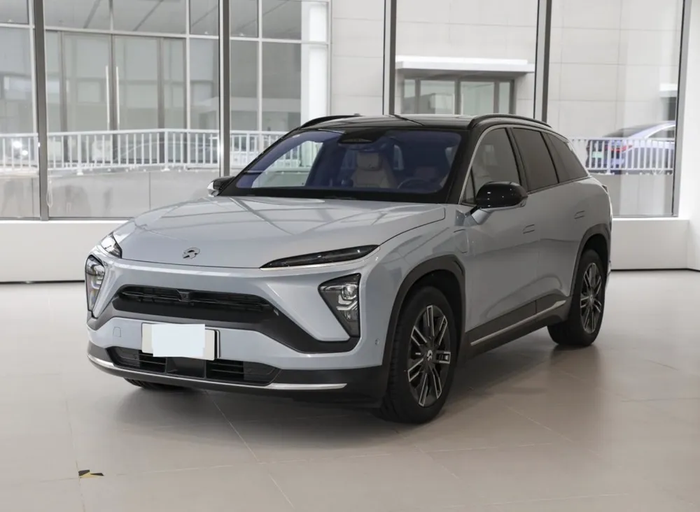
新能源二手车是中产省钱的那道光
3 6 Ke· 2025-08-04 08:37
Core Insights - The growing acceptance of second-hand electric vehicles (EVs) reflects a shift in consumer behavior, driven by the desire for cost-effective options while still enjoying the benefits of new energy vehicles [1][3][30] - The second-hand EV market is thriving due to increased supply from the rising ownership of new energy vehicles and the high cost-performance ratio of these second-hand options [4][9][23] Group 1: Market Dynamics - The penetration rate of new energy vehicles has surged, leading to a significant increase in the availability of second-hand EVs [2][23] - In the first five months of this year, the transaction volume of second-hand new energy vehicles exceeded 545,000 units, marking a nearly 30% year-on-year increase, with a market penetration rate approaching 10% [9][12] - The price drop of second-hand EVs, often by 30-40%, makes them attractive to consumers seeking practical and economical choices [3][12][16] Group 2: Consumer Preferences - Consumers are increasingly viewing second-hand new energy vehicles as their first choice, particularly for commuting and as a second family car, due to lower costs and various benefits such as tax exemptions [3][18][30] - The typical buyer profile includes budget-conscious individuals who desire quality vehicles without the high price tag of new models [17][20] - The market is particularly appealing to first-time electric vehicle users and those looking for a practical second vehicle for short-distance travel [20][22] Group 3: Quality Concerns and Market Trends - Despite the growing popularity, there are concerns regarding the quality of second-hand EVs, with some consumers wary of potential issues related to battery health and vehicle condition [7][23][27] - The depreciation rates for new energy vehicles are significant, with first-year depreciation ranging from 15% to 30%, making second-hand options more appealing [12][14][16] - The market is witnessing a trend where second-hand EVs are being marketed as "quasi-new cars," which can sometimes mask underlying issues [23][30] Group 4: Buying Considerations - Consumers are advised to be cautious and conduct thorough research before purchasing second-hand EVs, focusing on battery health, vehicle age, and maintenance records [27][28][30] - Key factors to consider include the vehicle's battery health, warranty transferability, and the presence of a comprehensive maintenance history [27][30] - The importance of clear contractual agreements is emphasized to protect consumer rights and ensure transparency in the purchase process [27][30]